Content
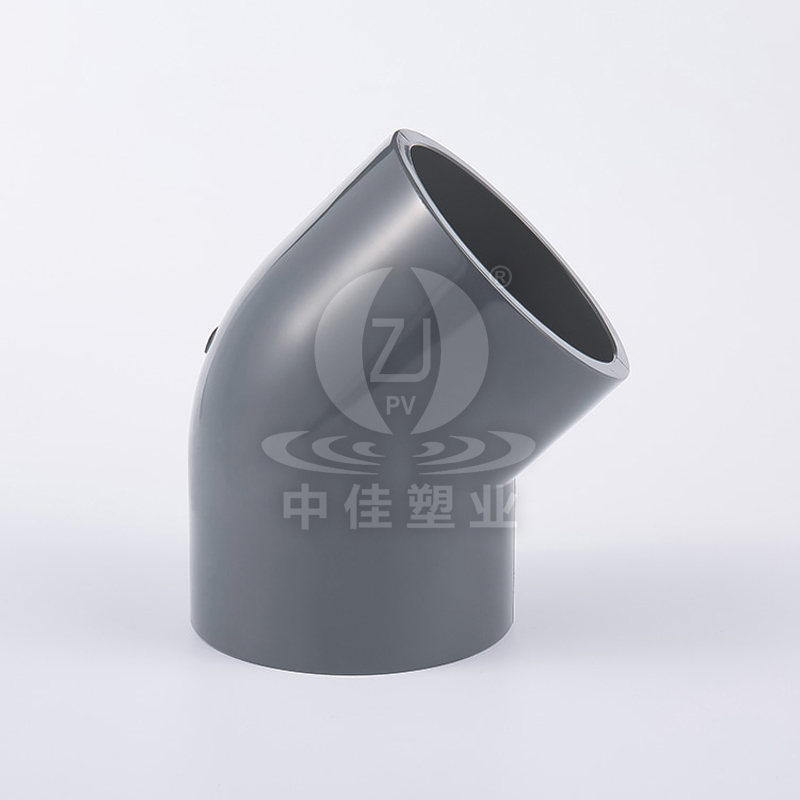
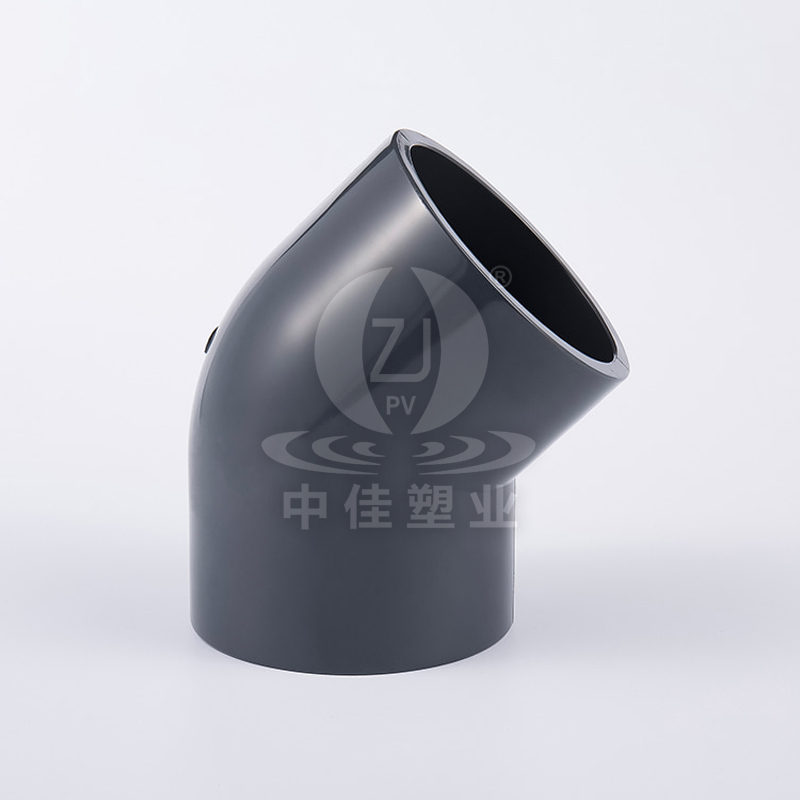
A UPVC elbow 45° is a pipe fitting made from unplasticized polyvinyl chloride (UPVC) that changes the direction of a piping run by a 45-degree angle. Unlike the more commonly used 90° elbow, which creates a sharp right-angle turn, the 45° elbow produces a gentler directional change. This makes it a preferred choice in applications where maintaining smooth flow and minimizing turbulence is a priority, such as drainage systems, irrigation lines, and certain pressure piping networks.
UPVC as a material is valued for its rigidity, chemical resistance, and long service life compared to standard PVC. It does not contain plasticizers, which makes it more resistant to degradation from UV exposure and certain chemical environments. These properties make UPVC elbows suitable for both above-ground and underground installations, spanning residential plumbing, agricultural irrigation, and industrial fluid transport systems.
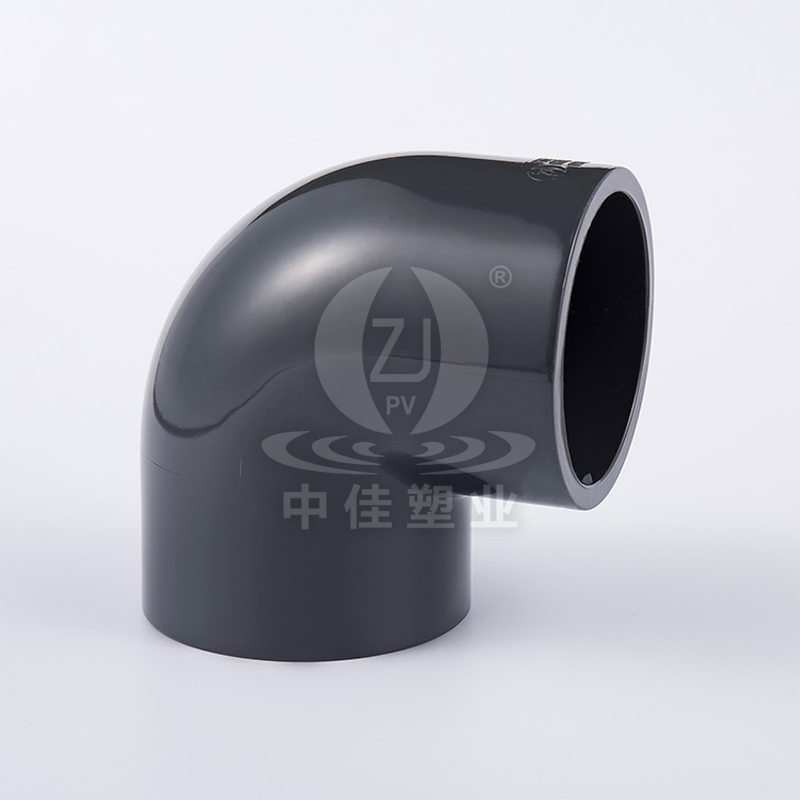
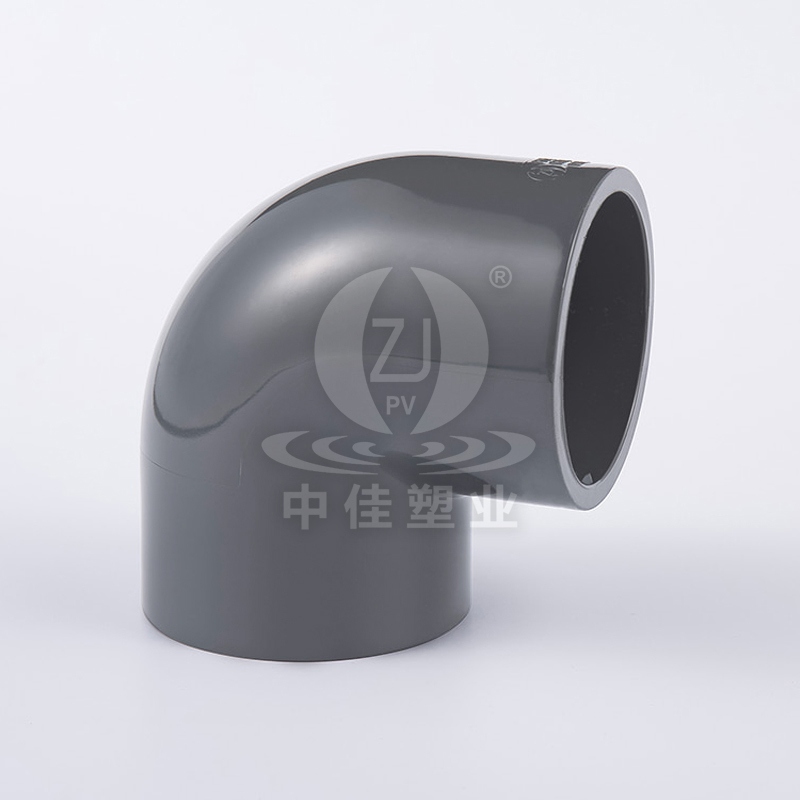
The angle of a directional fitting has a direct effect on how fluid or gas moves through a piping system. A sharper turn, such as the one created by a 90° elbow, generates more turbulence and a greater pressure drop at the point of the bend. This can be problematic in systems where maintaining consistent flow velocity and pressure is important, such as in gravity-fed drainage lines or systems carrying solids that could settle or clog at abrupt turns.
A 45° elbow allows the flow to change direction more gradually, reducing the pressure loss associated with the turn. This is particularly relevant in drainage and sewage systems, where solids need to keep moving through the pipe without settling at sharp bends. In many plumbing codes, two 45° elbows are recommended over a single 90° elbow when redirecting a drain line, precisely because the gentler combined angle reduces the likelihood of blockages.
Understanding when to choose a 45° elbow over a 90° elbow depends on the specific demands of the piping system being installed.
| Characteristic | 45° Elbow | 90° Elbow |
| Flow Resistance | Lower | Higher |
| Space Required | More linear space needed | Compact turn |
| Best Use Case | Drainage, gradual redirection, solids-carrying lines | Tight corners, space-constrained layouts |
| Risk of Clogging | Lower | Higher, especially in solids-heavy flow |
UPVC 45° elbows are used across a range of piping systems where directional changes need to be made without significantly disrupting flow.
In many of these applications, the ability to combine two 45° elbows to achieve a 90-degree total redirection, while spacing them apart along the pipe run, gives installers more flexibility in routing pipes around obstacles without introducing the higher turbulence associated with a single sharp turn.
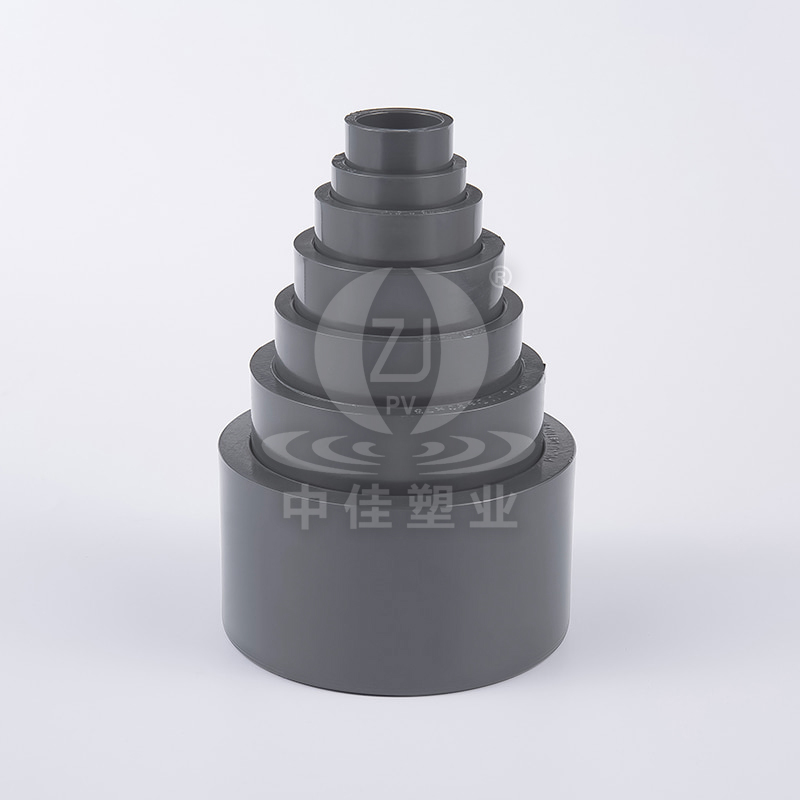
UPVC 45° elbows are manufactured in a range of diameters to match standard pipe sizing systems, typically measured in millimeters or inches depending on regional standards. Common nominal sizes range from small diameters used in residential plumbing, such as 20mm to 50mm, up to larger diameters exceeding 300mm used in municipal or industrial infrastructure.
Pressure rating is another important specification, particularly for elbows used in pressurized water or chemical transport systems. UPVC fittings are typically rated according to schedule classifications, such as Schedule 40 or Schedule 80, with higher schedule numbers indicating thicker walls and greater pressure tolerance. When selecting a 45° elbow, it is important to match both the diameter and the pressure rating to the rest of the piping system to avoid weak points at the joint.
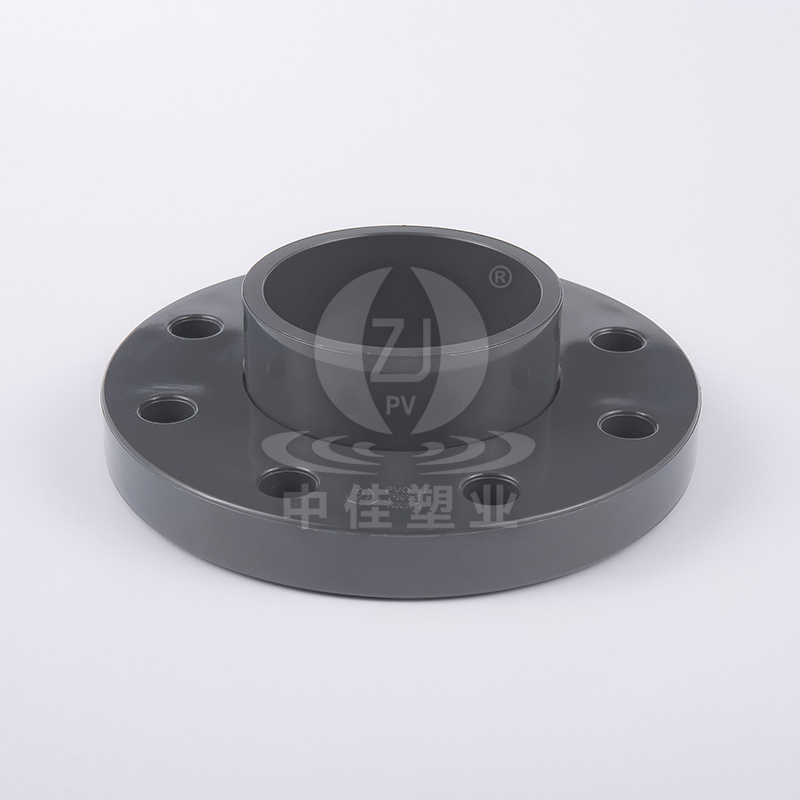
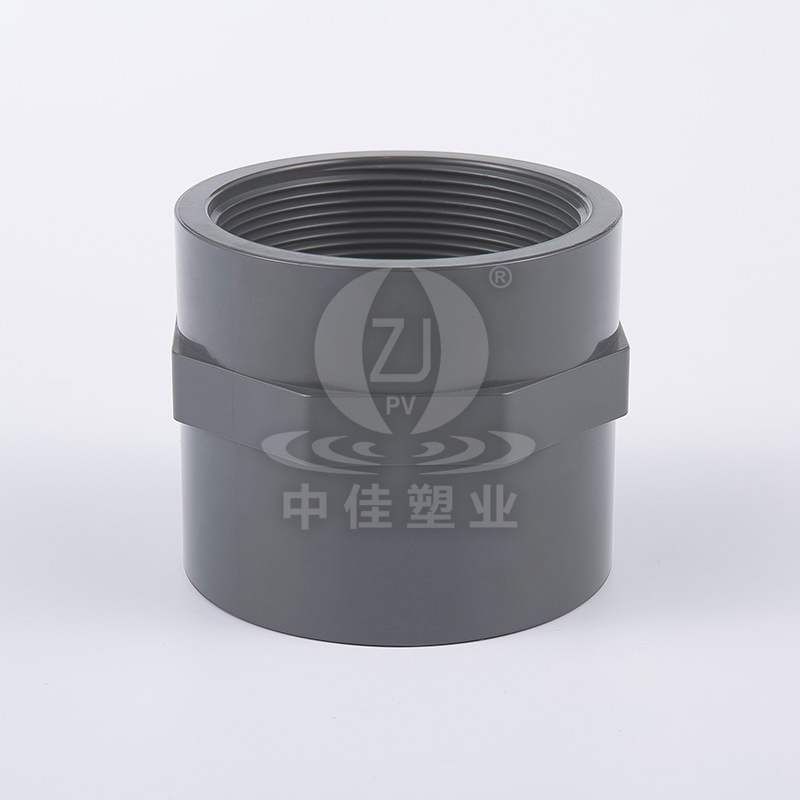
Most UPVC 45° elbows use solvent cement (socket) connections, where the pipe is inserted into the fitting and bonded using a chemical solvent that fuses the two surfaces together. Threaded and flanged versions are also available for applications requiring removable connections, such as maintenance-heavy industrial systems.
Proper installation of a UPVC 45° elbow directly affects the long-term reliability of the joint and the overall piping system. Following consistent installation practices helps prevent leaks, joint failure, and premature wear.
UPVC elbows generally require minimal maintenance due to the material's resistance to corrosion and chemical degradation. However, periodic inspection is still recommended, particularly at joints, where solvent-welded connections can occasionally develop leaks due to poor initial bonding or ground movement in buried installations.
If a leak develops at a 45° elbow joint, the most reliable repair method is typically to cut out the affected section and replace it with a new fitting and pipe segment, rather than attempting to patch a solvent-welded joint. For systems carrying solids, periodic flushing can help prevent buildup near elbow joints, even though the gentler 45-degree angle already reduces the likelihood of blockages compared to sharper turns.
Selecting between a 45° and 90° UPVC elbow ultimately depends on the specific flow requirements, available installation space, and the nature of the material being transported through the pipe. For systems prioritizing smooth flow and reduced clogging risk, such as drainage and sewage lines, the 45° elbow is often the more practical choice. Consulting local plumbing codes and manufacturer specifications during the design phase helps ensure the selected fitting matches both the technical and regulatory requirements of the installation.

Follow us
PVC-U
PVC-U Pipes PVC-U Fittings for Industry PVC-U Fittings for Water Supply PVC-U Pipes ASTM D1785 PVC-U Fittings ASTM SCH80
Copyright © Changzhou Zhongjia Plastic Industry Co., Ltd.All rights reserved.
 UPVC/CPVC Pipes Manufacturers


Copyright @ Changzhou Zhongjia Plastic Industry Co., Ltd.All Rights Reserved.



 عربى
عربى  中文简体
中文简体  Español