Content
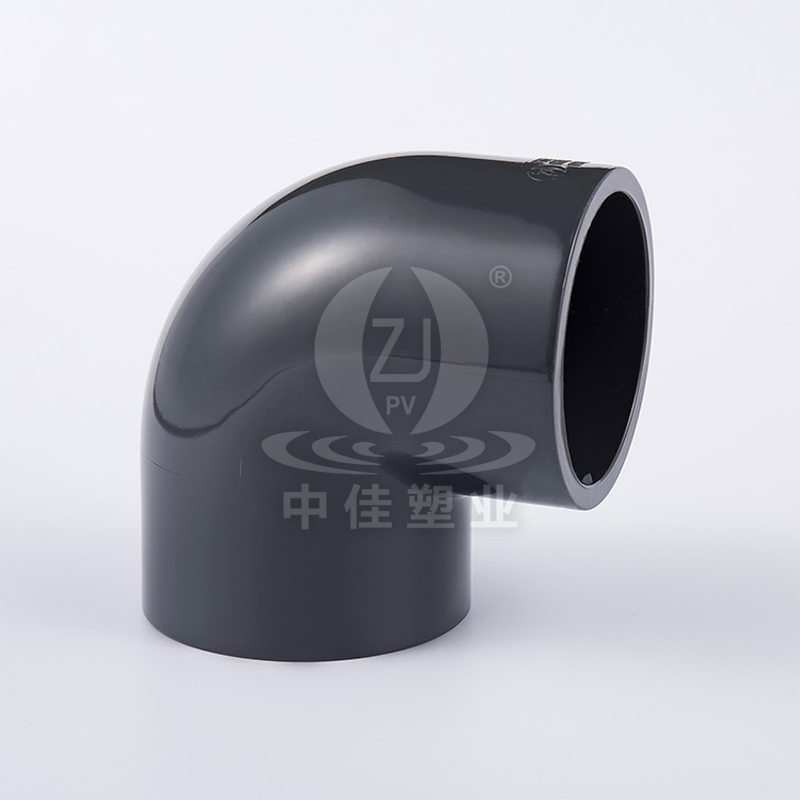
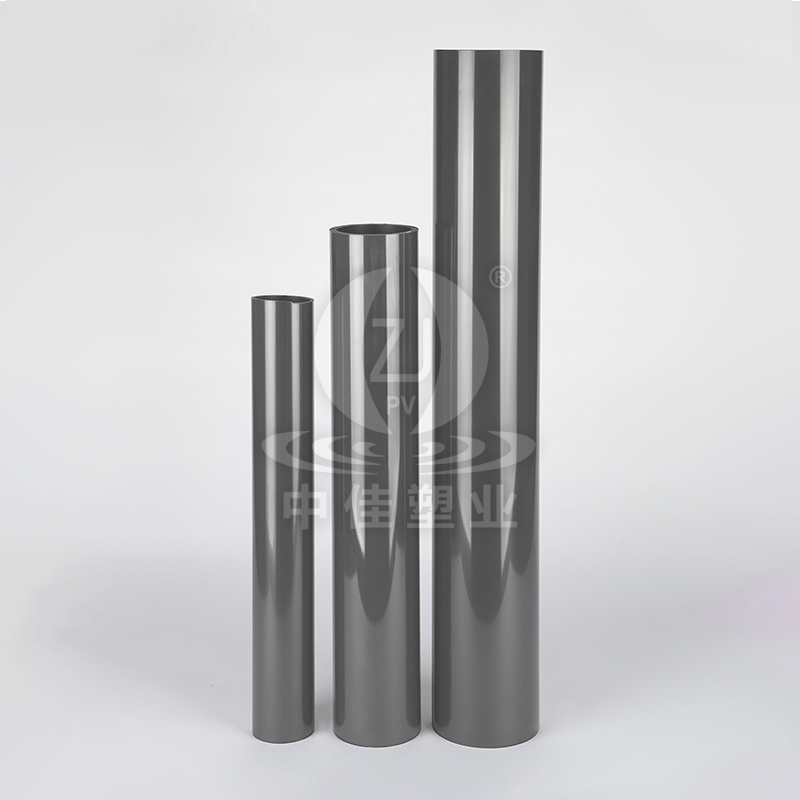
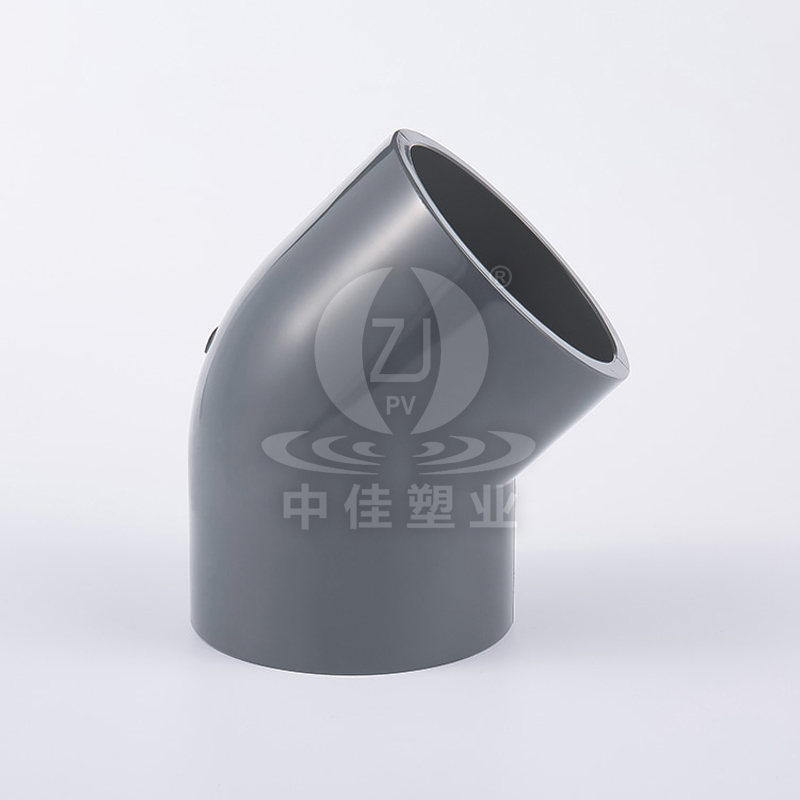
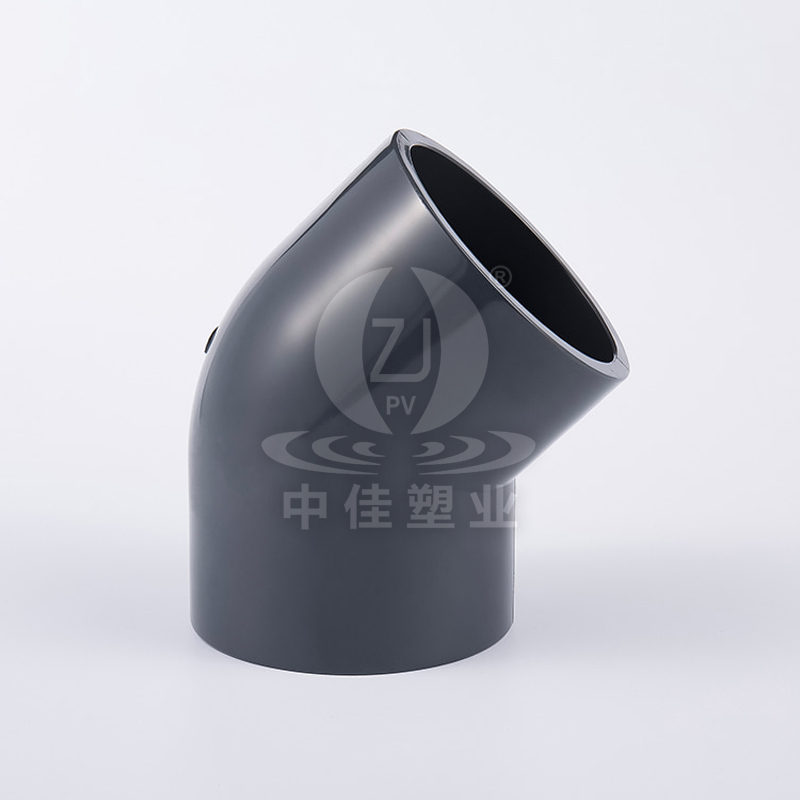
A PVC-U 45° elbow is a pipe fitting manufactured from unplasticized polyvinyl chloride that redirects fluid flow through a 45-degree angle change in direction within a piping system. The "U" in PVC-U denotes the absence of plasticizers in the polymer formulation, which distinguishes it from flexible PVC (PVC-P). This rigid, unplasticized composition gives PVC-U fittings their characteristic hardness, dimensional stability, chemical resistance, and pressure-bearing capability — properties that make them suitable for pressurized cold water supply systems, drainage and waste water systems, irrigation networks, industrial chemical pipelines, and a wide range of infrastructure applications.
The 45° geometry of this elbow is its defining functional characteristic. Unlike a 90° elbow that makes a sharp right-angle turn, the 45° elbow introduces a gentler directional change that significantly reduces turbulence, pressure drop, and flow velocity changes at the fitting. This makes it the preferred choice in systems where hydraulic efficiency is important — particularly in long runs, high-flow-rate applications, and systems where minimizing energy loss across the pipe network is a design priority. Understanding when and how to correctly specify, install, and maintain PVC-U 45° elbows is essential for engineers, plumbers, and procurement specialists working across water supply, drainage, and industrial piping projects.
The performance of a PVC-U 45° elbow in service is directly determined by the material properties of the unplasticized PVC compound from which it is manufactured. These properties govern the fitting's mechanical strength, chemical compatibility, temperature limits, and long-term durability under operating conditions.
PVC-U has a tensile strength typically ranging from 50 to 60 MPa and a modulus of elasticity around 3000 MPa, giving it excellent rigidity and resistance to deformation under sustained internal pressure. Its density of approximately 1.38–1.40 g/cm³ makes it significantly lighter than metal fittings, reducing installation labor and structural support requirements. The material's inherent resistance to a broad spectrum of acids, alkalis, salts, and aqueous solutions makes PVC-U fittings suitable for chemical dosing lines, water treatment facilities, and industrial effluent systems where metal fittings would corrode rapidly. However, PVC-U is not resistant to aromatic hydrocarbons, chlorinated solvents, ketones, or esters — these substances cause swelling, softening, or chemical attack that can lead to fitting failure.
The maximum continuous service temperature for PVC-U piping systems is generally limited to 60°C, with short-term peaks allowable up to approximately 65°C. Above this range, PVC-U softens and loses its pressure-bearing capacity. This thermal limitation means PVC-U 45° elbows are not suitable for hot water supply, steam, or high-temperature process piping — applications where CPVC (chlorinated PVC), PP-R, or metal fittings must be specified instead.

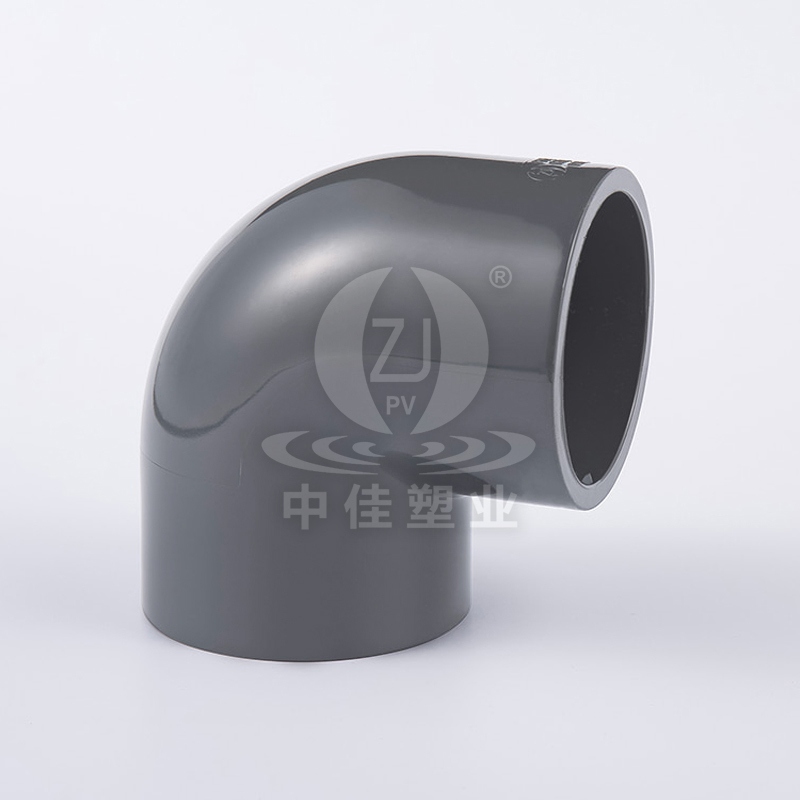
The choice between a 45° and a 90° elbow is not purely geometric — it has measurable hydraulic consequences that affect system efficiency, pump sizing, and long-term energy costs. Both fittings introduce resistance to flow, quantified as an equivalent pipe length or as a loss coefficient (K-factor), but the 45° elbow consistently generates lower pressure loss than its 90° counterpart of the same pipe diameter.
| Fitting Type | Typical K-Factor | Equivalent Pipe Length (DN50) | Best Use Case |
| PVC-U 45° Elbow | 0.2 – 0.4 | ~0.6m | High-flow systems, long runs, irrigation |
| PVC-U 90° Standard Elbow | 0.75 – 1.5 | ~1.8m | Space-constrained routing, low-flow drainage |
| PVC-U 90° Long Radius Elbow | 0.4 – 0.6 | ~1.1m | Moderate flow, where 45° geometry is unsuitable |
| Two 45° Elbows (replacing 90°) | 0.4 – 0.8 | ~1.2m | Offset routing with intermediate straight section |
In practical system design, substituting 45° elbows for 90° elbows wherever the pipeline routing permits can meaningfully reduce the total equivalent pipe length of the system — lowering head loss, reducing pump duty requirements, and improving flow distribution uniformity in branched networks. This is particularly relevant in irrigation mainlines, industrial cooling water circuits, and large-diameter water supply mains where the cumulative effect of multiple fittings on system hydraulics is significant.
PVC-U 45° elbows are available in several jointing configurations, each suited to different installation conditions, system requirements, and maintenance considerations. Selecting the correct joint type is as important as selecting the correct fitting material and pressure rating.
Solvent cement jointing is the most widely used method for PVC-U pressure fittings in diameters up to 315mm. The fitting socket and pipe spigot are cleaned, primed, and coated with a solvent cement that chemically softens and fuses the two PVC-U surfaces into a single homogeneous joint as the solvent evaporates. A correctly made solvent cement joint achieves pressure strength equal to or exceeding the pipe wall itself, with no gasket, clamp, or mechanical component that could degrade over time. Solvent cement joints are permanent — disassembly requires cutting — making them ideal for buried or concealed installations where long-term integrity is paramount. Cure time before pressurization must be observed strictly according to the cement manufacturer's instructions, typically ranging from 15 minutes for small-diameter joints in warm conditions to 24 hours or more for large diameters in cold weather.
Rubber ring or elastomeric seal joints are used predominantly in PVC-U drainage, sewerage, and low-pressure systems. The fitting socket contains a pre-installed rubber ring gasket, and the pipe is simply pushed into the socket until it reaches the stop mark — no adhesive, heat, or tools are required. This jointing method allows for axial movement and slight angular deflection at each joint, which is valuable in buried drainage systems subject to ground settlement or thermal movement. Push-fit joints are also faster to install than solvent cement joints and allow disassembly for maintenance. However, they are not suitable for high-pressure applications, as the rubber ring provides a mechanical seal rather than a fused structural bond.
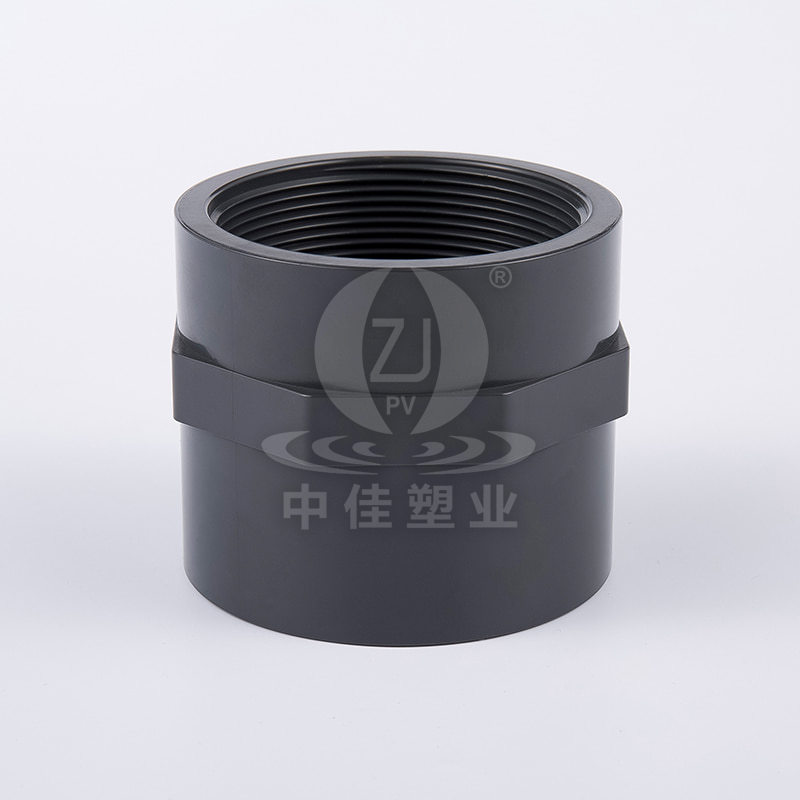
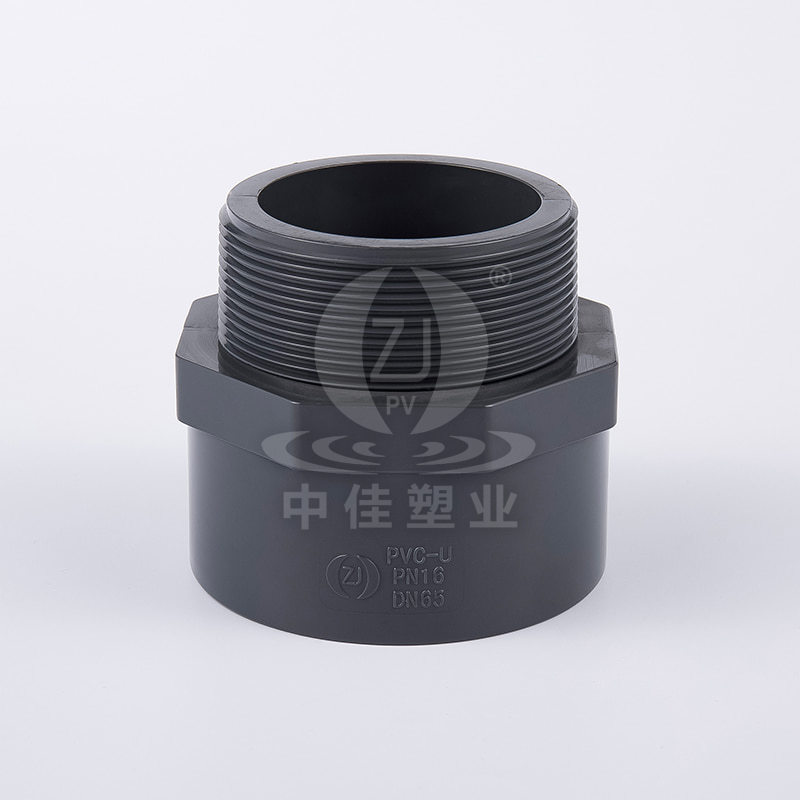
Some PVC-U 45° elbows are manufactured with male or female threaded ends conforming to BSP (British Standard Pipe) or NPT (National Pipe Taper) standards. Threaded fittings allow connection to metal pipework, valves, pumps, and equipment with standard threaded ports, and can be disassembled for maintenance. PTFE thread tape or suitable thread sealant must be applied during installation to ensure a leak-free joint. Care must be taken not to overtighten threaded PVC-U fittings, as the material's relatively low shear strength makes threads susceptible to cracking if excessive torque is applied.
PVC-U 45° elbows are manufactured and tested to a range of international and national standards that specify dimensional requirements, material quality, pressure ratings, and test methods. Specifying fittings that conform to recognized standards ensures compatibility with pipes of the same standard and provides assurance of consistent quality and performance.
Standard size ranges for PVC-U 45° elbows typically span from DN 15 (½ inch) up to DN 315 in pressure fitting configurations, with larger diameters available for drainage and industrial applications. The pressure rating of a fitting decreases as diameter increases for the same wall thickness class — a DN 315 PN10 fitting operates at a lower absolute pressure than a DN 25 PN16 fitting, reflecting the effect of diameter on hoop stress in the fitting wall. Always verify the pressure rating of the specific fitting size being specified, not just the nominal class designation.
Correct installation is as critical as correct specification in ensuring the long-term performance of PVC-U 45° elbows. Even high-quality fittings will fail prematurely if installed incorrectly, with joint leakage, fitting cracking, or premature degradation resulting from avoidable installation errors.
With a wide range of sizes, pressure ratings, jointing methods, and standards available, selecting the correct PVC-U 45° elbow requires a systematic approach that considers the full set of system requirements rather than defaulting to the most commonly available option.
Begin by confirming the pipe standard and series already specified for the project — the fitting must match the pipe's outside diameter and wall thickness series to ensure correct socket fit and joint integrity. A fitting dimensioned to ISO 1452 metric OD will not correctly accept pipe manufactured to ASTM Schedule 40 imperial OD, even if the nominal sizes appear similar. Next, confirm the operating pressure and temperature conditions, including any surge or water hammer pressures that may occur during valve operation or pump startup, and select a pressure rating with an adequate safety margin above the peak operating pressure.
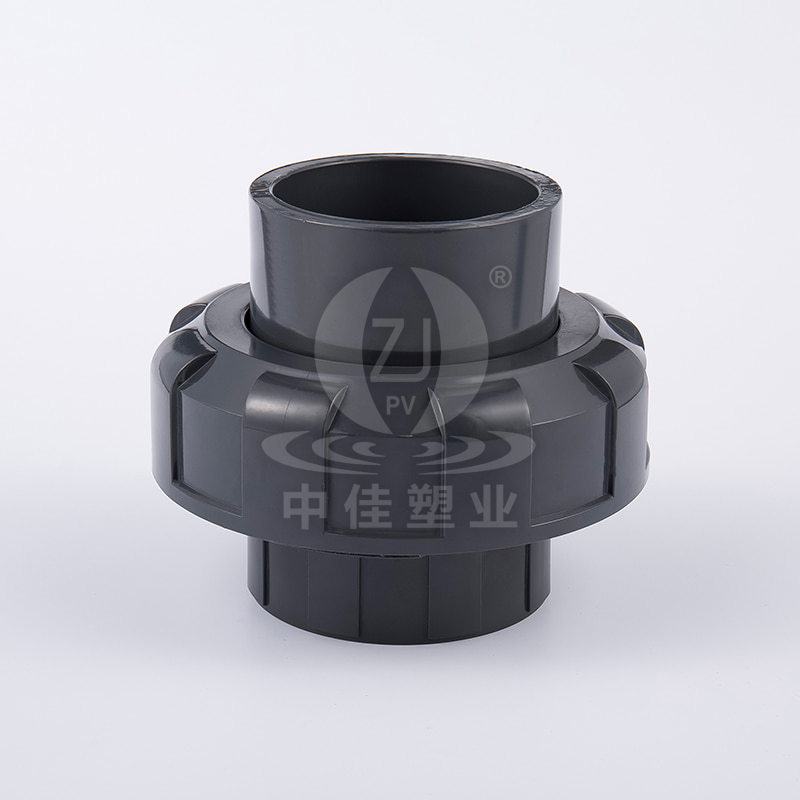
For chemical service applications, verify the chemical resistance of PVC-U against the specific fluid being conveyed — manufacturer chemical resistance charts provide guidance, but when handling mixtures or unusual process fluids, consult the fitting manufacturer directly. Finally, consider the installation environment: buried systems benefit from solvent cement joints for permanent integrity, while above-ground systems in maintenance-intensive locations may benefit from flanged or union connections at regular intervals to facilitate future disassembly and inspection without cutting out cemented fittings.

Follow us
PVC-U
PVC-U Pipes PVC-U Fittings for Industry PVC-U Fittings for Water Supply PVC-U Pipes ASTM D1785 PVC-U Fittings ASTM SCH80
Copyright © Changzhou Zhongjia Plastic Industry Co., Ltd.All rights reserved.
 UPVC/CPVC Pipes Manufacturers


Copyright @ Changzhou Zhongjia Plastic Industry Co., Ltd.All Rights Reserved.



 عربى
عربى  中文简体
中文简体  Español