Content
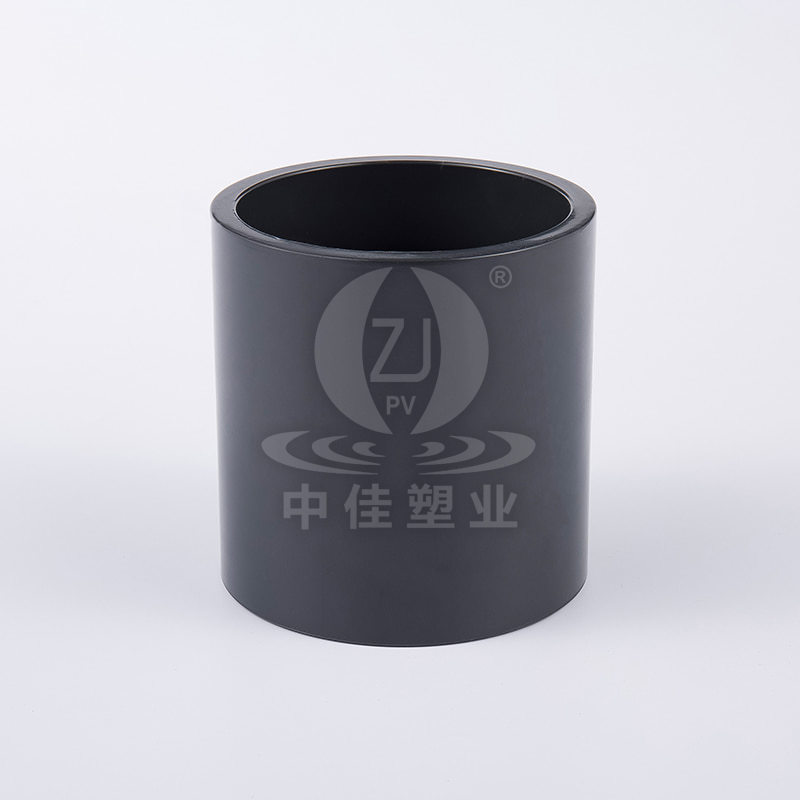
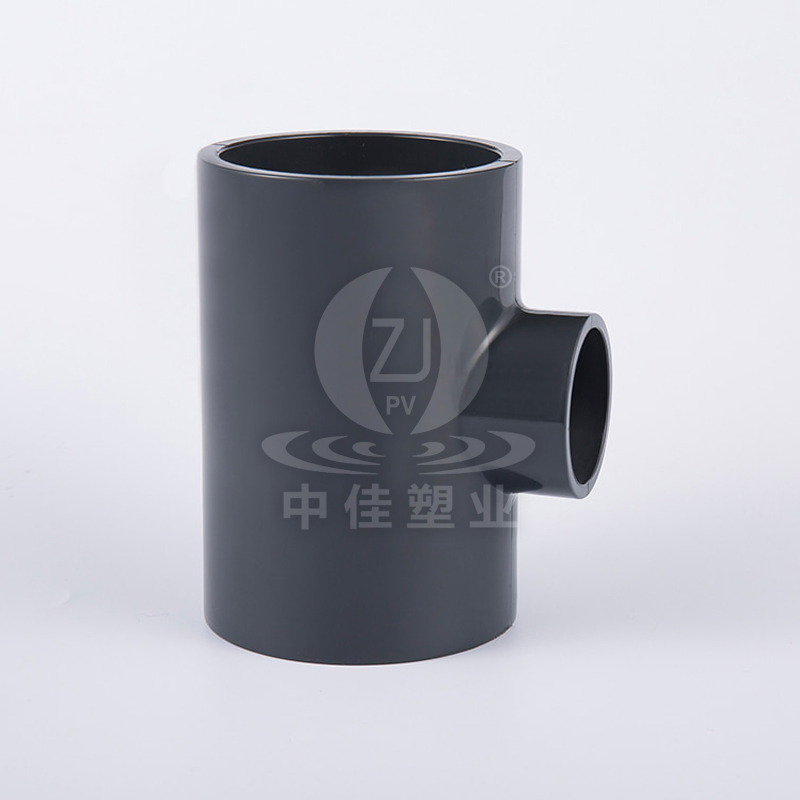
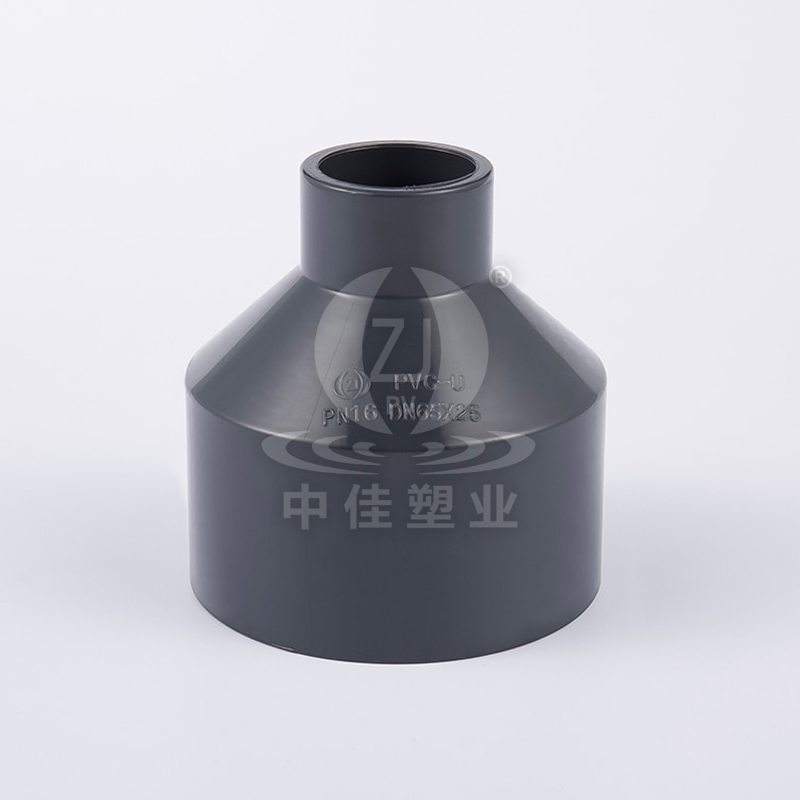
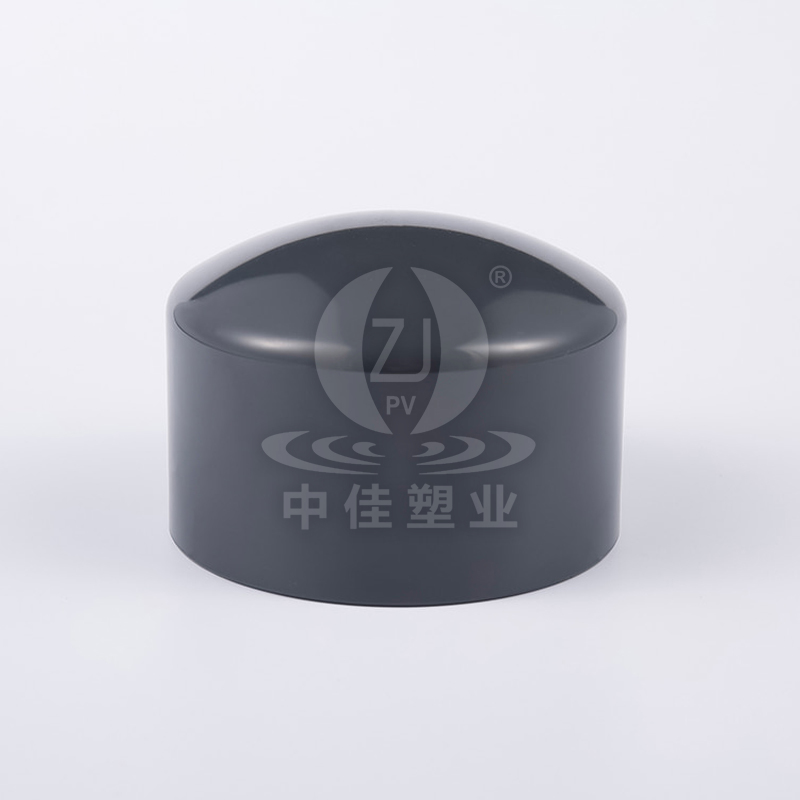
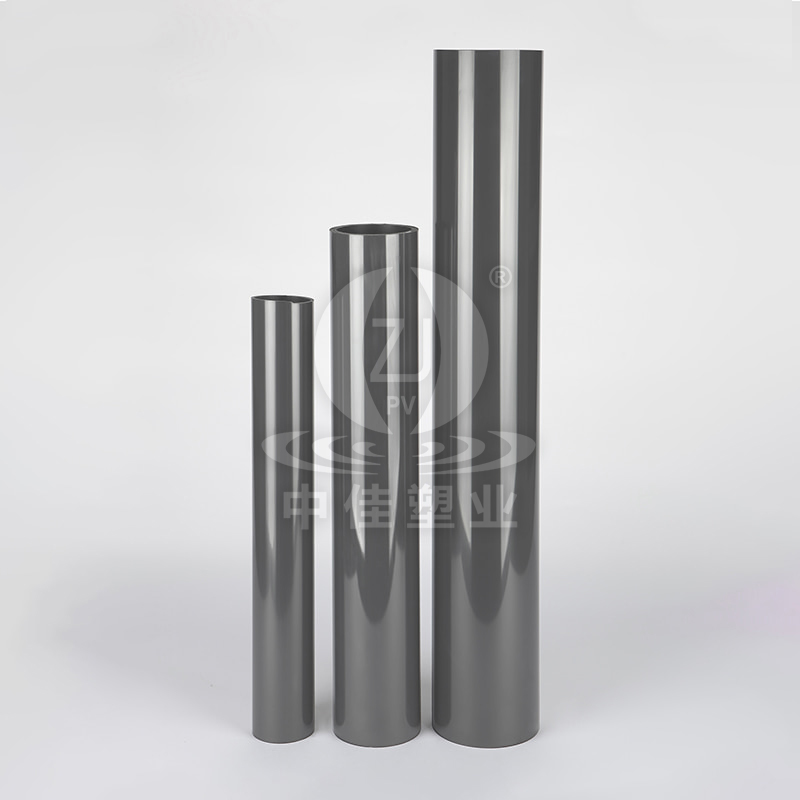
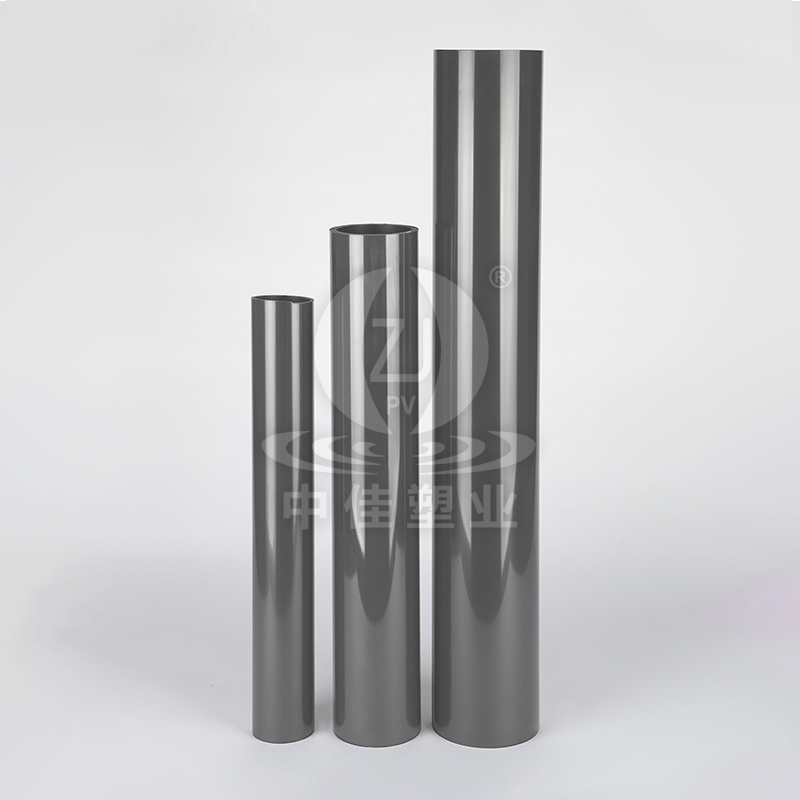
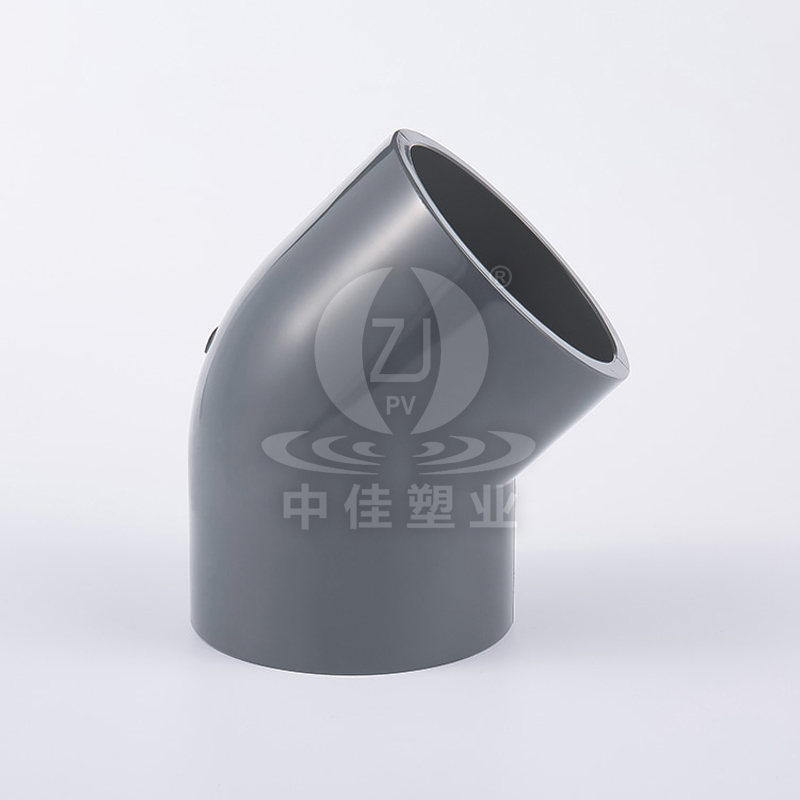
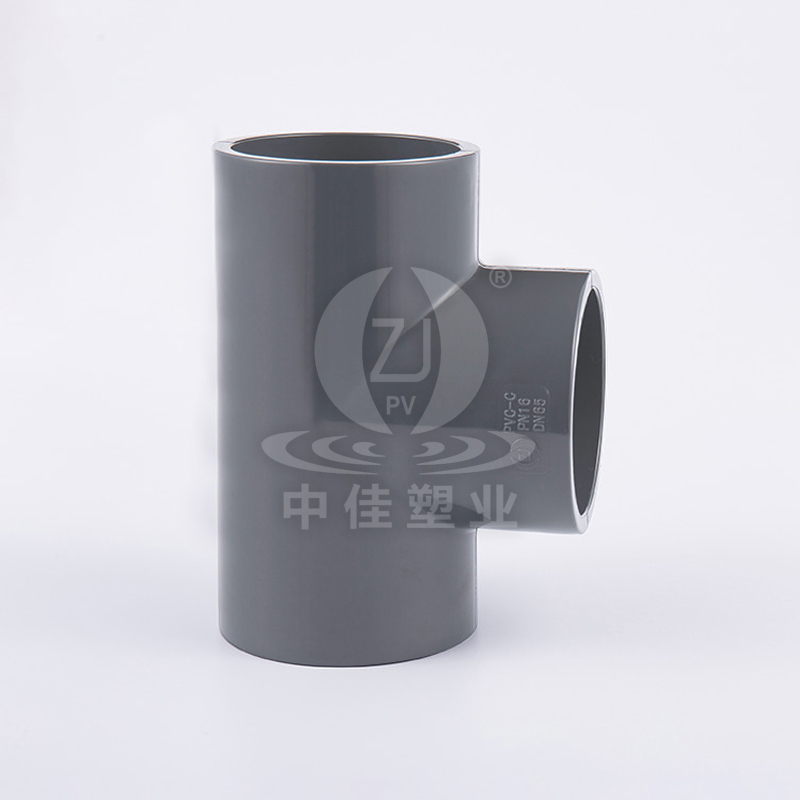
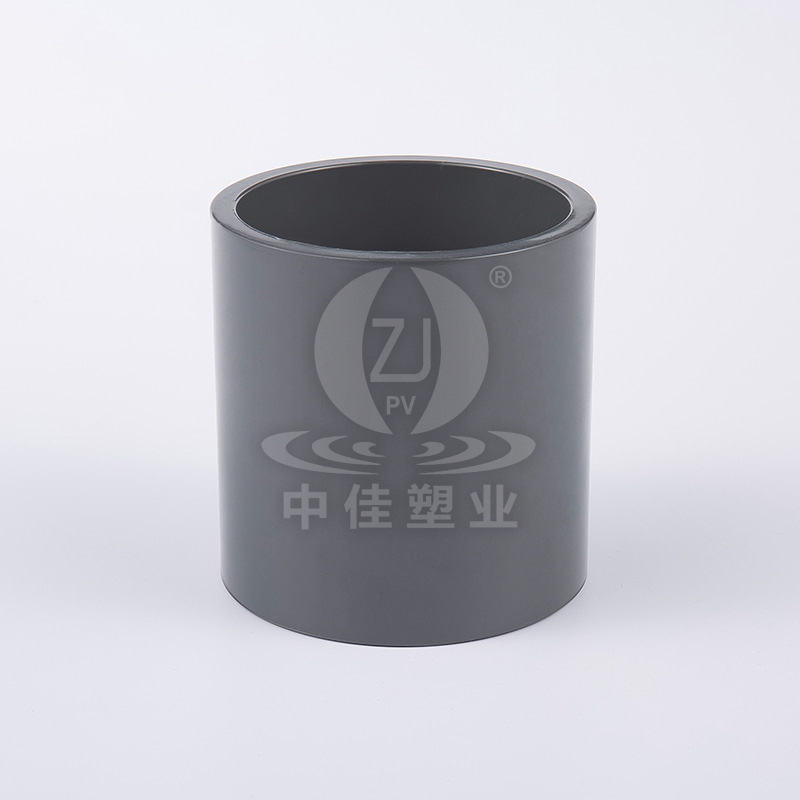
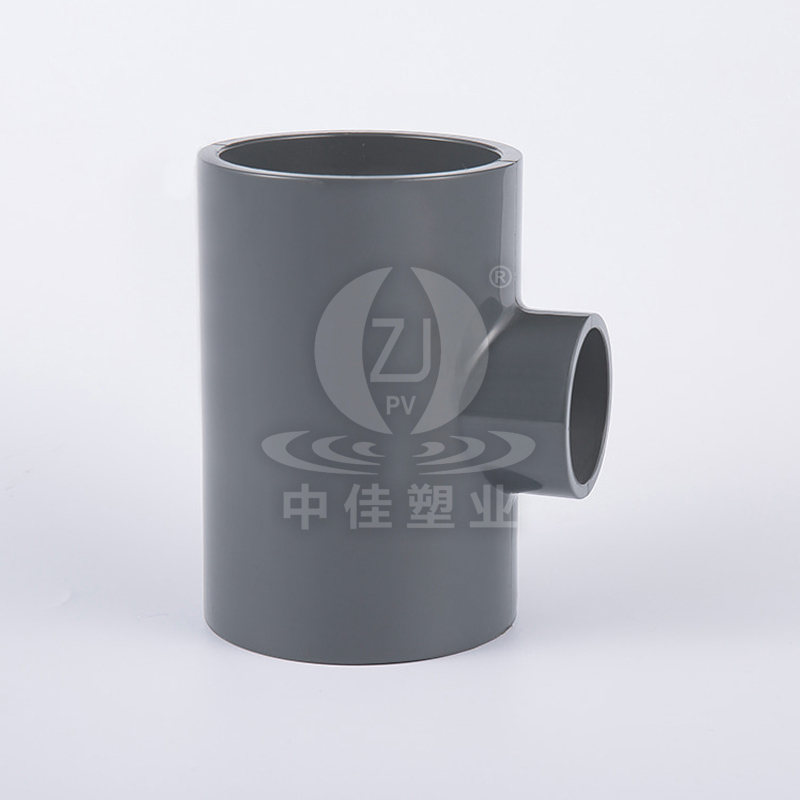
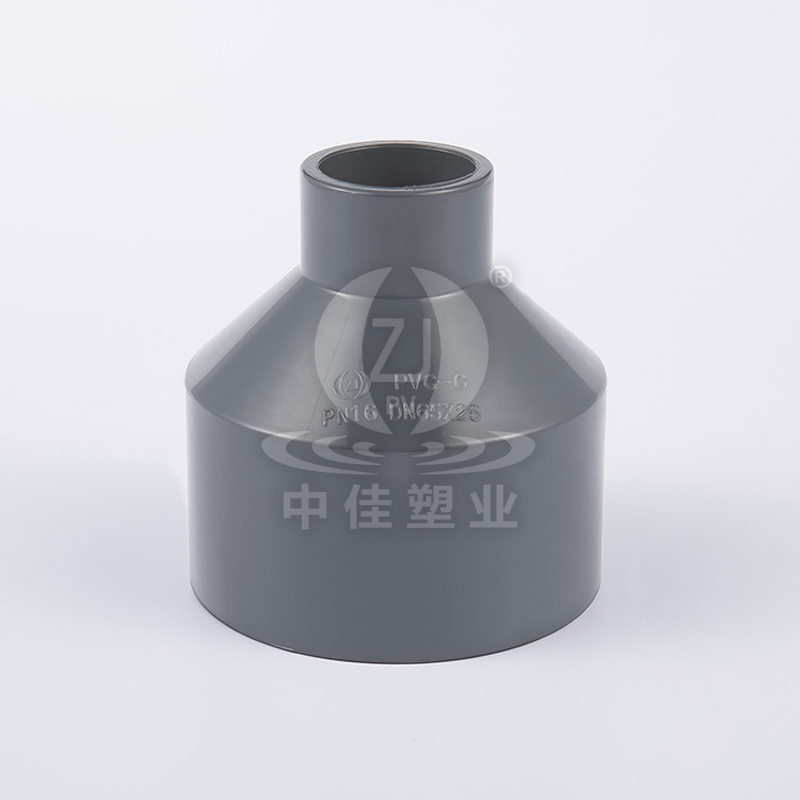
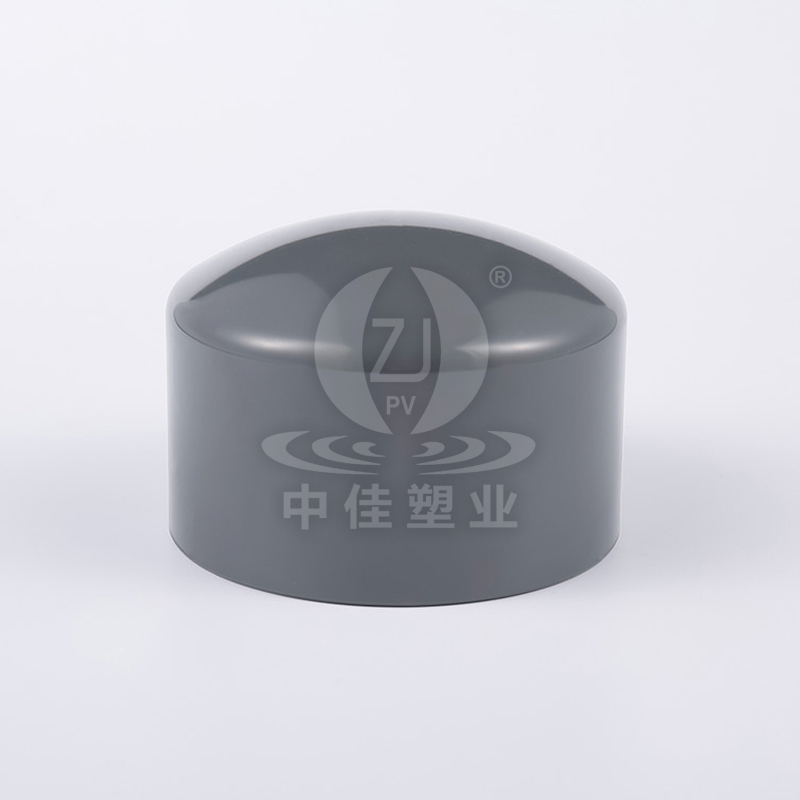
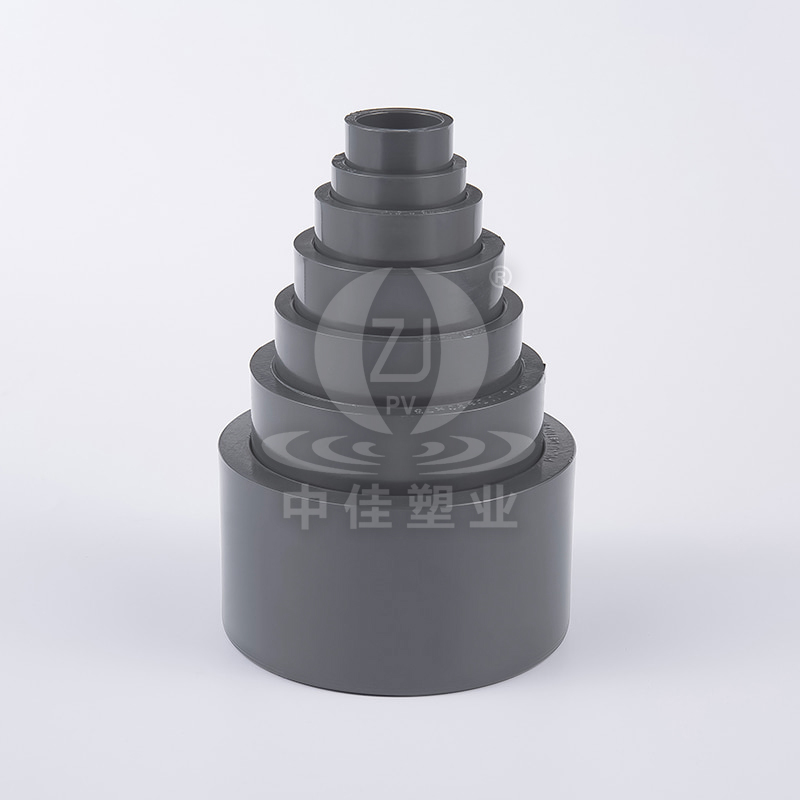
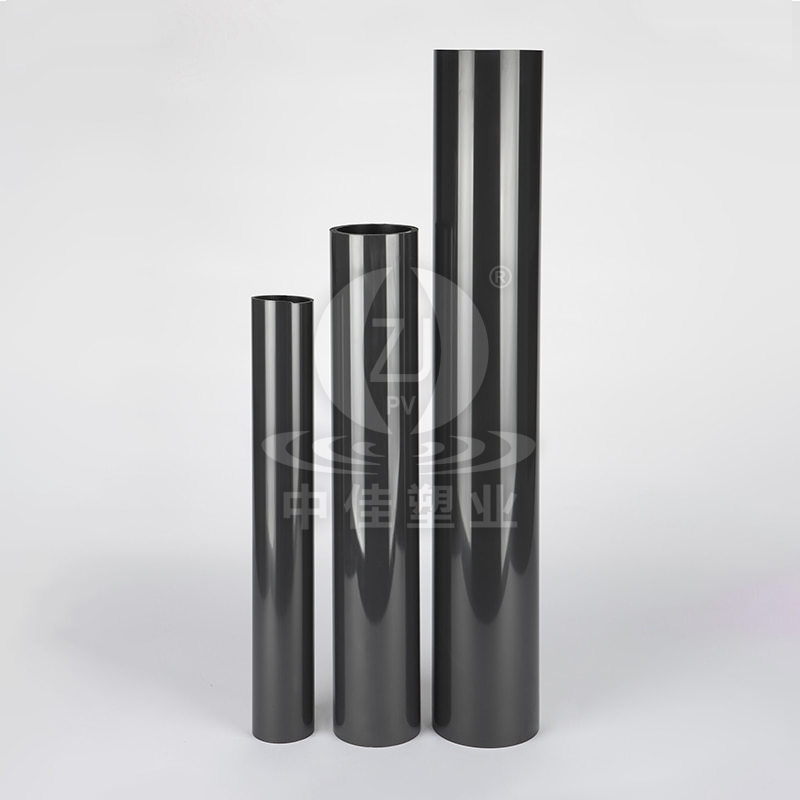
Industrial PVC-U pipes are rigid thermoplastic pipes manufactured from unplasticized polyvinyl chloride, a form of PVC that contains no plasticizing additives. The absence of plasticizers is what distinguishes PVC-U from flexible PVC materials and gives it the dimensional stability, chemical resistance, and mechanical rigidity required for demanding industrial piping applications. PVC-U compound is produced by blending PVC resin with heat stabilizers, impact modifiers, processing aids, pigments, and fillers in precisely controlled formulations that determine the final properties of the pipe. The compound is then processed through twin-screw extruders that melt, homogenize, and force the material through a pipe die to form a continuous tube, which is then sized, cooled in a calibration bath, cut to length, and inspected before dispatch.
The extrusion process parameters — melt temperature, screw speed, die geometry, and cooling rate — are carefully controlled to ensure consistent wall thickness, roundness, and internal surface quality throughout each pipe length. Modern industrial PVC-U pipe extrusion lines incorporate inline wall thickness measurement using ultrasonic gauges, automatic diameter control systems, and statistical process control software that continuously monitor dimensional parameters and alert operators to deviations before they result in out-of-specification product. The result is a pipe with tightly controlled dimensions, a smooth internal bore that minimizes flow resistance, and consistent mechanical and chemical resistance properties that allow engineers to design piping systems with confidence in the material's long-term performance.
The performance of industrial PVC-U pipes in service is governed by a set of physical and mechanical properties that are inherent to the unplasticized PVC material and the pipe manufacturing process. These properties must be understood and evaluated against the demands of the intended application before PVC-U is selected as the pipe material of choice.
One of the most compelling reasons for specifying PVC-U in industrial piping applications is its broad resistance to a wide range of corrosive chemicals. PVC-U is resistant to most inorganic acids including hydrochloric acid, sulfuric acid, phosphoric acid, and nitric acid at moderate concentrations, as well as to alkalis, salts, oxidizing agents, and many organic compounds. This resistance makes it suitable for transporting process chemicals, acid effluents, saline solutions, and industrial wastewater streams that would rapidly corrode carbon steel or even stainless steel piping systems.
However, PVC-U is not universally chemical resistant, and its limitations must be carefully checked before specification. It is attacked by concentrated sulfuric acid above approximately 70% concentration, by aromatic hydrocarbons such as benzene, toluene, and xylene, by chlorinated solvents including methylene chloride and trichloroethylene, and by ketones such as acetone and MEK. Esters, ethers, and some polar organic solvents can also cause swelling or softening of PVC-U. For any application involving chemicals outside the standard resistance profile, the specific chemical resistance of the PVC-U grade being considered should be verified against a comprehensive chemical resistance table provided by the pipe manufacturer, taking into account the concentration, temperature, and contact time of the chemical in service.
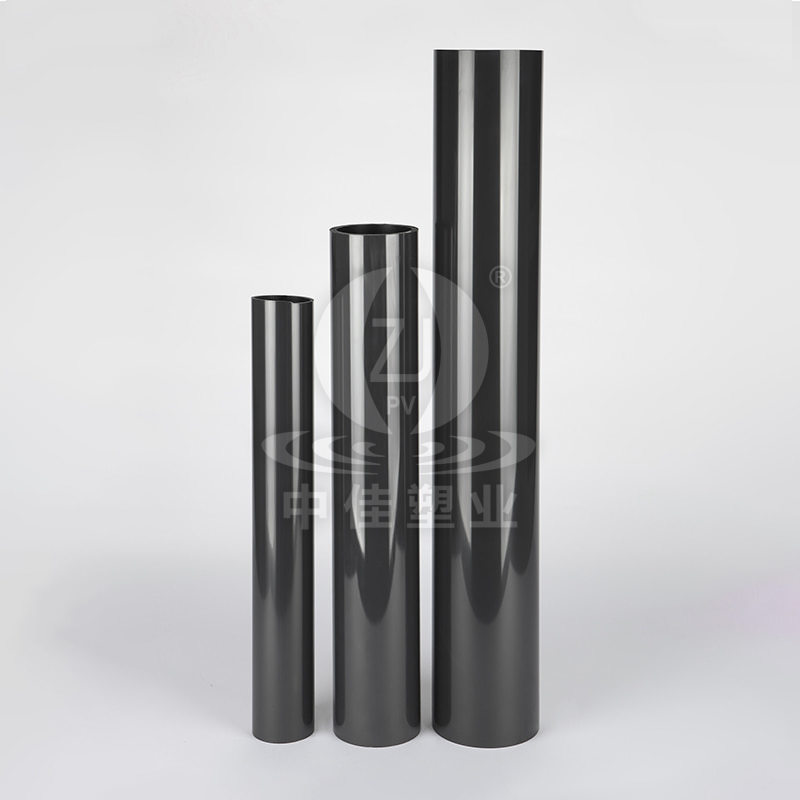
Industrial PVC-U pipes are classified by their pressure rating, which defines the maximum allowable operating pressure of water at 20°C that the pipe can sustain continuously without failure. Pressure ratings are determined by the pipe's outside diameter, wall thickness, and the long-term hydrostatic strength of the PVC-U material. The relationship between these parameters is expressed by the Standard Dimension Ratio (SDR), which is the ratio of the pipe's outside diameter to its wall thickness. Lower SDR values indicate thicker walls and higher pressure ratings for a given pipe diameter.
The table below summarizes the most common SDR classes used in industrial PVC-U pipe systems and their corresponding nominal pressure ratings at 20°C:
| SDR Class | Nominal Pressure (PN) at 20°C: | Typical Application |
| SDR 51 | PN 4 (4 bar) | Low-pressure gravity drainage |
| SDR 34 | PN 6 (6 bar) | Water supply, irrigation mains |
| SDR 21 | PN 10 (10 bar) | Industrial process piping |
| SDR 17 | PN 12.5 (12.5 bar) | Chemical dosing, higher-pressure process |
| SDR 13.6 | PN 16 (16 bar) | High-pressure industrial systems |
It is important to note that the pressure rating of PVC-U pipe decreases significantly as fluid temperature increases above 20°C. At 40°C, the allowable pressure is typically reduced to approximately 75% of the 20°C rating, and at 60°C it falls to approximately 50%. These derating factors must be applied when designing systems carrying hot process fluids or operating in high ambient temperature environments to ensure that the selected pipe wall thickness provides adequate safety margin at the actual service temperature.
Industrial PVC-U pipes are manufactured and supplied to a range of national and international product standards that govern chemical composition, mechanical properties, dimensional tolerances, pressure testing, and marking requirements. Compliance with the applicable standard is essential for ensuring that the pipe performs as designed and meets the requirements of project specifications, insurance policies, and regulatory frameworks. The most widely referenced standards include the following:
The combination of chemical resistance, pressure capability, hydraulic performance, low weight, and competitive cost makes industrial PVC-U pipe suitable for a remarkably broad range of process and infrastructure applications across multiple industries.
Chemical plants use PVC-U piping extensively for transporting dilute acids, alkalis, salt solutions, and aqueous process streams between reactors, storage tanks, scrubbers, and treatment units. The material's resistance to corrosion by these media eliminates the need for expensive lined steel or stainless steel piping in many service conditions, and its smooth bore minimizes the risk of product contamination from pipe corrosion products. PVC-U is particularly prevalent in chlor-alkali plants, fertilizer production facilities, electroplating shops, and acid storage and distribution systems where the aggressive nature of the process chemicals would rapidly destroy metallic alternatives.
PVC-U is one of the dominant pipe materials for potable water distribution mains, industrial water supply systems, and water treatment plant process piping worldwide. Its inertness to water, freedom from the corrosion and tuberculation problems that afflict aging metallic water mains, and compliance with drinking water contact approval standards such as NSF/ANSI 61 make it a reliable long-term choice for water infrastructure. In water treatment plants, PVC-U is used for chemical dosing lines carrying coagulants, disinfectants, and pH-adjustment chemicals, as well as for filter backwash piping, sludge transfer lines, and treated water distribution headers.
Industrial effluent treatment systems generate a wide variety of corrosive wastewater streams that must be collected, conveyed, and treated before discharge. PVC-U piping handles acid effluent from metal finishing operations, caustic waste streams from food processing and cleaning operations, saline effluent from desalination and ion exchange regeneration, and general industrial wastewater containing dissolved salts, heavy metals, and organic compounds. The material's resistance to biological fouling also makes it well suited for long-term service in wastewater environments where organic growth on internal pipe surfaces would increase flow resistance and require periodic cleaning.
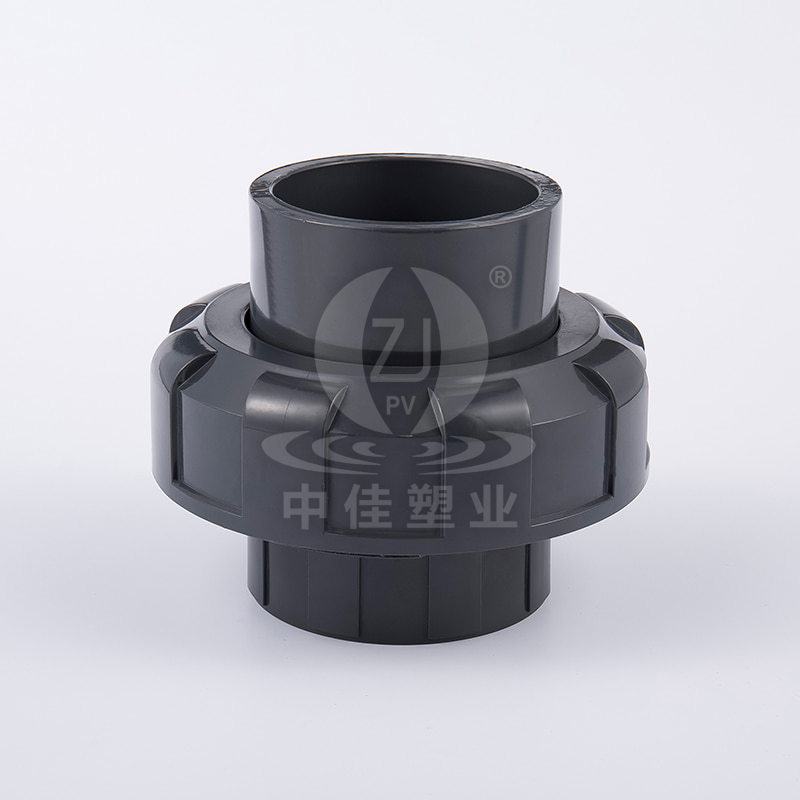
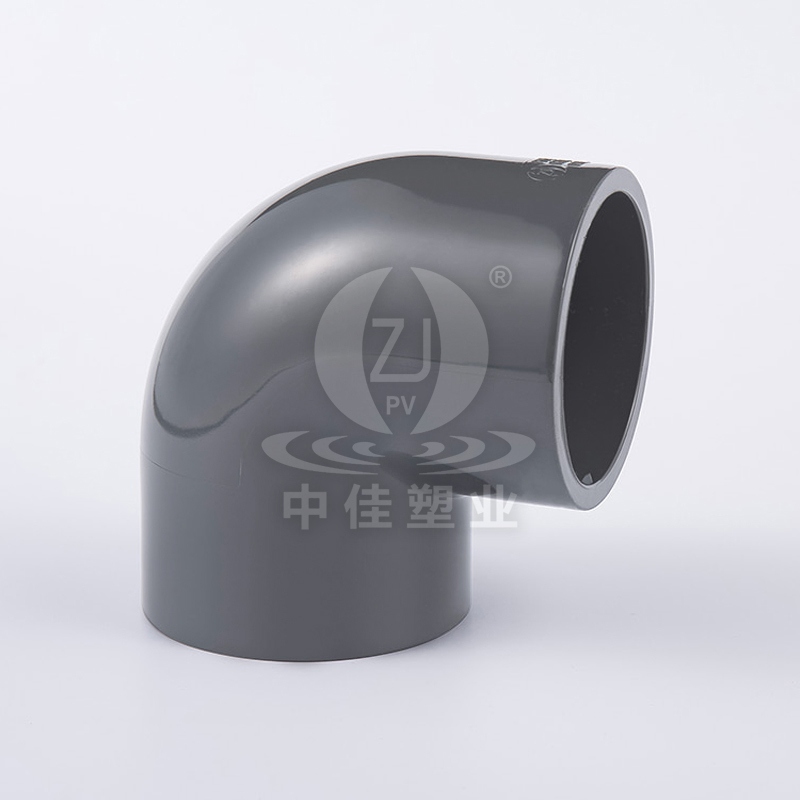
The choice of jointing method for industrial PVC-U pipe systems has significant implications for system integrity, installation speed, maintenance access, and long-term performance. The main jointing options available are solvent cement jointing, elastomeric seal (push-fit) jointing, threaded connections, and flanged connections.
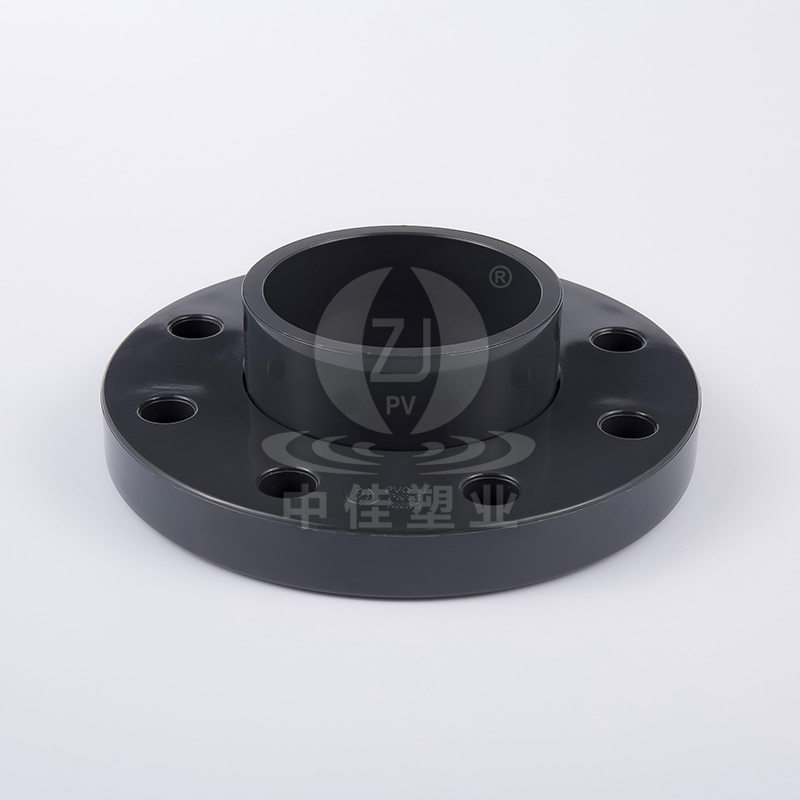
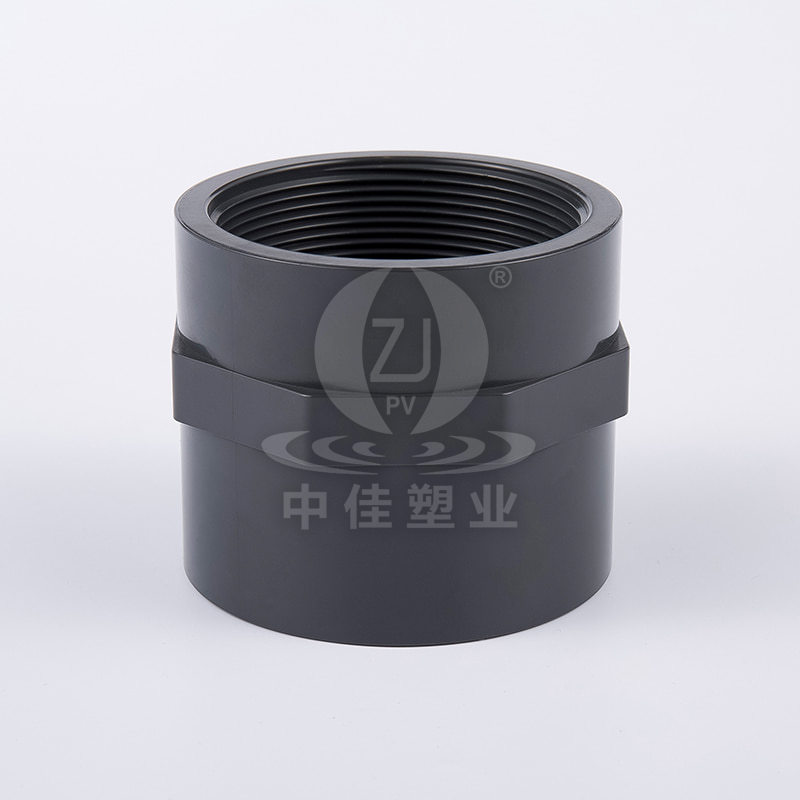
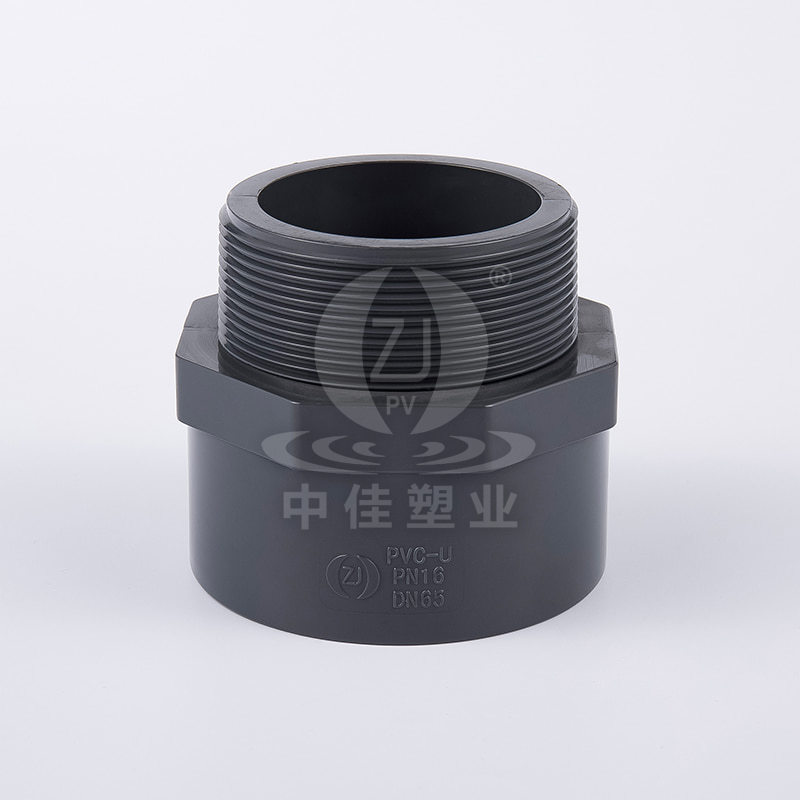
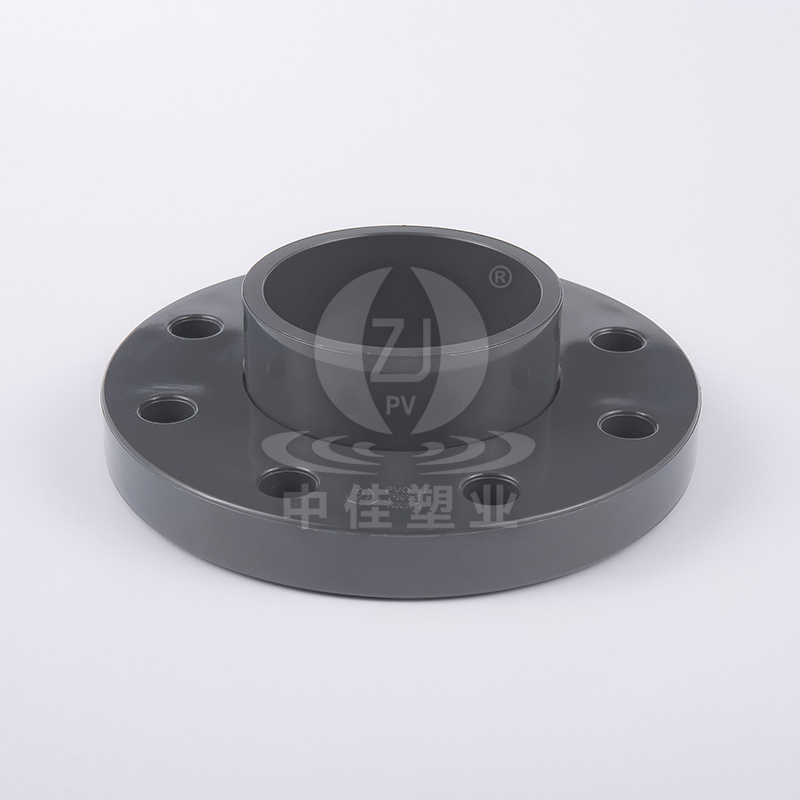
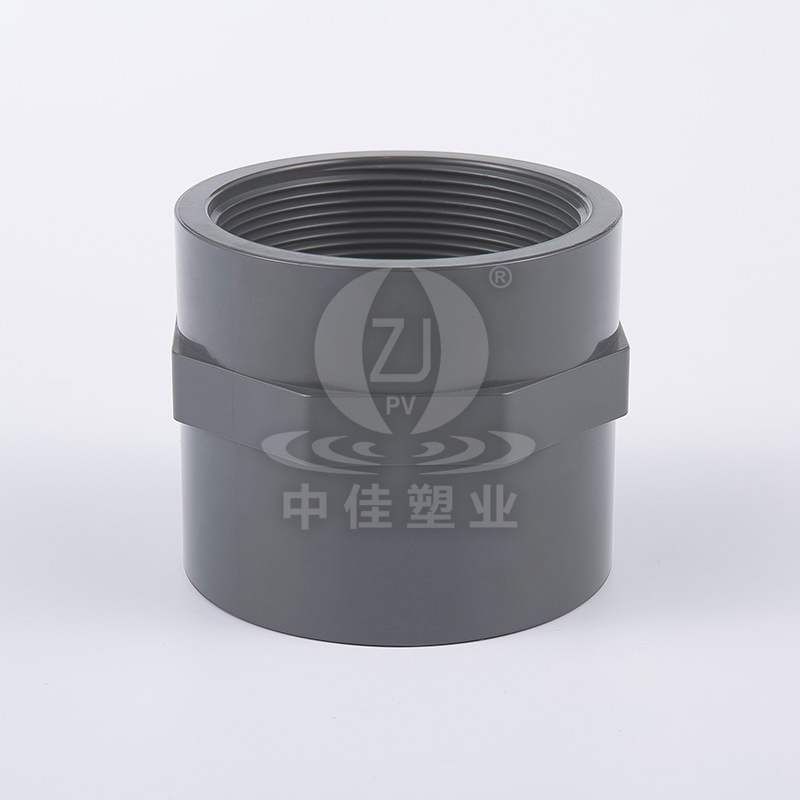
Solvent cement jointing — in which a solvent-based adhesive dissolves and fuses the pipe and fitting surfaces together to form a homogeneous joint — is the most common method for smaller diameter industrial PVC-U pipe systems up to approximately 160mm in diameter. The joint achieves full pipe pressure rating when properly made and is suitable for most industrial chemical service conditions, though the chemical resistance of the solvent cement itself must be verified for aggressive chemical applications. Elastomeric seal jointing using a rubber ring housed in the socket of the fitting or pipe spigot provides a flexible, leak-tight joint that accommodates minor angular deflection and thermal movement — an advantage in long buried pipeline runs and in systems subject to significant temperature variation. Flanged connections are used at equipment connections, valve stations, and wherever the system requires periodic disassembly for maintenance or inspection, using PVC-U stub flanges backed by steel backing rings to provide the bolt load distribution that PVC-U flanges alone cannot reliably sustain at full system pressure.

Follow us
PVC-U
PVC-U Pipes PVC-U Fittings for Industry PVC-U Fittings for Water Supply PVC-U Pipes ASTM D1785 PVC-U Fittings ASTM SCH80
Copyright © Changzhou Zhongjia Plastic Industry Co., Ltd.All rights reserved.
 UPVC/CPVC Pipes Manufacturers


Copyright @ Changzhou Zhongjia Plastic Industry Co., Ltd.All Rights Reserved.



 عربى
عربى  中文简体
中文简体  Español