Content
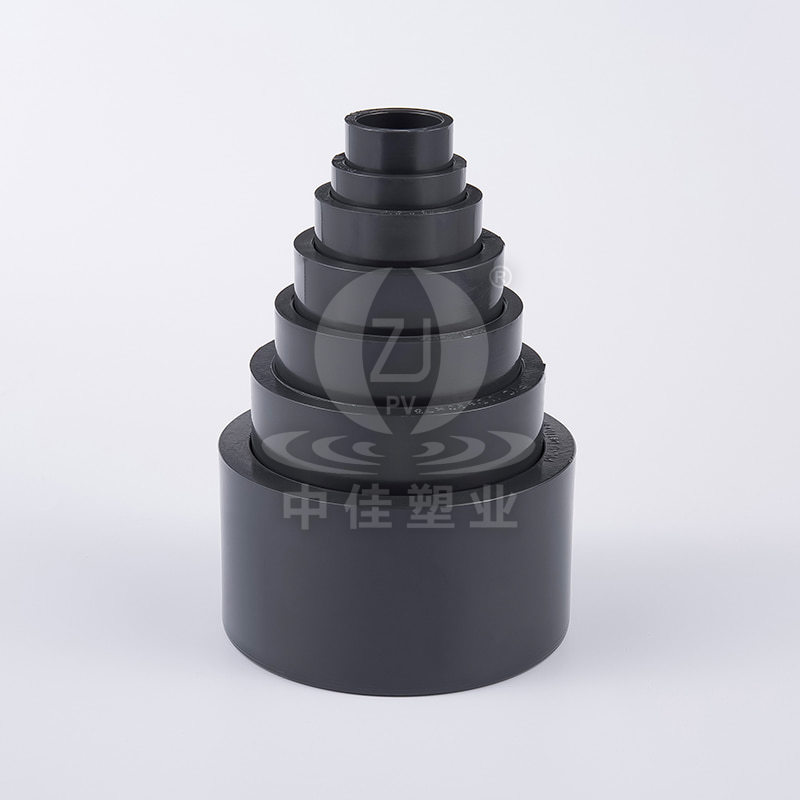
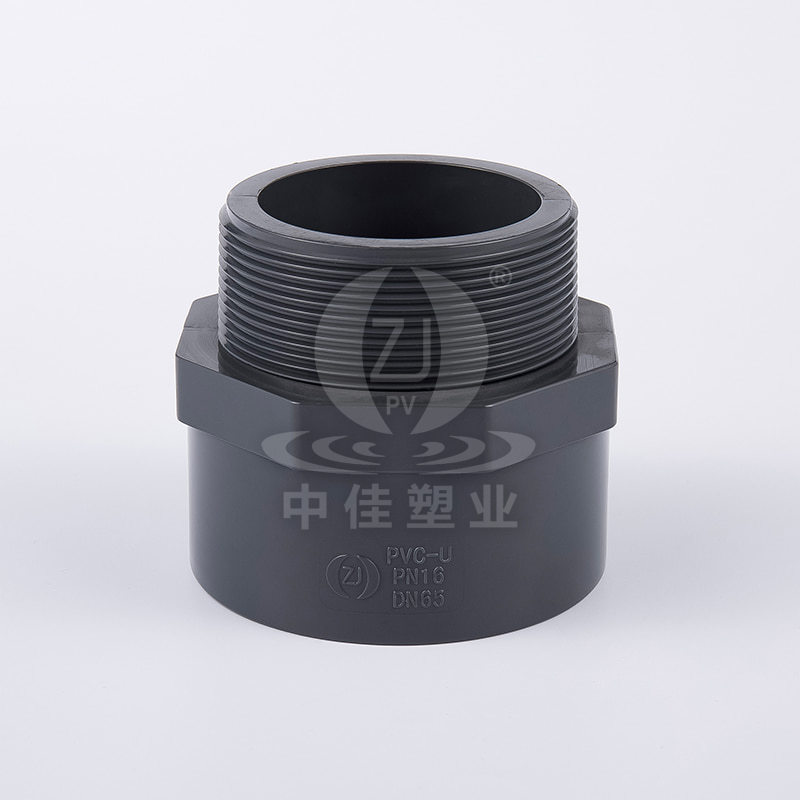
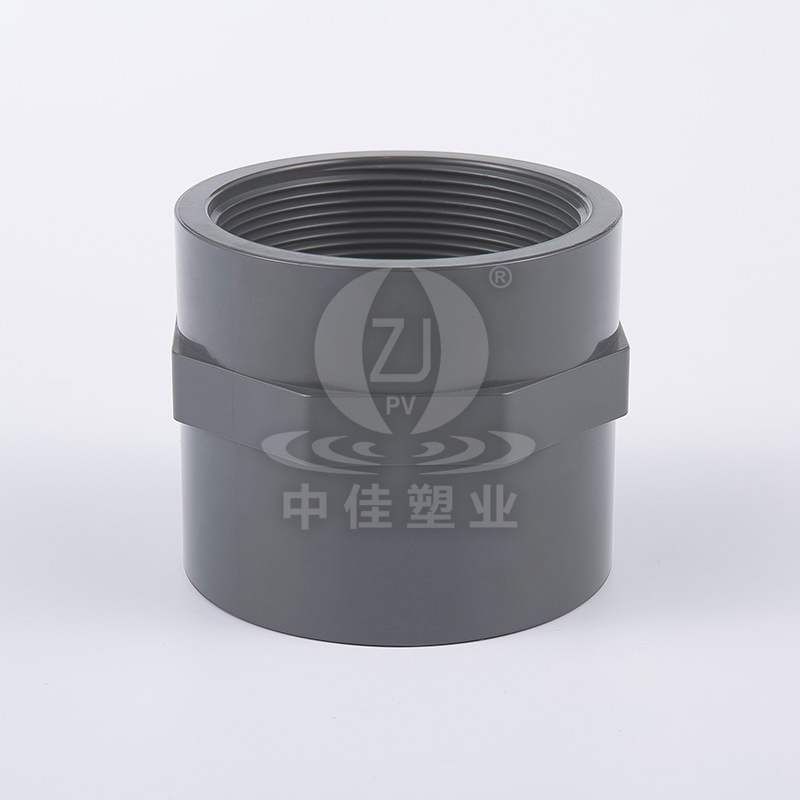
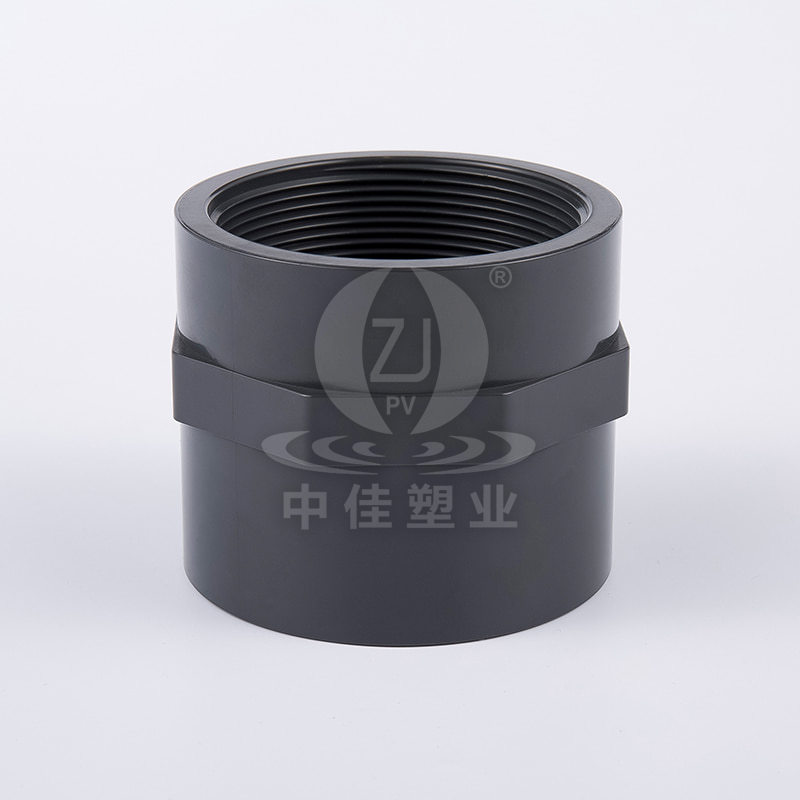
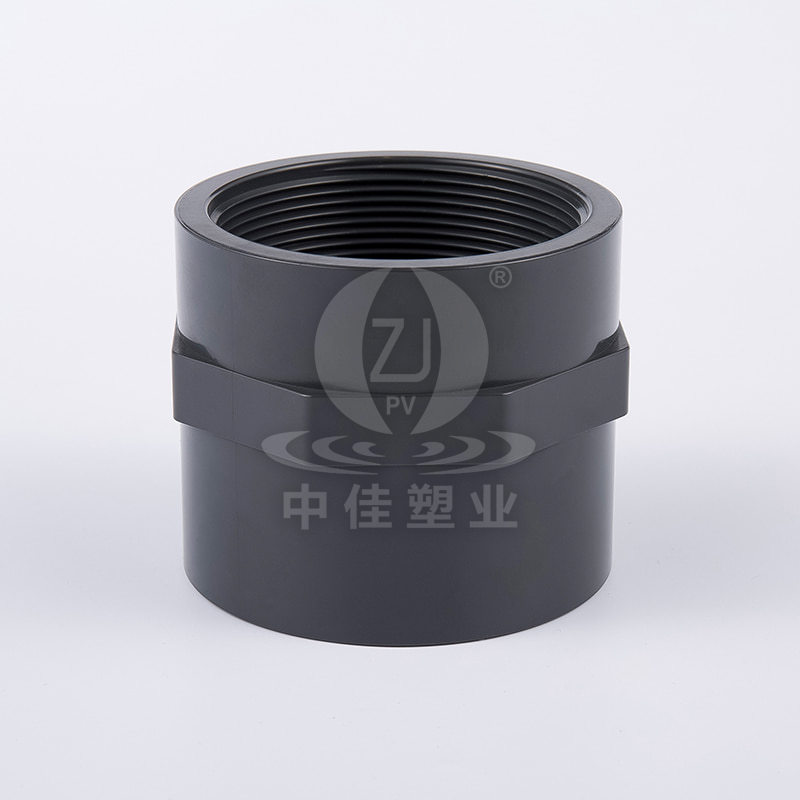
A PVC-U female adapter is a type of pipe fitting manufactured from unplasticized polyvinyl chloride, designed to create a transition connection between a plain-end PVC-U pipe and a threaded male component such as a valve, pump, faucet, or metal fitting. The fitting features one socket end — which accepts the plain pipe via solvent cement or push-fit connection — and one internally threaded end, which receives the male threaded counterpart. The female thread is typically a BSP (British Standard Pipe) or NPT (National Pipe Thread) profile, depending on the regional standard in use.
The term "unplasticized" distinguishes this material from flexible PVC. PVC-U contains no plasticizer additives, which gives it rigidity, high compressive strength, and excellent chemical resistance. These properties make it the dominant material for cold water supply systems, irrigation networks, drainage installations, and industrial fluid handling where the working fluid is not at elevated temperature. The female adapter is one of the most frequently specified transition fittings in these systems because it provides a clean, reliable, and re-connectable interface between the permanent solvent-welded pipe network and components that may need to be serviced or replaced over the system's service life.
Understanding the physical construction of a PVC-U female adapter is important for correct specification and installation. The fitting body is injection-molded from virgin PVC-U compound to produce a dense, void-free structure with consistent wall thickness throughout. The socket end is manufactured with an internal diameter matched to the outside diameter of the corresponding pipe size, with a depth sufficient to provide adequate solvent cement bond area for a pressure-tight joint. The internal thread at the opposite end is formed during molding and machined to the relevant thread standard to ensure accurate engagement with the male fitting.
Dimensional standards for PVC-U female adapters vary by region and application. In Europe, fittings for pressure systems are typically manufactured to ISO 15493 or DIN 8063, while in North America, ASTM D2466 and ASTM D2467 govern schedule 40 and schedule 80 fittings respectively. The following table shows common nominal sizes and their corresponding pipe outside diameters and thread designations for BSP-threaded female adapters:
| Nominal Size | Pipe OD (mm) | BSP Thread | Typical Pressure Rating (bar) |
| ½ inch | 20 mm | G ½" | 16 |
| ¾ inch | 25 mm | G ¾" | 16 |
| 1 inch | 32 mm | G 1" | 16 |
| 1¼ inch | 40 mm | G 1¼" | 12 |
| 1½ inch | 50 mm | G 1½" | 10 |
| 2 inch | 63 mm | G 2" | 10 |
Pressure ratings decrease with increasing size because the larger diameter creates greater stress in the fitting wall for a given internal pressure. These ratings apply at 20°C; as operating temperature increases, the permissible working pressure is derated accordingly. For applications at elevated temperatures or pressures near the rated limit, consulting the manufacturer's derating curves is essential before finalizing the specification.
The PVC-U female adapter appears in a remarkably wide range of installations due to its ability to transition between PVC pipe systems and threaded equipment or fittings. Its practical value lies in creating a durable permanent connection on the pipe side while retaining the ability to disconnect and reconnect on the threaded side.
In cold water plumbing systems, PVC-U female adapters are used to connect PVC pipework to threaded isolation valves, ball valves, pressure reducing valves, and water meters. The adapter allows these serviceable components to be unscrewed and replaced without cutting into the solvent-welded pipe network, which would otherwise require pipe cutting and re-cementing during maintenance. In residential systems, adapters in the ½ inch to 1 inch range are most common, while commercial and light industrial buildings use larger sizes for main distribution headers.
Irrigation systems make extensive use of PVC-U female adapters to connect mainline PVC pipe to threaded sprinkler risers, solenoid valve inlets, filter housings, fertilizer injectors, and pump discharge ports. The chemical resistance of PVC-U is particularly valuable in irrigation systems where fertilizer solutions and biocides are injected into the water stream. The female adapter allows filters and injectors to be removed for cleaning or seasonal maintenance without disrupting the buried or surface-laid pipe network.
PVC-U piping systems are widely used to handle acids, alkalis, and saline solutions in industrial processes including water treatment, electroplating, semiconductor manufacturing, and chemical dosing. Female adapters in these systems connect PVC pipe runs to threaded diaphragm valves, chemical pumps, tank connections, and instrumentation fittings. The inertness of PVC-U to a broad range of chemicals at ambient temperature makes it a cost-effective alternative to stainless steel or exotic alloys for many non-aggressive chemical service applications.
Swimming pool circulation systems and water treatment plants use PVC-U female adapters to connect pool pump unions, filter vessel inlets and outlets, chlorine dosing points, and pressure gauge connections. The chlorine and ozone resistance of PVC-U makes it the material of choice for these environments, and the female adapter provides convenient connection points for the instrumentation and chemical injection fittings that are characteristic of water treatment installations.
Correct installation of a PVC-U female adapter is critical to achieving a leak-free, long-lasting joint. The two connection methods — solvent cement on the socket end and thread sealant on the female thread — each require specific preparation and technique to perform reliably.
The socket end of the adapter is joined to the plain PVC-U pipe using solvent cement, which chemically softens and fuses the two PVC surfaces into a monolithic bond as it cures. The following steps ensure a correctly made joint:
The internally threaded end of the female adapter requires a thread sealant to prevent leakage at the threaded interface. PTFE thread seal tape is the most commonly used sealant for PVC-U female adapters. Wrap two to three layers of PTFE tape clockwise around the male thread of the counterpart fitting before screwing it into the adapter. Hand-tighten first, then apply no more than one to one-and-a-half additional turns with a strap wrench. Over-tightening is the single most common cause of cracked PVC-U female adapters, as the fitting material cannot sustain the same assembly torque as metal fittings. Thread engagement of four to six full threads is sufficient for a pressure-tight seal in normal service conditions.
Despite being a straightforward fitting, PVC-U female adapters are frequently misused in ways that lead to premature failure, leaks, or system downtime. Being aware of these common errors helps avoid costly remedial work.
With multiple standards, sizes, and configurations available from different manufacturers, selecting the correct fitting requires systematic evaluation of the application requirements. The following checklist covers the key decision points:
Taking time to verify these parameters before procurement eliminates the most common sources of fitting failures, system leaks, and compliance issues that arise when fittings are selected based on size alone without reference to the full technical requirements of the installation.

Follow us
PVC-U
PVC-U Pipes PVC-U Fittings for Industry PVC-U Fittings for Water Supply PVC-U Pipes ASTM D1785 PVC-U Fittings ASTM SCH80
Copyright © Changzhou Zhongjia Plastic Industry Co., Ltd.All rights reserved.
 UPVC/CPVC Pipes Manufacturers


Copyright @ Changzhou Zhongjia Plastic Industry Co., Ltd.All Rights Reserved.



 عربى
عربى  中文简体
中文简体  Español