Content
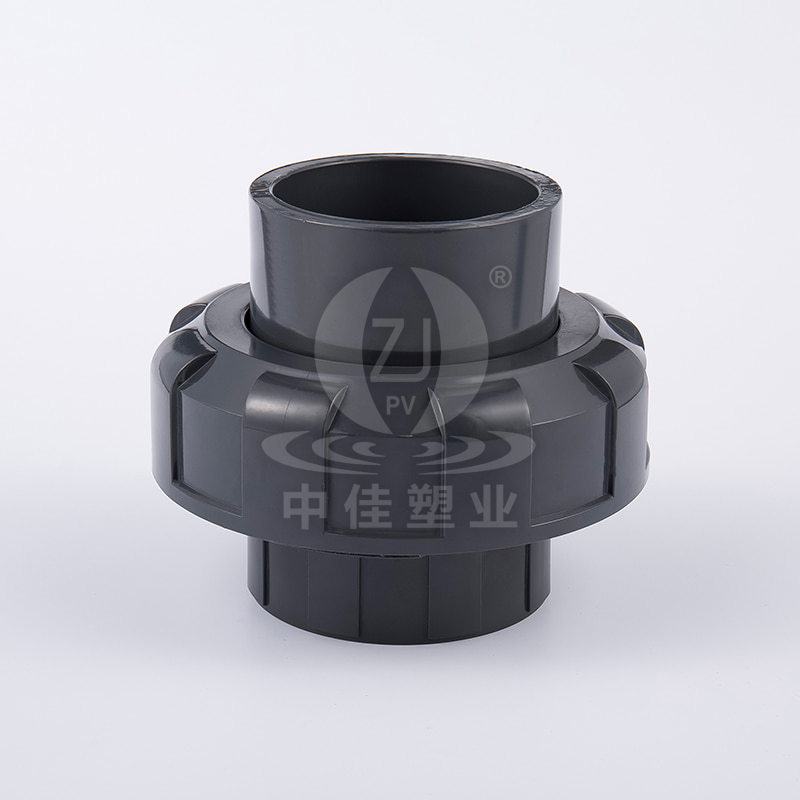
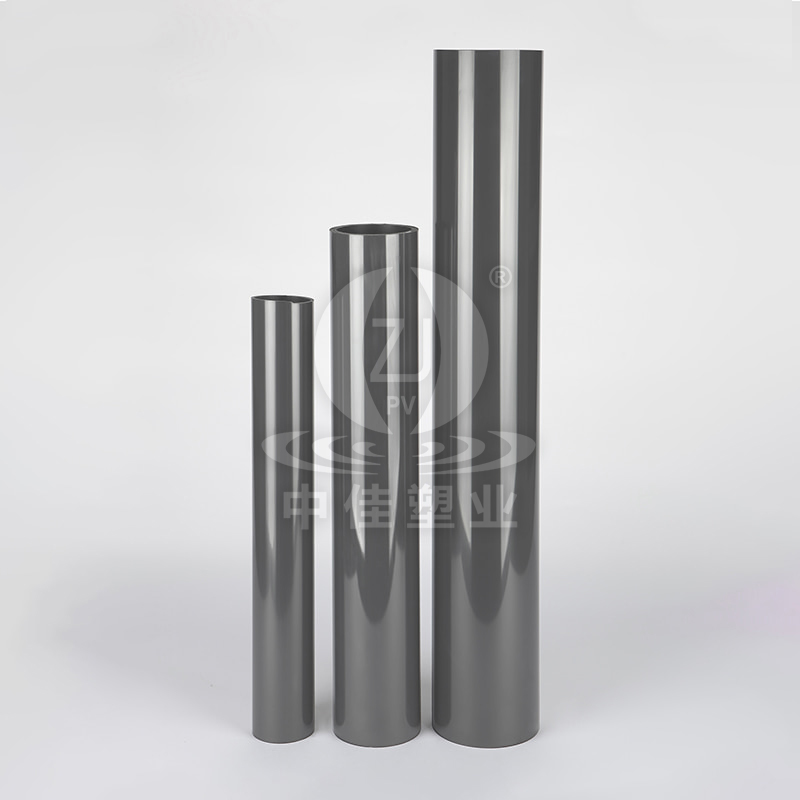
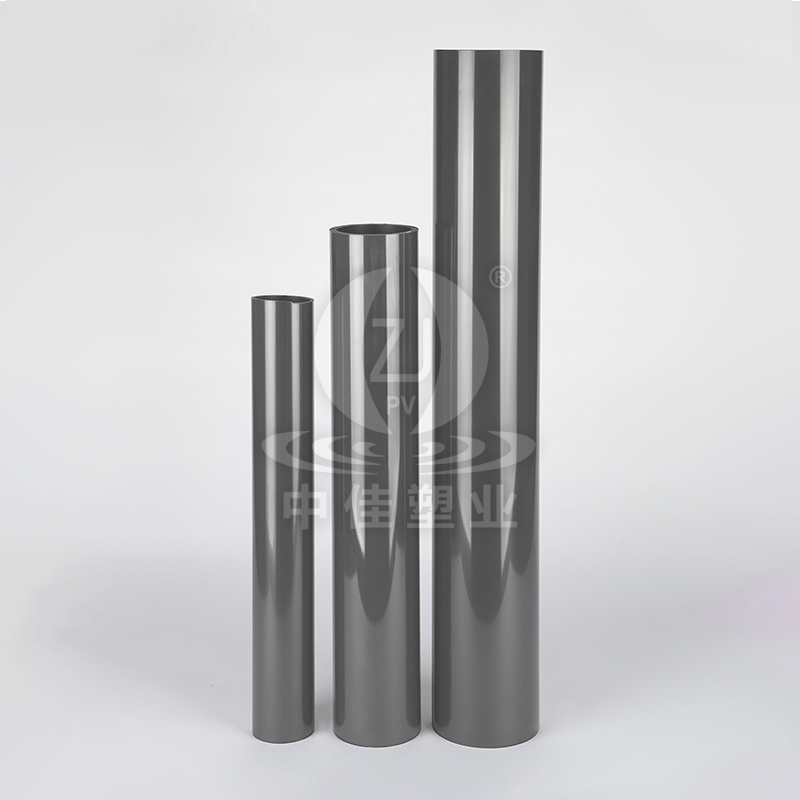
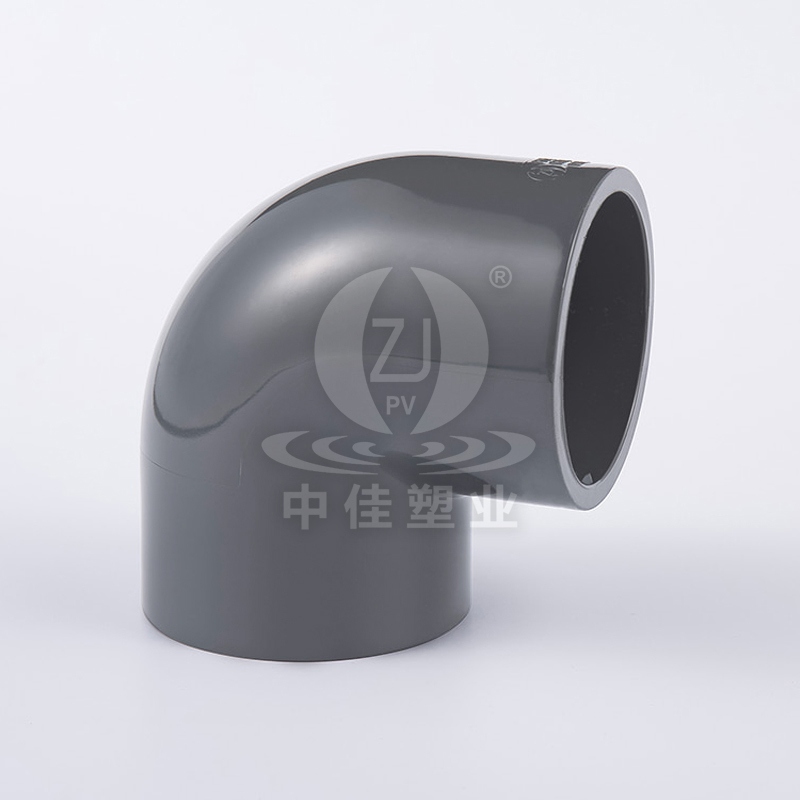
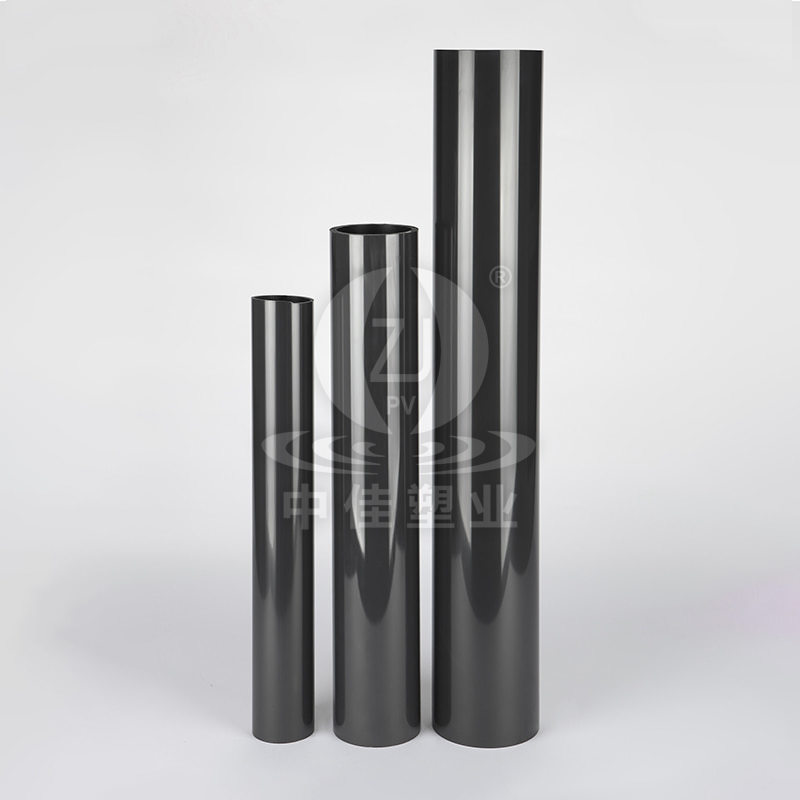
Industry PVC-U pipes, or unplasticized polyvinyl chloride pipes, are rigid thermoplastic pipes manufactured without the addition of plasticizers, which gives them high mechanical strength, chemical resistance, and long-term dimensional stability. Unlike flexible PVC, PVC-U retains its rigidity across a wide range of operating conditions, making it a preferred choice for industrial fluid transport, chemical processing, and infrastructure applications where structural integrity under pressure is essential.
The material is produced by extruding PVC resin combined with stabilizers, lubricants, and processing aids through a heated die to form pipes of consistent wall thickness and diameter. Because PVC-U does not corrode, rust, or support biological growth on its inner surface, it offers a significant advantage over metal piping in applications involving corrosive chemicals, wastewater, or potable water systems. Its relatively light weight compared to metal alternatives also reduces installation labor and transportation costs on large industrial projects.
Several performance characteristics determine whether PVC-U pipe is suitable for a given industrial application. Understanding these properties helps engineers and procurement teams select the correct pipe class for their system requirements.
PVC-U pipes are manufactured in different pressure classes, typically identified by their PN (Pressure Nominal) rating, which indicates the maximum sustained working pressure at a reference temperature. Higher pressure ratings correspond to thicker pipe walls, which increases the pipe's resistance to bursting but also reduces internal flow diameter for a given outer diameter.
PVC-U demonstrates strong resistance to a broad range of acids, alkalis, salts, and many organic solvents, making it suitable for chemical drainage, effluent treatment, and process piping in manufacturing plants. However, it is not compatible with certain ketones, esters, and aromatic hydrocarbons, so compatibility charts should always be consulted before selecting the material for a specific chemical transport application.
PVC-U pipes are generally rated for continuous operation up to approximately 60°C, with performance and pressure capacity decreasing as temperature rises. For higher temperature applications, alternative materials such as CPVC or metal piping are typically recommended instead.
PVC-U pipes are manufactured according to different standards and pressure classes depending on regional codes and intended use. The table below summarizes common classifications used in industrial and infrastructure projects.
| Pressure Class | Typical PN Rating | Common Application |
| Light Duty | PN6-PN10 | Drainage, low-pressure irrigation |
| Standard Duty | PN12.5-PN16 | Water supply, general industrial fluid transport |
| Heavy Duty | PN20-PN25 | High-pressure process lines, chemical transport |
Because of their durability, chemical resistance, and cost efficiency, PVC-U pipes are deployed across a wide range of industrial sectors and infrastructure systems.
Proper installation practices directly affect the service life and reliability of PVC-U piping systems. Overlooking these details during installation can lead to premature failure even when the correct pipe class has been selected.
When selecting piping materials, engineers often weigh PVC-U against alternatives such as HDPE, CPVC, and galvanized steel. HDPE offers greater flexibility and impact resistance, making it well suited for applications involving ground movement or trenchless installation, but it typically has a lower pressure rating at equivalent wall thickness compared to PVC-U. CPVC extends the usable temperature range beyond that of standard PVC-U, making it appropriate for hot water or elevated-temperature chemical lines, though it generally costs more per meter. Galvanized steel provides high mechanical strength and impact resistance but is susceptible to corrosion over time, particularly in aggressive chemical or wastewater environments, and requires more intensive maintenance than PVC-U.
For many industrial applications involving ambient to moderately warm fluid temperatures and corrosive media, PVC-U remains a cost-effective and low-maintenance solution that balances mechanical performance with ease of installation.
Buyers should confirm that PVC-U pipes comply with recognized standards such as ISO 1452, ASTM D1785, or relevant regional building codes, depending on the project location and application. Requesting test certificates for hydrostatic pressure resistance, impact strength, and dimensional tolerance helps verify that the pipe meets its stated pressure class. Working with suppliers who provide consistent batch traceability and clear technical datasheets reduces the risk of receiving substandard material, particularly for projects where pipe failure could result in significant downtime or safety hazards. For large-scale industrial projects, requesting sample lengths for pressure testing before committing to bulk orders is a practical step that helps confirm product quality matches specification.

Follow us
PVC-U
PVC-U Pipes PVC-U Fittings for Industry PVC-U Fittings for Water Supply PVC-U Pipes ASTM D1785 PVC-U Fittings ASTM SCH80
Copyright © Changzhou Zhongjia Plastic Industry Co., Ltd.All rights reserved.
 UPVC/CPVC Pipes Manufacturers


Copyright @ Changzhou Zhongjia Plastic Industry Co., Ltd.All Rights Reserved.



 عربى
عربى  中文简体
中文简体  Español