Content
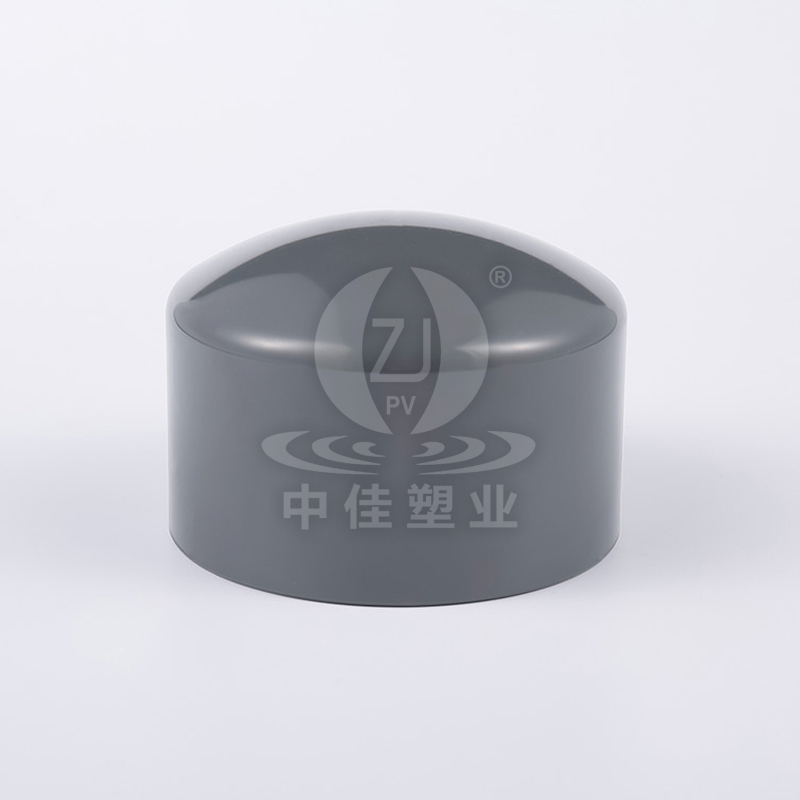
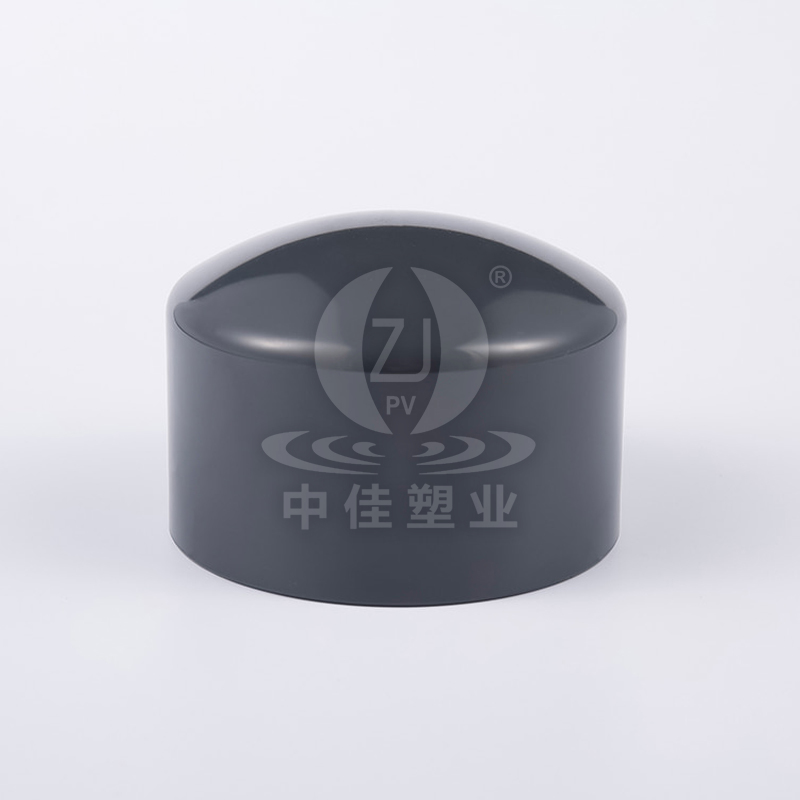
A PVC-U end cap is a pipe fitting used to seal the open end of a PVC-U pipe, effectively blocking the flow of liquid, gas, or air through that section of the piping system. PVC-U stands for unplasticized polyvinyl chloride, a rigid form of PVC that does not contain the plasticizers used to make flexible PVC products. This rigidity makes PVC-U end caps well suited for applications requiring structural stability, chemical resistance, and long-term durability under pressure.
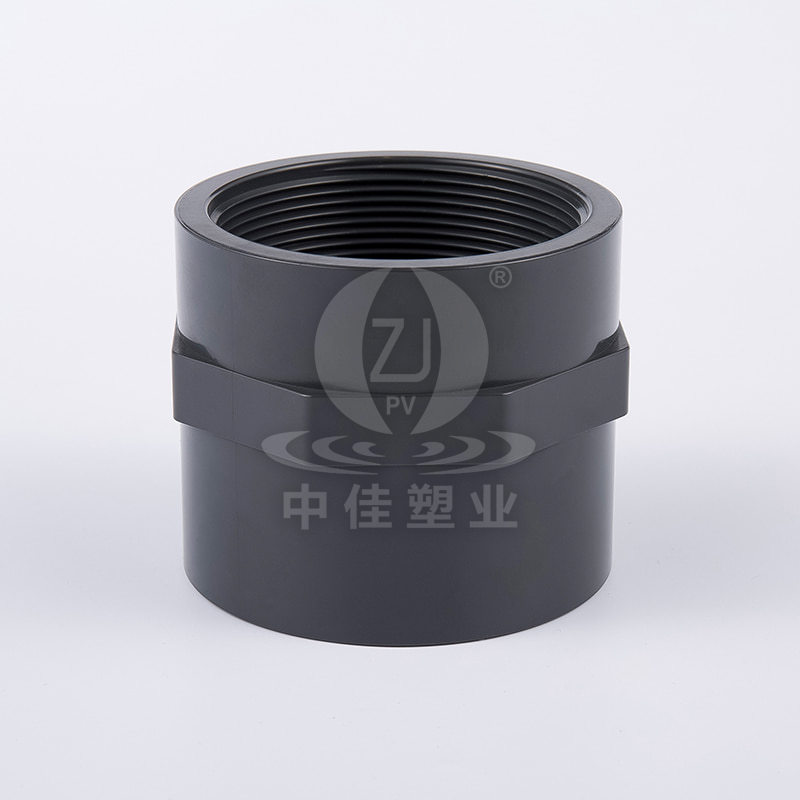
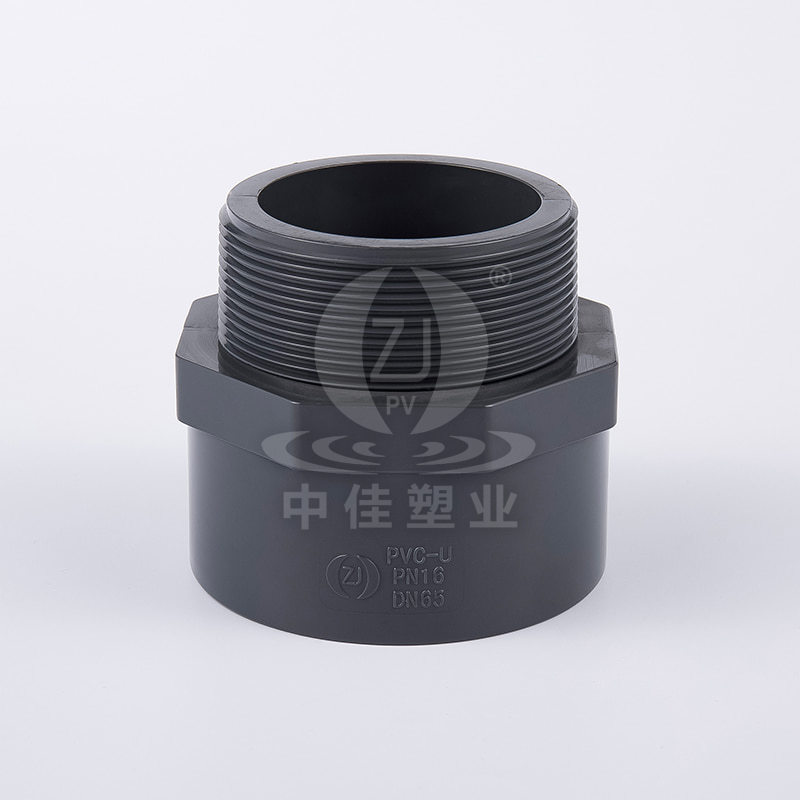
End caps are typically manufactured with either a socket connection, which fits over the outside of the pipe, or a plain end designed for solvent cement welding. Some variations also include threaded connections for applications where a removable seal is preferred over a permanent bond. The choice between these connection types depends on whether the sealed section may need to be reopened for future maintenance or system modifications.
PVC-U end caps serve several practical purposes across plumbing, irrigation, and industrial piping systems. Understanding these applications helps determine whether an end cap is the right fitting for a specific project need.
In systems where a branch line is installed for future expansion but not currently in use, an end cap provides a reliable, pressure-tight seal until the line is needed. This is common in irrigation systems and commercial plumbing rough-ins where future connections are anticipated.
Before a piping system is put into service, installers often use end caps to temporarily seal sections of pipe so the system can be pressure tested for leaks. Because PVC-U end caps can withstand significant internal pressure, they are a practical tool for verifying joint integrity before final installation.
At the final point of a piping run, an end cap permanently closes the system, preventing debris, pests, or contaminants from entering the pipe. This is especially important in drainage and waste systems where an open pipe end could become a entry point for unwanted materials.
PVC-U end caps share the same core material properties as PVC-U pipe, which is part of why they integrate seamlessly into existing piping systems. The material offers strong resistance to a wide range of chemicals, including many acids, alkalis, and salts, making it suitable for both potable water systems and certain industrial fluid transport applications.
PVC-U also has low thermal conductivity, which helps reduce condensation buildup on the fitting's exterior in cooler environments. However, buyers should be aware that PVC-U becomes more brittle at low temperatures and can soften at elevated temperatures, generally losing structural integrity above 60°C. For systems carrying hot fluids, alternative materials such as CPVC may be more appropriate.
Selecting the correct PVC-U end cap requires matching both the pipe diameter and the pressure rating of the existing system. Using a mismatched fitting can lead to leaks, joint failure, or reduced pressure tolerance. The table below outlines common considerations when selecting an end cap.
| Consideration | Why It Matters |
| Pipe Diameter | Must match exactly for a proper seal |
| Pressure Rating | Should meet or exceed system operating pressure |
| Connection Type | Determines whether the seal is permanent or removable |
| Standard Compliance | Ensures compatibility with local plumbing codes |
For permanent applications, socket-style end caps installed with solvent cement provide the strongest, most leak-resistant seal. For situations where future access is likely, threaded end caps offer the flexibility of removal without cutting into the pipe.
Proper installation is essential to ensure a PVC-U end cap performs reliably over the long term. Following established procedures reduces the risk of leaks and premature fitting failure.
Even a simple fitting like a PVC-U end cap can cause system issues if installed incorrectly. One common mistake is using excessive force to fit an end cap onto a pipe that is slightly oversized, which can crack the fitting or create stress points that fail later under pressure. Another frequent error is skipping the primer step before applying solvent cement, which weakens the bond and increases the likelihood of leaks at the joint.
Installers should also avoid pressurizing a newly capped system before the solvent cement has fully cured, as manufacturer-recommended curing times vary based on pipe diameter and ambient temperature. Rushing this step is one of the leading causes of joint failure in freshly installed PVC-U systems.
When purchasing PVC-U end caps, particularly for commercial or industrial projects, buyers should confirm that the fittings comply with relevant standards such as ASTM D2466 or EN 1452, depending on the region and application. Checking for consistent wall thickness and verifying the pressure rating printed on the fitting helps ensure compatibility with the rest of the piping system, reducing the risk of costly rework after installation.

Follow us
PVC-U
PVC-U Pipes PVC-U Fittings for Industry PVC-U Fittings for Water Supply PVC-U Pipes ASTM D1785 PVC-U Fittings ASTM SCH80
Copyright © Changzhou Zhongjia Plastic Industry Co., Ltd.All rights reserved.
 UPVC/CPVC Pipes Manufacturers


Copyright @ Changzhou Zhongjia Plastic Industry Co., Ltd.All Rights Reserved.



 عربى
عربى  中文简体
中文简体  Español