Content
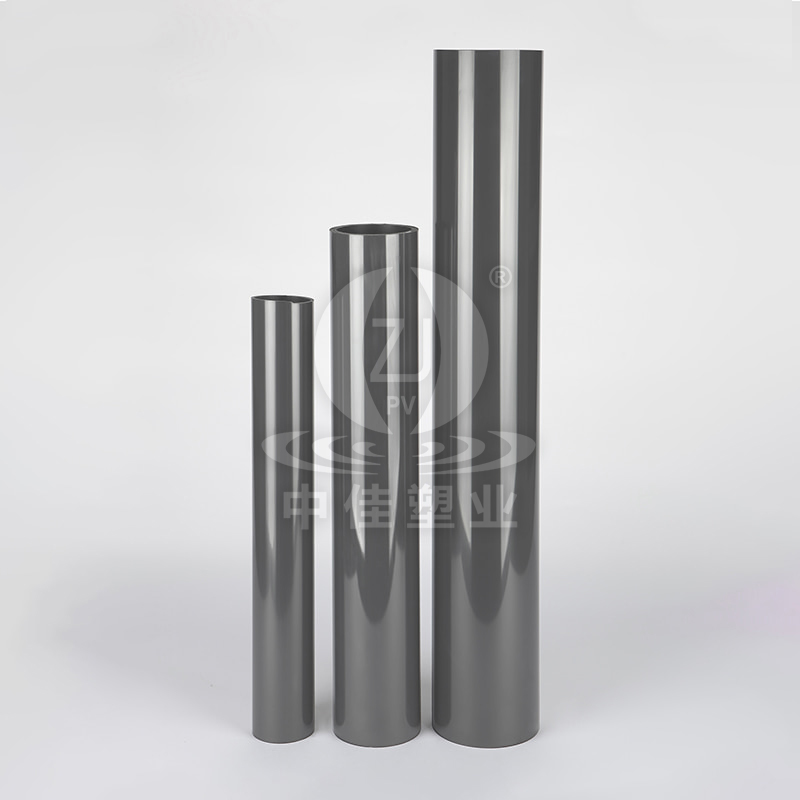
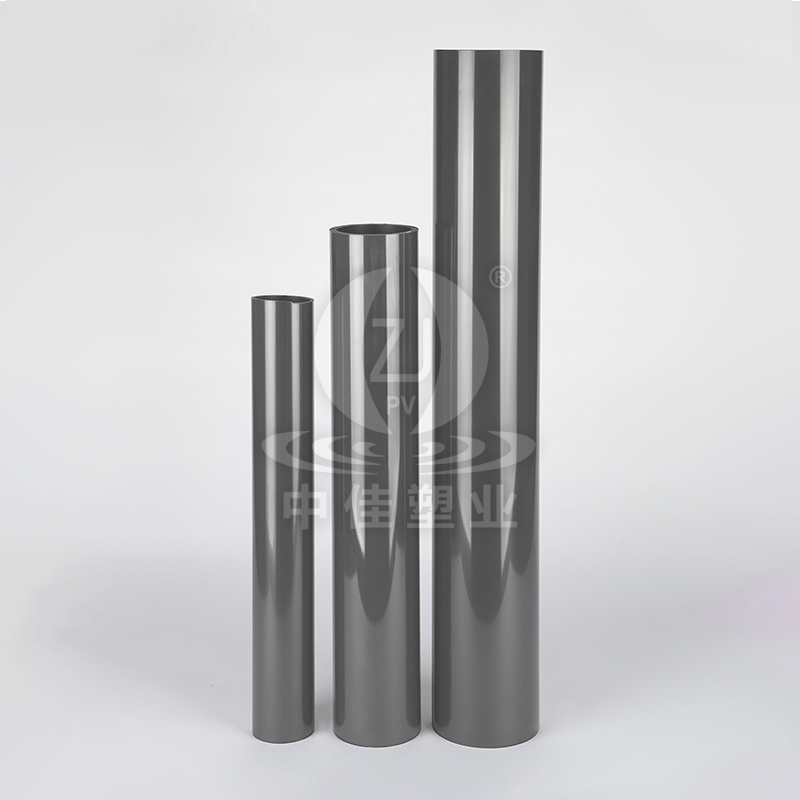
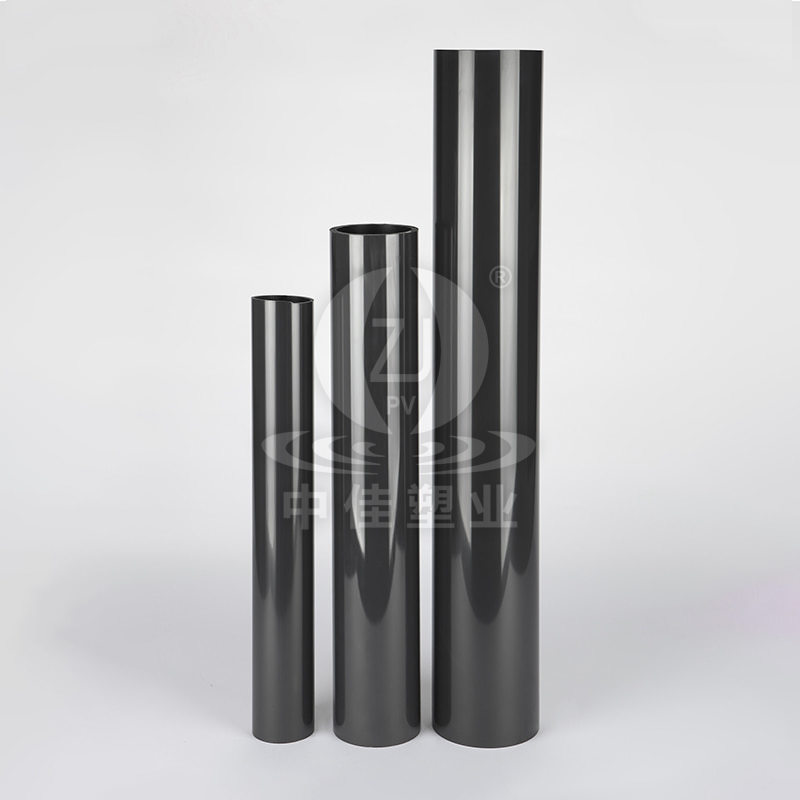
S6.3 is a series designation used in the classification of unplasticized polyvinyl chloride, or UPVC, pipes, based on the international standard series system defined largely by ISO 4065. The "S" value describes the relationship between a pipe's outside diameter and its wall thickness, which directly determines the pipe's pressure rating and mechanical strength. In practical terms, the S number is derived from the standard dimension ratio, or SDR, using the formula S equals SDR minus one, divided by two. An S6.3 pipe therefore corresponds to a specific SDR value that indicates a moderate wall thickness relative to the pipe's diameter, making it suitable for a defined range of pressure applications.
Understanding this classification system is important for engineers, contractors, and procurement teams because selecting the wrong series can lead to pipes that either fail under operating pressure or are unnecessarily thick and costly for a low-pressure application. The S series system allows for standardized comparison across manufacturers and countries, ensuring that a pipe labeled S6.3 performs consistently regardless of where it was produced.
The pressure rating of a UPVC pipe, commonly expressed as PN followed by a number indicating the nominal pressure in bar, is directly tied to its series designation. For a given material, a lower S number indicates a thicker pipe wall relative to its diameter, which generally corresponds to a higher pressure rating. S6.3 pipes typically fall into a mid-range pressure classification, commonly associated with a PN10 rating in many manufacturer catalogs, though the exact pressure rating can vary slightly depending on the specific UPVC compound and manufacturing standard applied.
Because these relationships are interconnected, buyers should always confirm both the S value and the corresponding PN rating listed by the specific manufacturer, since regional standards and material formulations can cause slight variations in how these values are applied.
S6.3 UPVC pipes are manufactured across a range of standard diameters to accommodate different flow requirements. The table below illustrates representative dimensions commonly found in manufacturer specifications, though exact figures should always be verified against the specific product datasheet being used for a project.
| Outside Diameter (mm) | Approx. Wall Thickness (mm) | Typical Use |
| 63 | 3 | Residential water supply |
| 90 | 4.3 | Small commercial distribution |
| 110 | 5.3 | Municipal water lines |
| 160 | 7.7 | Irrigation and agricultural supply |
| 200 | 9.6 | Large-scale water transmission |
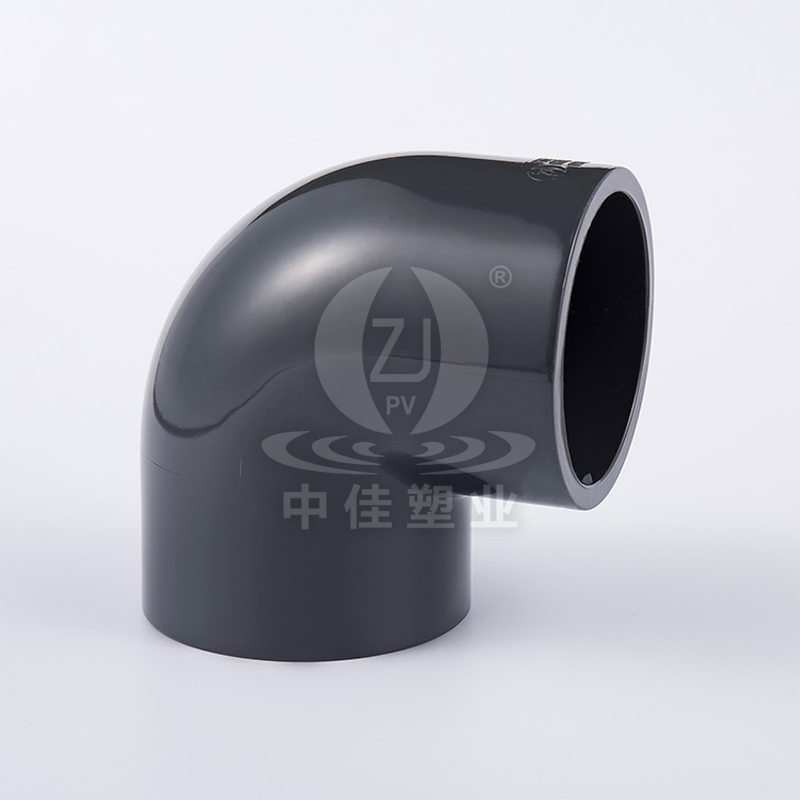
S6.3 UPVC pipes are widely used in water supply systems due to their balance of pressure resistance, cost efficiency, and durability. Municipal water distribution networks frequently specify this series for main lines feeding residential and commercial developments, as it provides adequate strength for typical urban water pressure requirements without the added material cost of a thicker-walled pipe designed for higher-pressure industrial use.
Agricultural and irrigation systems also make extensive use of S6.3 pipes, particularly for supplying water to sprinkler and drip irrigation networks across farmland. Additionally, these pipes are commonly selected for building water supply risers and site distribution piping in commercial and residential construction, where their corrosion resistance and long service life offer significant advantages over metal alternatives.
Proper installation practices are essential to ensure S6.3 UPVC pipes perform as intended throughout their service life. Trenches should be excavated with a stable, debris-free bed to prevent uneven loading on the pipe, which can lead to premature stress and cracking over time. Adequate bedding material, typically sand or fine gravel, should be used to cushion the pipe and distribute loads evenly along its length.
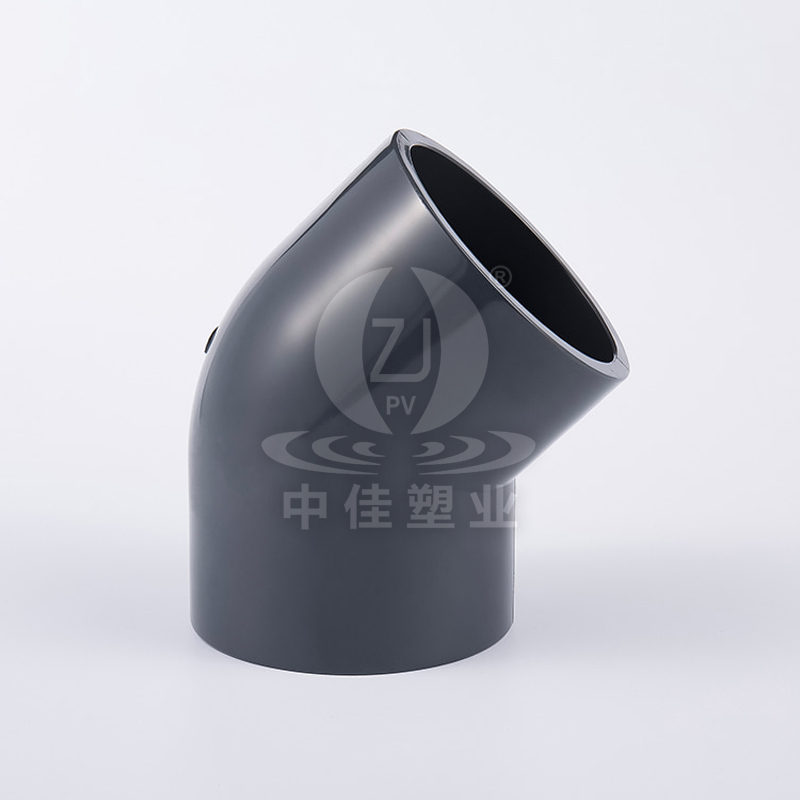
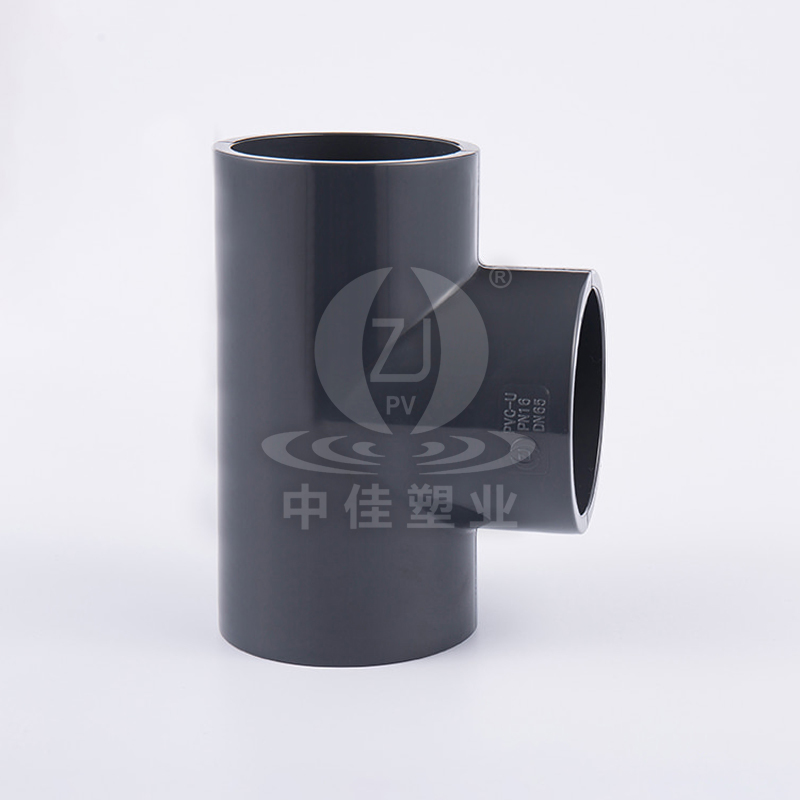
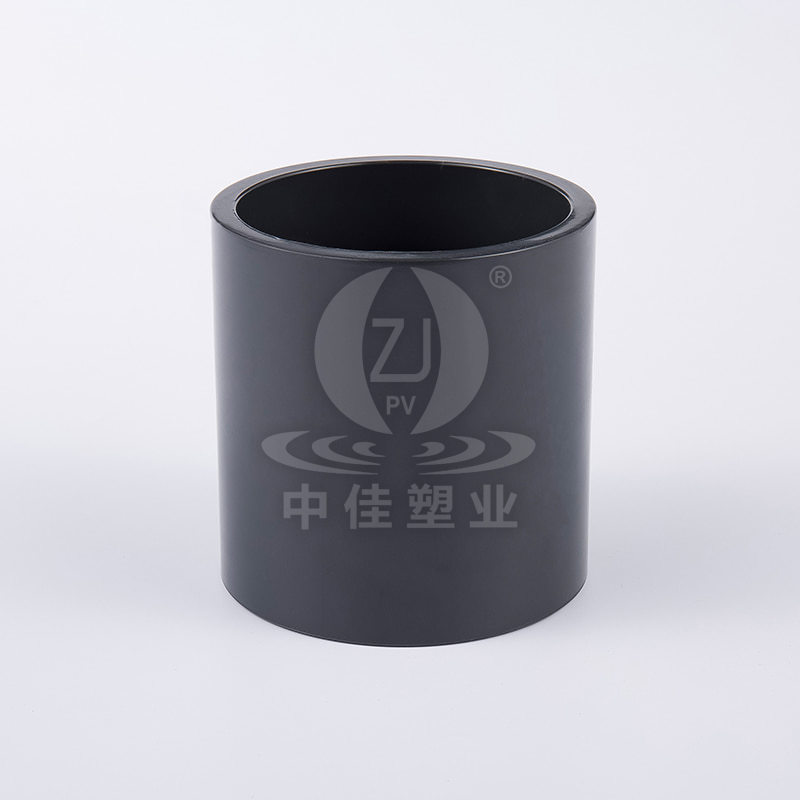
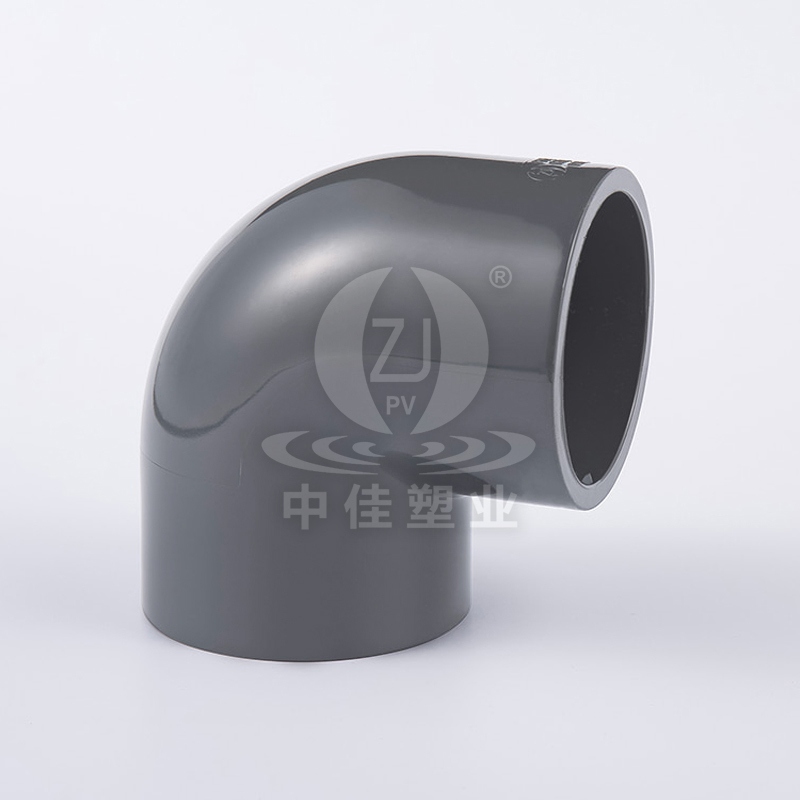
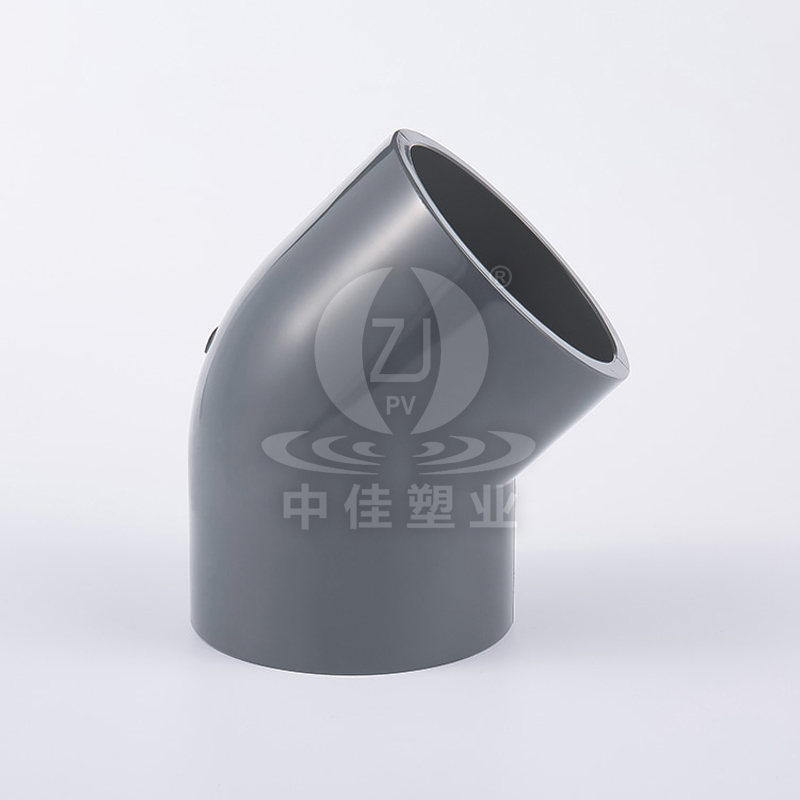
Joining methods for UPVC pipes commonly include solvent cement welding or rubber ring push-fit connections, with the appropriate method depending on the pipe's intended pressure application and local plumbing codes. It is also important to allow for thermal expansion in aboveground installations, since UPVC pipes expand and contract more than metal pipes in response to temperature changes, which can affect joint integrity if not properly accounted for during installation planning.

Follow us
PVC-U
PVC-U Pipes PVC-U Fittings for Industry PVC-U Fittings for Water Supply PVC-U Pipes ASTM D1785 PVC-U Fittings ASTM SCH80
Copyright © Changzhou Zhongjia Plastic Industry Co., Ltd.All rights reserved.
 UPVC/CPVC Pipes Manufacturers


Copyright @ Changzhou Zhongjia Plastic Industry Co., Ltd.All Rights Reserved.



 عربى
عربى  中文简体
中文简体  Español