Content
Pipe fittings might seem like a minor detail in a piping system, but selecting the wrong type can lead to leaks, pressure loss, or costly system failures. These components connect, redirect, and control the flow of pipes throughout plumbing, industrial process, and construction systems, and understanding their function and proper application is essential for anyone designing, installing, or maintaining piping networks. This guide breaks down the main categories of pipe fittings, explains their typical uses, and offers practical guidance for selecting the right type for a given application.
Pipe fittings are components used to connect sections of pipe, change flow direction, adapt between different pipe sizes, or control flow through a system. Without fittings, piping systems would be limited to simple, straight-line configurations, unable to navigate around obstacles, branch into multiple lines, or connect to equipment with different port sizes and thread standards.
Beyond their basic connective function, fittings also play a critical role in system integrity. A poorly matched or improperly installed fitting is often the weakest point in an otherwise well-constructed piping system, making correct fitting selection just as important as choosing the right pipe material and diameter.
Pipe fittings are generally categorized based on the function they perform within a piping system, and understanding these categories helps clarify which fitting is needed for a specific installation task.
| Fitting Type | Function | Common Use Case |
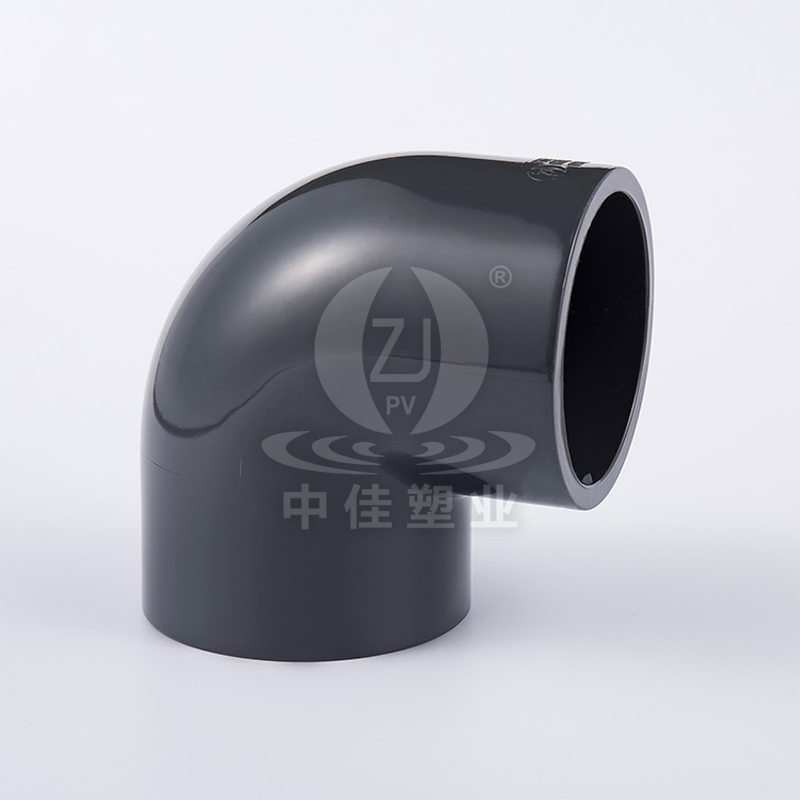
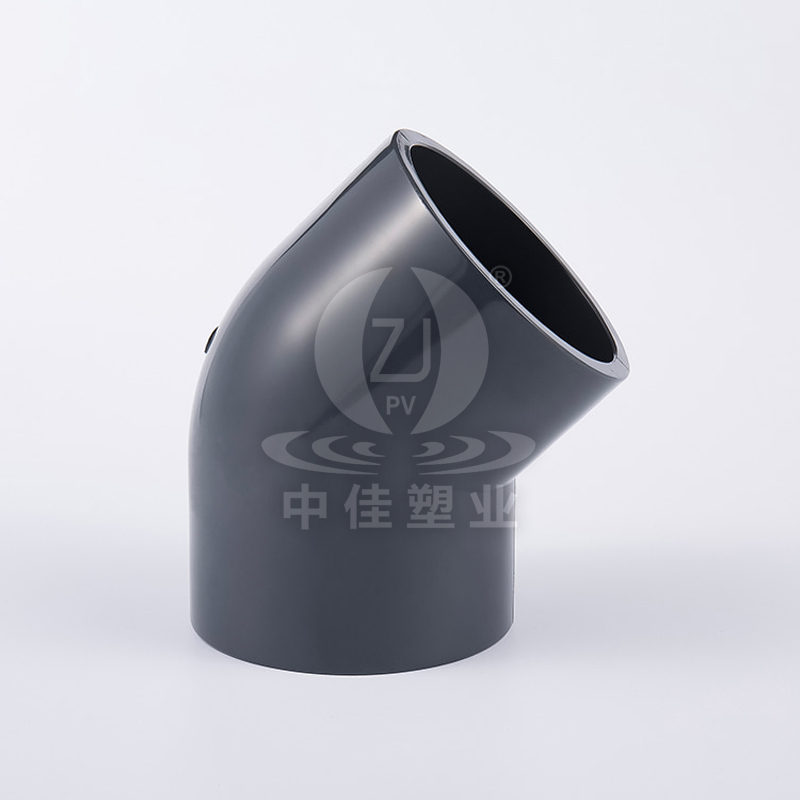
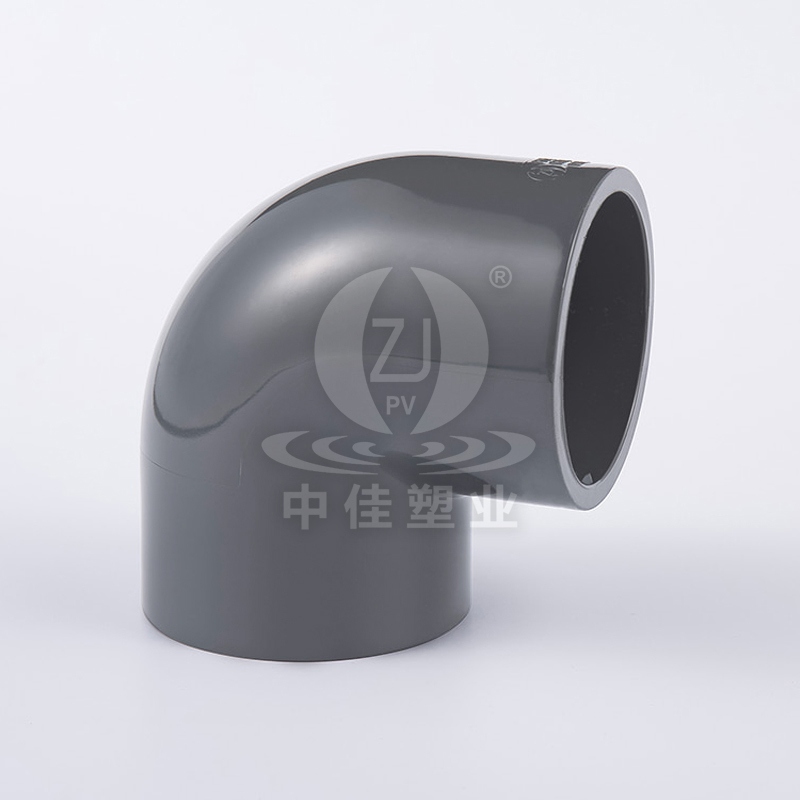
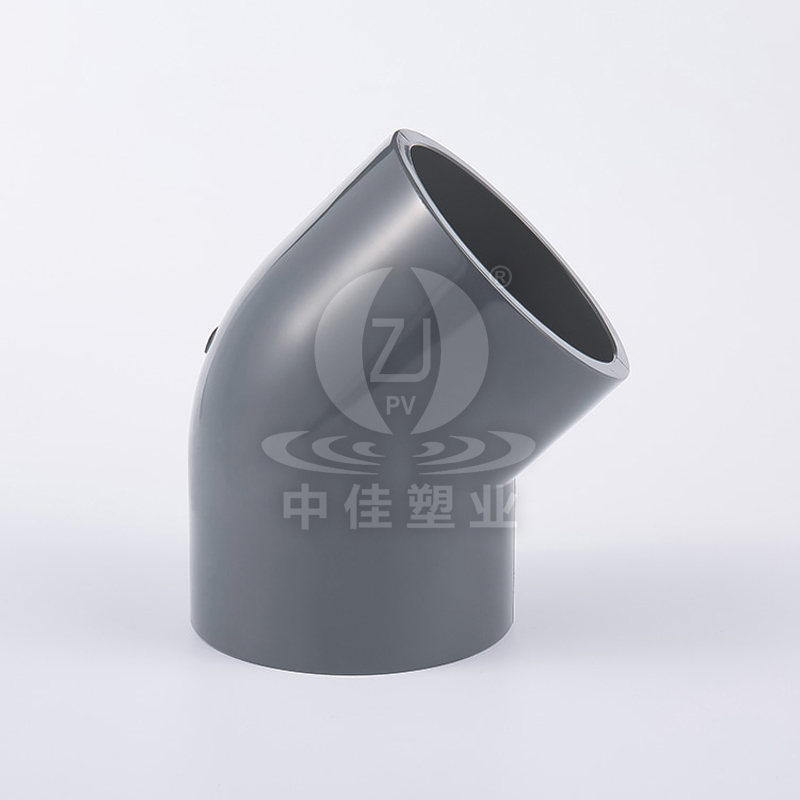
| Elbow | Changes flow direction (45° or 90°) | Routing pipe around corners |
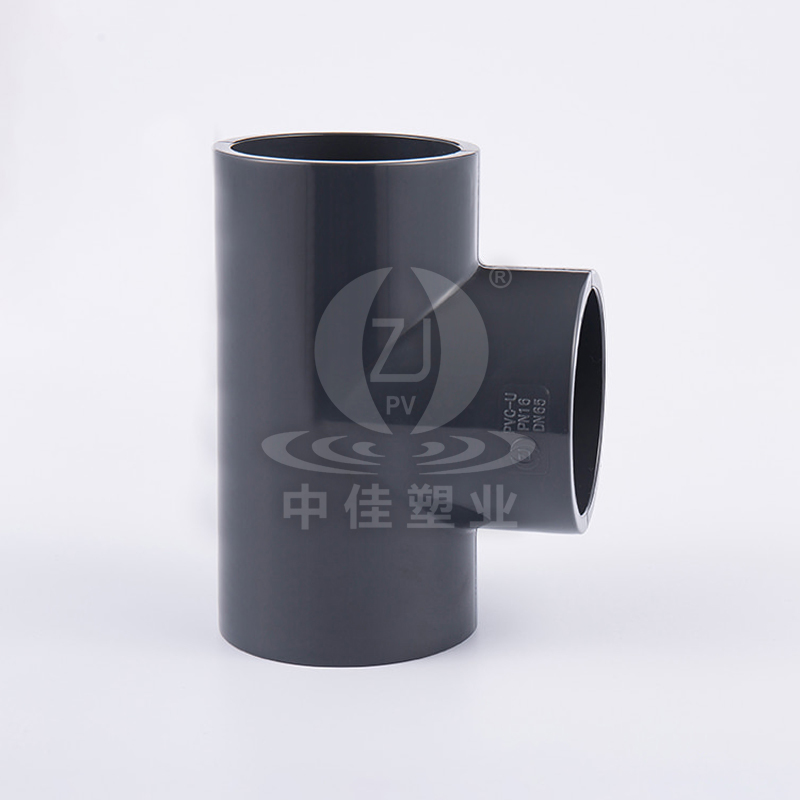
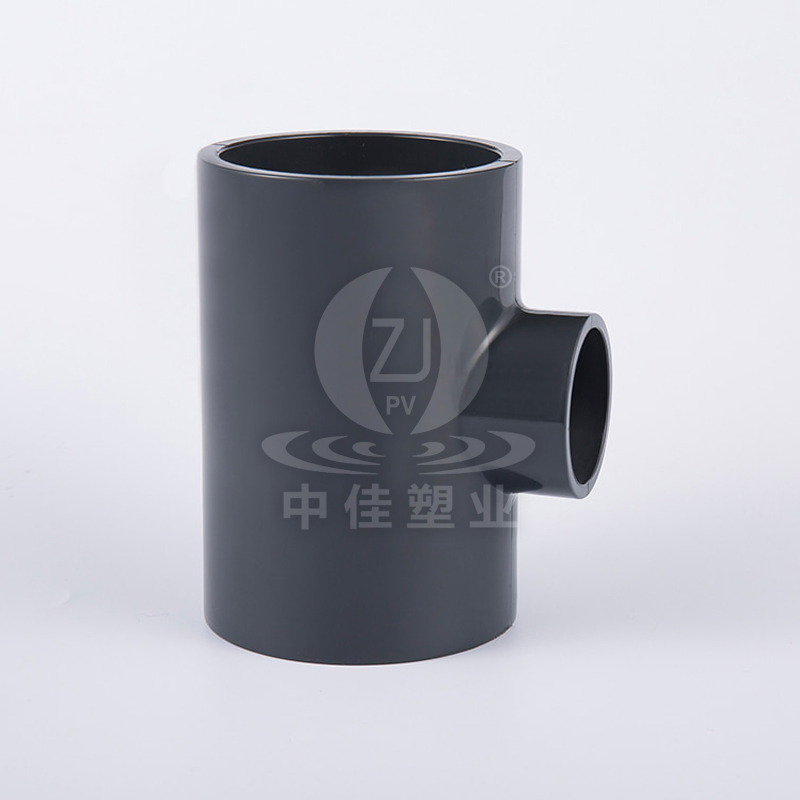
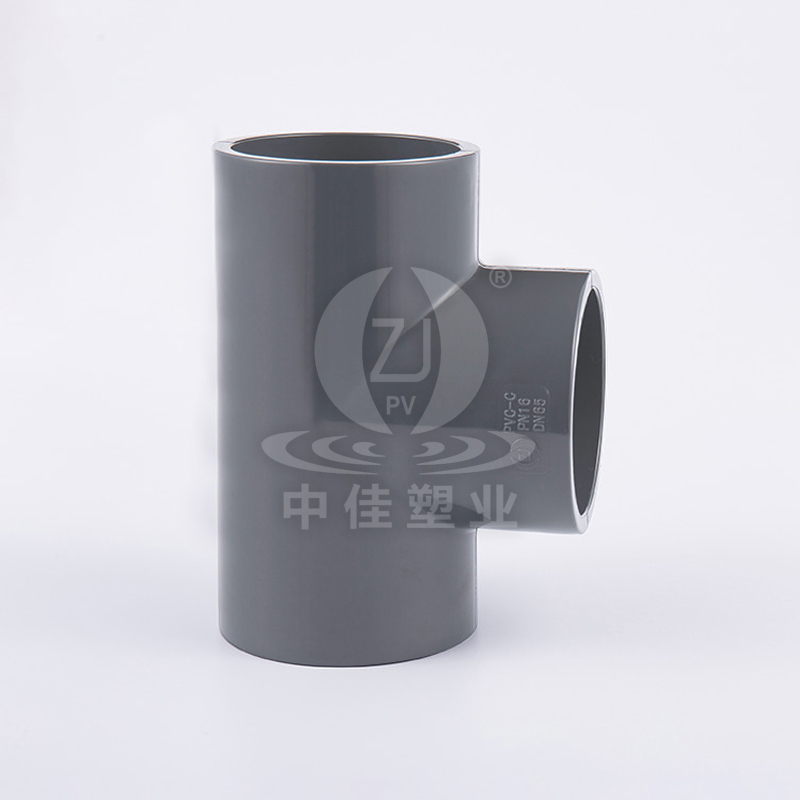
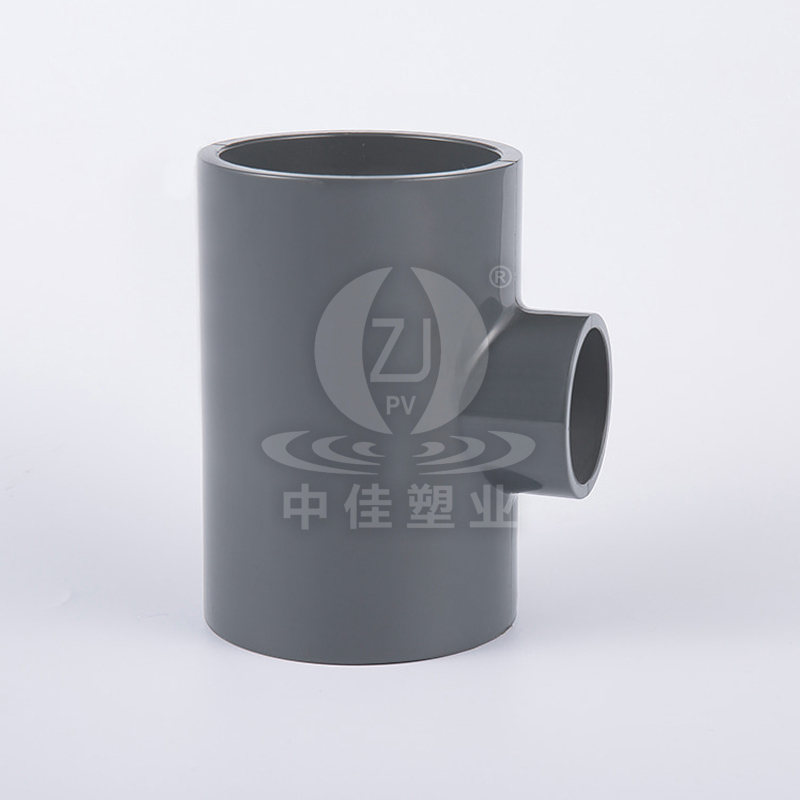
| Tee | Splits flow into a branch line | Creating a secondary flow path |
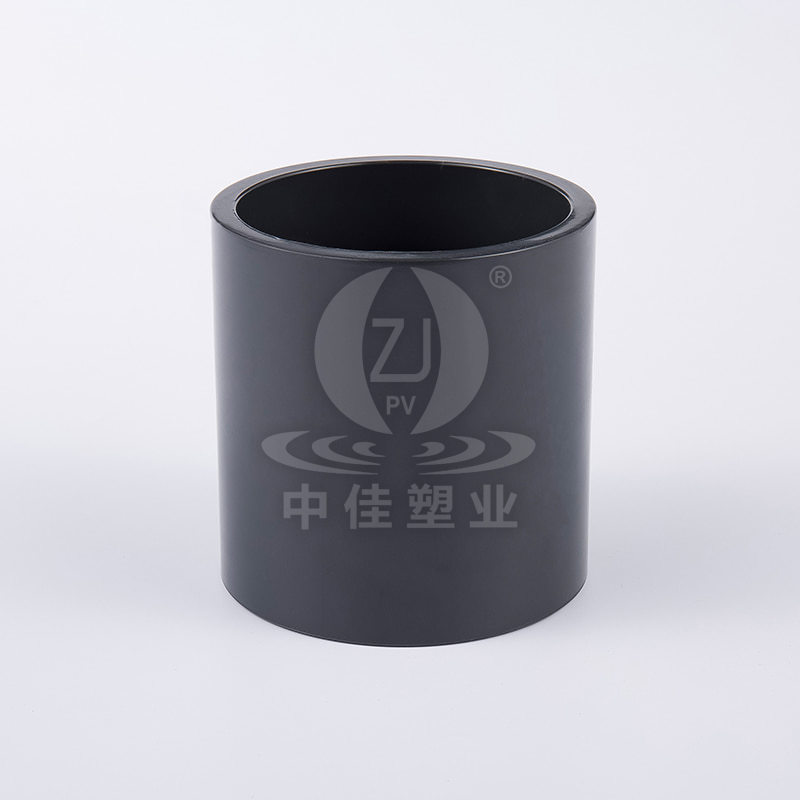
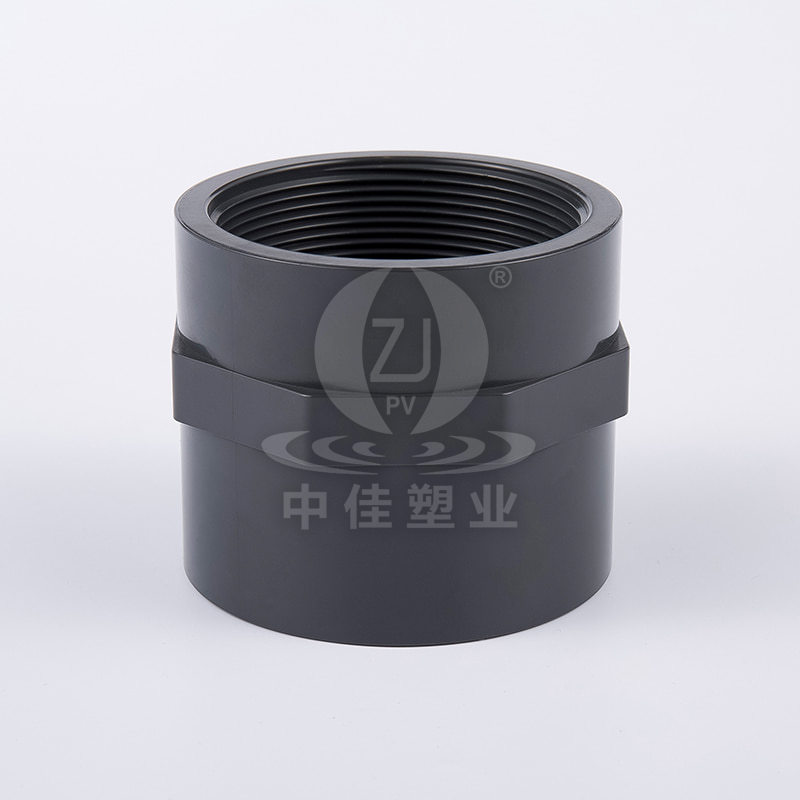
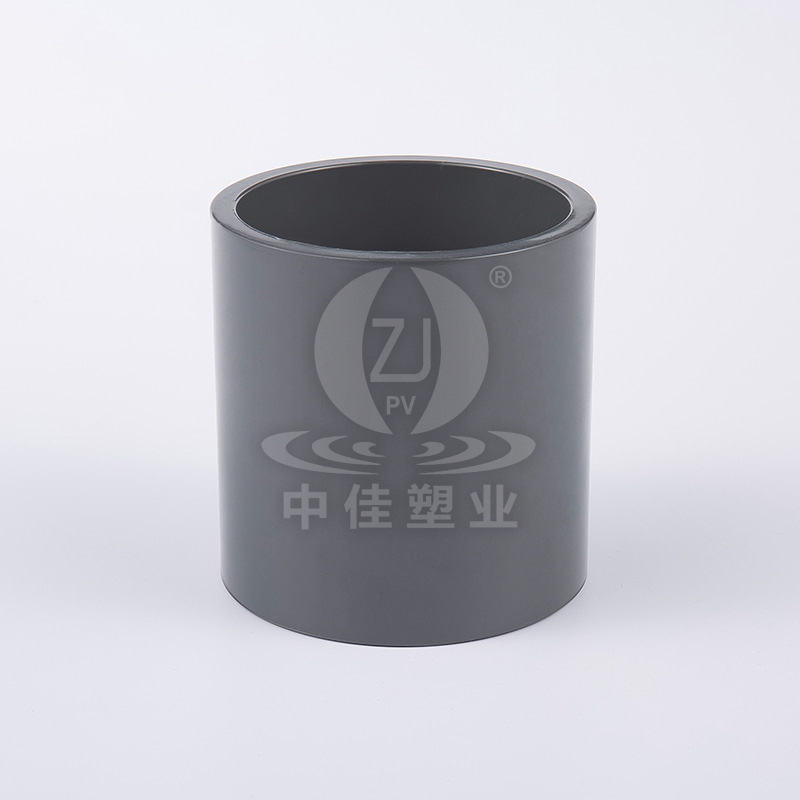
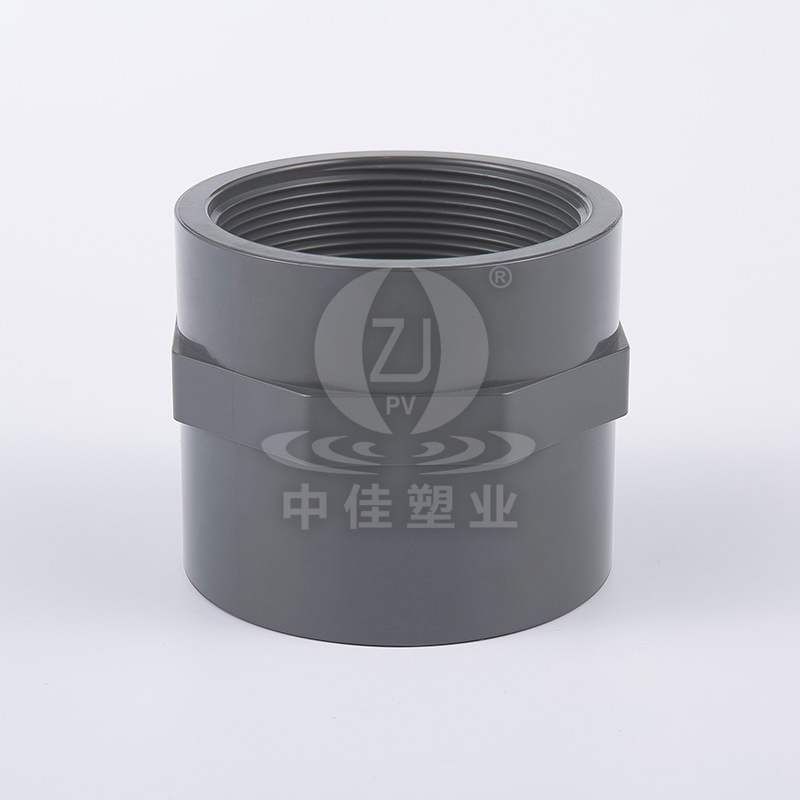
| Coupling | Joins two pipe sections in a straight line | Extending pipe length |
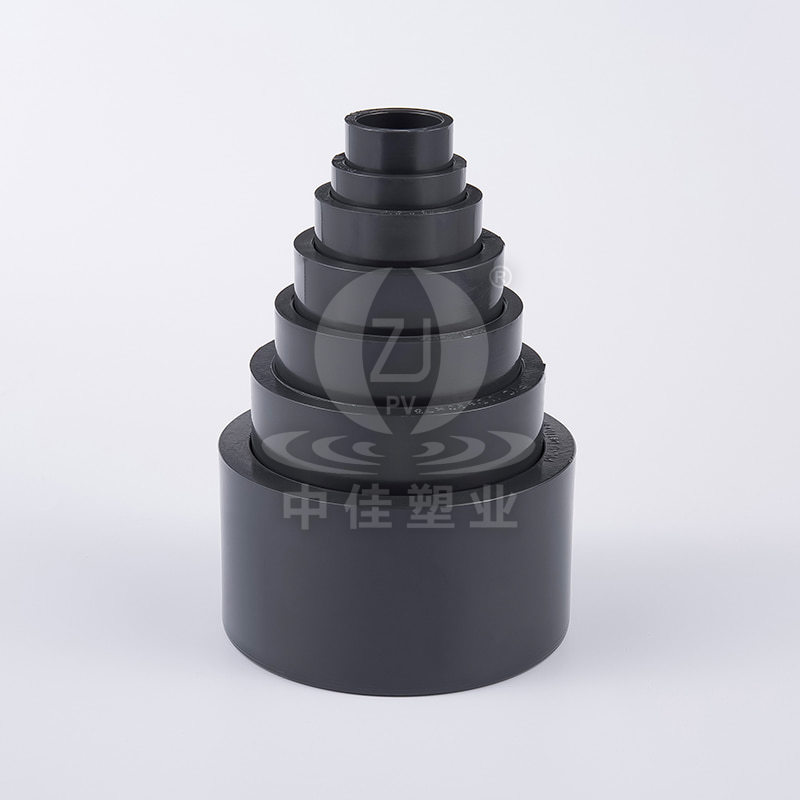
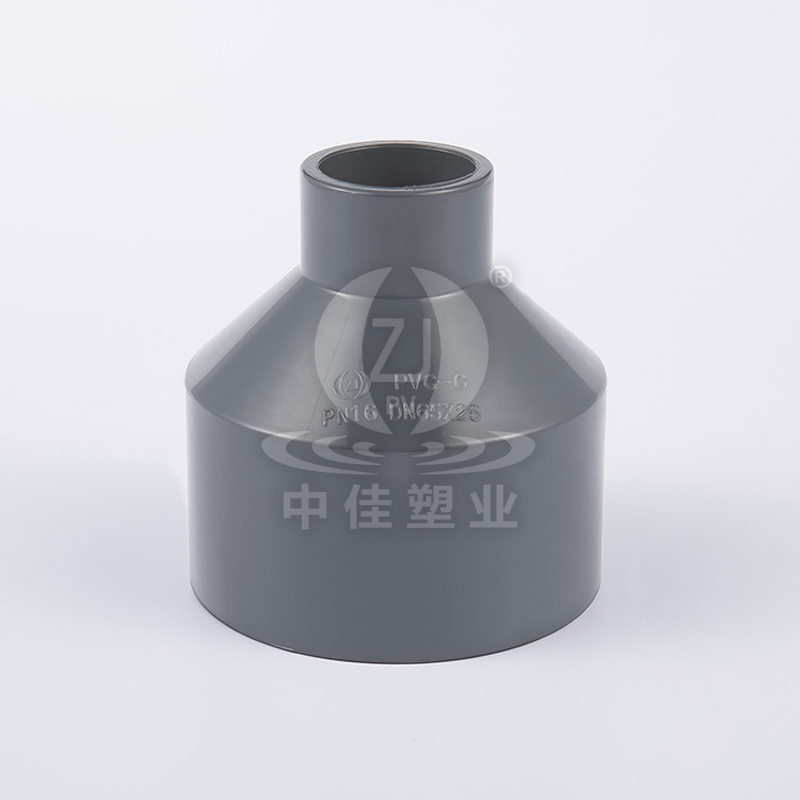
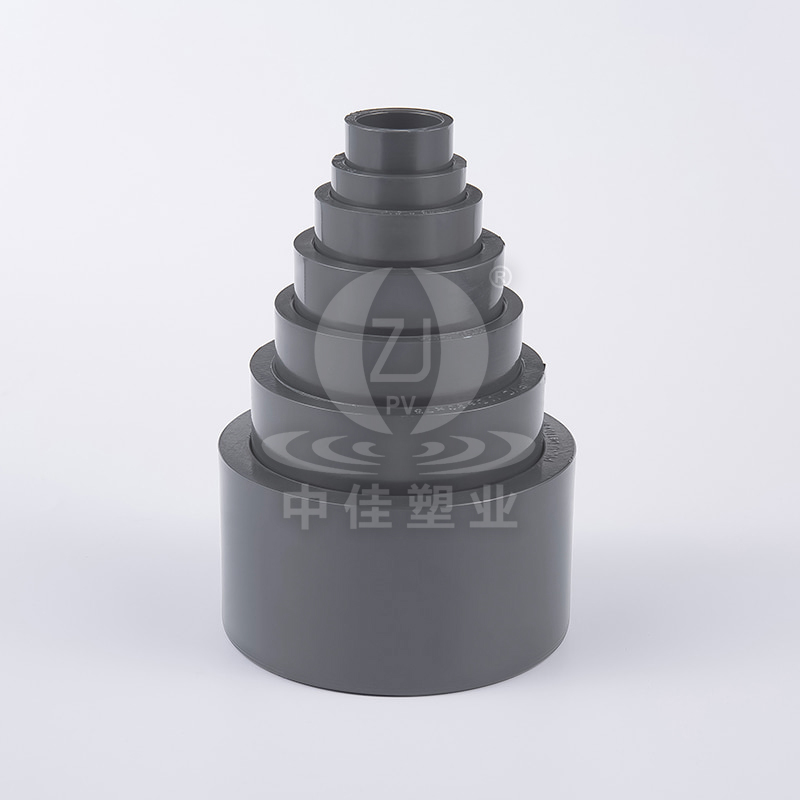
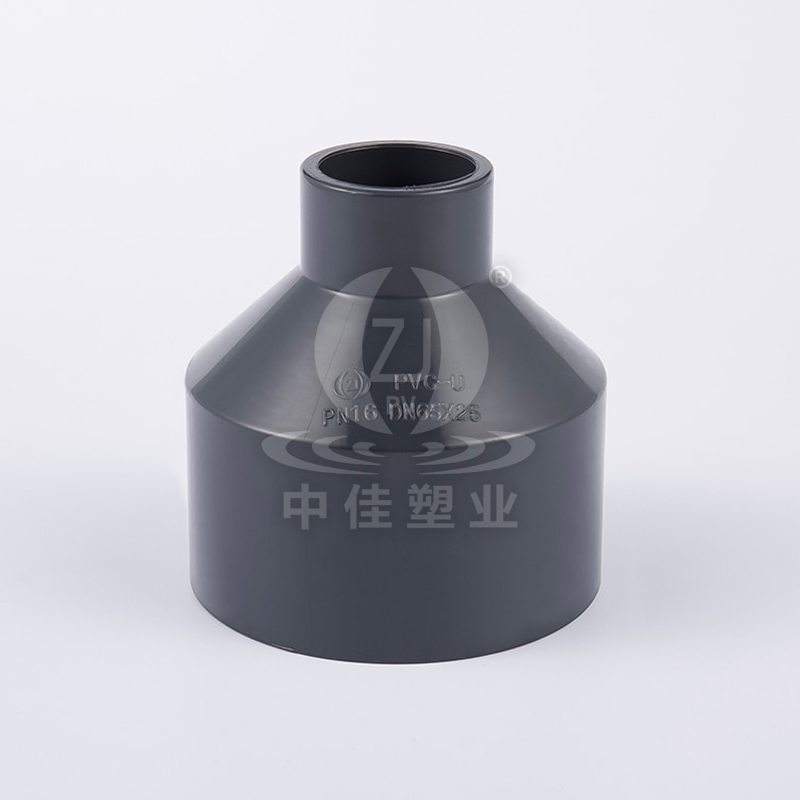
| Reducer | Connects pipes of different diameters | Transitioning pipe size |
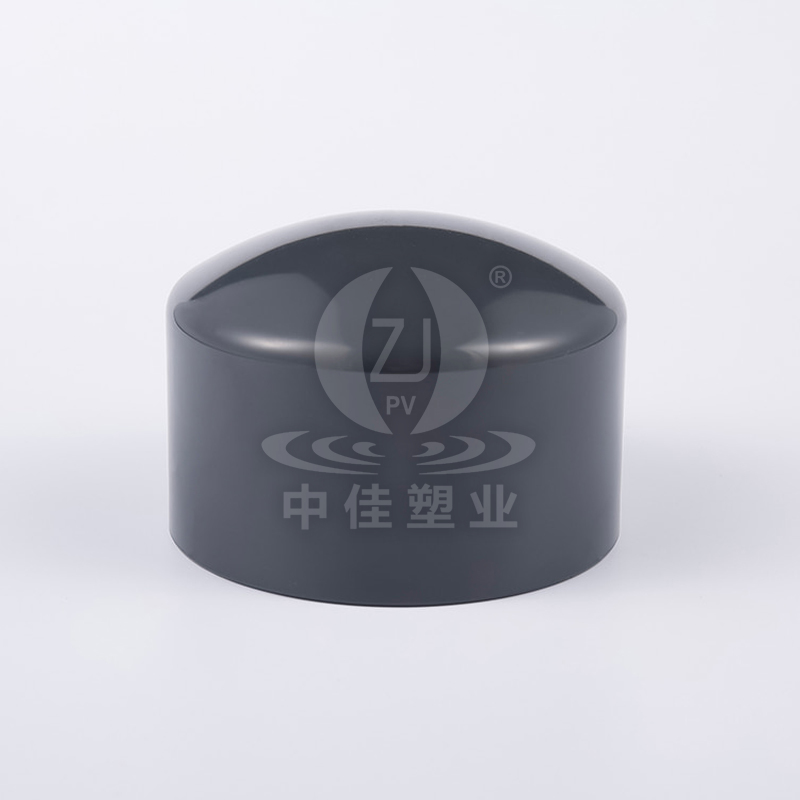
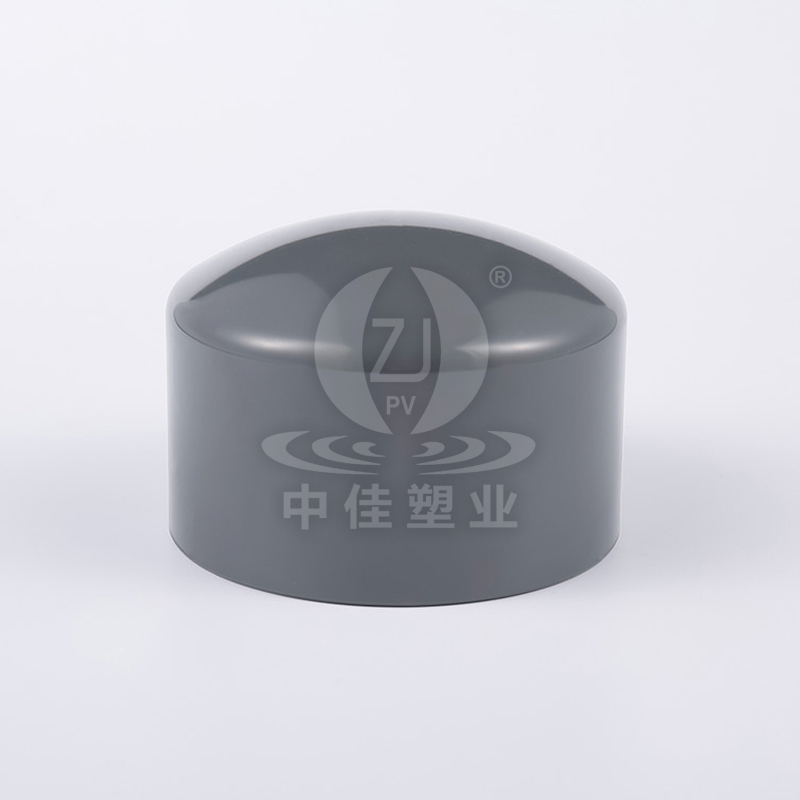
| Cap | Seals the end of a pipe | Terminating an unused line |
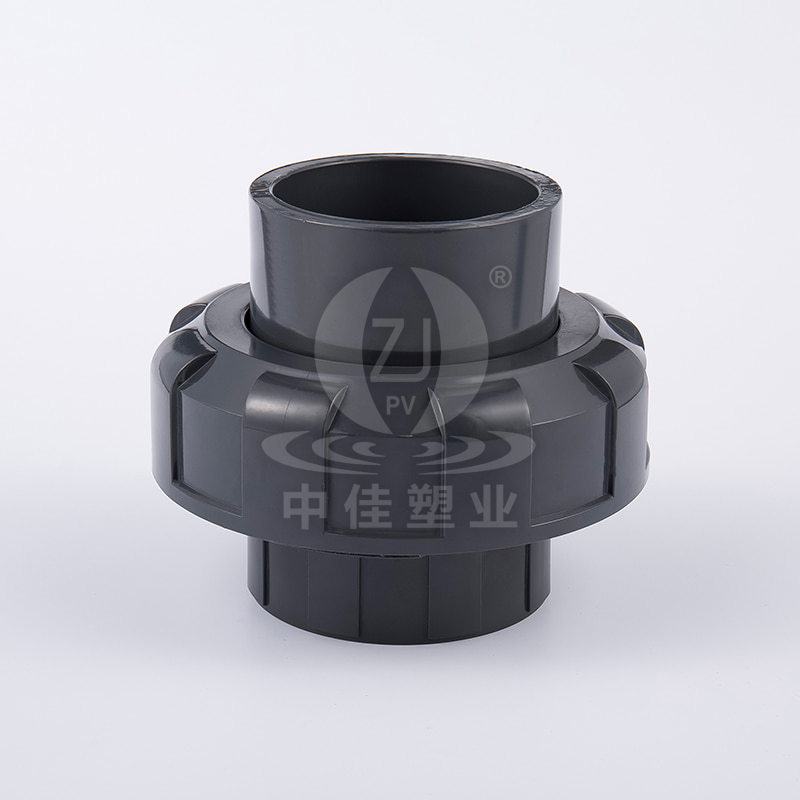
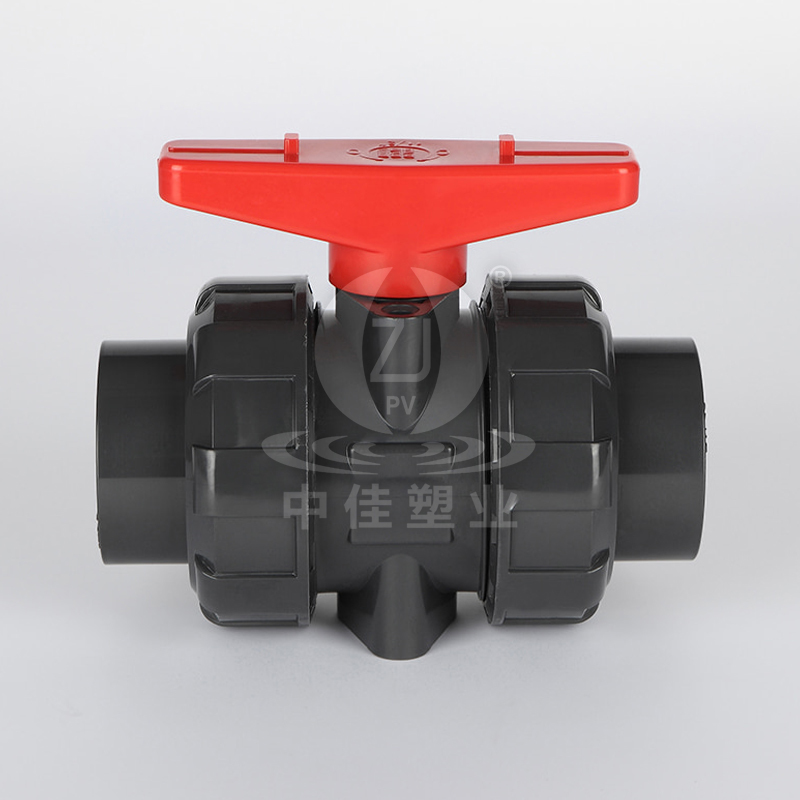
| Union | Allows easy disconnection for maintenance | Sections requiring frequent access |
| Cross | Splits flow into two branch lines | Complex multi-directional systems |
Unions deserve particular attention because they serve a distinct purpose compared to standard couplings. While a coupling creates a permanent or semi-permanent joint, a union is specifically designed to be disassembled without cutting the pipe, making it invaluable in sections of a system that require periodic maintenance, inspection, or equipment replacement.
Beyond their functional category, fittings are also classified by how they physically connect to the pipe, and this connection method significantly affects installation approach, pressure rating, and suitability for different applications.
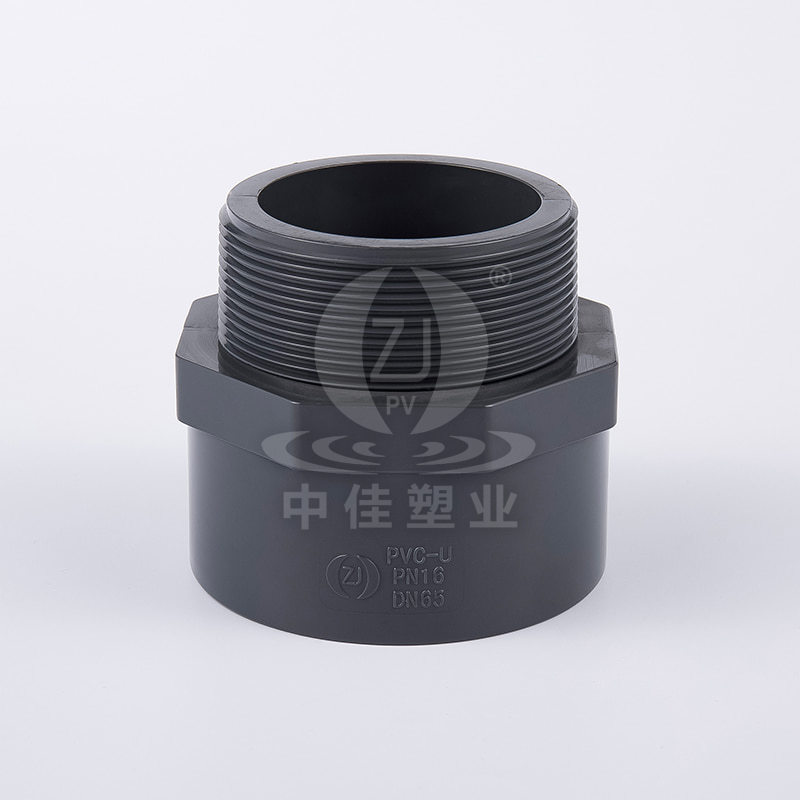
Threaded fittings use matching internal and external threads to create a mechanical seal, often reinforced with thread sealant or tape. They are widely used in lower-pressure applications and are valued for allowing relatively easy disassembly compared to welded or soldered connections.
Welded fittings create a permanent, high-strength bond by fusing the fitting directly to the pipe material. This connection method is common in high-pressure industrial applications, such as oil and gas piping, where the strength and leak resistance of a welded joint outweighs the convenience of a disassemblable connection.
Common in copper plumbing systems, soldered fittings are joined using heat and solder metal that flows into the joint by capillary action, creating a strong, leak-resistant seal suitable for residential and light commercial water systems.
Compression fittings use a mechanical nut and ferrule system to create a seal without soldering or welding, making them popular for applications where a tool-free or low-heat installation method is preferred, such as certain plumbing and gas line connections.
The material used to manufacture a pipe fitting must be compatible with both the connected pipe material and the substance flowing through the system.
Matching fitting material to pipe material is essential, since dissimilar metals in direct contact can cause galvanic corrosion over time, particularly in systems exposed to moisture. When dissimilar materials must be joined, dielectric fittings are often used to electrically isolate the two metals and prevent this type of corrosion.
Choosing the correct pipe fitting requires evaluating several factors specific to the piping system's operating conditions and intended function.
Every fitting has a maximum pressure and temperature rating that must meet or exceed the system's operating conditions. Using an underrated fitting in a high-pressure application significantly increases the risk of joint failure and leakage.
The substance flowing through the system, whether water, natural gas, corrosive chemicals, or compressed air, must be chemically compatible with the fitting material to prevent degradation, contamination, or unexpected failure over time.
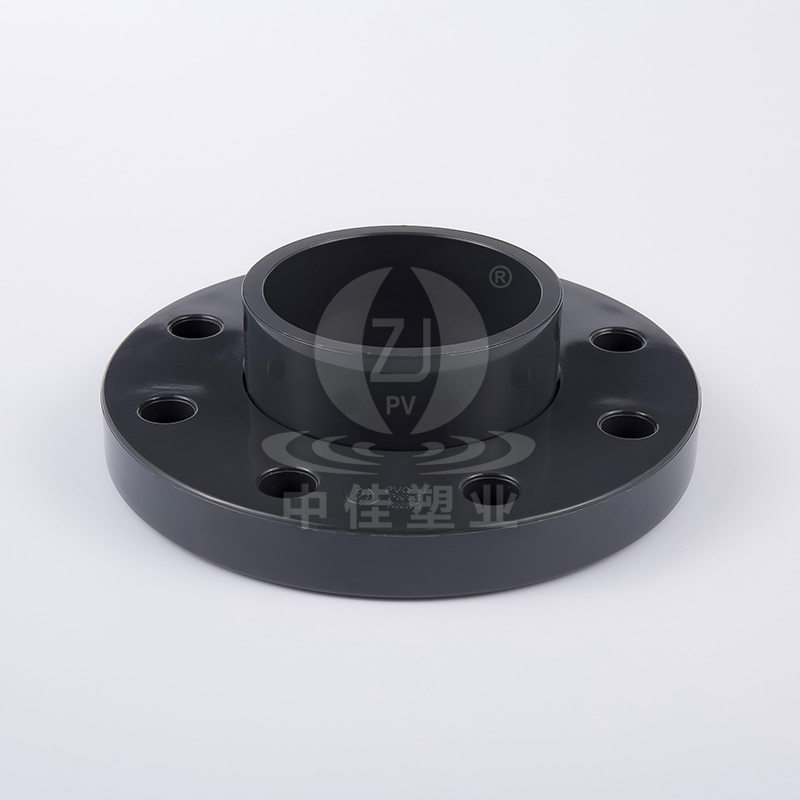
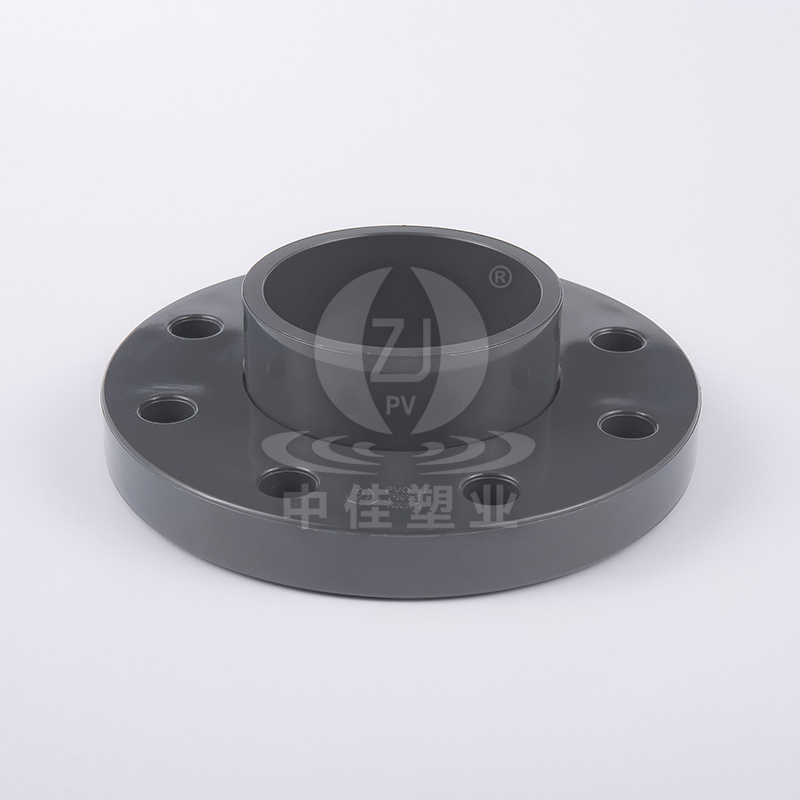
For sections of a system likely to require future maintenance or component replacement, choosing a fitting type that allows for disassembly, such as a union or flanged connection, can save significant time and labor compared to cutting into a welded joint later.
Proper installation technique is just as important as selecting the correct fitting type and material. Threaded connections should be tightened to manufacturer-specified torque values, since overtightening can crack fittings while undertightening risks leaks under pressure.
For welded fittings, ensuring proper joint preparation, including clean, properly beveled pipe ends, helps produce a strong, defect-free weld that will not become a point of failure under system pressure. Pressure testing newly installed fitting connections before placing a system into full operation is also a standard practice that helps identify leaks or weak joints before they cause larger problems down the line. By understanding the range of available fitting types, connection methods, and material options, engineers and installers can select components that match both the functional requirements and operating conditions of their specific piping system, resulting in safer, more reliable long-term performance.

Follow us
PVC-U
PVC-U Pipes PVC-U Fittings for Industry PVC-U Fittings for Water Supply PVC-U Pipes ASTM D1785 PVC-U Fittings ASTM SCH80
Copyright © Changzhou Zhongjia Plastic Industry Co., Ltd.All rights reserved.
 UPVC/CPVC Pipes Manufacturers


Copyright @ Changzhou Zhongjia Plastic Industry Co., Ltd.All Rights Reserved.



 عربى
عربى  中文简体
中文简体  Español