Content
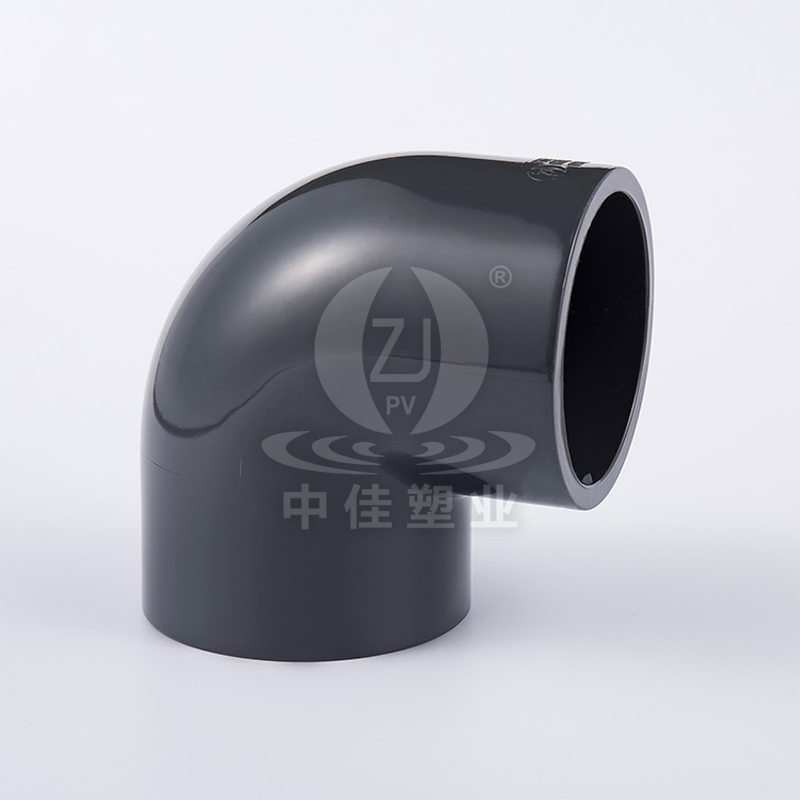
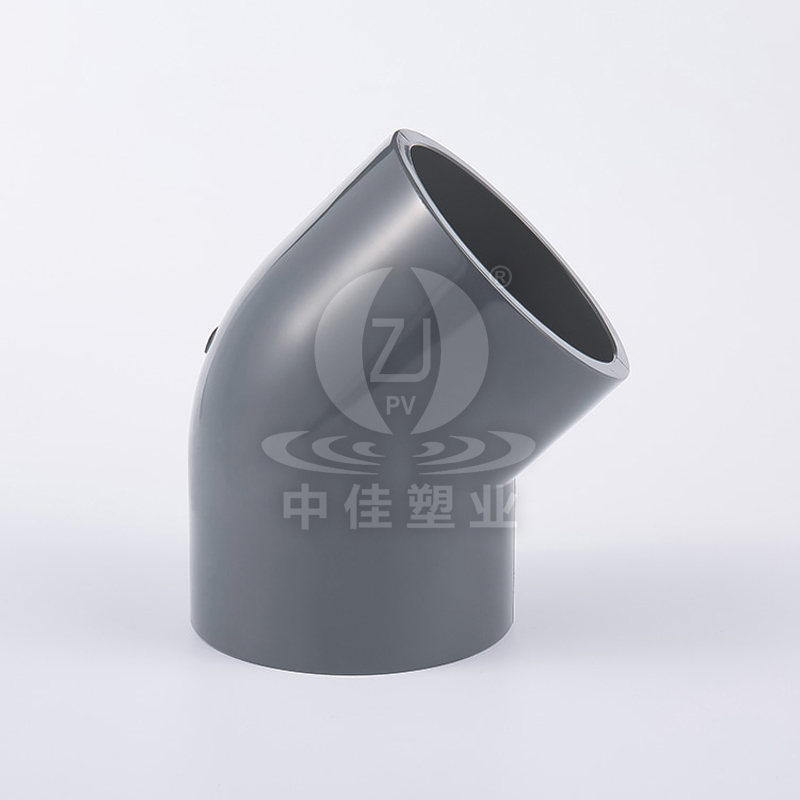
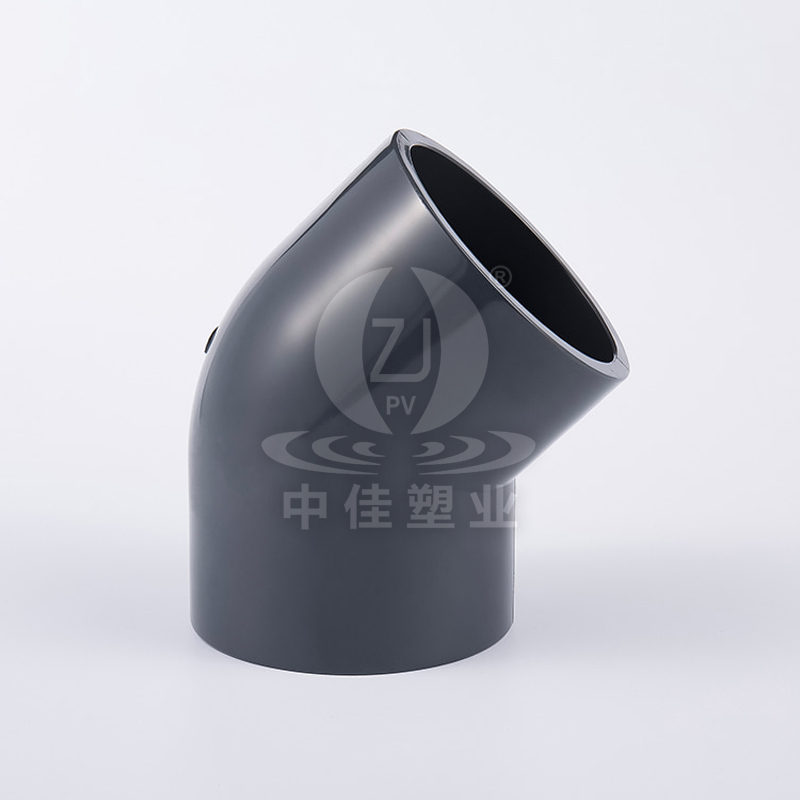
A UPVC 45° elbow is a pipe fitting made from unplasticized polyvinyl chloride that changes the direction of a piping run by a 45-degree angle. Unlike the more commonly used 90° elbow, which creates a sharp right-angle turn, the 45° elbow produces a gentler directional change, which reduces flow resistance and turbulence at the point of the bend. This makes it a practical choice in systems where maintaining smooth, efficient flow is a priority, or where two 45° fittings are combined to create a gradual offset around an obstacle.
UPVC itself is valued in piping applications because it does not contain plasticizers, which gives it greater rigidity, chemical resistance, and long-term durability compared to standard PVC. This makes UPVC elbows well suited for both pressure and non-pressure applications, including water supply lines, drainage systems, and industrial fluid transport, where consistent performance over many years of service is expected.
The choice between a 45° and 90° elbow depends largely on the flow characteristics required for a given piping system. Because the 45° elbow creates a more gradual change in direction, it generates less pressure drop and turbulence than a 90° elbow, which can be particularly important in systems carrying high flow volumes or where minimizing energy loss across the piping network is a design priority.
In drainage and wastewater applications, 45° elbows are often preferred because their gentler bend reduces the likelihood of debris buildup or blockage at the fitting, a common issue with sharper 90° turns. For this reason, many plumbing codes recommend using pairs of 45° elbows instead of a single 90° elbow when routing drainage pipe around obstacles, since this configuration maintains better flow characteristics along the pipe run.
UPVC 45° elbows are manufactured in several configurations to accommodate different connection methods and system requirements.
Socket-type elbows are designed for solvent cement (glue) joints, where the pipe is inserted into the fitting's socket and bonded with a chemical solvent that fuses the two surfaces together. This connection type is common in residential and commercial plumbing due to its strong, permanent seal and relatively low installation cost.
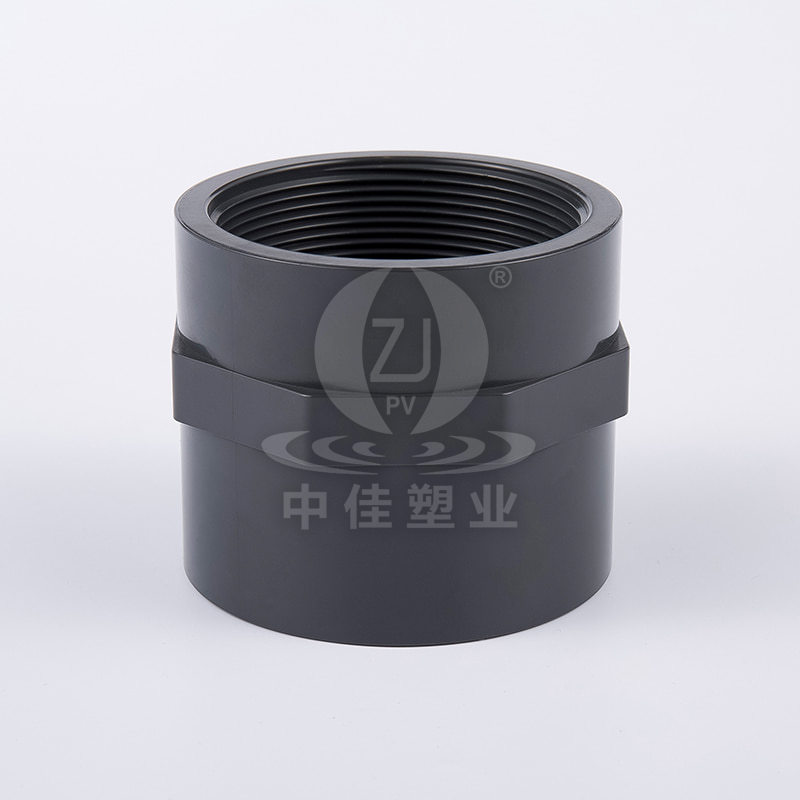
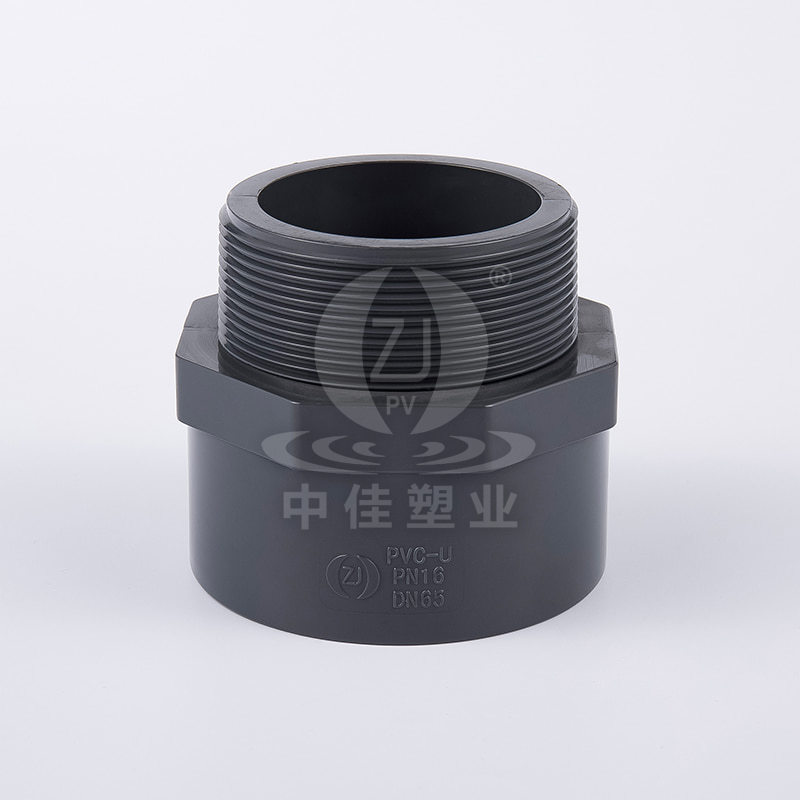
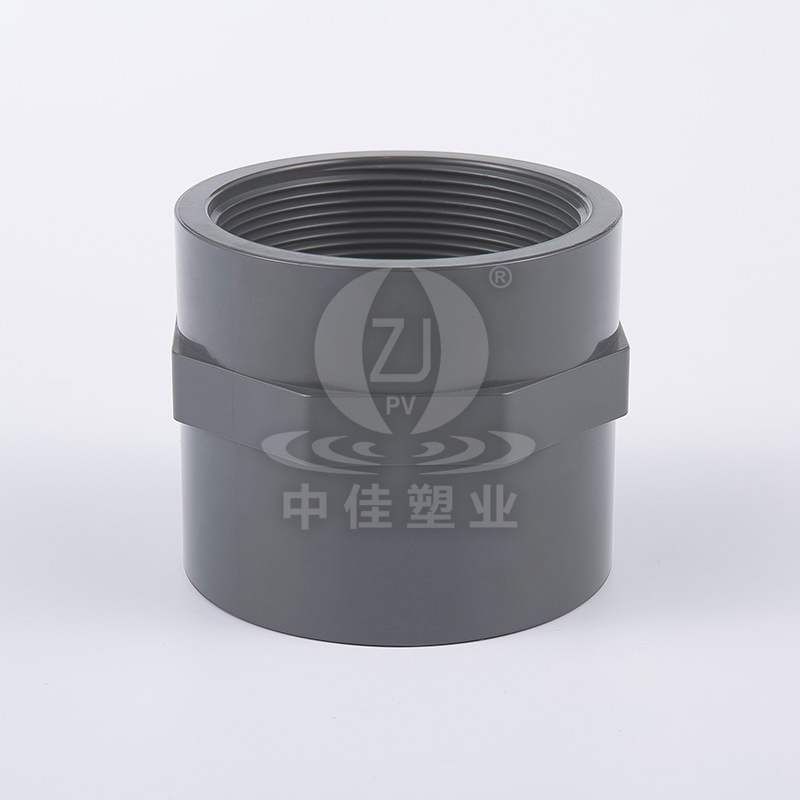
Threaded elbows feature molded threads that allow them to connect to other threaded fittings or equipment without solvent welding. These are often used where a fitting may need to be removed or replaced in the future, such as connections near pumps, valves, or equipment that requires periodic maintenance access.
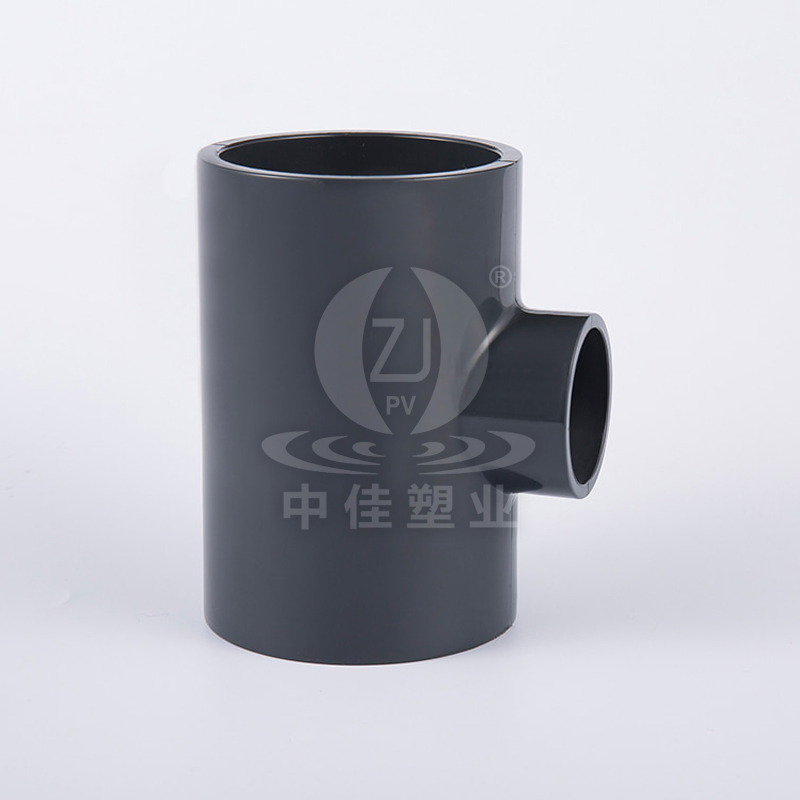
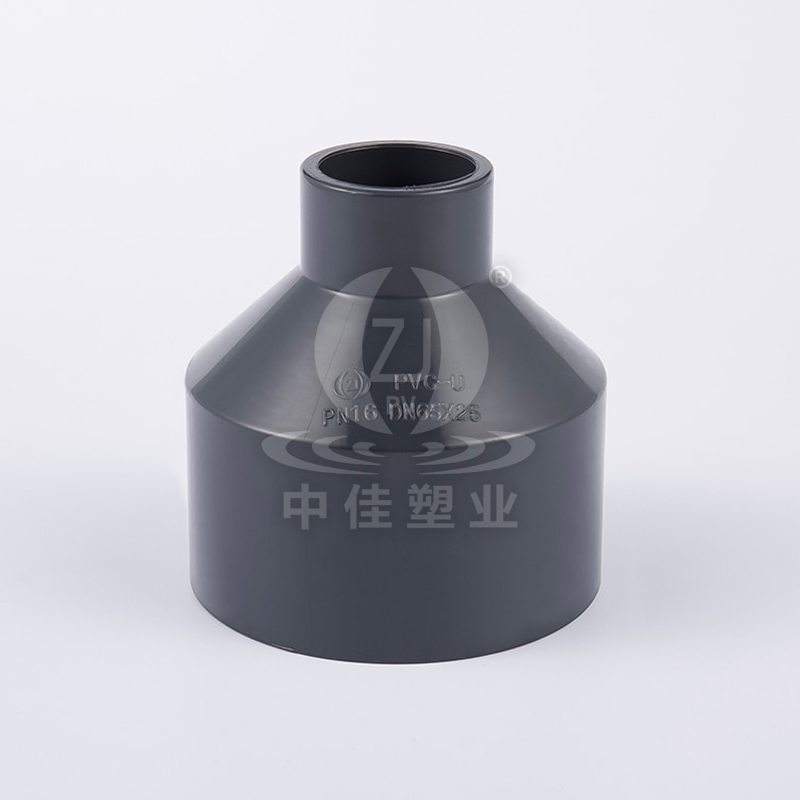
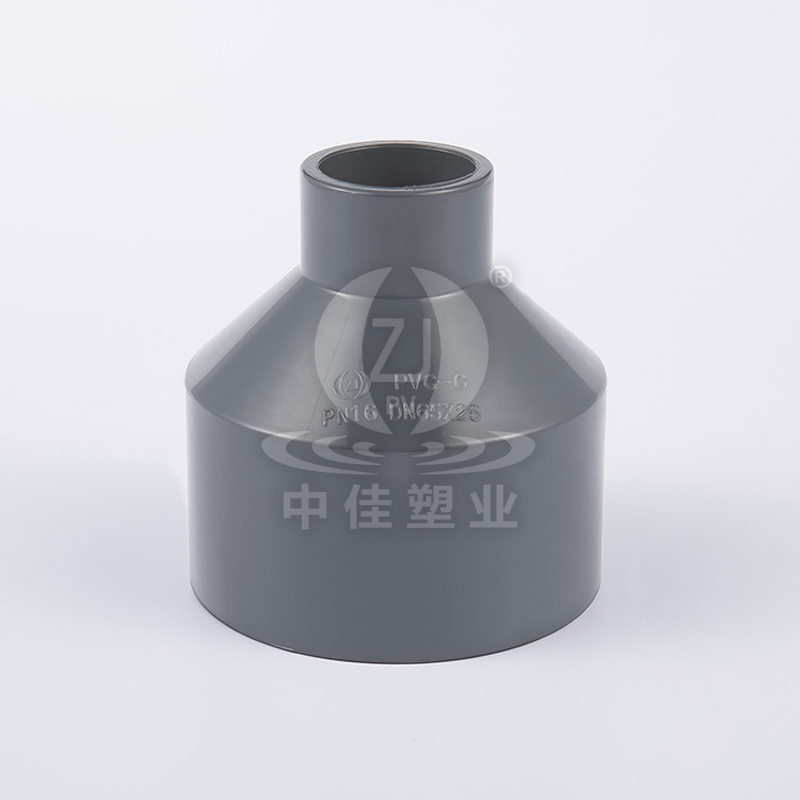
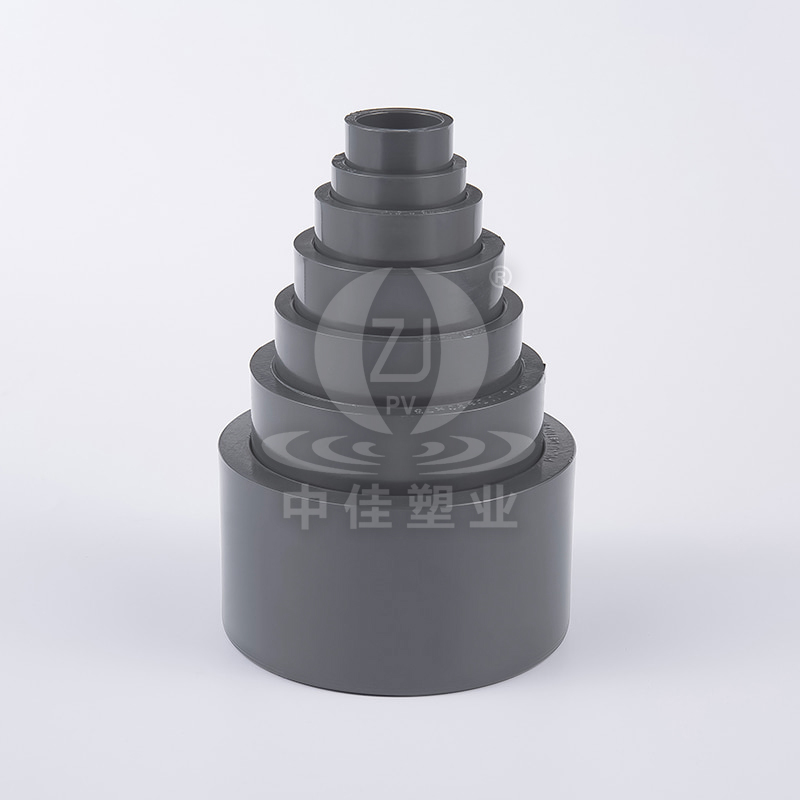
A reducing 45° elbow combines a directional change with a size transition, connecting two pipe sections of different diameters at a 45-degree angle. This type is useful in systems where flow needs to both change direction and step down or up in pipe size within a single fitting, simplifying installation and reducing the total number of fittings required.
| Elbow Type | Connection Method | Typical Use |
| Socket-Type | Solvent cement | General plumbing, drainage |
| Threaded | Screw thread | Equipment, removable joints |
| Reducing | Solvent cement | Size transition with direction change |
UPVC 45° elbows are used across a wide range of piping systems where a moderate directional change is required without introducing excessive flow resistance.
Selecting the correct UPVC 45° elbow requires evaluating several factors beyond simply matching pipe diameter. Making the right choice at the specification stage helps avoid installation delays and long-term performance issues.
Proper installation is essential to achieving a reliable, leak-free connection when working with UPVC 45° elbows. Before applying solvent cement, both the pipe end and the fitting socket should be cleaned of dirt and moisture, and a light layer of primer is typically applied to soften the surfaces and improve bonding strength.
Solvent cement should be applied evenly around the pipe end and inside the fitting socket, and the pipe should be inserted with a slight twisting motion to distribute the cement evenly before holding the joint in place for the manufacturer's recommended set time. Rushing this process or disturbing the joint before the cement has properly set is one of the most common causes of early joint failure in UPVC piping systems.
Installers should also avoid over-tightening threaded elbow connections, since excessive force can crack the UPVC material at the threads. Using PTFE tape or an appropriate thread sealant, applied according to manufacturer guidance, helps achieve a secure seal without placing unnecessary stress on the fitting.
UPVC 45° elbows generally require minimal maintenance once properly installed, but periodic inspection helps catch potential issues before they develop into leaks or system failures. Visible signs of stress, such as discoloration, cracking, or seepage around the joint, should be investigated promptly, as they often indicate improper installation, excessive system pressure, or exposure to incompatible chemicals.
In systems exposed to significant temperature fluctuations, checking for signs of thermal expansion stress around fittings is particularly important, since repeated expansion and contraction can gradually weaken solvent-welded joints over time. For buried or inaccessible piping runs, scheduling periodic pressure testing can help confirm system integrity without requiring full excavation or disassembly.
By selecting the appropriate elbow type, pressure rating, and connection method for the application, and by following proper installation and inspection practices, UPVC 45° elbows can provide dependable, low-maintenance performance across water supply, drainage, and industrial piping systems for many years.

Follow us
PVC-U
PVC-U Pipes PVC-U Fittings for Industry PVC-U Fittings for Water Supply PVC-U Pipes ASTM D1785 PVC-U Fittings ASTM SCH80
Copyright © Changzhou Zhongjia Plastic Industry Co., Ltd.All rights reserved.
 UPVC/CPVC Pipes Manufacturers


Copyright @ Changzhou Zhongjia Plastic Industry Co., Ltd.All Rights Reserved.



 عربى
عربى  中文简体
中文简体  Español