Content
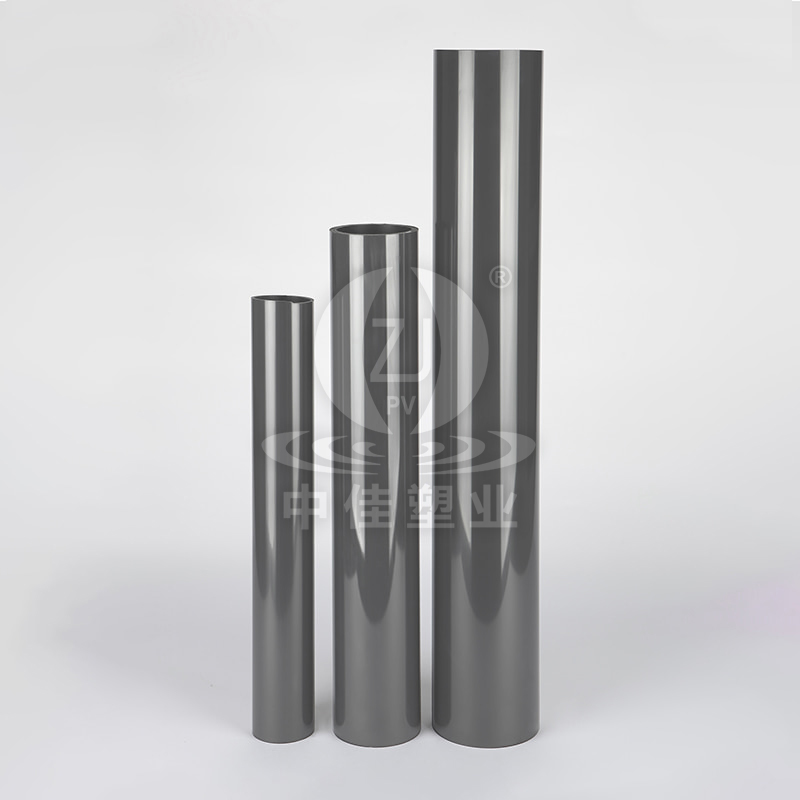
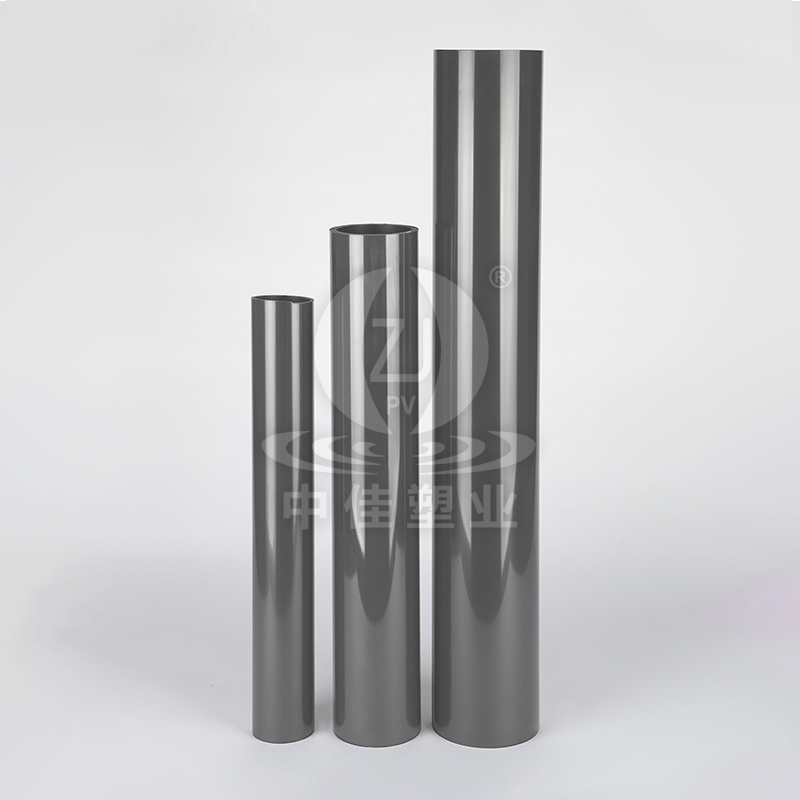
Unplasticized polyvinyl chloride — commonly known as UPVC — has established itself as one of the most trusted and widely deployed piping materials across industrial sectors worldwide. Unlike standard PVC, which contains plasticizer additives to improve flexibility, UPVC is produced without plasticizers, resulting in a rigid, dimensionally stable pipe that delivers significantly higher mechanical strength, superior chemical resistance, and better long-term performance under pressure. In industrial environments where pipelines are exposed to aggressive chemicals, elevated pressures, corrosive fluids, and demanding service conditions, UPVC pipes offer a combination of properties that metal alternatives such as steel, cast iron, or copper often cannot match at comparable cost. Understanding the full scope of industrial UPVC pipe technology — from material composition and pressure ratings to installation practices and selection criteria — is essential for engineers, procurement specialists, and facility managers responsible for industrial piping system design and maintenance.
The distinction between UPVC and plasticized PVC is more than a matter of nomenclature — it reflects a fundamentally different material formulation with substantially different engineering properties. Standard PVC contains plasticizer compounds, typically phthalates, that increase flexibility and impact resistance at the cost of reduced tensile strength, lower heat deflection temperature, and diminished resistance to certain solvents. UPVC eliminates these plasticizers entirely, producing a pipe that is harder, stiffer, and capable of sustaining higher service pressures at equivalent wall thickness. The absence of plasticizers also eliminates the risk of plasticizer migration into transported fluids, which is a concern in food processing, pharmaceutical, and drinking water applications where extractable compounds must be minimized.
Compared to other thermoplastic pipe materials, UPVC occupies a specific performance niche. CPVC (chlorinated PVC) extends the usable temperature range to approximately 93°C compared to UPVC's practical limit of around 60°C, making it preferable for hot fluid service. HDPE (high-density polyethylene) offers superior impact resistance and flexibility for buried and trenchless applications. Polypropylene (PP) and PVDF provide better resistance to certain aggressive chemicals and higher temperatures. However, UPVC's combination of rigidity, pressure rating, chemical resistance across a broad range of acids and alkalis, UV stability with appropriate stabilizer packages, ease of fabrication, and cost-competitiveness makes it the default choice for a wide range of industrial applications operating below 60°C.

The engineering case for UPVC in industrial applications rests on a well-documented set of material properties that have been extensively characterized through decades of field deployment and standardized laboratory testing.
Industrial UPVC pipes are manufactured to a range of international and regional standards that specify dimensional tolerances, pressure ratings, material compound requirements, and test methods. Familiarity with the relevant standards for a given project is essential to ensuring that specified pipe will perform as intended and meet regulatory or client requirements.
| Standard | Region | Pressure Classes | Size Range | Key Applications |
| ISO 1452 | International | PN 6 – PN 25 | DN 16 – DN 630 | Water supply, industrial pressure systems |
| ASTM D1785 | USA | Schedule 40, 80, 120 | ½" – 12" | Chemical processing, industrial fluid handling |
| BS EN 1452 | Europe / UK | PN 10 – PN 25 | DN 16 – DN 630 | Water mains, industrial installations |
| AS/NZS 1477 | Australia / NZ | PN 6 – PN 18 | DN 15 – DN 375 | Water, drainage, industrial |
| DIN 8061/8062 | Germany | PN 4 – PN 16 | DN 10 – DN 500 | Chemical industry, process piping |
Pressure ratings for UPVC pipe are always specified at a reference temperature of 20°C. A critical design consideration is the significant derating of pressure capacity at elevated temperatures — at 40°C, the allowable working pressure is typically reduced to approximately 75% of the 20°C rating, and at 60°C, it may fall to as low as 40–50%. Engineers designing systems that operate at temperatures above ambient must apply appropriate derating factors to avoid operating the pipe above its safe working pressure envelope.
The combination of chemical resistance, pressure capability, smooth bore, and cost-effectiveness positions industrial UPVC pipe as a versatile solution across multiple sectors. Its use extends far beyond basic water supply into demanding process and infrastructure applications.
Industrial UPVC pipe is extensively used in chemical plants for conveying dilute acids, alkali solutions, salt solutions, and other process chemicals that would rapidly corrode metal piping. Hydrochloric acid treatment systems, sodium hypochlorite dosing lines, sulfuric acid transfer systems, and pickling bath circulation lines are all common applications. Schedule 80 UPVC, with its heavier wall thickness and correspondingly higher pressure rating compared to Schedule 40, is the standard specification for chemical process piping where additional mechanical strength and a greater corrosion allowance are required. The chemical compatibility of UPVC must always be verified against the specific concentration and temperature of the transported chemical before specifying the material, as compatibility varies significantly with concentration and operating temperature.
Water treatment facilities — including municipal drinking water plants, industrial water treatment systems, desalination plants, and cooling water circuits — rely heavily on UPVC pipe for both process and distribution pipework. UPVC's resistance to chlorine and chloramine disinfectants, its non-toxic formulation, and its smooth internal surface that resists biofilm accumulation make it particularly well-suited to potable water applications. In reverse osmosis and ultrafiltration membrane systems, UPVC pipe carries both feed water and permeate streams at working pressures that typically fall well within the material's rated capacity.
Large-scale agricultural irrigation systems, including main supply lines, distribution manifolds, and fertigation systems, use UPVC pipe extensively for its combination of pressure performance, long service life, and relatively low installed cost compared to alternatives. Fertilizer solution transfer lines benefit from UPVC's resistance to the ammonium nitrate, potassium chloride, and phosphate compounds commonly used in liquid fertilizer formulations. In food processing facilities, UPVC is used for cooling water, process water, and waste liquor transfer where chemical inertness and smooth bore hygiene are priorities.
Mining operations use UPVC pipe in leach solution circuits, reagent dosing systems, tailings transfer, and acid mine drainage management. The ability of UPVC to withstand dilute sulfuric acid — the primary leachate in heap leaching operations for copper and uranium recovery — at working pressures up to PN 12.5 or PN 16 makes it a cost-effective alternative to rubber-lined steel or HDPE in many circuit applications. In pump discharge lines and solution distribution manifolds at mineral processing plants, UPVC's rigidity and dimensional stability simplify support design and reduce the risk of sagging or joint displacement under load compared to flexible thermoplastic alternatives.
The choice of joining method affects both the mechanical integrity and chemical tightness of an industrial UPVC piping system. Unlike metal pipes that rely primarily on welding and flanging, UPVC offers several distinct joining technologies, each suited to different pressure levels, accessibility constraints, and disassembly requirements.
Correct installation is as important to the long-term performance of an industrial UPVC piping system as correct material specification. Errors in installation — many of which are avoidable with proper training and supervision — are the leading cause of premature joint failures, pipe cracking, and system leaks in the field.
Effective selection of industrial UPVC pipe requires moving through a structured evaluation process that addresses each critical parameter in sequence. Begin by establishing the operating and design pressure at the worst-case point in the system, applying a safety factor to the maximum working pressure to determine the required pressure class, and then confirming that the selected pipe schedule or PN rating meets this requirement at the maximum operating temperature with appropriate derating applied. Verify chemical compatibility by consulting the UPVC chemical resistance database for the specific chemical, concentration, and temperature combination in question — generic compatibility tables should be supplemented with supplier confirmation for unusual or high-risk chemical services.
Confirm that the pipe compound meets the applicable standard for the intended service — food contact and drinking water applications typically require pipes certified to NSF/ANSI 61 or equivalent national standards, while general industrial service does not impose this requirement. Evaluate the jointing method in the context of installation access, maintenance requirements, and the need for future disassembly. Finally, consider the total installed cost rather than the pipe material cost alone — UPVC's lower weight, ease of fabrication, and absence of corrosion protection requirements frequently result in installed costs below those of metal alternatives even when the pipe material itself commands a premium over the simplest available option.

Follow us
PVC-U
PVC-U Pipes PVC-U Fittings for Industry PVC-U Fittings for Water Supply PVC-U Pipes ASTM D1785 PVC-U Fittings ASTM SCH80
Copyright © Changzhou Zhongjia Plastic Industry Co., Ltd.All rights reserved.
 UPVC/CPVC Pipes Manufacturers


Copyright @ Changzhou Zhongjia Plastic Industry Co., Ltd.All Rights Reserved.



 عربى
عربى  中文简体
中文简体  Español