Content
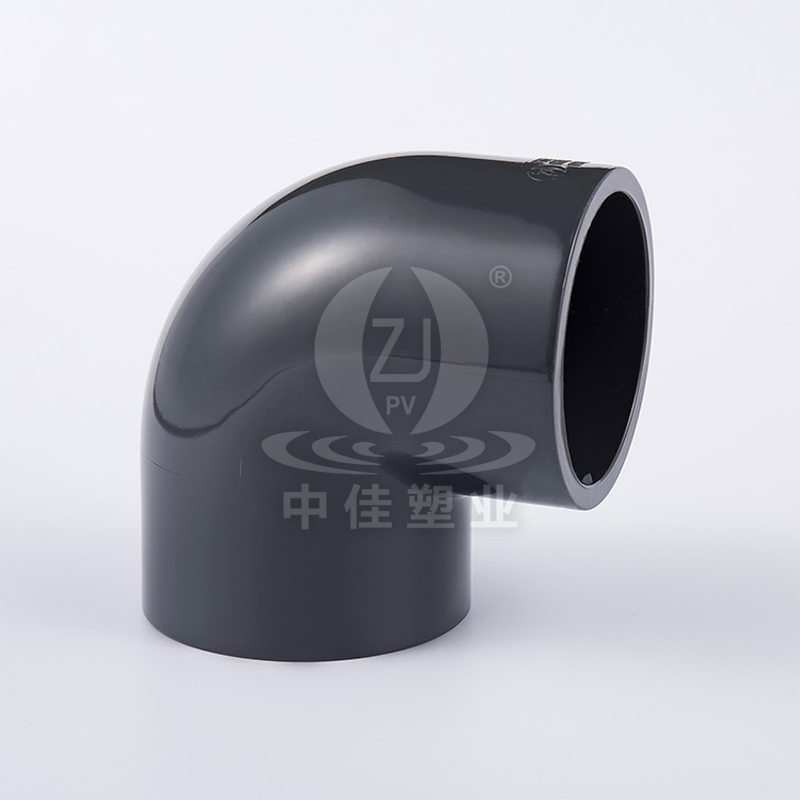
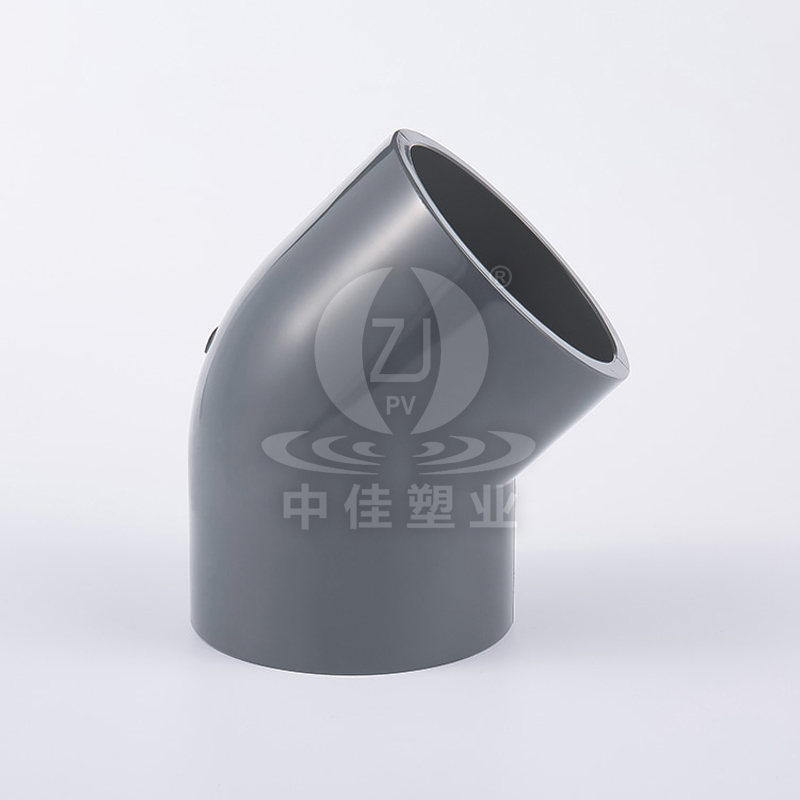
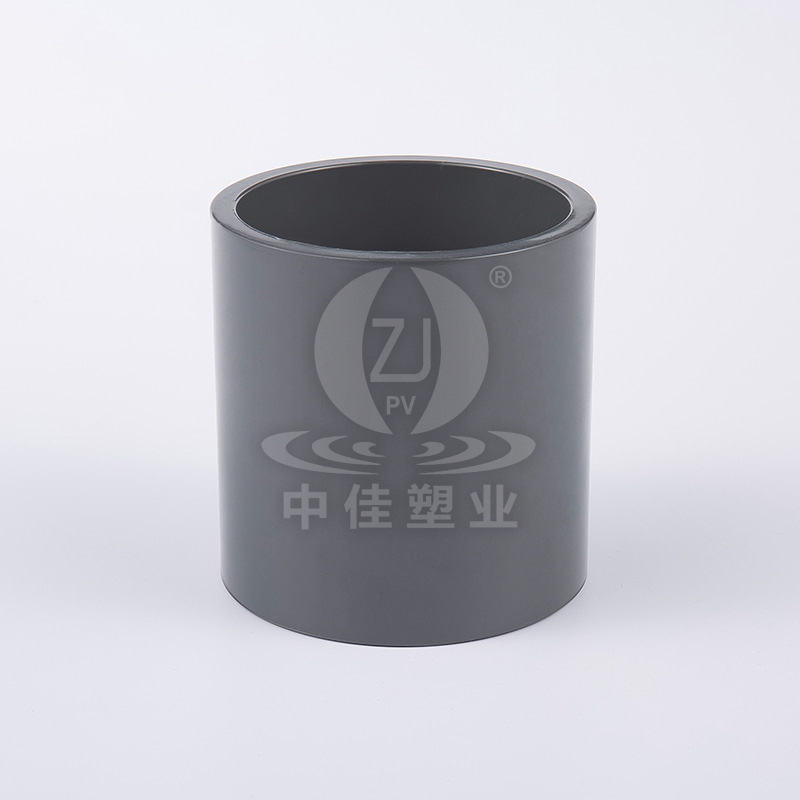
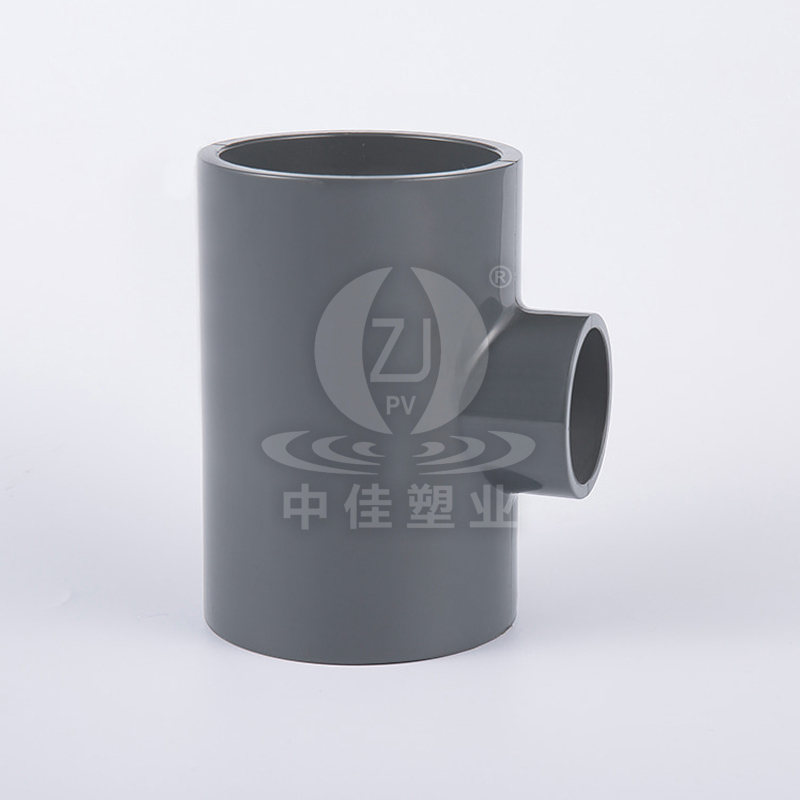
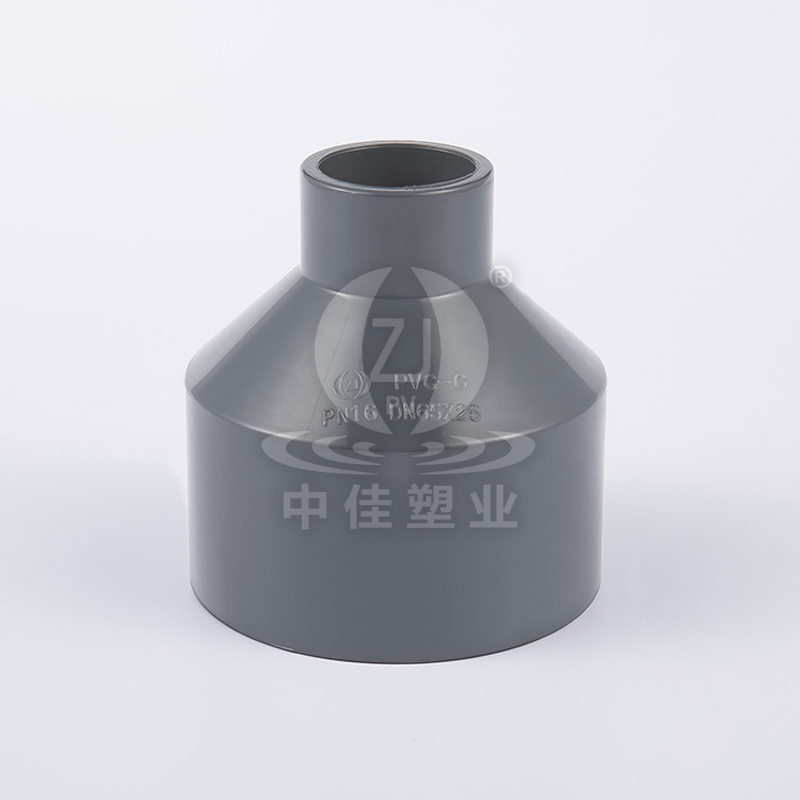
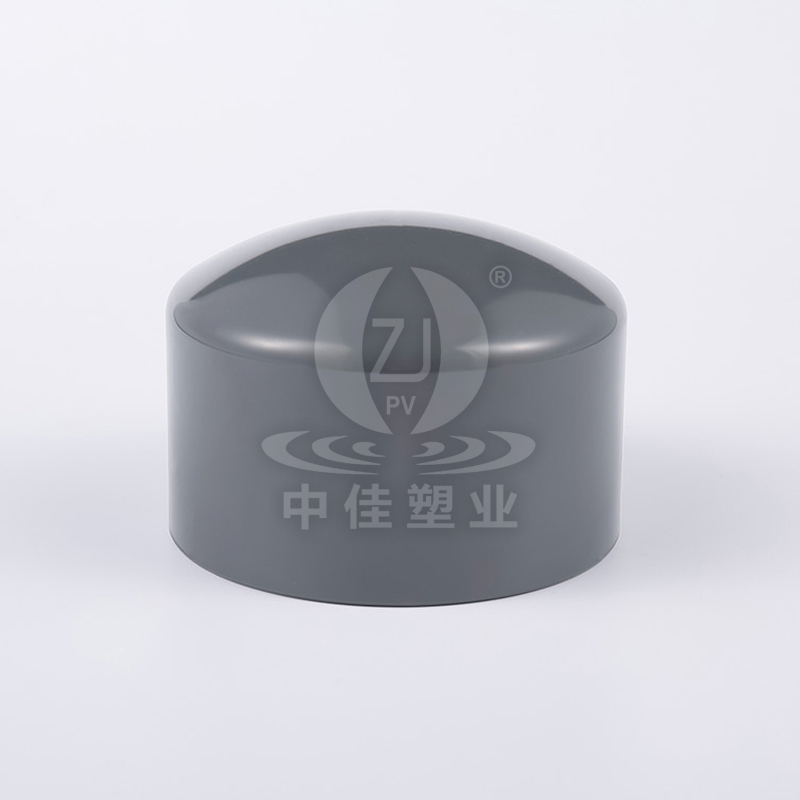
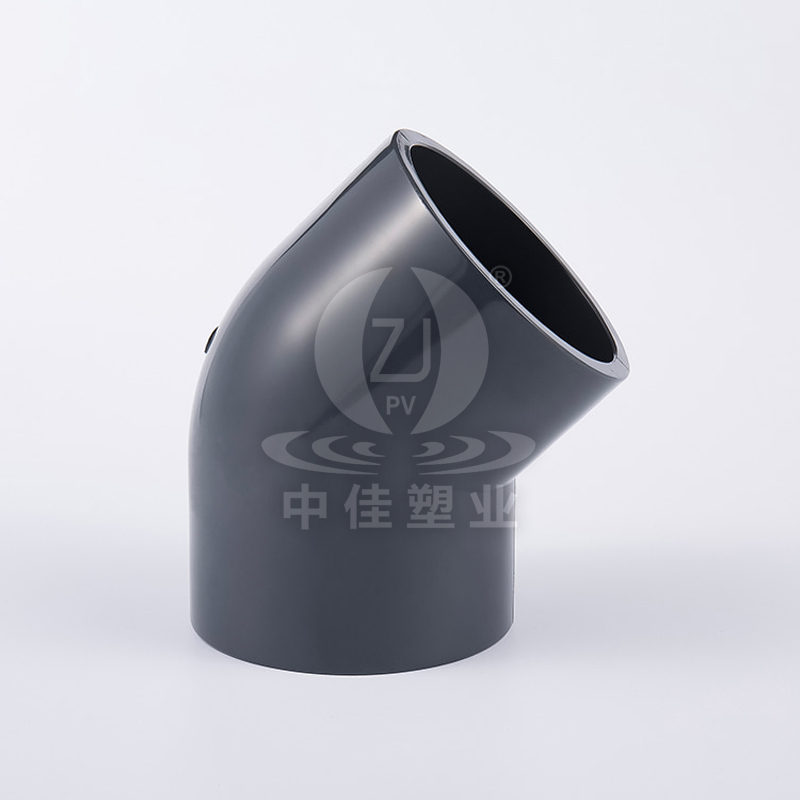
Among the many fittings used in plastic piping systems, the PVC-U 45° elbow is one of the most practically useful and frequently specified components in both residential and industrial installations. Unlike its 90° counterpart, the 45° elbow changes the direction of flow at a gentler angle, which reduces turbulence, lowers pressure loss, and makes routing pipework around obstacles significantly easier in tight or irregular spaces. Whether you are designing a cold water supply system, an irrigation network, a drainage layout, or a chemical handling circuit, understanding the specifications, standards, and correct installation practices for PVC-U 45° elbows will help you select the right fitting and achieve a reliable, long-lasting joint.
PVC-U stands for unplasticized polyvinyl chloride — a rigid, chemically resistant thermoplastic that contains no plasticizer additives, giving it superior dimensional stability, higher pressure resistance, and better chemical inertness compared to flexible PVC grades. A 45° elbow is a pipe fitting that redirects flow through a 45-degree angle, effectively allowing pipework to change direction at half the angle of a standard right-angle elbow. This seemingly simple difference in geometry has significant hydraulic and practical consequences.
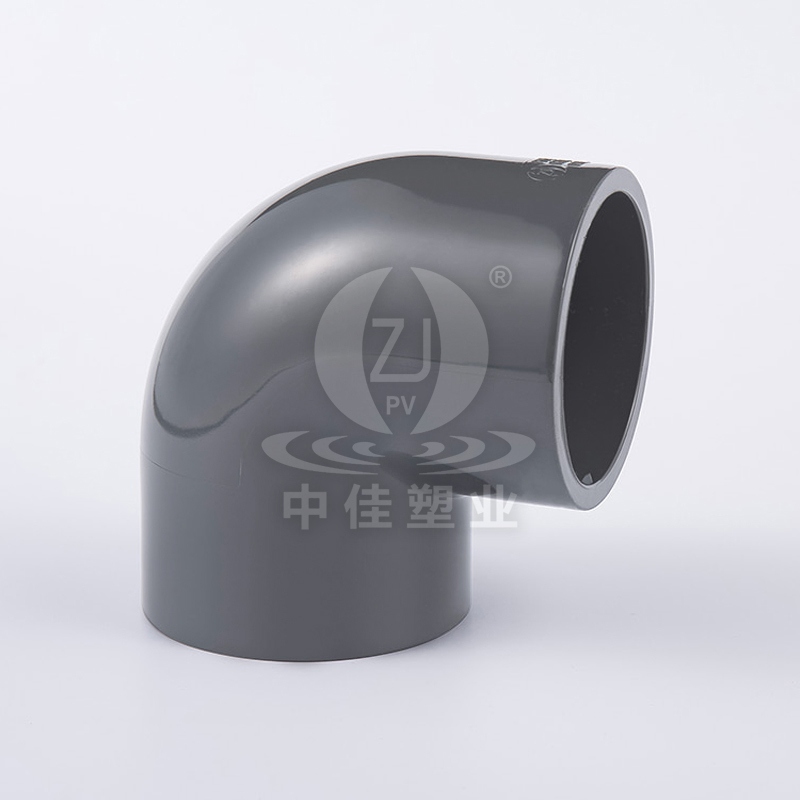
A 90° elbow creates a sharp change in flow direction that generates considerable turbulence and energy loss at the bend. A 45° elbow introduces a more gradual directional change, which reduces the pressure drop across the fitting — an important consideration in systems where maintaining flow velocity and minimizing head loss are design priorities, such as long irrigation mains, high-flow industrial cooling water circuits, and low-gradient drainage systems. In practice, two 45° elbows can replace one 90° elbow where space allows, and the resulting flow path will exhibit lower resistance than the single right-angle fitting.
PVC-U 45° elbows are specified across a wide range of applications where PVC-U pipe systems are used. Their versatility makes them a standard stock item in plumbing supplies, irrigation depots, and industrial pipe fitting inventories.
PVC-U 45° elbows used in pressure piping applications are manufactured to internationally recognized standards that define wall thickness, fitting dimensions, pressure ratings, and material properties. The most widely referenced standards are ISO 1452 (formerly ISO 161), EN 1452 (European standard for PVC-U pressure piping systems), ASTM D2466 and D2467 (North American standards for Schedule 40 and Schedule 80 PVC fittings), and AS/NZS 1477 (Australian and New Zealand standard). Specifying fittings to the appropriate standard ensures dimensional compatibility with pipes from different manufacturers and confirms that pressure ratings are independently verified.
The material specification for PVC-U fittings requires that the resin compound meets minimum requirements for impact strength, heat deflection temperature, and chemical resistance. High-quality PVC-U fittings are manufactured from virgin resin compounds and typically incorporate UV stabilizers for applications with outdoor exposure. The fitting color — most commonly gray in European and industrial markets, white in domestic plumbing, and dark gray or black in outdoor applications — reflects the specific compound formulation and its intended service environment, not just an aesthetic choice.
The pressure rating of a PVC-U 45° elbow is expressed as a nominal pressure (PN) rating, stated in bar, which represents the maximum allowable operating pressure at 20°C water temperature. Common pressure ratings for PVC-U fittings are PN10 (10 bar), PN16 (16 bar), and PN20 (20 bar), with the wall thickness of the fitting increasing with each rating class. It is essential to match the pressure rating of the elbow to the system's maximum operating pressure, including any surge or water hammer pressure that may exceed steady-state values.
Temperature is a critical derating factor for PVC-U. Unlike metal fittings that maintain their pressure rating across a wide temperature range, PVC-U loses mechanical strength as temperature rises. As a general guideline, the maximum operating pressure for a PN16 PVC-U fitting at 25°C is approximately 12.8 bar, dropping to around 6.4 bar at 40°C, and approaching zero at 60°C. This means PVC-U 45° elbows are strictly limited to cold water and ambient temperature applications — they must never be used in hot water supply systems, steam lines, or any application where fluid temperature routinely exceeds 45°C.

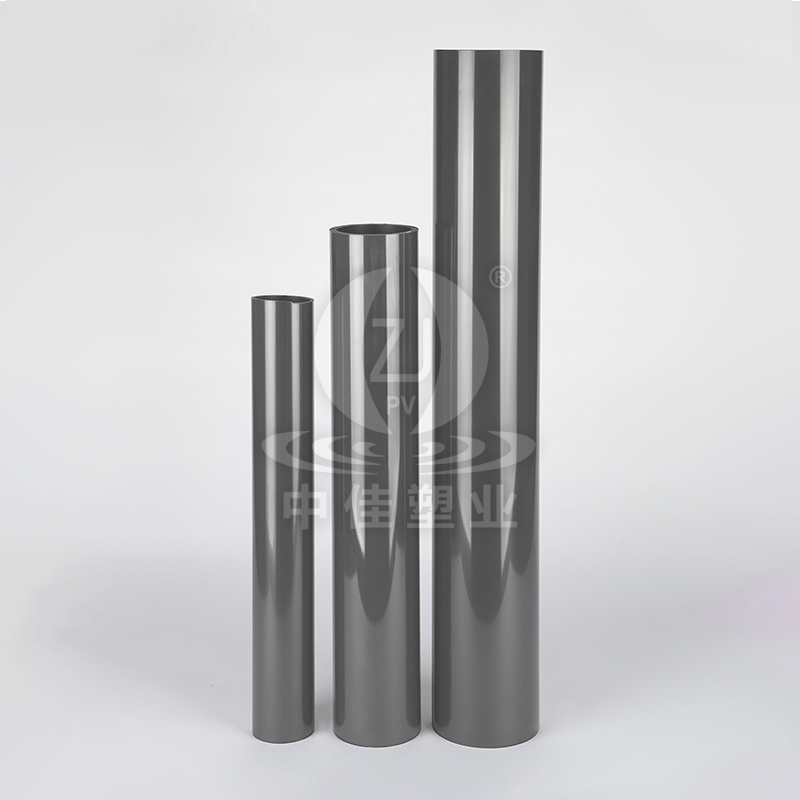
PVC-U 45° elbows are available in a wide range of sizes, from small-diameter fittings used in domestic plumbing to large-diameter fittings for industrial mains. Sizes are typically specified by the nominal outside diameter (OD) of the pipe they are designed to connect, in accordance with the relevant standard. The table below summarizes common size ranges and typical dimensions for solvent cement socket elbows to EN 1452:
| Nominal Size (mm OD) | Socket Depth (mm) | Min. Wall Thickness (mm) | Common PN Ratings |
| 20 | 15 | 1.9 | PN16, PN20 |
| 25 | 17 | 1.9 | PN16, PN20 |
| 32 | 19 | 2.4 | PN12.5, PN16 |
| 40 | 21 | 2.4 | PN10, PN16 |
| 50 | 23 | 3 | PN10, PN16 |
| 63 | 26 | 3 | PN10, PN16 |
| 90 | 32 | 4.3 | PN10, PN16 |
| 110 | 36 | 4.2 | PN10, PN16 |
PVC-U 45° elbows are available in two primary jointing configurations, and choosing the correct type for the application is as important as selecting the right pressure rating.
Solvent cement jointing is the most widely used method for small and medium-diameter PVC-U pressure fittings. The socket of the elbow and the pipe end are both lightly abraded, cleaned with a primer (in systems requiring it), and then coated with PVC solvent cement. When the pipe is pushed into the socket, the cement dissolves and fuses the surfaces together at a molecular level, creating a joint that is effectively as strong as the pipe and fitting material itself when fully cured. Solvent weld joints are permanent — they cannot be disassembled — and achieve the full pressure rating of the fitting. Curing time before pressure testing varies by ambient temperature and cement type but is typically 15–30 minutes for initial set and 24 hours for full service pressure.
Larger-diameter PVC-U 45° elbows — typically 90 mm and above — are more commonly joined using elastomeric rubber ring (O-ring) sockets. The pipe end is chamfered and lubricated, then pushed into the fitting socket where a pre-fitted EPDM or NBR rubber ring compresses to form a watertight seal. Rubber ring joints allow limited angular deflection and longitudinal movement, which is advantageous in buried installations where ground movement or thermal expansion could stress fully rigid joints. They are also re-enterable, making them preferable in systems where future modification or maintenance is anticipated. Rubber ring elbows do not achieve quite the same axial restraint as solvent weld joints, so thrust blocks or mechanical restraint collars are required at bends in buried pressurized systems.
Correct installation technique is critical to achieving a reliable, leak-free joint. The following procedure applies to solvent cement socket elbows in standard cold water pressure applications:
Even experienced installers make errors that compromise joint integrity. The most frequent problems include using the wrong solvent cement for the pipe standard (for example, using CPVC cement on PVC-U fittings), applying cement in temperatures below 5°C or above 40°C where curing behaviour is unreliable, and over-applying cement which causes internal ridges that restrict flow or trap particulates. Installing an elbow at the wrong angle — easily done without dry-fitting and marking alignment first — is another common and costly mistake, as the joint cannot be undone once cement has set and the pipe must be cut out and replaced.
Mechanical stress on a newly made solvent weld joint is a frequent cause of failure in installed systems. Supporting pipework adequately with correctly spaced pipe clips and hangers prevents the weight of the pipe and the fluid it carries from loading the fitting joints. PVC-U has a relatively high coefficient of thermal expansion — approximately 0.06–0.08 mm per meter per degree Celsius — so long straight runs should include expansion loops or expansion couplings to prevent thermally induced stress from concentrating at elbow joints.
The decision process for specifying a PVC-U 45° elbow should follow a logical sequence that starts with the application requirements and works down to the specific product. Confirm that PVC-U is chemically compatible with the fluid being conveyed — PVC-U resists most acids, alkalis, and saline solutions but is attacked by certain solvents, ketones, and aromatic hydrocarbons. Verify that the operating temperature will remain consistently below 45°C. Determine the system's maximum operating pressure, including surge allowance, and select a fitting PN rating that provides adequate margin above this value.
Choose the jointing method — solvent cement for smaller sizes and permanent installations, rubber ring for larger diameters or where future access is needed. Confirm that the fitting standard matches the pipe standard being used on the project, since mixing fittings and pipes from different dimensional standards can result in incorrect socket depths or interference fits that compromise joint quality. Finally, for any application involving drinking water, specify fittings that carry approval from the relevant authority — such as WRAS approval in the UK, NSF/ANSI 61 certification in North America, or KTW approval in Germany — to confirm that the material is certified safe for potable water contact.

Follow us
PVC-U
PVC-U Pipes PVC-U Fittings for Industry PVC-U Fittings for Water Supply PVC-U Pipes ASTM D1785 PVC-U Fittings ASTM SCH80
Copyright © Changzhou Zhongjia Plastic Industry Co., Ltd.All rights reserved.
 UPVC/CPVC Pipes Manufacturers


Copyright @ Changzhou Zhongjia Plastic Industry Co., Ltd.All Rights Reserved.



 عربى
عربى  中文简体
中文简体  Español