Content
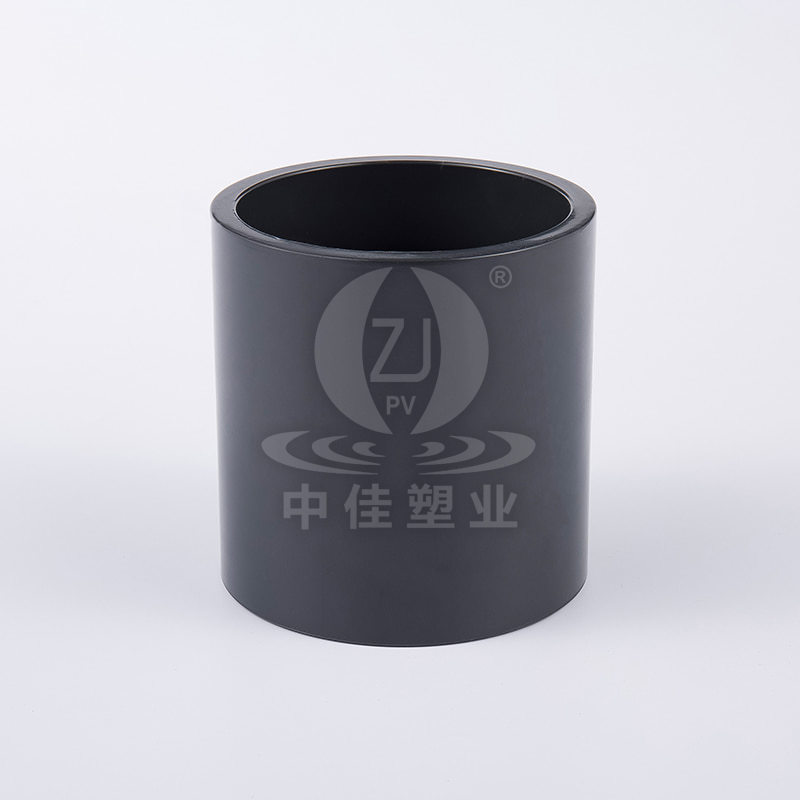
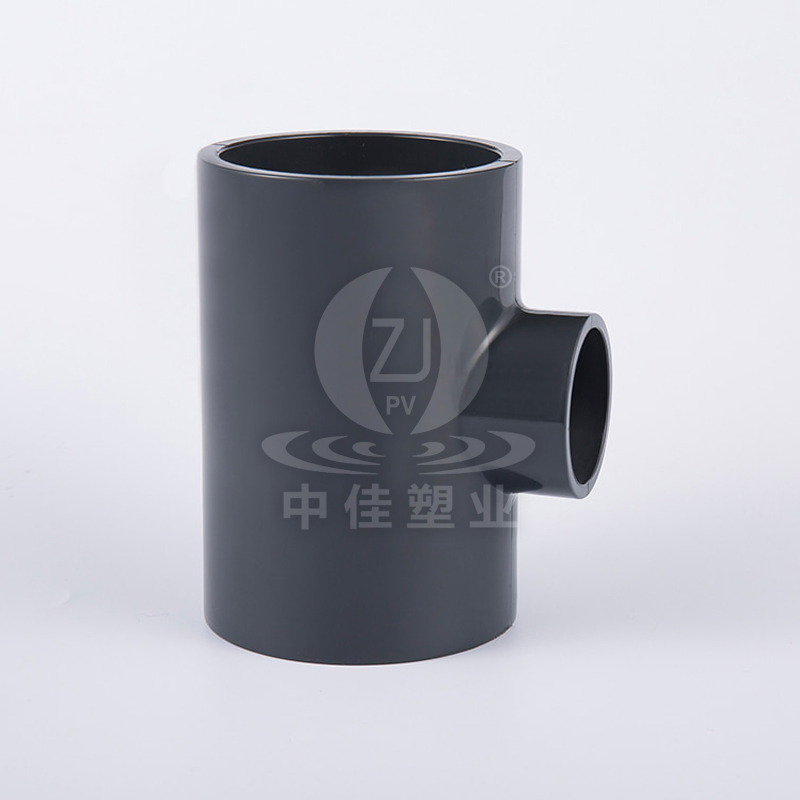
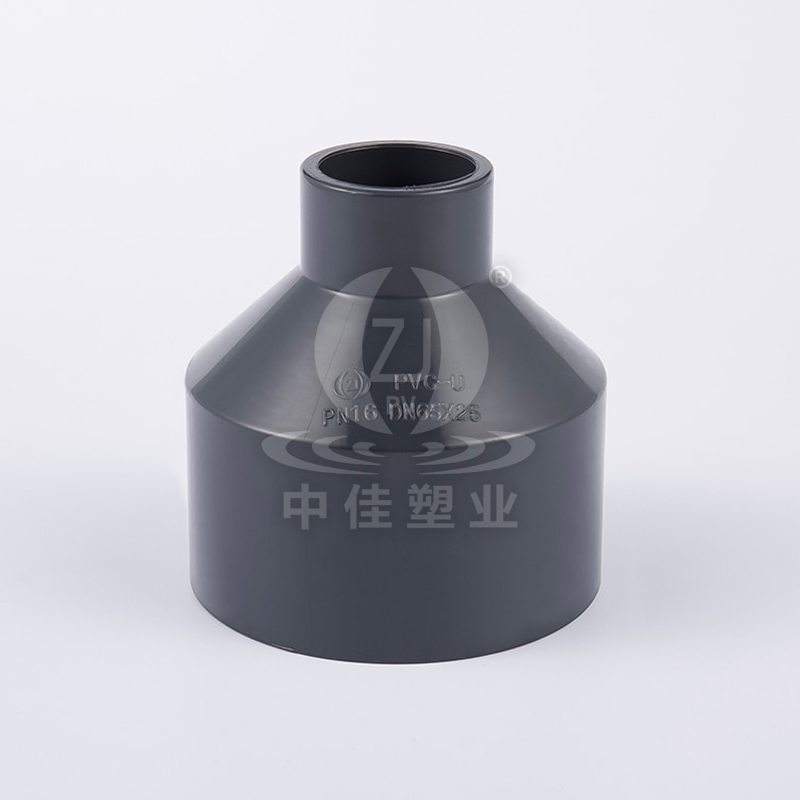
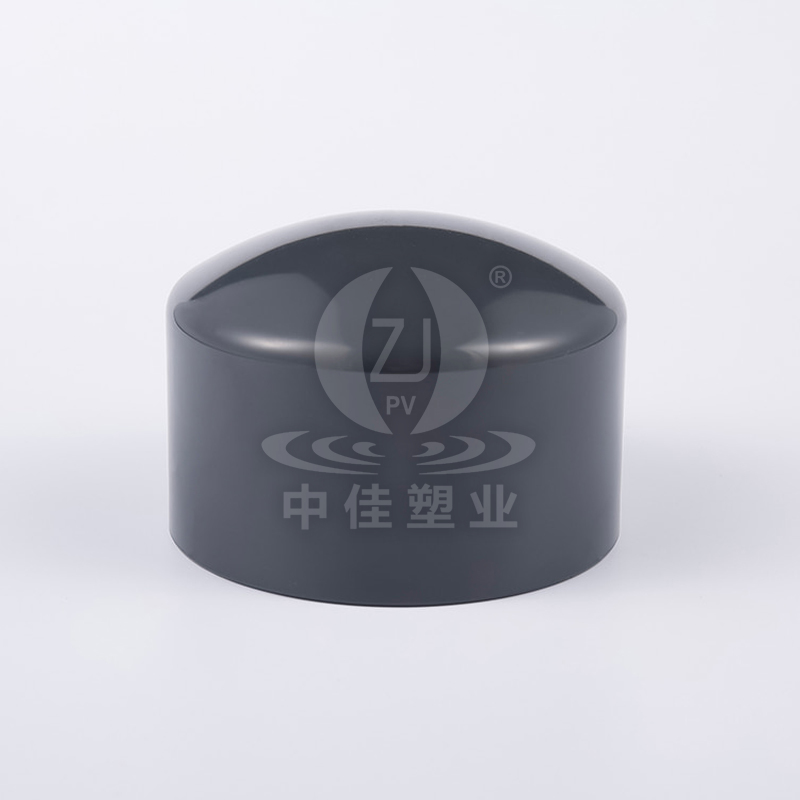
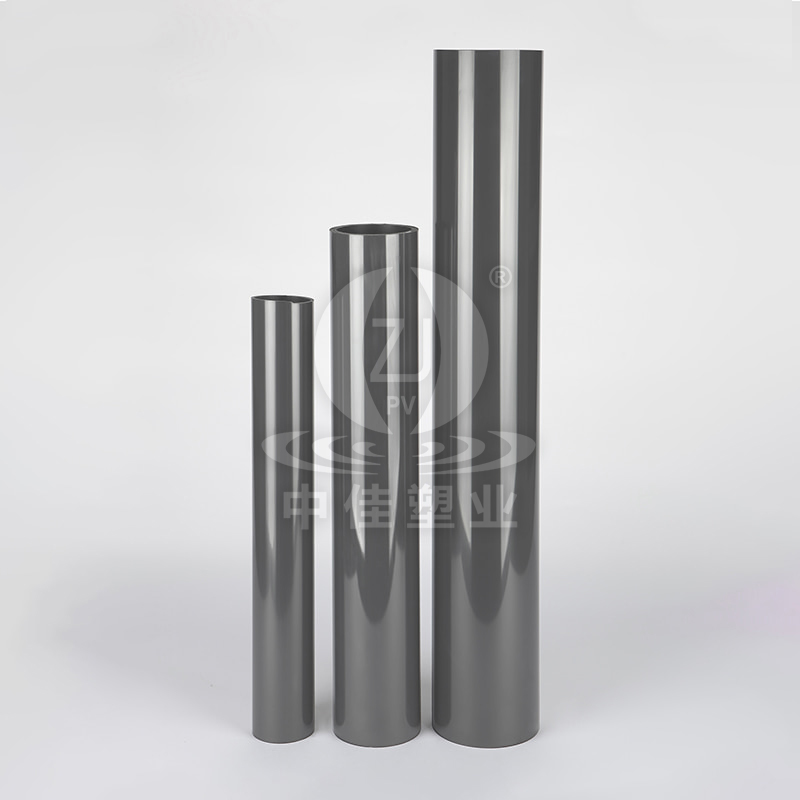
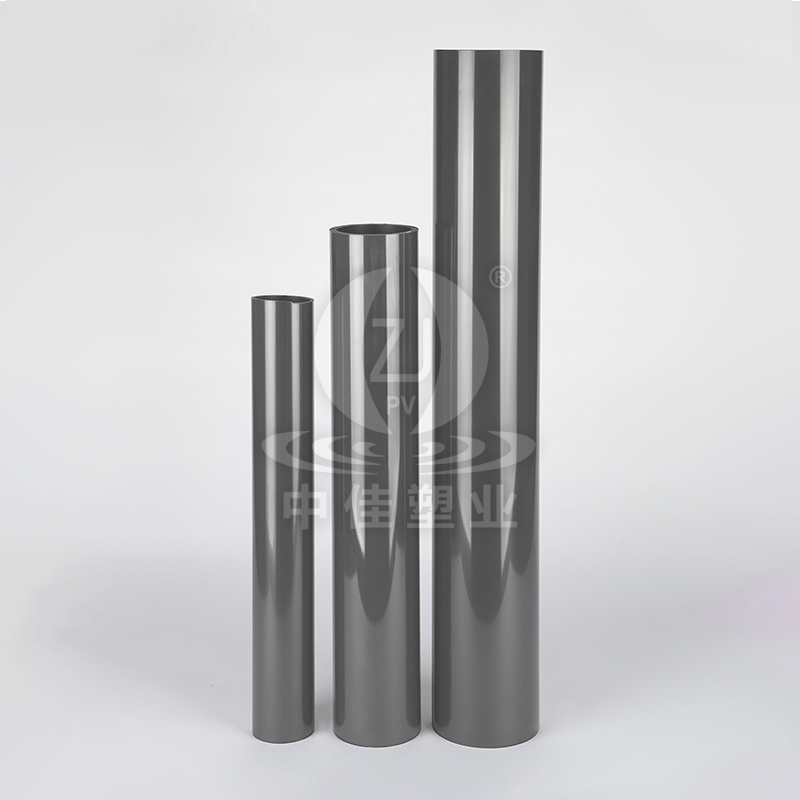
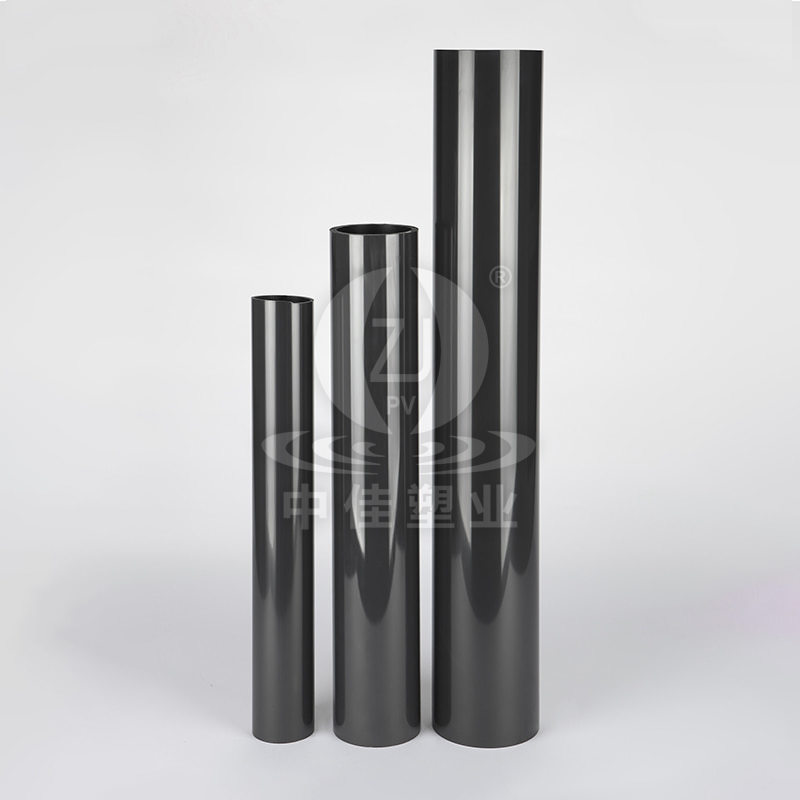
Industrial PVC-U pipes — unplasticized polyvinyl chloride pipes produced without the addition of plasticizers that would reduce the material's rigidity — are among the most widely specified thermoplastic piping products in chemical processing, water treatment, industrial fluid handling, and infrastructure applications worldwide. Their combination of broad chemical resistance, pressure-bearing capability, dimensional stability, low maintenance requirements, and competitive cost relative to metal alternatives has established them as the default piping material across a wide range of industrial service conditions. Yet despite their ubiquity, industrial PVC-U pipes vary significantly in pressure rating, chemical compatibility, dimensional standard, and jointing system — and specifying the wrong grade, schedule, or connection type for a specific service condition can result in premature failure, chemical contamination, or serious safety incidents. This article provides the technical depth required to understand, specify, and work with industrial PVC-U pipes correctly across their most demanding applications.
PVC-U — the "U" designating "unplasticized" — is produced from polyvinyl chloride resin compounded with stabilizers, impact modifiers, processing aids, and pigments, but without the phthalate or non-phthalate plasticizers that are added to flexible PVC (PVC-P or PVC-C in some systems) to reduce its glass transition temperature and create a softer, more pliable material. The absence of plasticizers keeps PVC-U in its rigid, high-strength state, giving it the mechanical properties and chemical resistance necessary for pressure piping applications. Industrial PVC-U pipes are specifically formulated and manufactured to meet the more demanding mechanical, chemical, and dimensional requirements of industrial service, distinguishing them from domestic plumbing-grade PVC pipes that may meet different — and typically less stringent — standards for pressure rating, chemical resistance, and dimensional tolerance.
PVC-U should also be distinguished from CPVC (chlorinated polyvinyl chloride), which is produced by post-chlorination of PVC resin to increase the chlorine content from approximately 56% to 63 to 67%. This additional chlorination raises CPVC's heat deflection temperature significantly — from approximately 60°C for PVC-U to 93 to 100°C for CPVC — making CPVC suitable for hot water and elevated temperature chemical service where standard PVC-U would soften unacceptably. In industrial piping systems where service temperatures exceed 60°C, CPVC is the correct thermoplastic choice rather than PVC-U, and the two materials use incompatible solvent cement systems that cannot be interchanged.
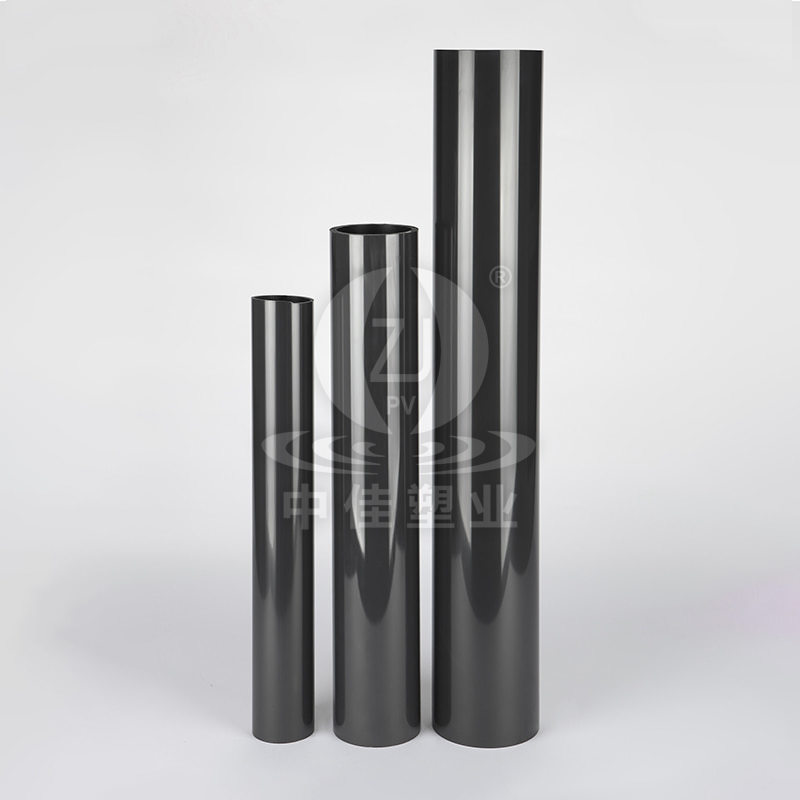
The performance of PVC-U pipe in industrial service is defined by a set of physical and mechanical properties that determine its pressure-bearing capability, thermal limitations, chemical compatibility, and long-term dimensional stability. Understanding these properties and how they change with service conditions is essential for correct system design.
| Property | Typical Value | Significance |
| Density | 1.35 – 1.45 g/cm³ | Approximately 1/5 of steel — lightweight handling and installation |
| Tensile Strength | 48 – 58 MPa | Determines hoop stress capacity for pressure rating |
| Elastic Modulus | 2,800 – 3,400 MPa | Governs deflection under load and support spacing |
| Maximum Service Temperature | 60°C (continuous) | Pressure rating must be derated above 20°C |
| Coefficient of Thermal Expansion | 6 – 8 × 10⁻⁵ /°C | 5× higher than steel — requires expansion compensation |
| Hazen-Williams Flow Coefficient (C) | 150 (new) / 140 (aged) | Very smooth bore; low friction loss versus metal pipe |
| Minimum Service Temperature | 0°C (standard grade) | Impact resistance reduces significantly below 5°C |
| Dielectric Strength | 14 – 18 kV/mm | Electrically non-conductive — suitable for electrochemical plant |
The temperature-pressure relationship is particularly critical in industrial PVC-U pipe system design. While the pressure rating at 20°C is the standard reference, most industrial processes operate at temperatures that require application of a derating factor to the nominal pressure rating. At 40°C, the allowable pressure is typically reduced to approximately 74% of the 20°C rating; at 50°C, to approximately 62%; and at 60°C — the practical upper limit — to approximately 50%. Systems designed without applying these derating factors are routinely over-stressed thermally, leading to creep failure at pipe joints and fittings that may occur months or years into service rather than immediately, making the root cause difficult to identify retrospectively.
Industrial PVC-U pipes are produced and specified according to different dimensional standard systems depending on the geographic market and the applicable piping code. Understanding the principal standards and how they define wall thickness and pressure class is essential for specifying compatible pipe and fittings.
In European and many international markets, industrial PVC-U pressure pipes are governed by EN 1452 (for water supply and general industrial service) and ISO 15493 (for industrial thermoplastic piping systems). These standards define pipe dimensions by outside diameter (OD) and SDR (Standard Dimension Ratio) — the ratio of the pipe's nominal outside diameter to its minimum wall thickness. Lower SDR values indicate thicker walls and higher pressure ratings for a given pipe diameter. Common SDR classes for industrial PVC-U include SDR 41 (PN 6 — 6 bar at 20°C), SDR 26 (PN 10), SDR 17 (PN 16), SDR 13.5 (PN 20), and SDR 11 (PN 25). The nominal pressure (PN) rating applies at 20°C water service, and the SDR/PN relationship allows engineers to calculate the actual pressure rating for any pipe diameter, wall thickness, and service temperature combination using the ISO equation for minimum required wall thickness.
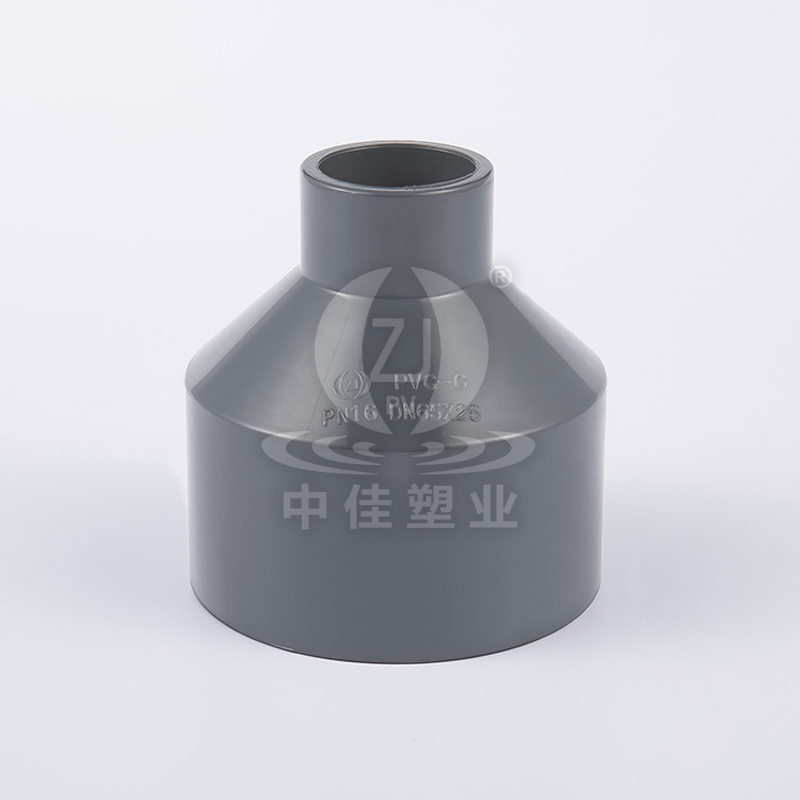
In North American industrial piping, PVC-U pipe is predominantly specified to ASTM D1784 (material cell classification), ASTM D1785 (Schedule 40 and Schedule 80 dimensional standard), and ASTM F441 (Schedule 80 and Schedule 120). The Schedule system defines wall thickness as a function of nominal pipe size (NPS) — the same nominal size designation used for steel pipe — which facilitates connection to metallic pipe systems using standard flange or threaded adapters. Schedule 40 PVC pipe covers moderate pressure service in smaller diameters; Schedule 80 provides substantially thicker walls and higher pressure ratings, and its smaller internal bore (compared to Schedule 40 of the same NPS) must be accounted for in hydraulic calculations. ASTM D2467 governs Schedule 80 socket fittings, while ASTM D2466 covers Schedule 40 socket fittings.
Chemical resistance is one of the primary reasons PVC-U is specified in industrial piping applications over carbon steel, galvanized steel, or even stainless steel. PVC-U demonstrates excellent resistance to a wide range of industrial chemicals, but this resistance is not universal — certain chemical families attack PVC-U aggressively, and specifying PVC-U for incompatible service results in rapid material degradation, swelling, loss of mechanical strength, and potentially catastrophic pipe failure.
The jointing method used in an industrial PVC-U piping system is a critical design decision that affects joint reliability, the system's ability to accommodate thermal expansion, ease of disassembly for maintenance, and chemical compatibility of the joint with the process fluid. Several jointing methods are used in industrial PVC-U systems, each with specific applications where it is the correct choice.
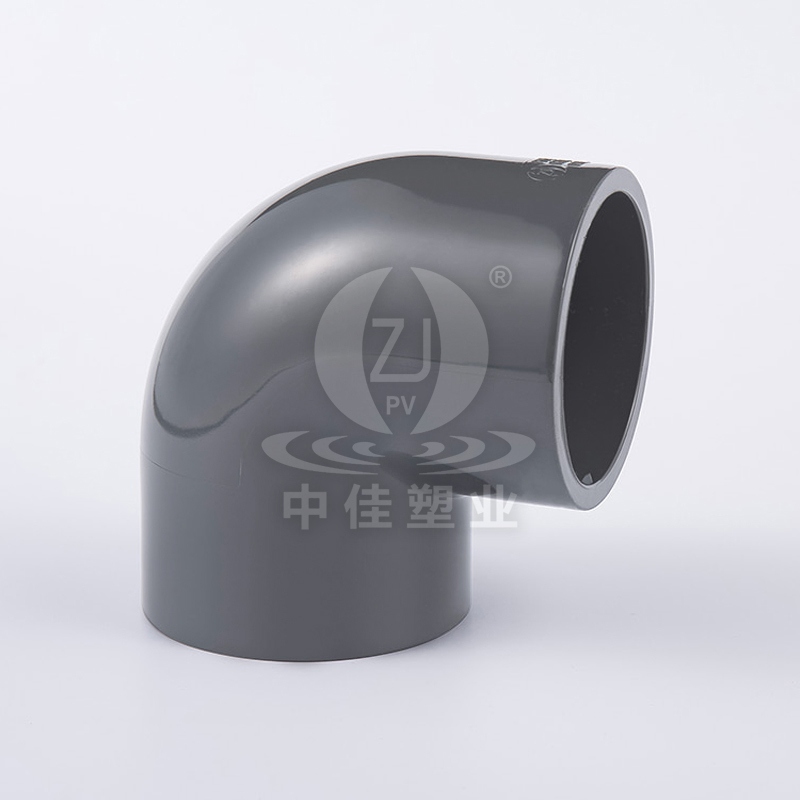
Solvent cement jointing — also called solvent welding — is the most common method for connecting PVC-U pipe to socket fittings and produces a joint that is effectively a monolithic extension of the pipe when correctly made. The joint is formed by applying a solvent cement containing THF and PVC resin dissolved in solvent to both the pipe spigot and the fitting socket, then pushing the pipe fully home into the socket and holding in position for a defined cure time. The solvent dissolves a thin layer of PVC on both mating surfaces, which then diffuse together as the solvent evaporates, creating a fusion bond that, when correctly made, has the same or greater strength as the parent pipe wall. Solvent cement joints are permanent and cannot be disassembled without cutting — they are appropriate for permanent buried or concealed installations and for the majority of above-ground process piping where periodic disassembly is not required at individual joints. Joint preparation — cleaning and degreasing the surfaces before cement application, using the correct cement grade for the pipe schedule and diameter, and maintaining the specified interference fit between pipe OD and socket ID — is critical to achieving full joint strength.
Rubber ring seal joints — where a profiled elastomeric ring seated in a groove in the fitting socket provides the fluid-tight seal as the pipe is pushed home — are widely used for larger-diameter industrial PVC-U piping, particularly in gravity flow drainage, sewer, and water supply systems. They allow the pipe to slide within the joint by a defined amount, accommodating thermal expansion and contraction without creating stress in the pipe system — a significant advantage in outdoor or temperature-variable installations. The elastomeric ring material must be compatible with the process fluid; EPDM rings are standard for water service but may not be compatible with chemical service; NBR or Viton ring materials are specified for oil-containing or solvent-containing fluids. Rubber ring seal joints cannot resist longitudinal tension loads — they require thrust blocks or restrained joint systems at changes of direction or at branch connections in pressurized service to prevent joint pull-out under line pressure.
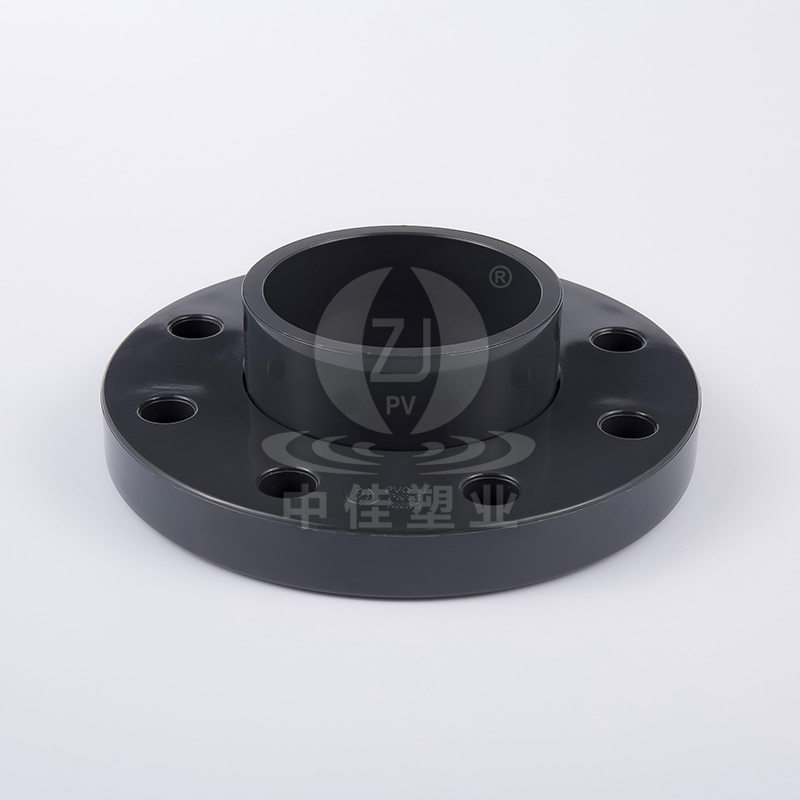
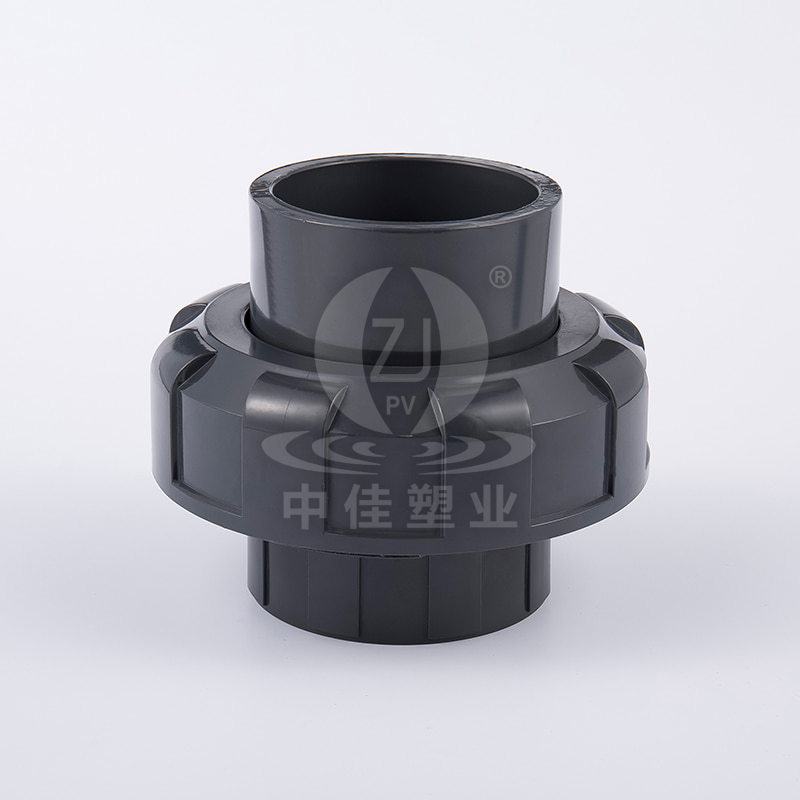
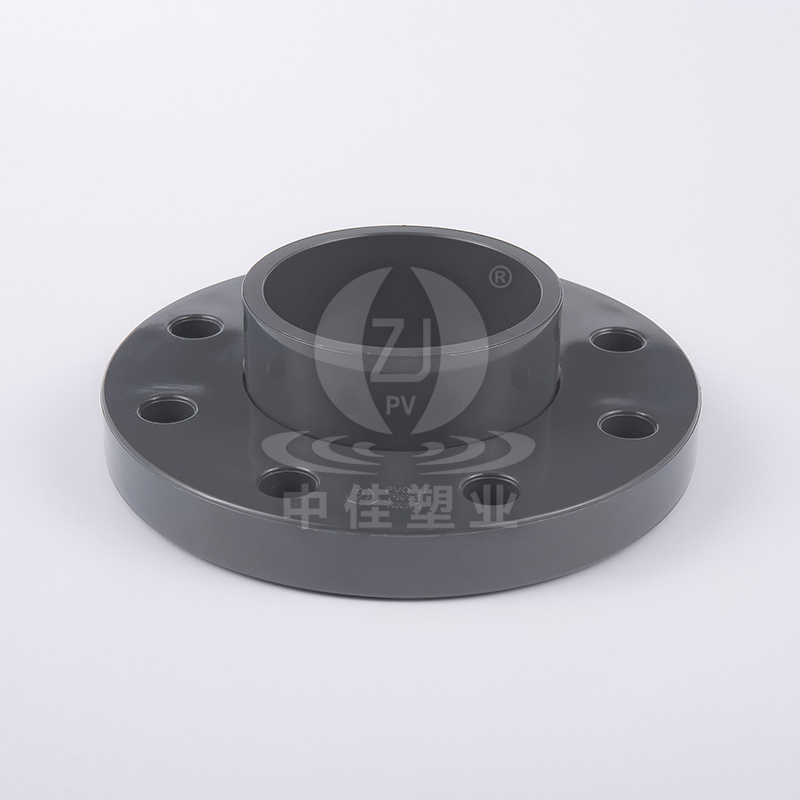
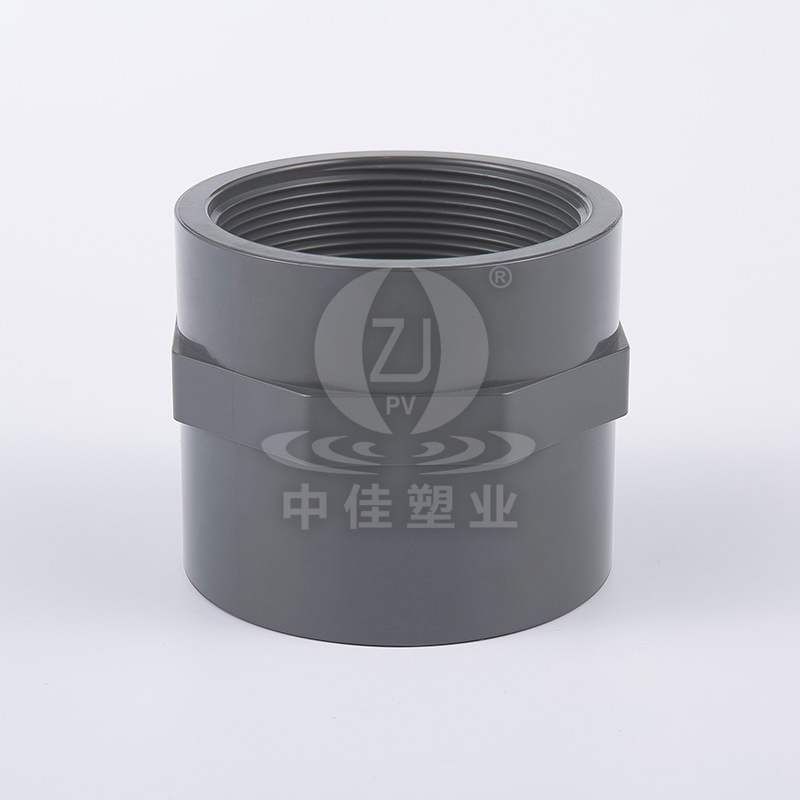
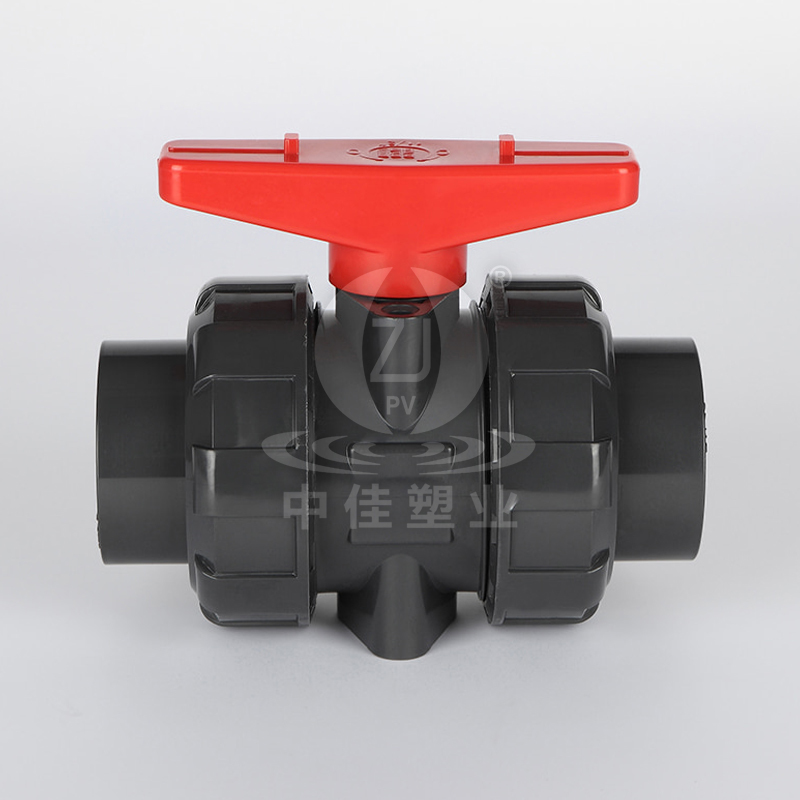
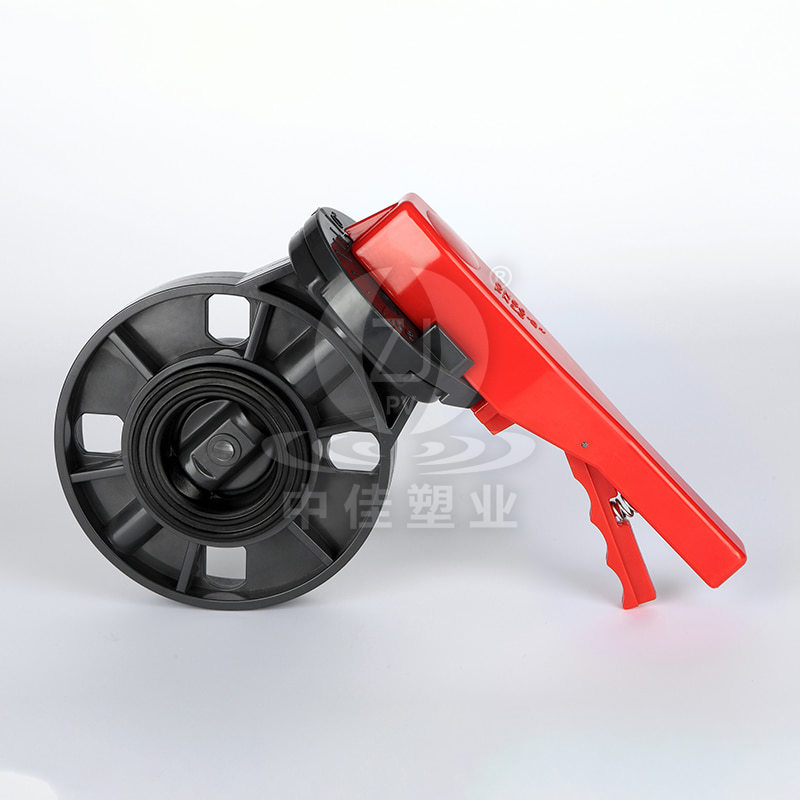
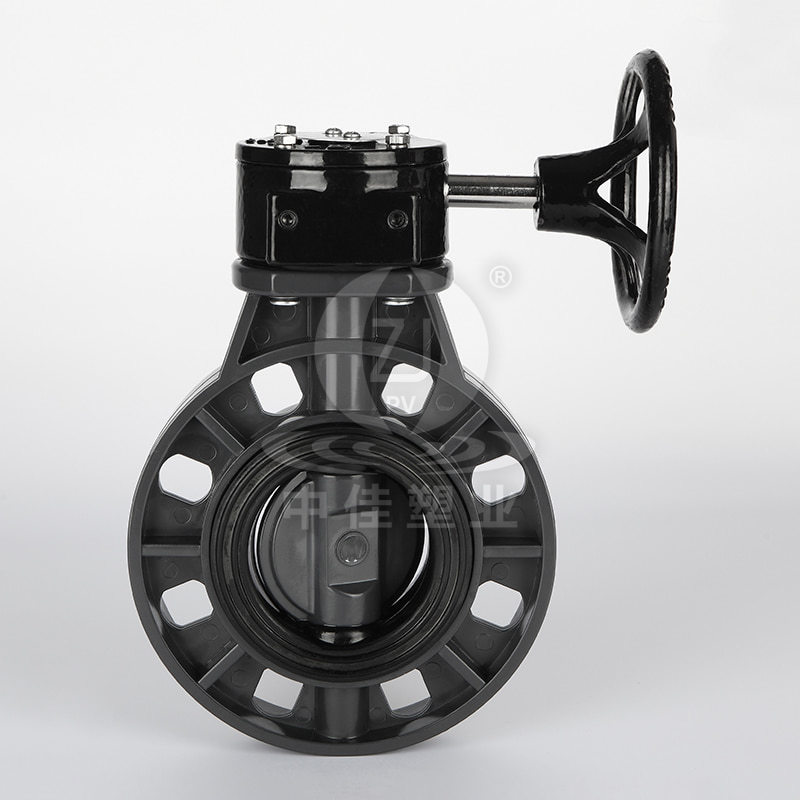
Flanged connections using PVC-U stub flanges or full-face flanges with elastomeric gaskets are the standard method for connecting PVC-U piping to valves, pumps, tanks, and equipment, and for creating disassemble points in the piping system for maintenance access. PVC-U flanges must be backed by metallic backing rings (typically galvanized steel or stainless steel) when bolted, because the PVC-U flange face cannot withstand the concentrated bolt load without creeping and reducing gasket preload over time. Bolt torque on PVC-U flange connections must be carefully controlled — the standard practice is to tighten bolts in a cross pattern to a relatively low torque value, then retighten after 24 to 48 hours of service as the gasket and flange material seat and relax. Over-torquing PVC-U flanges is one of the most common causes of flange cracking and subsequent joint leakage in industrial PVC-U systems.
The coefficient of thermal expansion of PVC-U (6 to 8 × 10⁻⁵ /°C) is approximately five times higher than carbon steel — meaning a 10-meter run of PVC-U pipe operating between ambient installation temperature (20°C) and maximum service temperature (60°C) will expand by approximately 32 mm. In a rigidly constrained system, this expansion generates compressive stress in the pipe wall and tensile stress at fixed points that can cause buckling, joint failure, or fitting cracking if not accommodated by the piping layout or specific expansion management devices.
Industrial PVC-U pipe is deployed across a wide range of process and infrastructure applications, with grade and schedule selection guided by the service pressure, temperature, and chemical environment specific to each application.
Industrial PVC-U pipes offer a uniquely practical combination of chemical resistance, pressure-bearing capability, low installation weight, and long maintenance-free service life across a wide range of industrial applications. The discipline required to select the correct pressure class for the service temperature, verify chemical compatibility with the specific process fluid, choose appropriate jointing methods, and account for thermal expansion in the system layout is not complex — but it is non-negotiable for systems that must perform reliably under continuous industrial service conditions. Approaching PVC-U pipe specification with this structured technical framework consistently produces systems that deliver on the material's well-established performance potential throughout their full design service life.

Follow us
PVC-U
PVC-U Pipes PVC-U Fittings for Industry PVC-U Fittings for Water Supply PVC-U Pipes ASTM D1785 PVC-U Fittings ASTM SCH80
Copyright © Changzhou Zhongjia Plastic Industry Co., Ltd.All rights reserved.
 UPVC/CPVC Pipes Manufacturers


Copyright @ Changzhou Zhongjia Plastic Industry Co., Ltd.All Rights Reserved.



 عربى
عربى  中文简体
中文简体  Español