Content
UPVC pipe connectors form the backbone of modern plumbing and drainage systems, providing reliable, cost-effective solutions for joining unplasticized polyvinyl chloride pipes in residential, commercial, and industrial applications. These essential fittings enable contractors and homeowners to create leak-free connections that withstand decades of service while resisting corrosion, chemical attack, and biological growth that plague traditional metal piping systems. Understanding the various types of UPVC connectors, proper installation techniques, and selection criteria ensures successful piping projects that deliver long-term performance without costly callbacks or premature failures. This comprehensive guide explores everything you need to know about UPVC pipe connectors, from basic fundamentals through advanced installation practices.
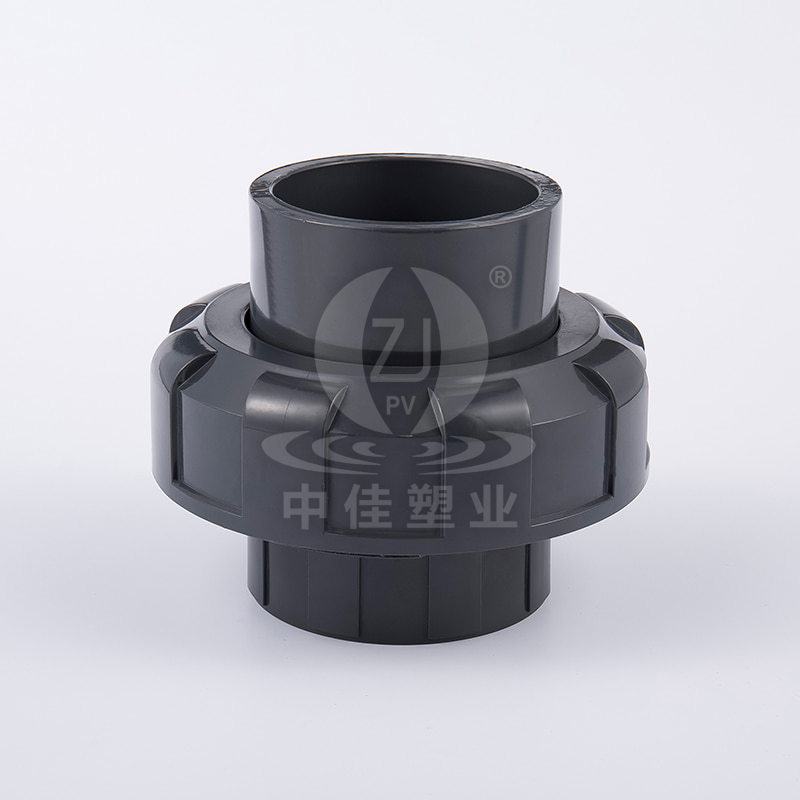
UPVC pipe connectors come in numerous configurations, each designed for specific connection requirements and system layouts. The most fundamental distinction separates solvent-weld fittings from mechanical connectors, with each category offering unique advantages for different installation scenarios. Solvent-weld connectors create permanent chemical bonds between pipes and fittings through solvent cement application, while mechanical connectors use compression rings, gaskets, or threaded joints to create serviceable connections that can be disassembled if necessary.
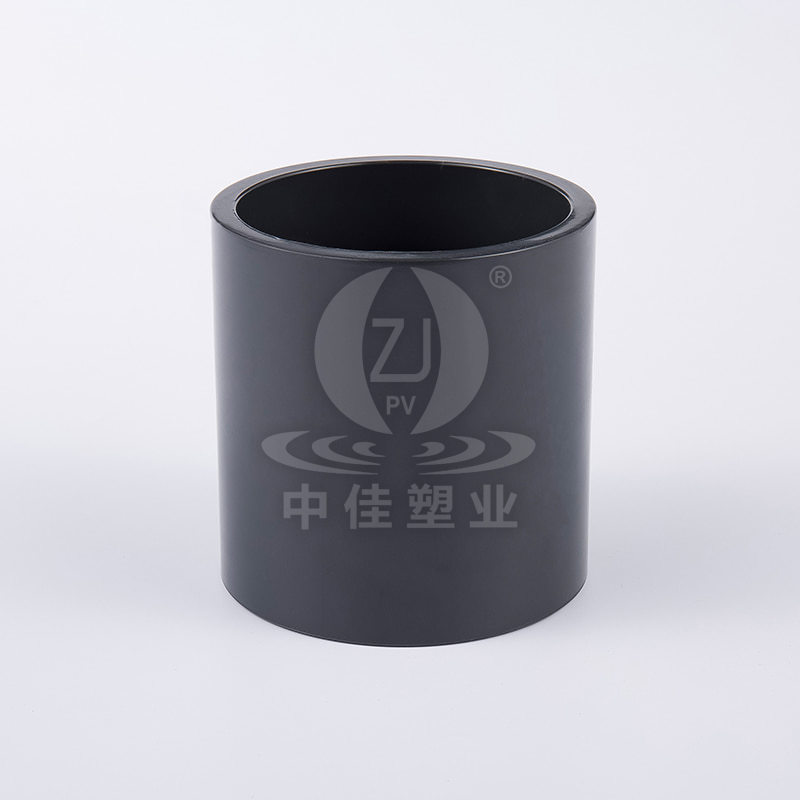
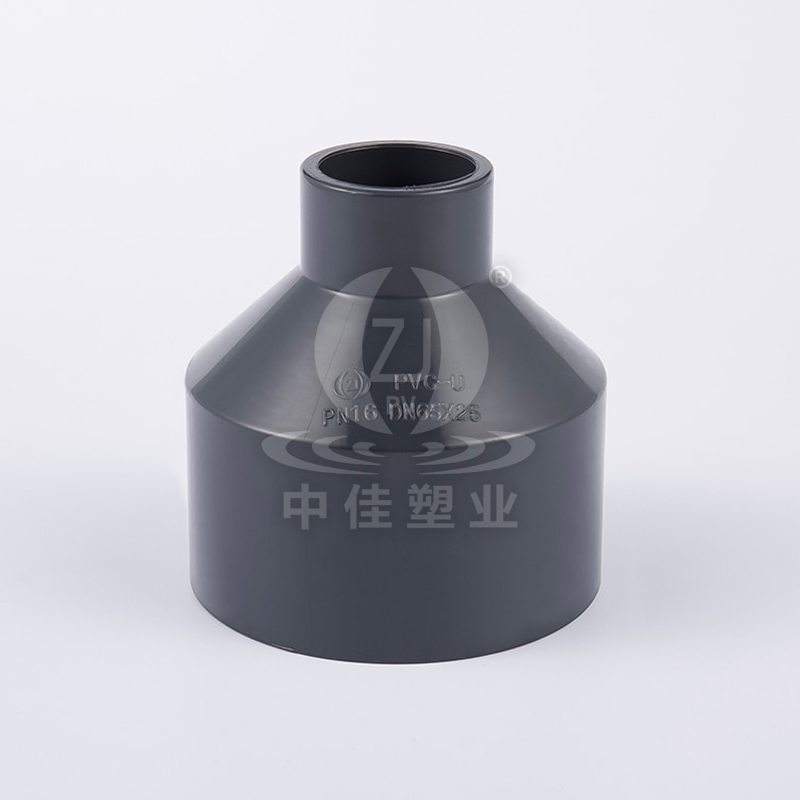
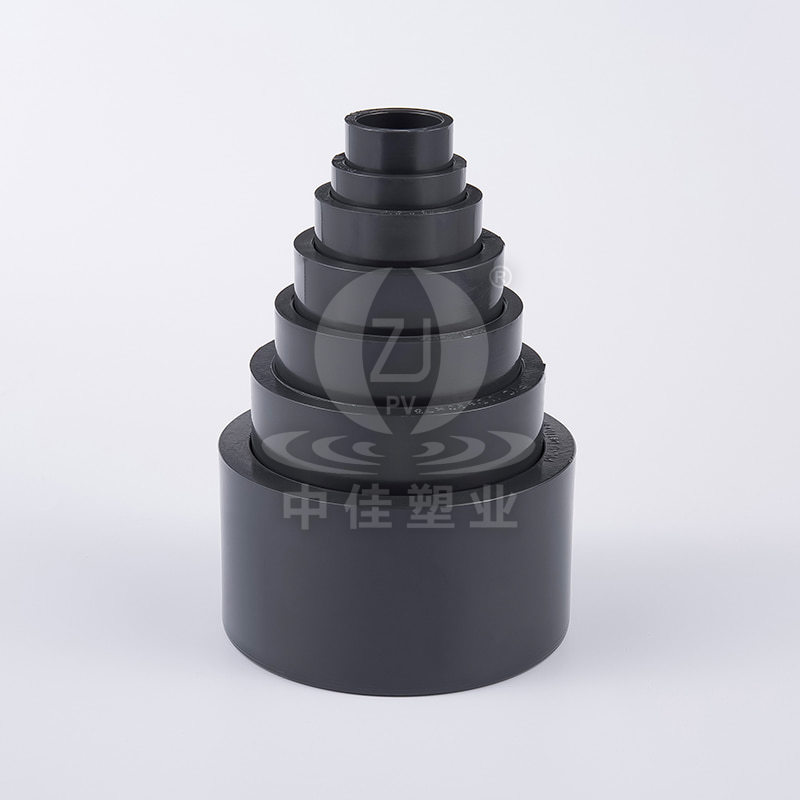
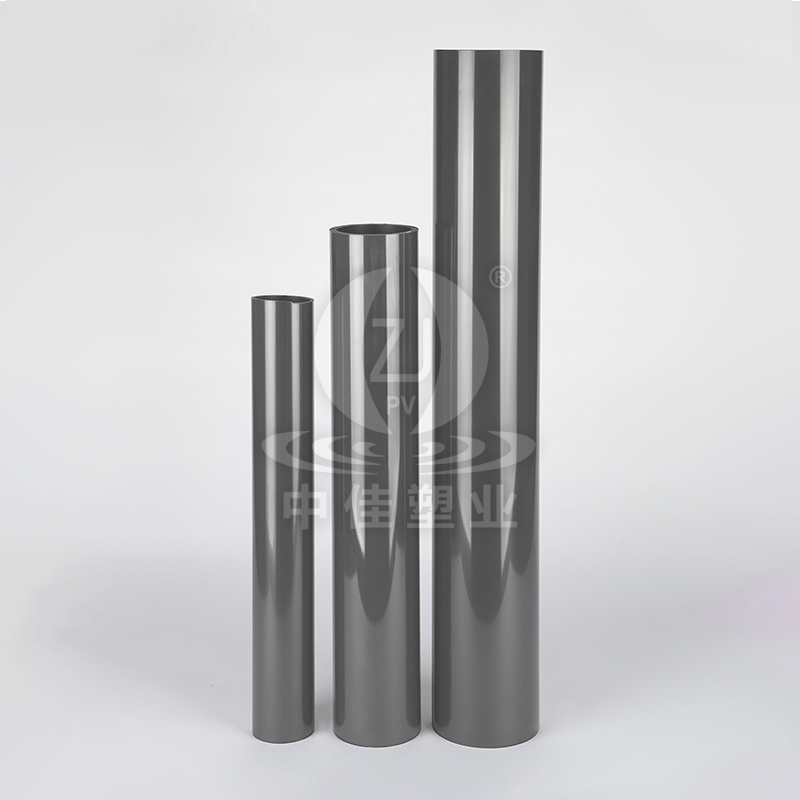
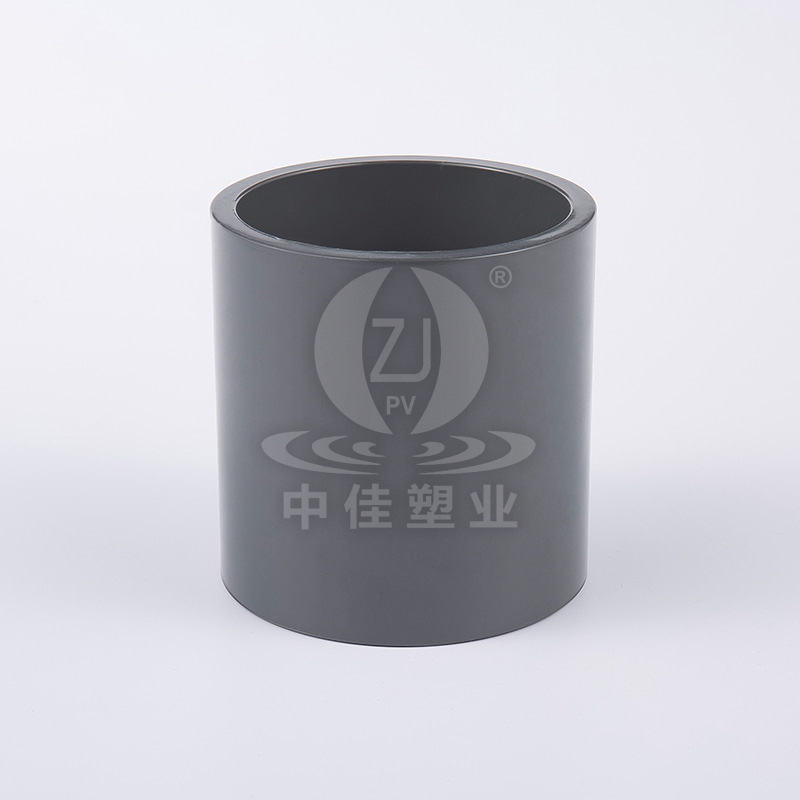
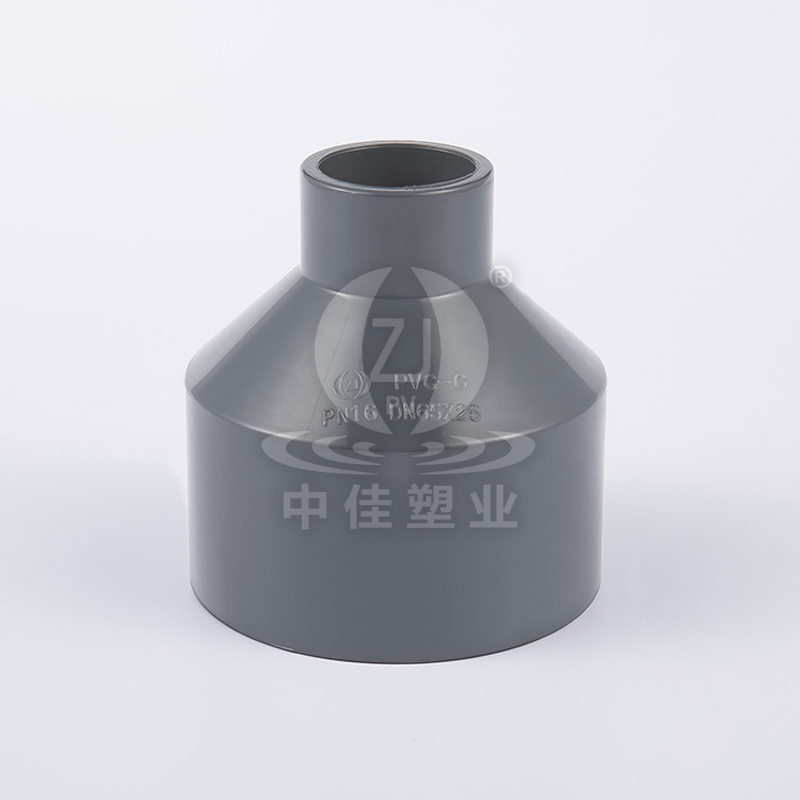
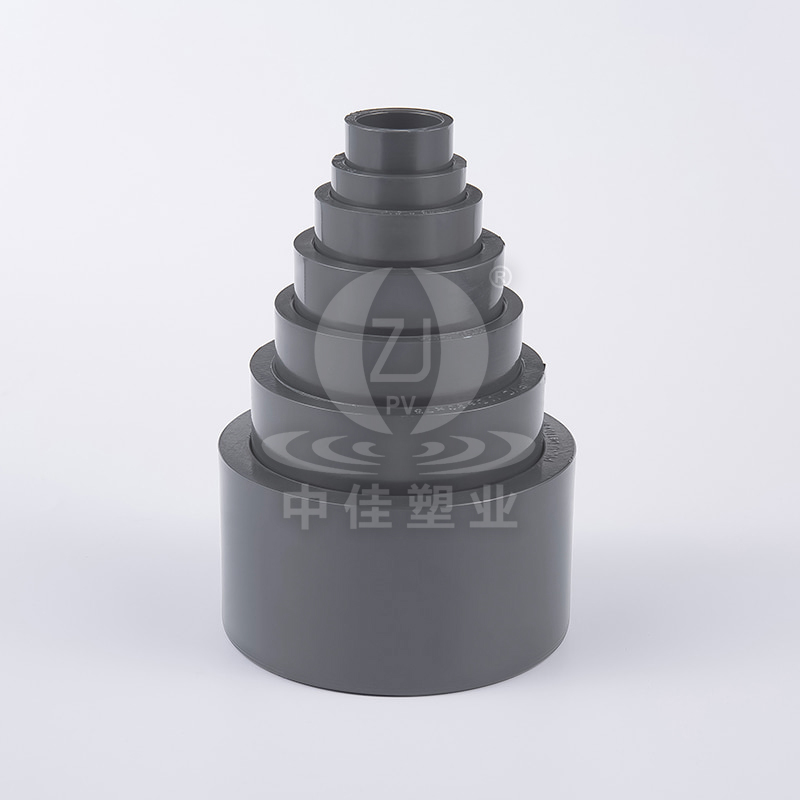
Straight couplings represent the simplest connector type, joining two pipe sections of identical diameter in a continuous run. These cittings feature socket connections on both ends with internal stops that ensure proper pipe insertion depth, critical for achieving strong, leak-free joints. Reducing couplings perform similar functions while accommodating different pipe diameters, allowing smooth transitions between pipe sizes within a system. The reducing coupling's tapered internal profile maintains flow characteristics while preventing turbulence that could cause noise or premature wear.
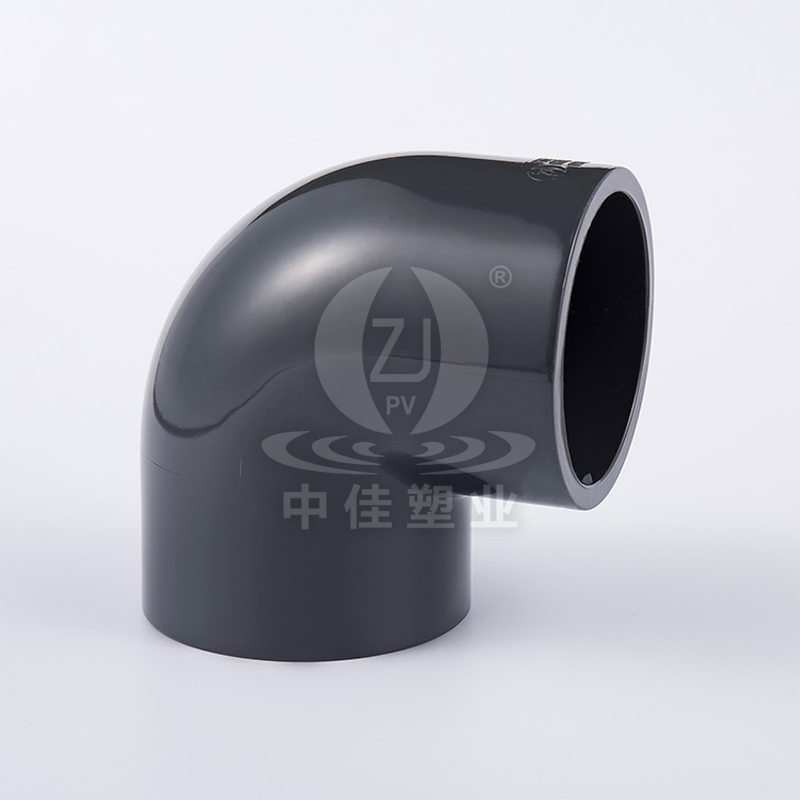
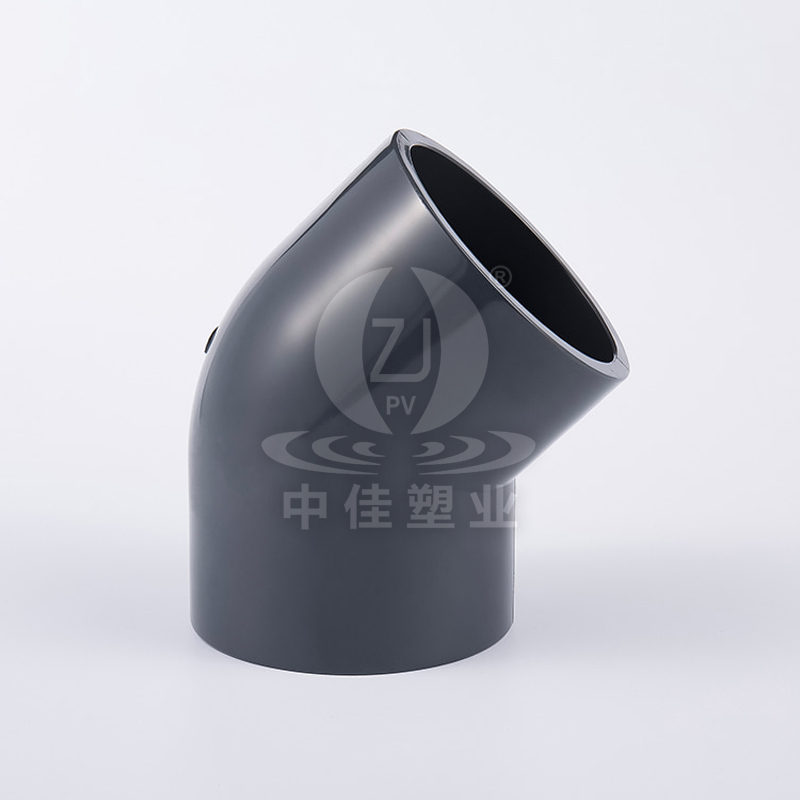
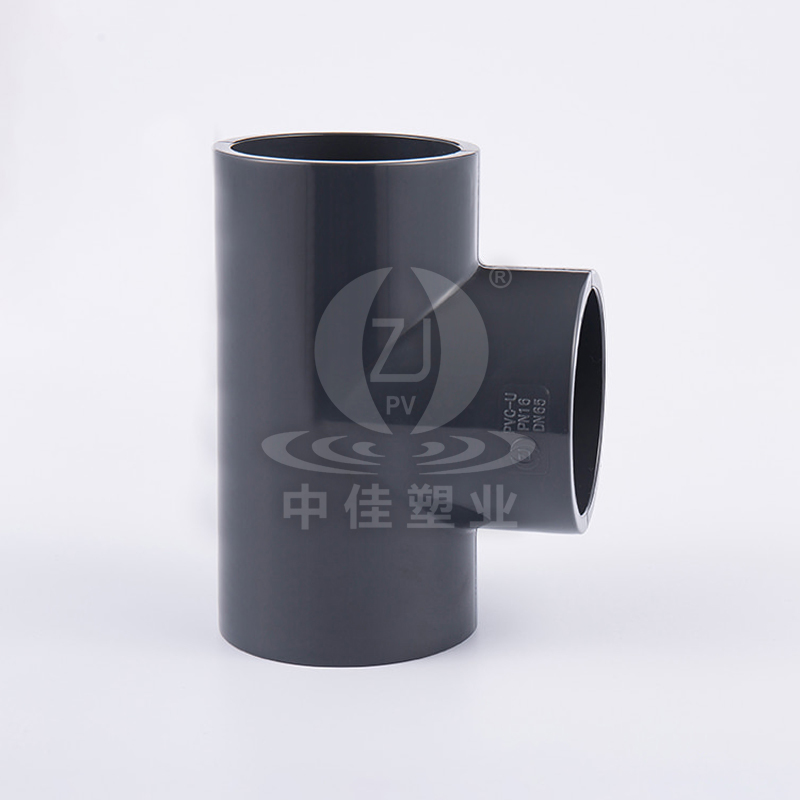
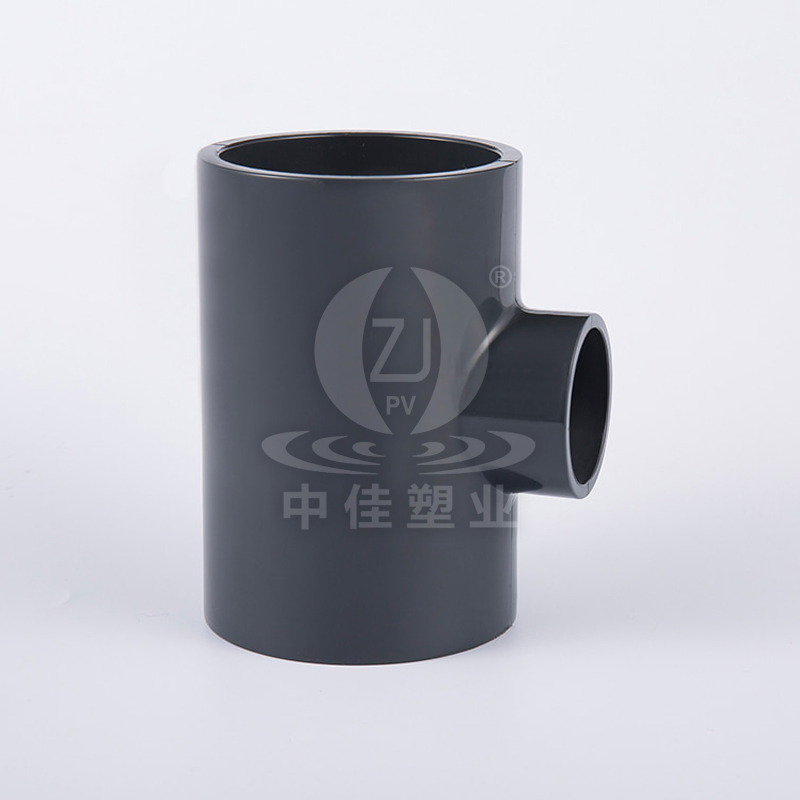
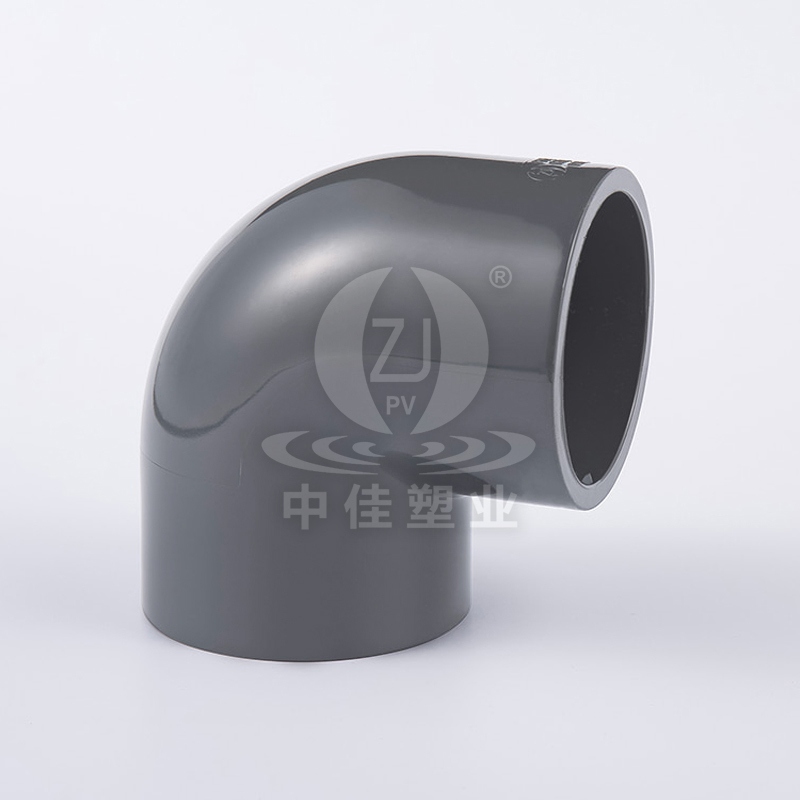
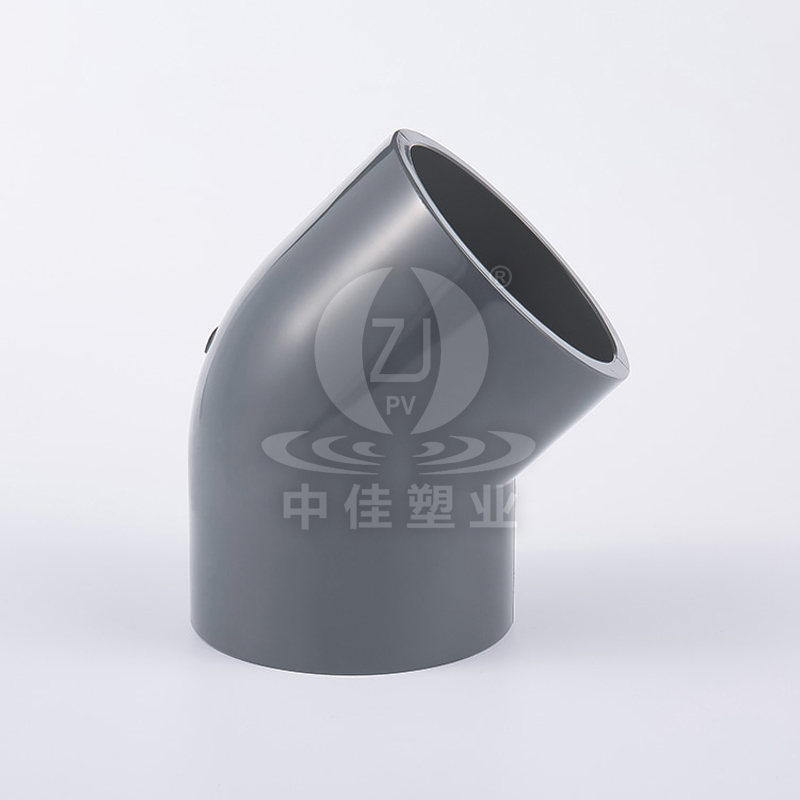
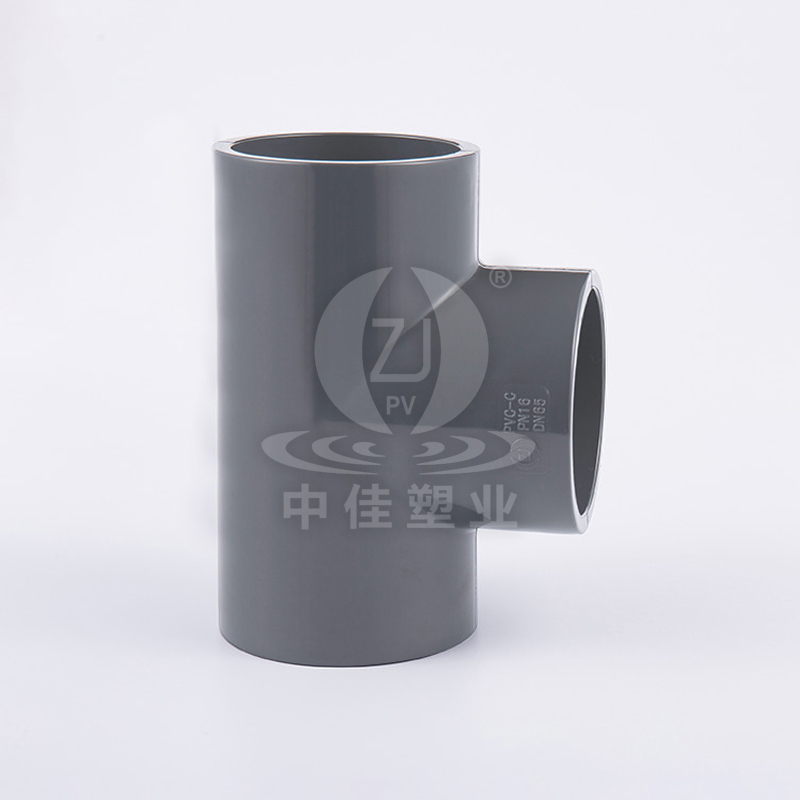
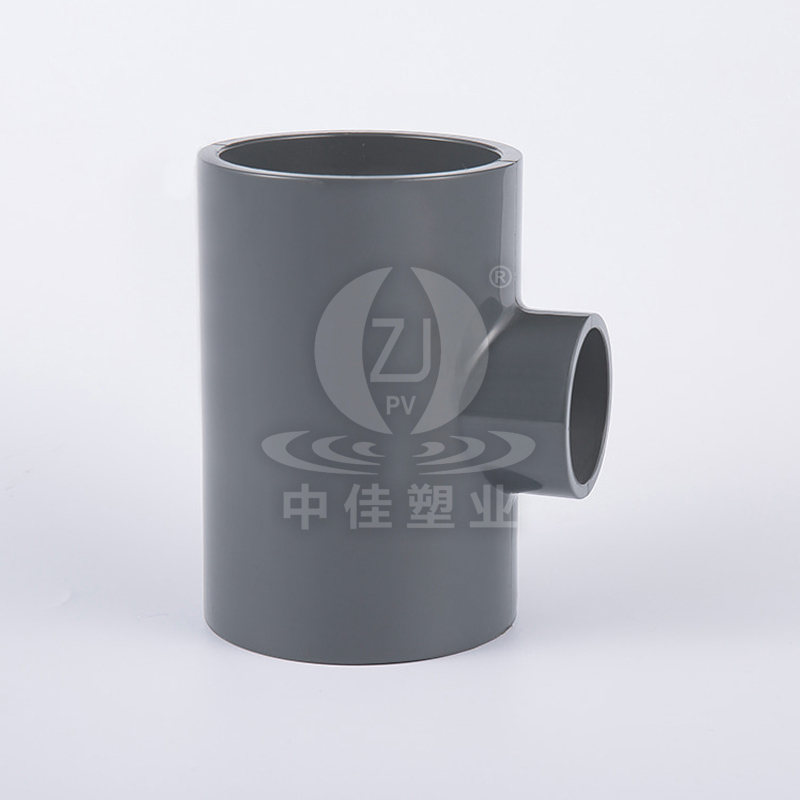
Elbow fittings change piping direction through 90-degree or 45-degree angles, with configurations available for both solvent-weld and mechanical connections. These directional fittings enable routing around obstacles, creating vertical-to-horizontal transitions, and conforming to building structures without requiring custom pipe bending. Tee and wye fittings create branch connections from main runs, with tees providing 90-degree branches and wyes offering gentler angles that reduce flow resistance in drainage applications. Cross fittings, though less common, enable four-way connections where multiple pipes intersect.
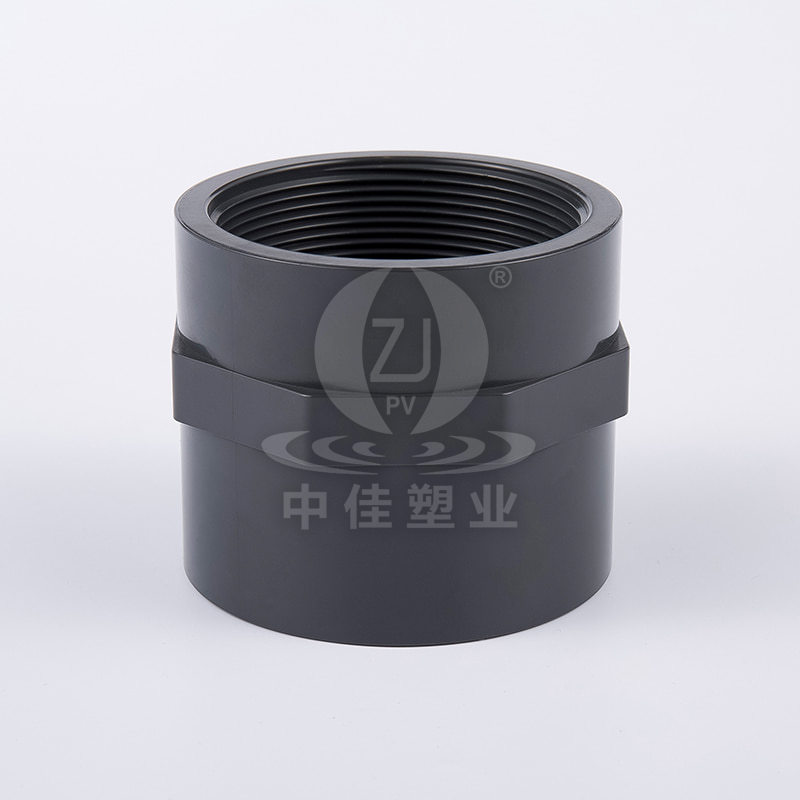
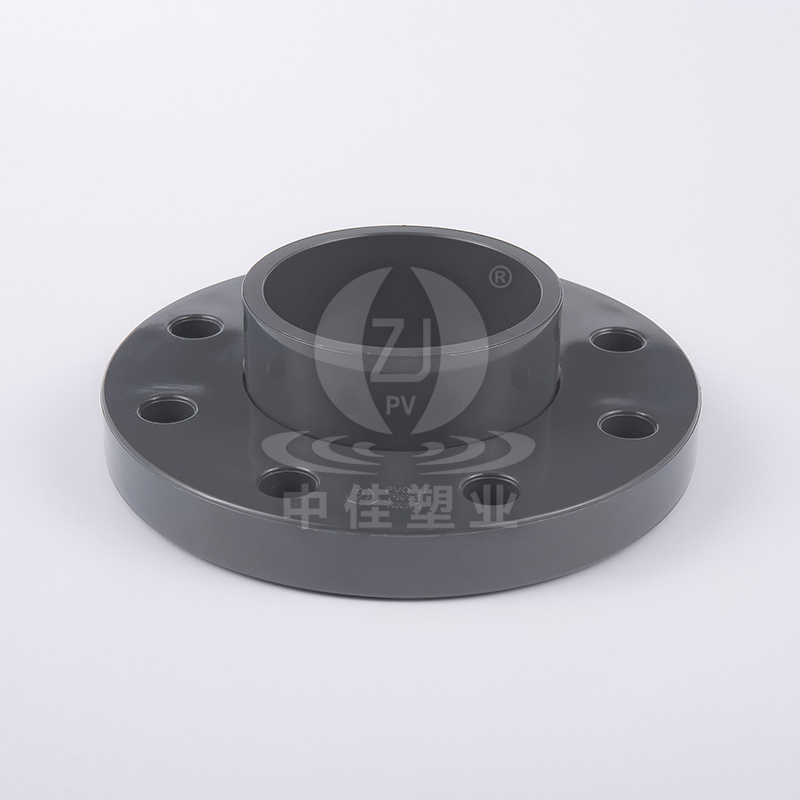
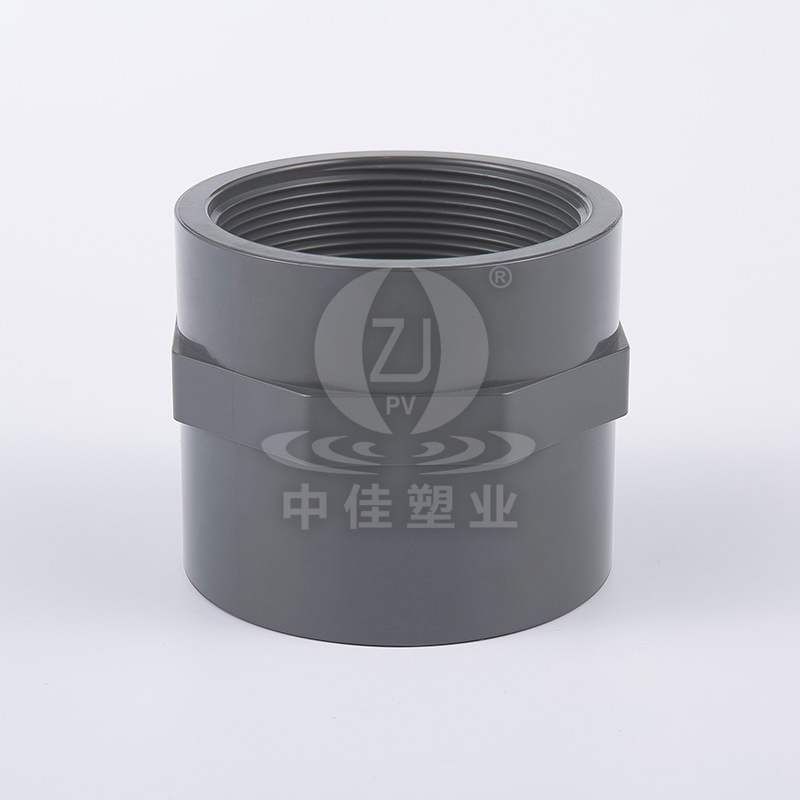
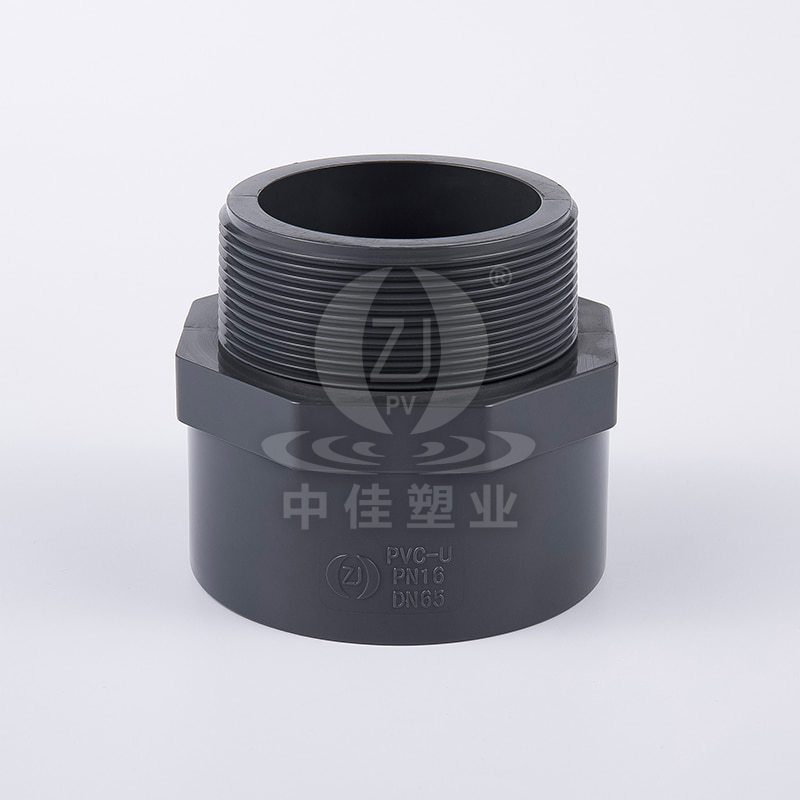
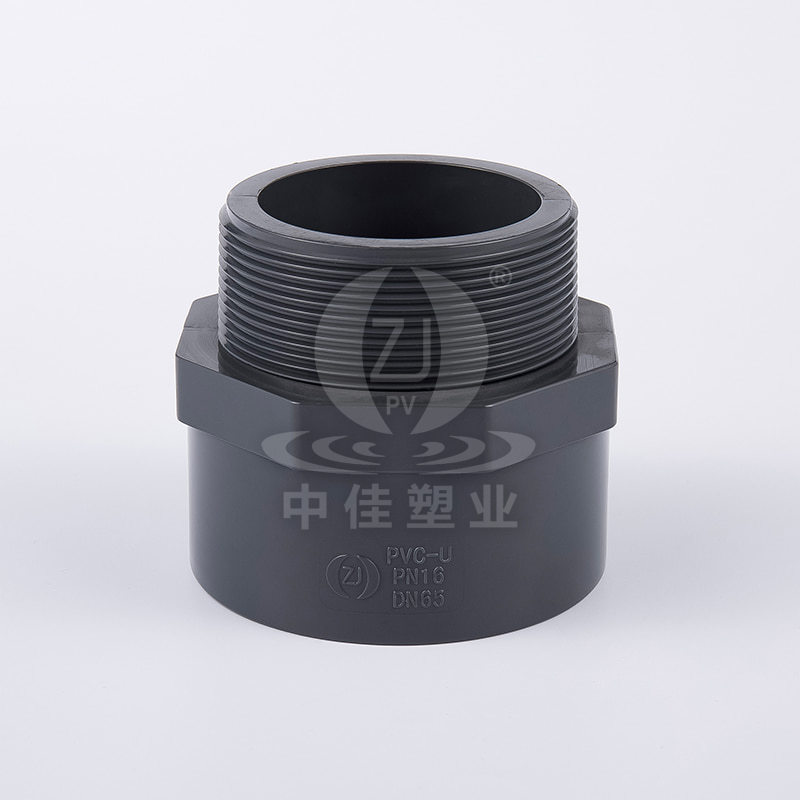
Adapter fittings bridge between UPVC systems and other piping materials or connection methods, proving essential in renovation projects and system expansions. Threaded adapters feature external or internal threads that mate with metal pipes, valves, or fixtures, while transition adapters connect UPVC to copper, PEX, or other plastic piping systems. Push-fit connectors represent a newer category offering tool-free installation through internal grab rings and O-ring seals, particularly valuable for repair situations or installations in confined spaces where solvent welding proves difficult.
Proper solvent welding technique determines whether UPVC connections achieve their full strength potential and remain leak-free throughout decades of service. The solvent welding process creates molecular bonds between pipe and fitting surfaces through controlled dissolution and fusion of the UPVC material, essentially welding the components together at a chemical level. Success requires attention to surface preparation, appropriate solvent selection, correct application methods, and adequate cure time before pressurization.
Surface preparation begins with cutting pipes to exact length using fine-toothed saws or specialized pipe cutters that produce clean, square cuts without crushing or deforming the pipe walls. After cutting, remove all burrs and sharp edges using deburring tools or fine sandpaper, as these imperfections can scrape away solvent cement during assembly and create weak spots in the finished joint. Clean both the pipe exterior and fitting interior thoroughly using UPVC primer or cleaner to remove dirt, oils, moisture, and surface glaze that could prevent proper solvent penetration and bonding.
Dry-fit the joint before applying solvent cement to verify proper fit and alignment, ensuring the pipe inserts fully to the socket stop without excessive force or gaps. Mark the insertion depth and rotational alignment on the pipe exterior to guide final assembly under the time pressure of solvent application. Select solvent cement appropriate for the pipe diameter and ambient temperature conditions, as different formulations optimize for various scenarios. Heavy-bodied cements suit larger diameter pipes and cold weather installations, while medium and light-bodied options work better for smaller pipes and warm conditions.
Apply primer to both surfaces if required by local codes or manufacturer specifications, allowing brief evaporation time before cement application. Brush solvent cement evenly onto the pipe exterior and fitting interior using appropriately sized applicators, working quickly to prevent premature drying. Immediately insert the pipe into the fitting with a slight twisting motion that distributes cement uniformly, rotating to the previously marked alignment position. Hold the joint firmly for 10-30 seconds depending on pipe size and cement manufacturer recommendations, preventing the pipe from backing out as the solvent begins setting. A bead of excess cement should appear around the joint perimeter, indicating adequate cement application and complete coverage of the bond area.
Mechanical UPVC connectors offer distinct advantages in situations requiring future disassembly, repair accessibility, or installation conditions unsuitable for solvent welding. These fittings create reliable seals through compression forces, elastomeric gaskets, or threaded engagement rather than chemical bonding, enabling removal and reinstallation when necessary. Understanding proper mechanical connector installation ensures leak-free performance while maintaining the serviceability these fittings provide.
Compression fittings utilize rubber or elastomeric rings that compress between the pipe exterior and fitting interior when tightening nuts draw the assembly together. Installation begins with sliding the compression nut onto the pipe, followed by the compression ring or ferrule. Insert the pipe into the fitting body to the proper depth, then hand-tighten the compression nut to seat the components. Final tightening typically requires one to one-and-a-half additional turns using appropriate wrenches, achieving sufficient compression to seal without over-tightening that could damage the fitting or distort the pipe.
Push-fit connectors simplify installation through integrated grab rings and O-ring seals that activate automatically when inserting pipes to proper depth. These connectors require only that pipes be cut square, deburred, and marked for insertion depth before pushing firmly into the fitting until resistance indicates full seating. The internal grab ring grips the pipe exterior while the O-ring creates the pressure seal, with most designs rated for immediate pressurization without cure time. Release mechanisms using special tools or collar manipulation enable disassembly when needed, though repeated assembly cycles may eventually require O-ring replacement.
Threaded connections on UPVC adapters require careful technique to prevent cross-threading or over-tightening that could crack the plastic components. Apply appropriate pipe thread sealant or PTFE tape to male threads, wrapping in the direction of thread rotation to prevent tape unwinding during assembly. Hand-tighten threaded connections completely, then use wrenches for one to two additional turns maximum. UPVC threads lack the strength of metal threads and will crack under excessive torque, so resist the temptation to over-tighten in pursuit of leak prevention—proper sealant application matters far more than tightening force.
| Connector Type | Installation Method | Best Applications | Key Advantage |
| Solvent Weld | Chemical bonding with cement | Permanent installations | Strongest, most reliable bond |
| Compression | Tightening nut compresses seal | Serviceable connections | Can be disassembled |
| Push-Fit | Push pipe into fitting | Repairs, tight spaces | Tool-free installation |
| Threaded | Thread engagement with sealant | Transitions to metal systems | Material compatibility |
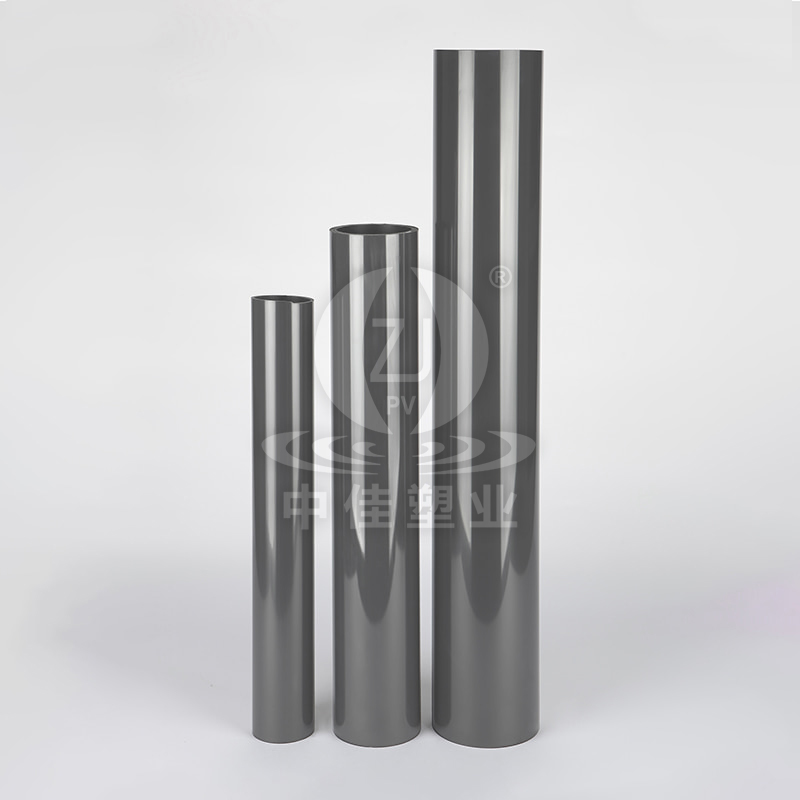
Selecting correctly sized UPVC connectors requires understanding both the nominal pipe size and the actual outside diameter dimensions that determine fitting compatibility. UPVC pipes follow standardized sizing conventions, but variations exist between manufacturers and regional standards that can create compatibility issues if not properly addressed during material selection and procurement.
Nominal pipe size designations like 2-inch or 4-inch describe approximate inside diameters rather than precise dimensions, with actual outside diameters standardized for each size category. UPVC pipes manufactured to North American standards typically follow different dimensional specifications than European or Asian standards, even when bearing the same nominal size designation. Schedule ratings further complicate sizing, as Schedule 40 and Schedule 80 pipes of the same nominal size have identical outside diameters but different wall thicknesses, affecting internal flow capacity while maintaining fitting compatibility.
Always verify that connectors match the specific pipe standard and schedule you're installing, avoiding assumptions based solely on nominal size. Reputable suppliers clearly identify fitting compatibility with specific pipe standards such as ASTM D1785 for Schedule 40 and 80 UPVC pipe or regional equivalents. Mixing incompatible components creates loose joints that fail immediately or lead premature failures after installation, while forcing oversized pipes into undersized fittings can crack the connectors or prevent proper insertion depth.
Pressure and temperature ratings must also align between pipes and connectors to ensure system integrity throughout the operating envelope. UPVC fittings manufactured for pressure applications feature thicker walls and reinforced designs compared to drain, waste, and vent (DWV) fittings intended only for gravity flow systems. Using DWV fittings in pressurized applications invites catastrophic failure, while over-specifying pressure fittings for DWV service wastes money without providing functional benefits. Temperature ratings similarly matter, as UPVC softens at elevated temperatures above 140°F, with both pipes and fittings requiring appropriate ratings for hot water or industrial process applications.
Even experienced installers occasionally encounter problems with UPVC connector installations, often stemming from rushing the process, working in challenging conditions, or overlooking critical preparation steps. Recognizing common mistakes and understanding their solutions prevents costly failures and ensures professional-quality installations that withstand rigorous service conditions.
Insufficient solvent cement application represents one of the most frequent errors, typically resulting from attempting to economize on materials or rushing through joints without proper coverage. Starved joints may initially hold pressure but develop leaks as the system ages and experiences thermal cycling or pressure fluctuations. The solution involves applying generous cement coats to both surfaces, ensuring complete coverage around the entire circumference rather than spot application. Excess cement that squeezes out during assembly confirms adequate application, and this excess can simply be wiped away before it cures.
Premature system pressurization before solvent cement fully cures causes joint failures that appear as installation defects but actually result from inadequate cure time. Solvent cements require specific cure periods based on pipe diameter, ambient temperature, and humidity before the joint develops full strength. Cure time charts provided by cement manufacturers specify minimum waiting periods ranging from 15 minutes for small diameter pipes in warm conditions to 24 hours or more for large pipes in cold weather. Pressure testing or system activation before these cure periods complete stresses joints before molecular bonding finishes, creating weak spots prone to eventual failure.
Misalignment during assembly creates joints where pipes enter fittings at angles rather than following the socket axis, concentrating stress on one side of the connection and creating potential leak paths. Proper technique involves dry-fitting first to verify alignment, marking rotational orientation on both components, and carefully maintaining alignment during the rapid assembly process after solvent application. Support pipes adequately during cure periods to prevent sagging or movement that could stress partially cured joints, potentially breaking the developing molecular bonds.
Working in extreme temperature conditions affects solvent cement performance significantly, with cold temperatures slowing curing and hot conditions accelerating it excessively. When installing in cold weather below 40°F, use low-temperature formulation cements specifically designed to work in these conditions, and extend cure times beyond normal specifications. In hot weather above 90°F, work quickly during assembly as cement sets faster, consider working during cooler morning or evening hours, and store materials in shaded areas to prevent excessive heating that makes pipes and fittings difficult to handle.
UPVC pipe connectors require minimal maintenance once properly installed, but understanding their long-term behavior and occasional service requirements ensures continued reliable performance throughout their multi-decade service lives. Properly installed UPVC systems can function for 50 years or more without significant deterioration, though certain conditions accelerate aging or create maintenance needs.
UV exposure represents the primary environmental factor affecting UPVC longevity, as ultraviolet radiation gradually breaks down the polymer structure causing surface degradation, color change, and eventual brittleness. Outdoor UPVC installations require protection through burial, enclosure, or UV-resistant coatings and wraps. Indoor installations generally experience no UV degradation, maintaining their properties indefinitely when protected from sunlight through windows or skylights. Some manufacturers offer UV-stabilized UPVC formulations for above-ground outdoor applications, incorporating additives that significantly extend service life under sun exposure.
Chemical exposure in industrial applications requires careful material selection and periodic inspection to verify compatibility between the conveyed chemicals and UPVC materials. While UPVC resists most common chemicals including acids, alkalis, and salts far better than metal piping, certain organic solvents and chlorinated hydrocarbons can attack the material causing swelling, softening, or stress cracking. Consult chemical resistance charts when designing systems for industrial process streams, and inspect connections periodically in aggressive chemical service to identify any degradation before failures occur.
Mechanical damage from impact, excessive support loads, or improper hanging practices creates the most common failure mode in UPVC systems, rather than intrinsic material degradation or joint failure. Protect exposed piping from impact through guards or strategic routing, support pipes at proper intervals according to their diameter and schedule, and avoid point loads that concentrate stress. When failures do occur, mechanical connectors enable quick repairs by cutting out damaged sections and installing replacement pipe segments without requiring extensive solvent welding in cramped or wet conditions.
UPVC pipe connectors deliver exceptional value through their combination of corrosion resistance, ease of installation, and long service life when properly selected and installed according to established best practices. Understanding the various connector types, mastering installation techniques appropriate to each, and selecting components matched to specific application requirements ensures successful projects that provide decades of trouble-free service. Whether tackling residential plumbing renovations, commercial drainage systems, or industrial process piping, UPVC connectors offer reliable, cost-effective solutions backed by proven performance across millions of installations worldwide.

Follow us
PVC-U
PVC-U Pipes PVC-U Fittings for Industry PVC-U Fittings for Water Supply PVC-U Pipes ASTM D1785 PVC-U Fittings ASTM SCH80
Copyright © Changzhou Zhongjia Plastic Industry Co., Ltd.All rights reserved.
 UPVC/CPVC Pipes Manufacturers


Copyright @ Changzhou Zhongjia Plastic Industry Co., Ltd.All Rights Reserved.



 عربى
عربى  中文简体
中文简体  Español