Content
A PVC-U female adapter is one of the most frequently used fittings in residential, commercial, and industrial piping systems. Its primary function is to create a reliable threaded connection between a plain-end PVC-U pipe and a male-threaded component such as a valve, pump, or metal pipe fitting. Despite its seemingly simple design, choosing the wrong adapter or installing it incorrectly can lead to leaks, system failures, and costly repairs. This guide covers everything you need to know about PVC-U female adapters—from how they are constructed and rated, to how to select the right size and install it with confidence.
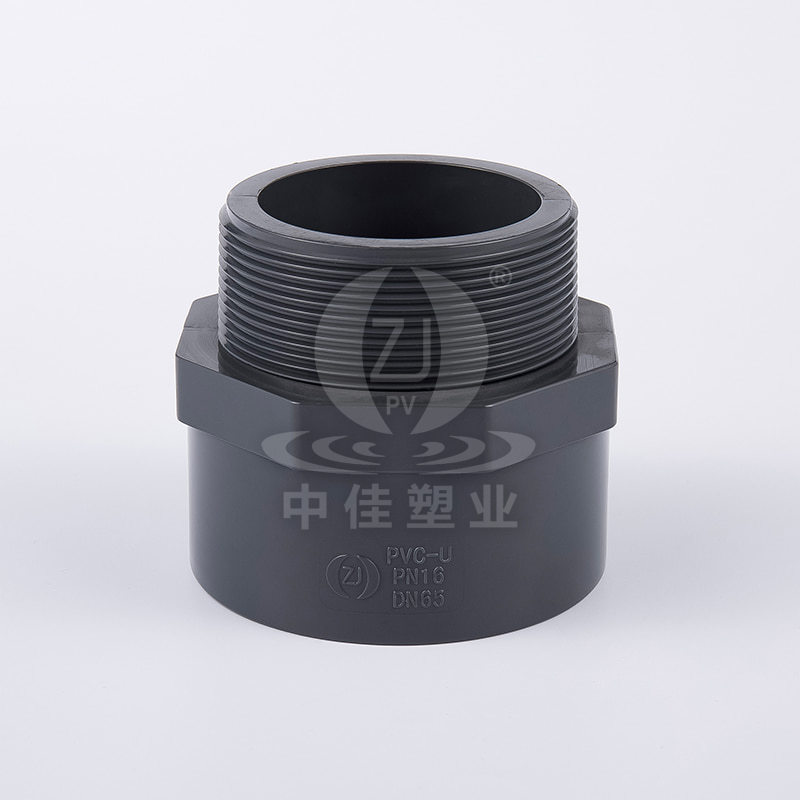
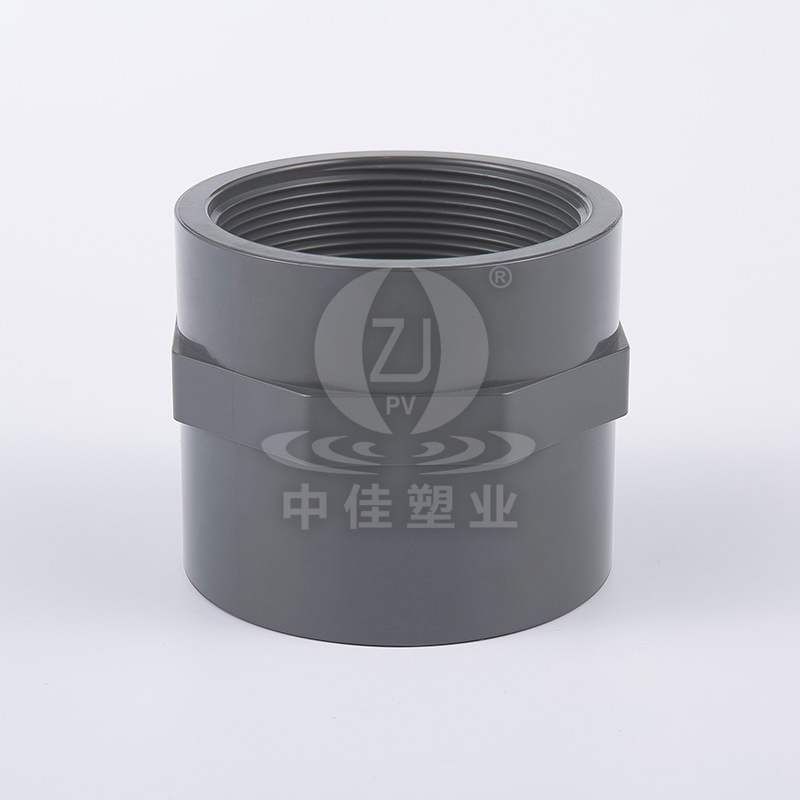
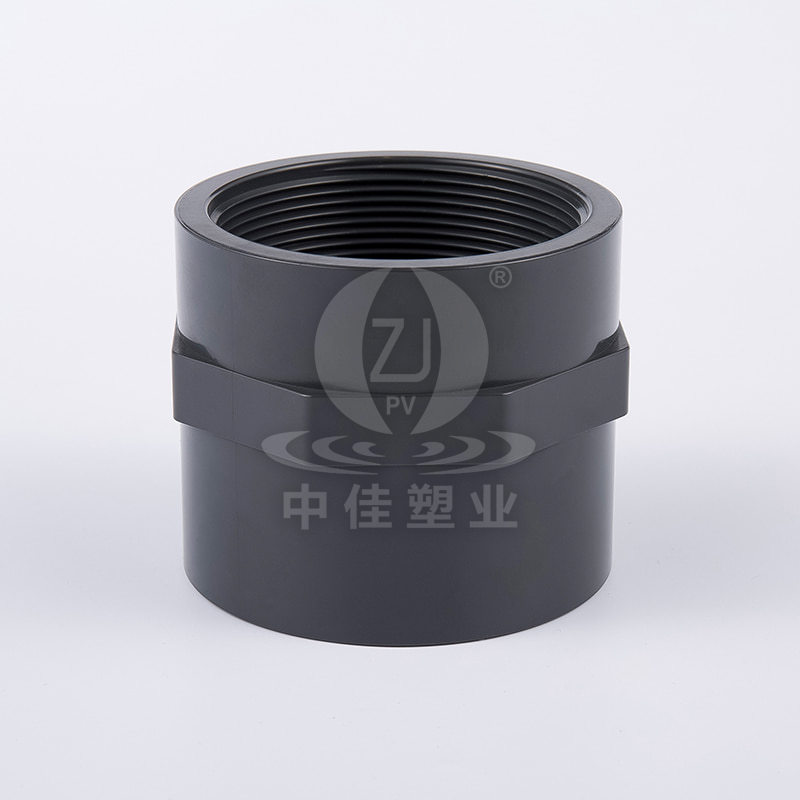
A PVC-U (Unplasticized Polyvinyl Chloride) female adapter is a pipe fitting that features a smooth socket on one end—designed to be solvent-welded to a PVC-U pipe—and a female-threaded (BSP or NPT) connection on the other end. The female thread accepts a corresponding male-threaded fitting, creating a detachable, secure joint. The "unplasticized" designation means the PVC material contains no plasticizers, making it rigid, chemically resistant, and highly durable compared to flexible PVC.
The body of the fitting is molded from virgin PVC-U compound, which must meet international standards such as ISO 1452, BS 3505, or ASTM D1785, depending on the application region. The threaded portion is precision-machined to ensure accurate thread engagement with the mating male fitting. Most female adapters also have a hexagonal or octagonal outer body profile near the threaded end, which allows a wrench to be used during tightening without distorting the fitting body.
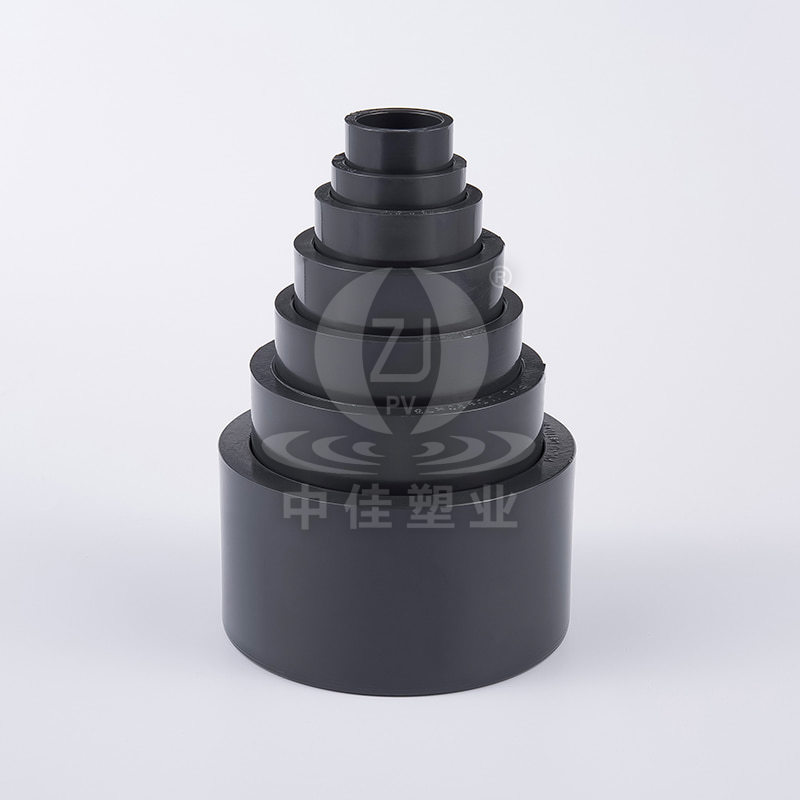
PVC-U female adapters are manufactured in a wide range of sizes and pressure classes to accommodate different system demands. Understanding the relevant standards and specifications is critical before purchasing any fitting for a permanent installation.
The two most widely used thread standards in PVC-U female adapters are BSP (British Standard Pipe) and NPT (National Pipe Thread, used primarily in North America). BSP threads are parallel (BSPP) or tapered (BSPT), while NPT threads are always tapered. It is essential to match the thread standard of your adapter to that of the male fitting being connected—mixing BSP and NPT threads will result in cross-threading, leakage, and joint failure.
The table below summarizes common PVC-U female adapter sizes and their associated maximum working pressure ratings at 20°C:
| Nominal Pipe Size | Thread Size (BSP) | Pressure Rating (PN) | Typical Application |
| ½ inch | ½" BSP | PN16 (16 bar) | Domestic water supply |
| ¾ inch | ¾" BSP | PN16 | Irrigation, garden water lines |
| 1 inch | 1" BSP | PN16 | Light commercial systems |
| 1½ inch | 1½" BSP | PN10 – PN16 | Pool and pump connections |
| 2 inch | 2" BSP | PN10 | Industrial process piping |
| 3 – 4 inch | 3" – 4" BSP | PN6 – PN10 | Drainage, chemical transfer |
Note that pressure ratings decrease as temperature rises. At 40°C, a PVC-U fitting rated PN16 may only safely handle around 10–12 bar of pressure. Always apply a de-rating factor when the system operates above 20°C.
PVC-U female adapters offer a distinct combination of performance and economy that has made them a staple across plumbing and industrial piping projects globally. The following advantages explain their widespread adoption:
The PVC-U female adapter is not limited to a single industry or use case. Its combination of chemical inertness, pressure capability, and compatibility with threaded metal components has earned it a place in many sectors.
In residential and commercial water supply systems, PVC-U female adapters are used to connect plastic supply pipes to brass or stainless-steel gate valves, ball valves, and pressure-reducing valves. They are commonly found at pump inlet and outlet connections, water meter installations, and service pipe entry points into buildings.
Agricultural and landscape irrigation systems rely heavily on PVC-U female adapters to integrate main supply lines with threaded solenoid valves, filter housings, and pressure regulators. Their UV stability (when appropriately formulated) and resistance to fertilizer-grade water make them well-suited for outdoor installations.
Pool filtration and circulation systems use PVC-U fittings extensively because the material withstands the chlorine concentrations and slight acidity of treated pool water. Female adapters provide the transition between plastic pipework and the threaded ports of pumps, filter tanks, and chemical dosing equipment.
In chemical plants handling dilute acids, alkalis, and salt solutions, PVC-U female adapters serve as the interface between plastic process pipelines and instrumentation, sampling points, or chemical injection quills. Their resistance to a broad spectrum of chemicals—referenced in PVC-U chemical resistance charts—makes them a practical and economical solution.
Correct installation of a PVC-U female adapter is straightforward but requires attention to detail, particularly at the solvent-cement joint and the threaded connection. Follow these steps to achieve a leak-free result.
Even experienced installers occasionally make errors that compromise joint integrity. Being aware of the following pitfalls helps ensure a reliable installation every time.
The PVC-U female adapter is a deceptively simple fitting that plays a critical role in the performance and longevity of piping systems across dozens of industries. By understanding its construction, matching the correct size and thread standard to your application, following proper installation procedures, and avoiding common mistakes, you can ensure that every threaded connection in your system delivers leak-free, long-lasting service. Whether you are building a domestic water supply line, an irrigation network, or an industrial chemical system, investing attention in the selection and installation of your PVC-U female adapters is one of the most cost-effective decisions you can make for the reliability of your entire installation.

Follow us
PVC-U
PVC-U Pipes PVC-U Fittings for Industry PVC-U Fittings for Water Supply PVC-U Pipes ASTM D1785 PVC-U Fittings ASTM SCH80
Copyright © Changzhou Zhongjia Plastic Industry Co., Ltd.All rights reserved.
 UPVC/CPVC Pipes Manufacturers


Copyright @ Changzhou Zhongjia Plastic Industry Co., Ltd.All Rights Reserved.



 عربى
عربى  中文简体
中文简体  Español