Content
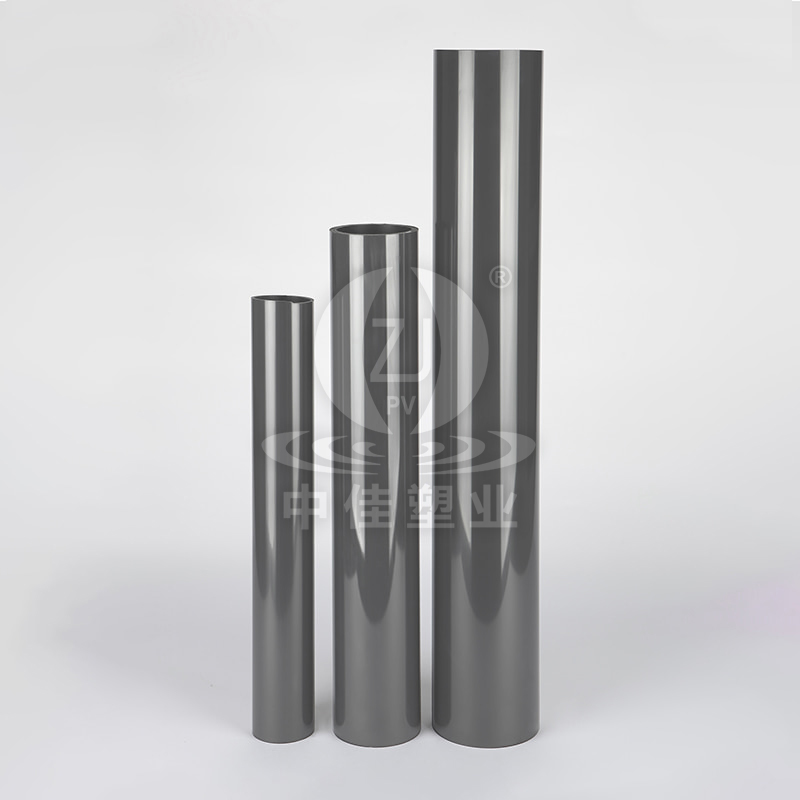
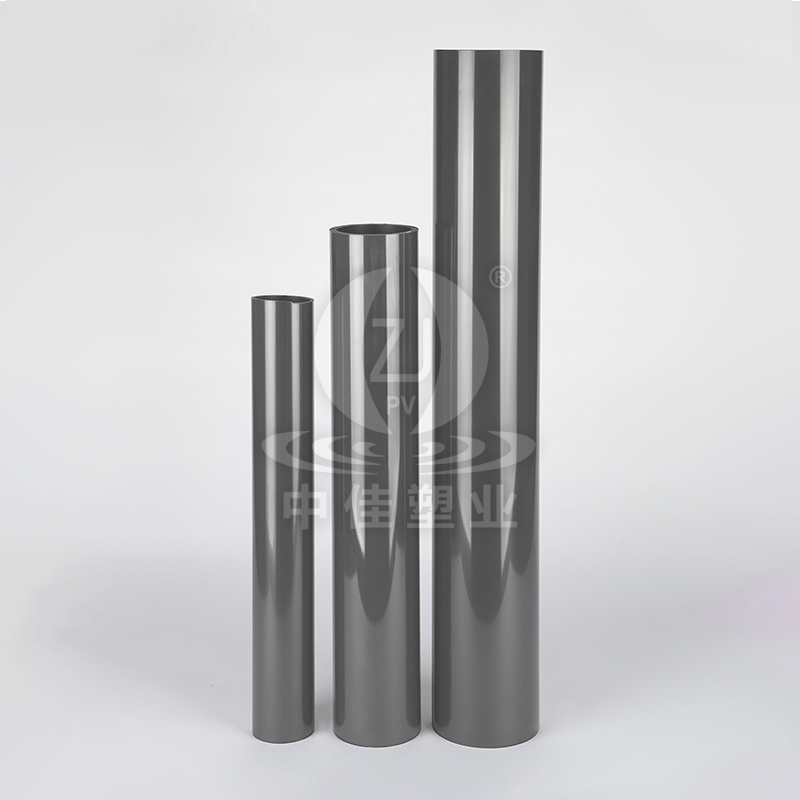
A UPVC pipe connector is a fitting made from Unplasticized Polyvinyl Chloride — a rigid, chemically stable form of PVC that contains no plasticizer additives — used to join, redirect, branch, or terminate sections of UPVC piping systems. Unlike standard PVC, UPVC maintains its structural rigidity across a wide temperature range and resists deformation under sustained pressure, making it the material of choice for water supply lines, drainage systems, irrigation networks, and industrial fluid transport applications.
The connector is not merely a passive junction piece. It determines the mechanical integrity and hydraulic performance of the entire pipeline. A poorly selected or incorrectly installed UPVC pipe connector introduces leak points, creates pressure drop through turbulent flow, and shortens the service life of the pipe system. With UPVC systems commonly installed in walls, underground, or within concrete structures where post-installation access is extremely limited, getting the connector selection and installation right the first time is essential.
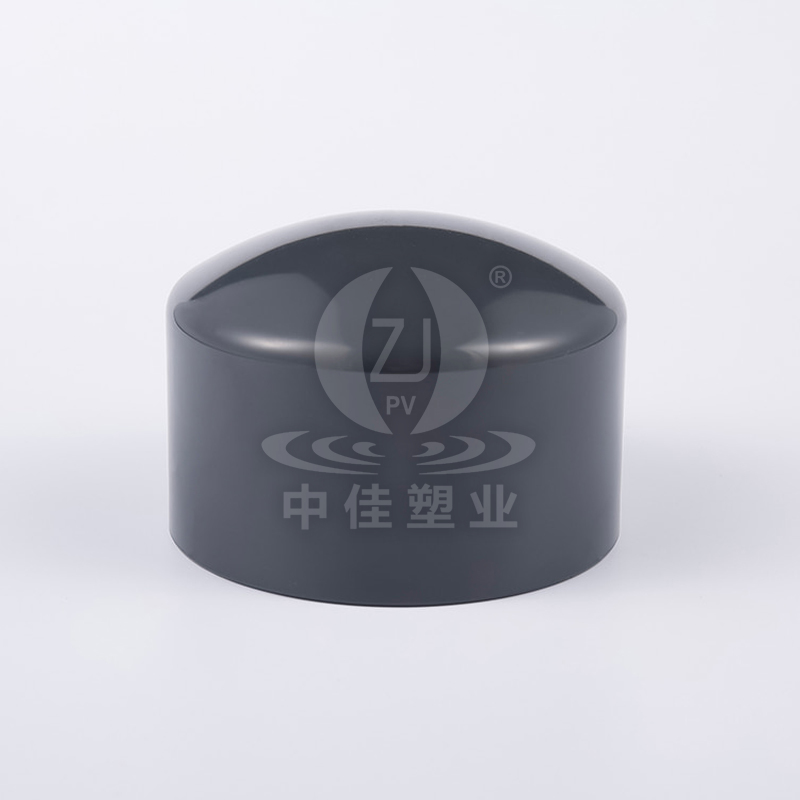
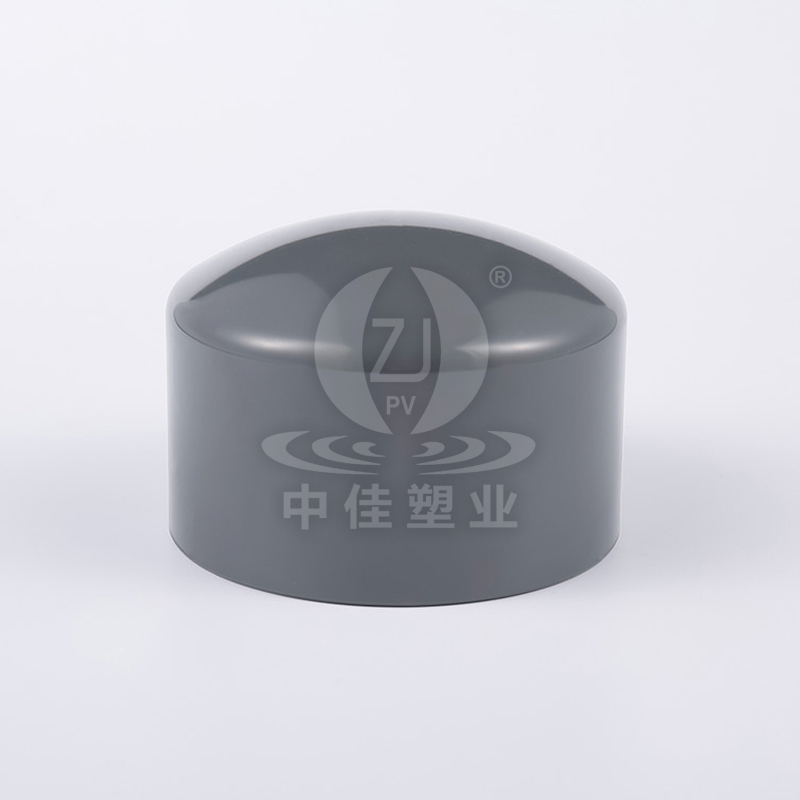
UPVC pipe connectors are manufactured in a wide variety of configurations, each engineered to solve a specific routing or connection challenge. Knowing the function of each type allows engineers and installers to specify the most hydraulically efficient and mechanically appropriate fitting for every point in the system.
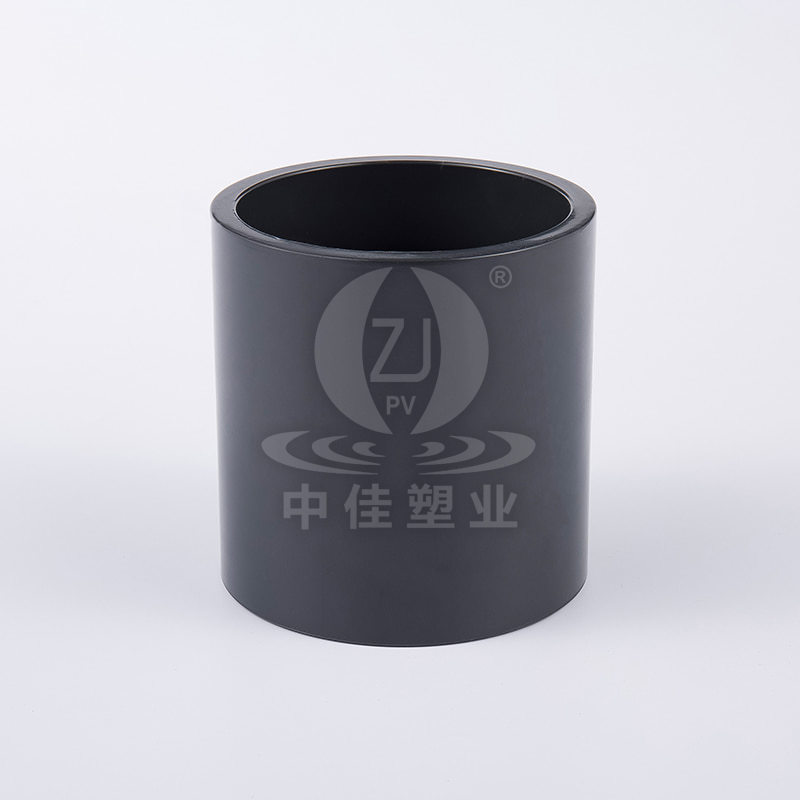
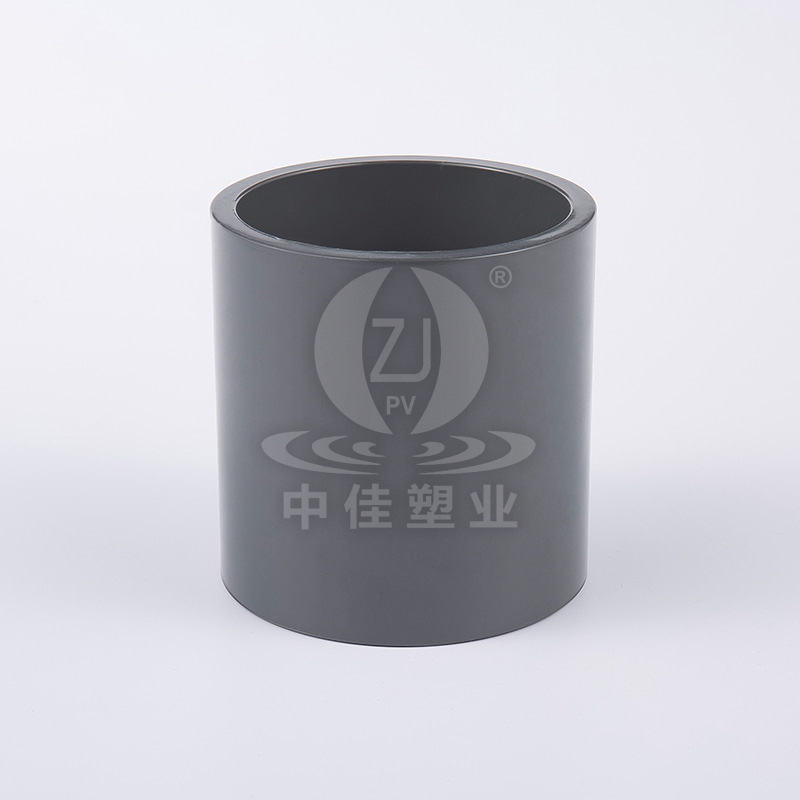
A coupling is the most fundamental UPVC pipe connector, used to join two pipe sections end to end in a straight run. Standard couplings have a socket at each end sized to accept the pipe outer diameter with solvent cement. Repair couplings, also known as slip couplings, have an extended socket length that allows them to slide over damaged pipe sections without cutting back to a joint, making them invaluable for field repairs on existing installations.
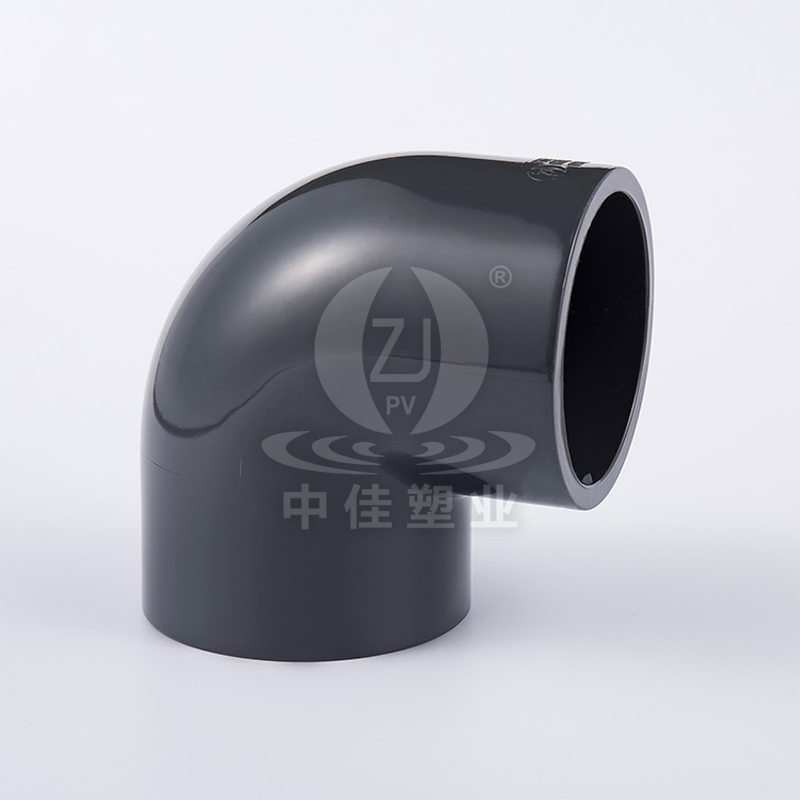
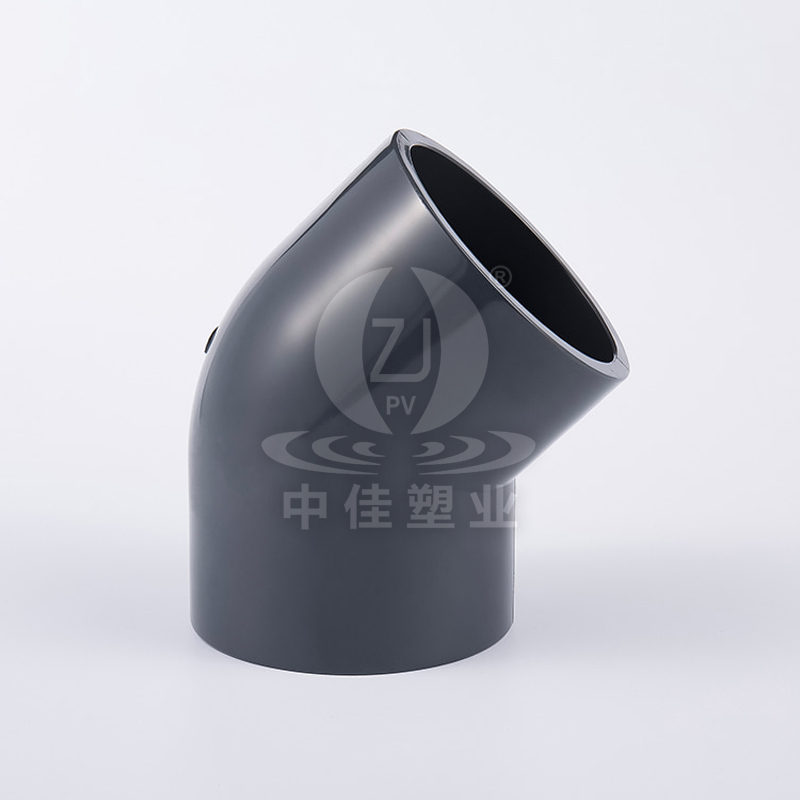
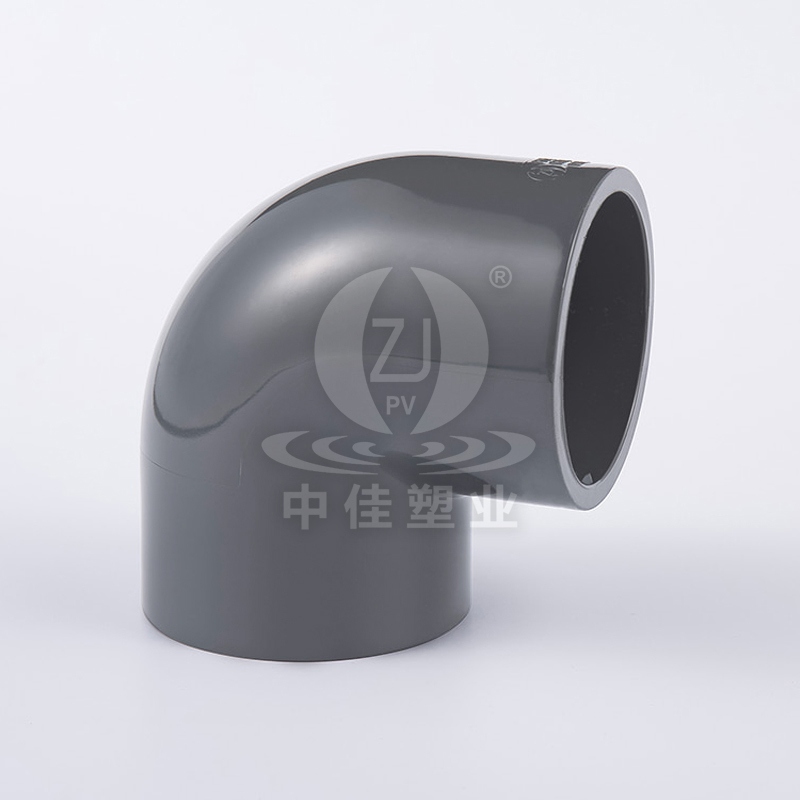
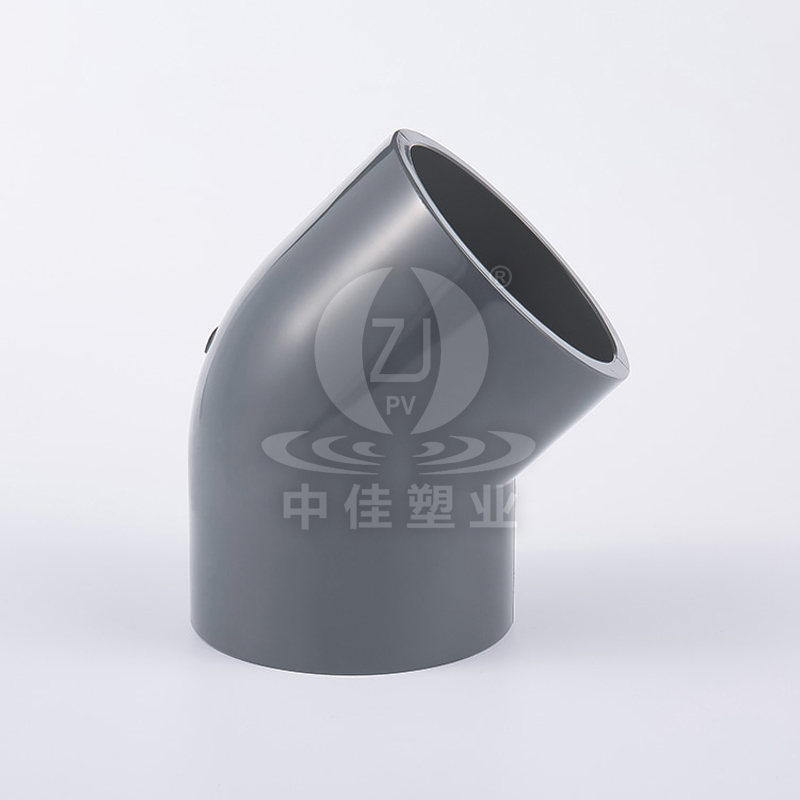
Elbows change the direction of a pipeline. UPVC elbows are available in 45-degree and 90-degree angles as standard, though 22.5-degree and other custom angles exist for specialized routing applications. Long-radius elbows reduce flow resistance compared to short-radius versions by allowing a more gradual direction change, which is critical in systems where minimizing pressure loss is a priority, such as high-flow irrigation mains or pressurized water supply networks.
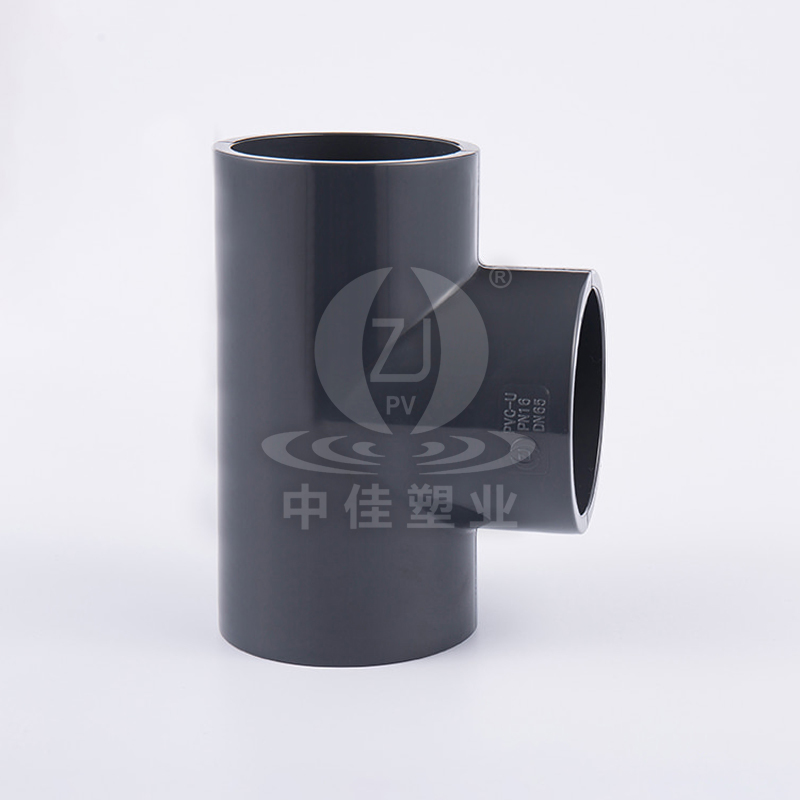
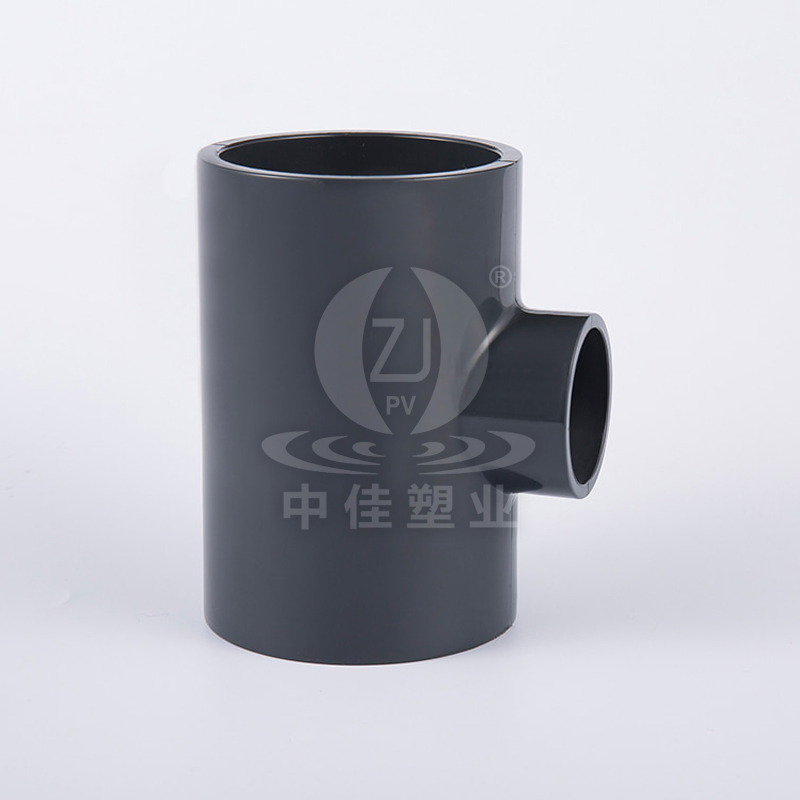
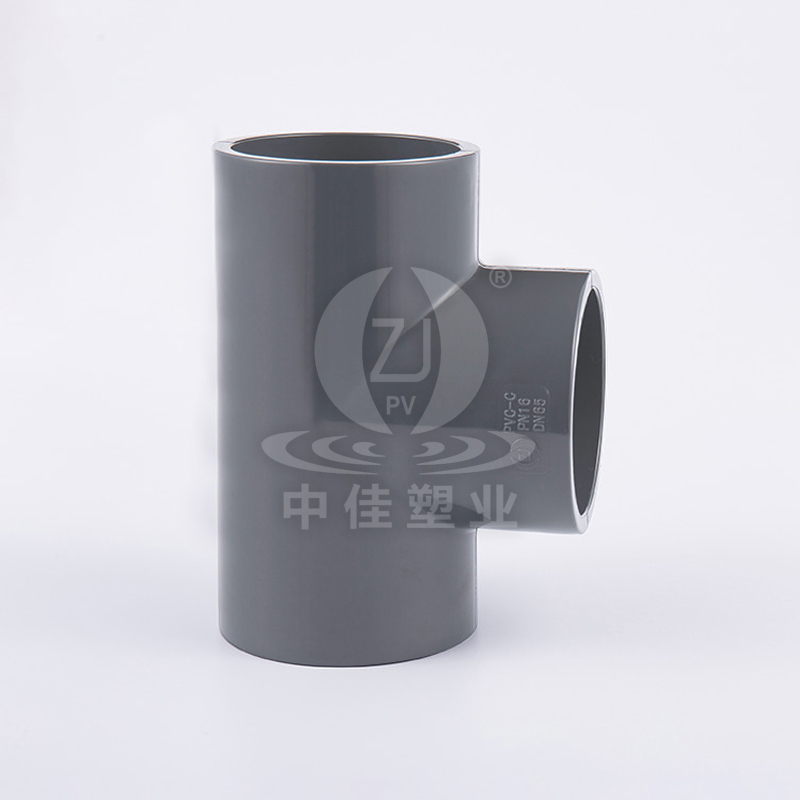
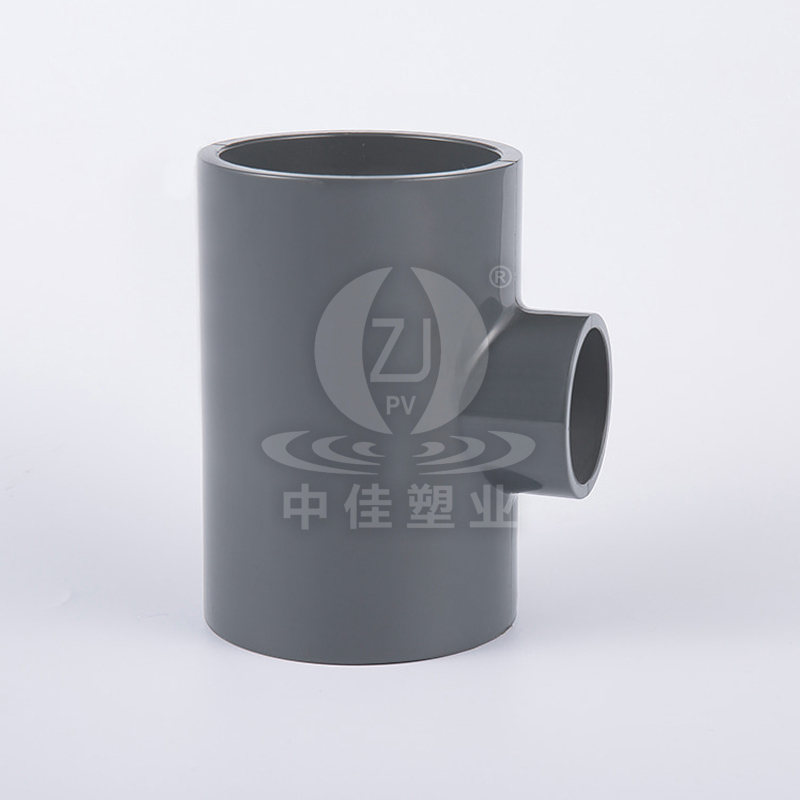
Tee connectors introduce a branch line from a main pipeline run. Equal tees have all three openings at the same diameter, while reducing tees allow a smaller branch to be taken from a larger main. Cross fittings provide four-way junctions and are used in grid-pattern distribution systems such as fire suppression networks and agricultural irrigation manifolds. Proper flow modeling is important when using tee junctions at high velocity, as branch turbulence can cause erosion of the fitting interior over time.
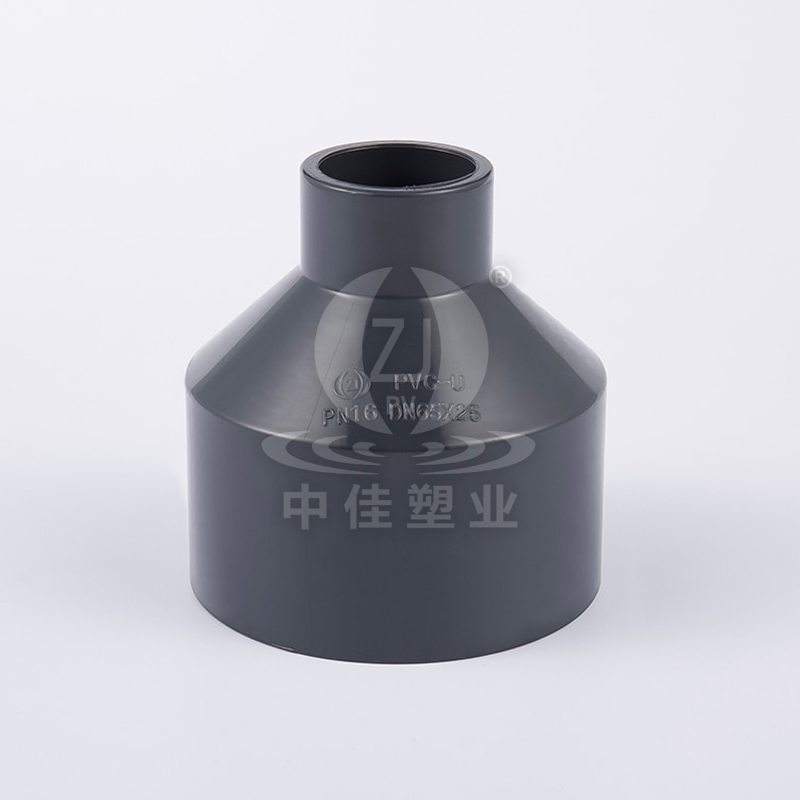
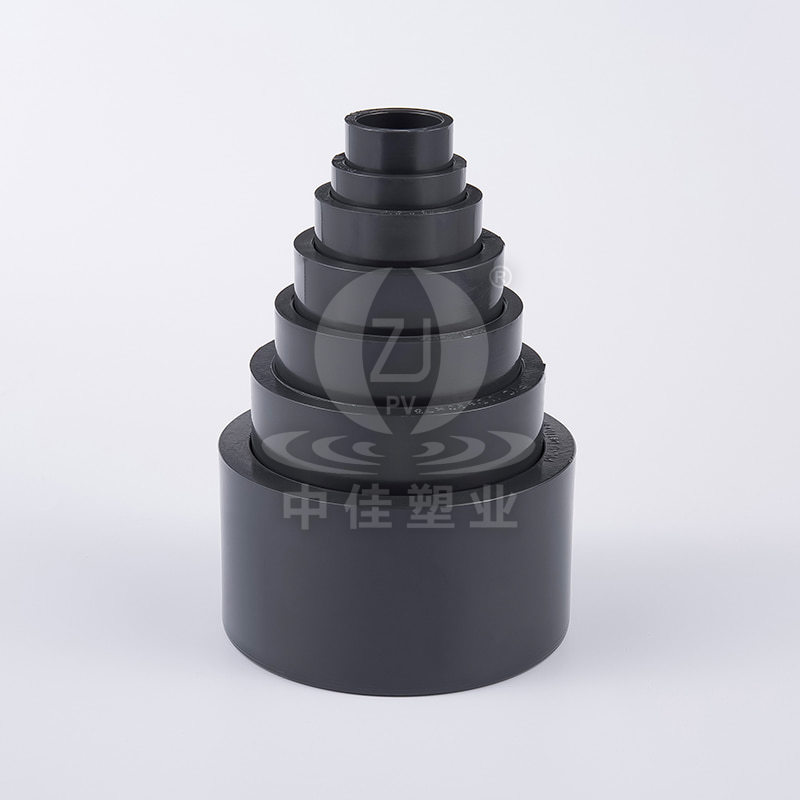
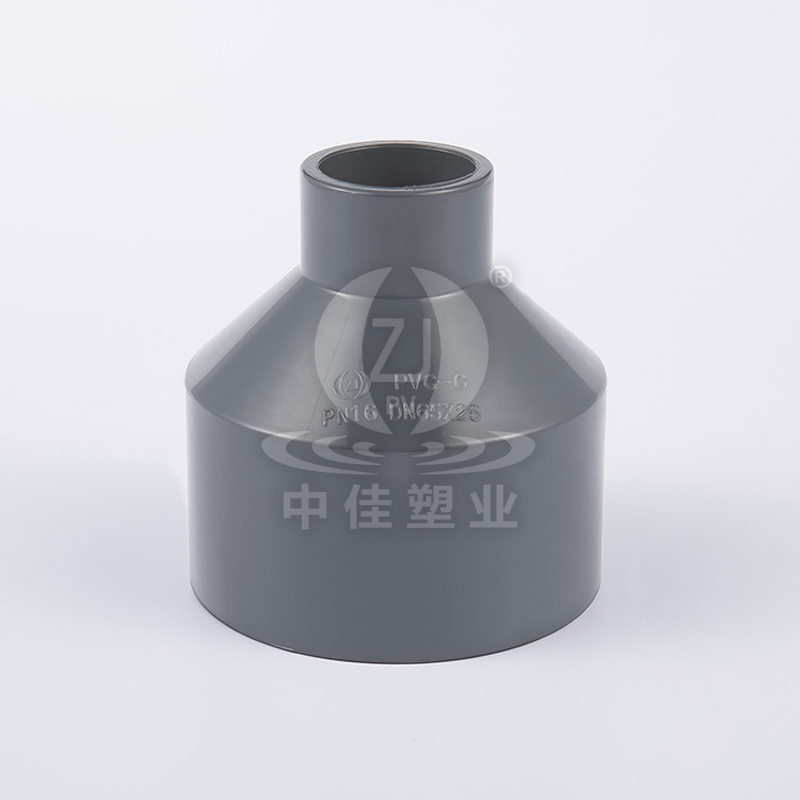
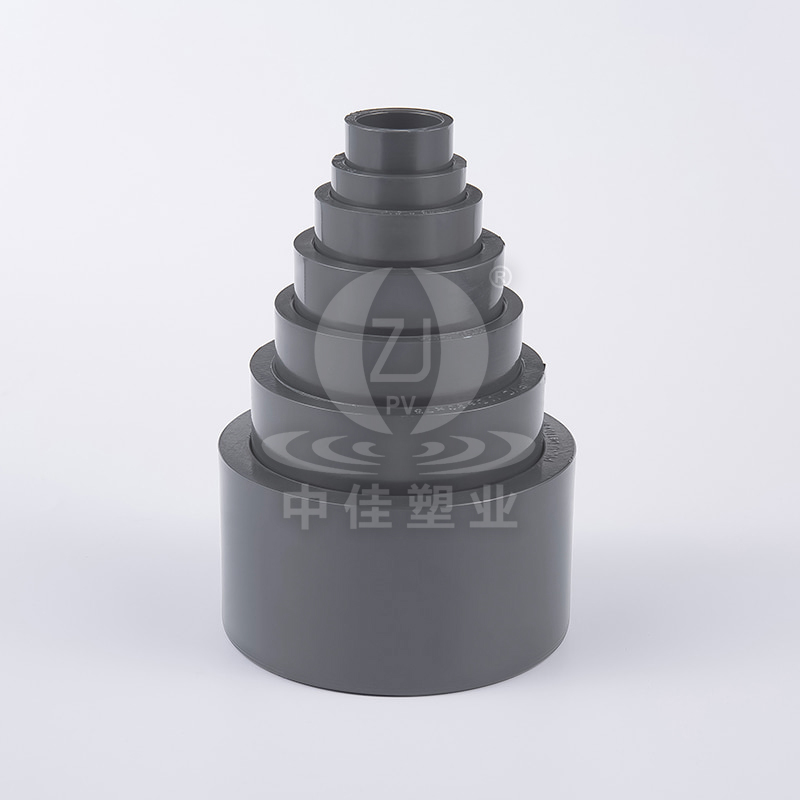
Reducers connect two pipes of different diameters in line, transitioning between pipe sizes within the same run. Concentric reducers maintain a common centerline, which is preferred for horizontal runs to prevent air pockets. Eccentric reducers offset the centerline and are used in pump inlet piping to prevent cavitation. Bushings serve a similar purpose in a more compact form, fitting inside a larger socket to accept a smaller pipe — useful where space is constrained.
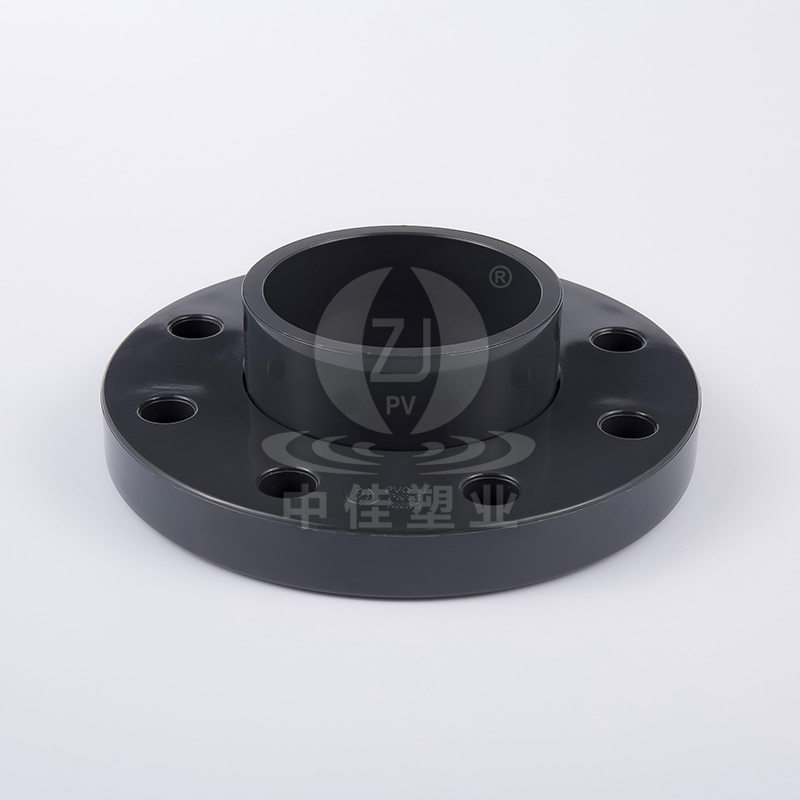
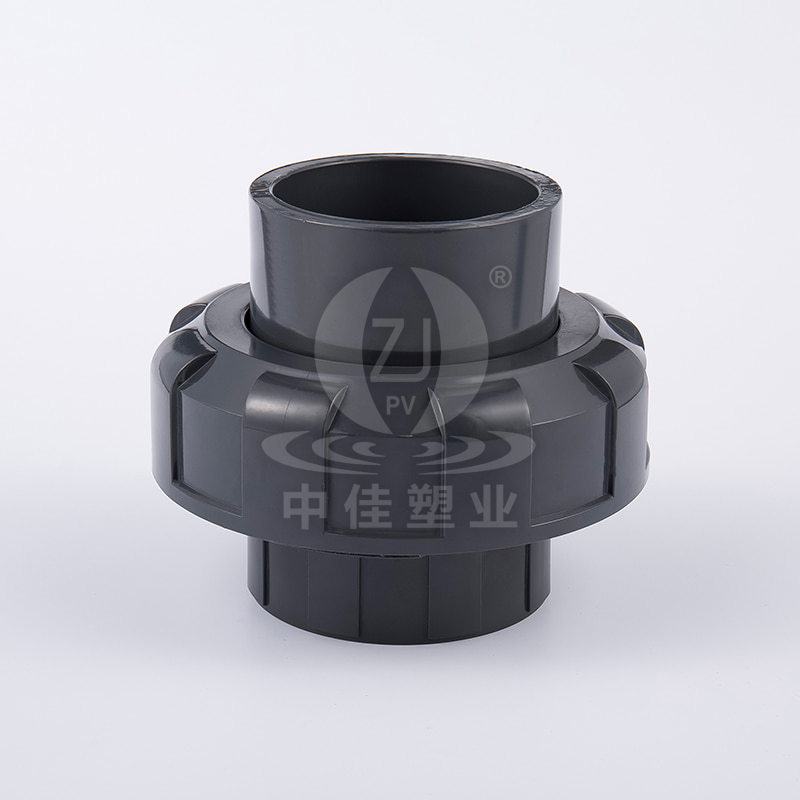
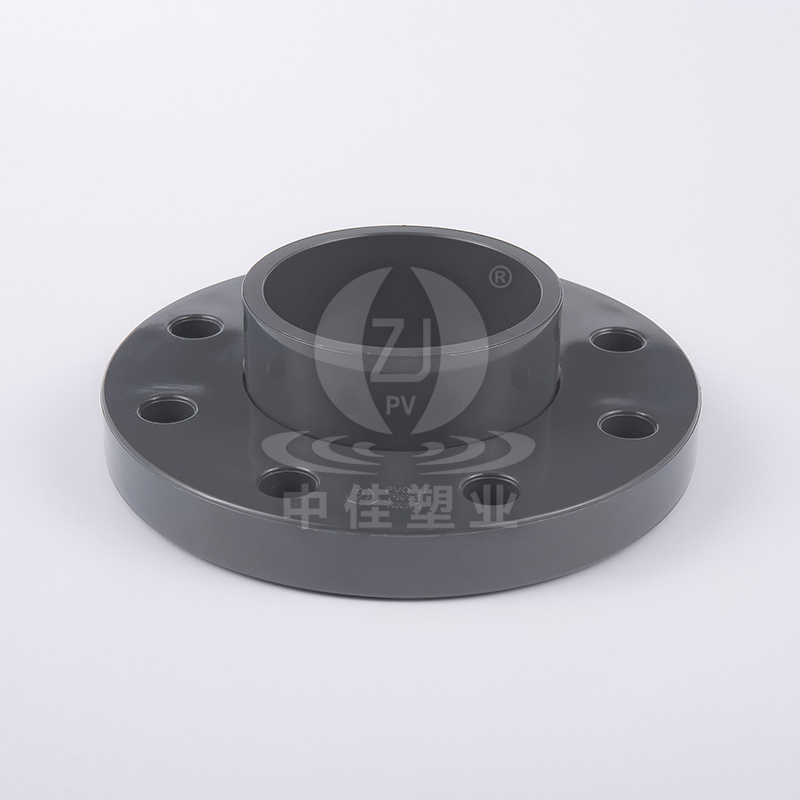
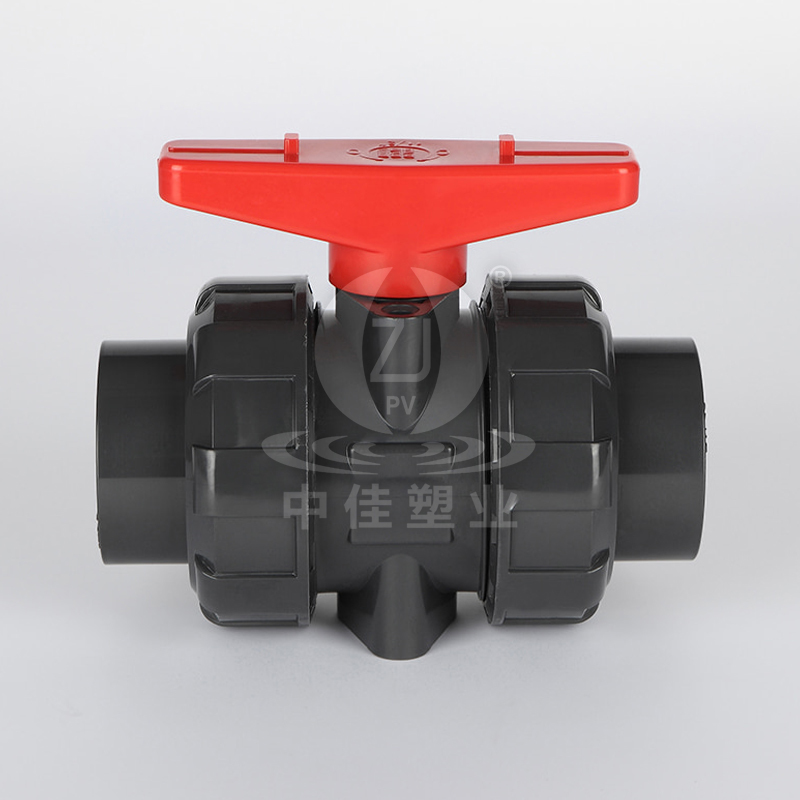
Unions and flanges are UPVC pipe connectors designed for disassembly. A union consists of three pieces — two threaded ends and a locking nut — that allow a pipe section to be removed without cutting. Flanged connectors use bolted face plates and gaskets to create a demountable, pressure-rated joint. Both types are essential at equipment connections, valve installations, and any point in the system where future maintenance access will be required.
Pressure rating is the most critical specification to verify when selecting a UPVC pipe connector. Using a fitting rated below the system's operating pressure is a leading cause of catastrophic joint failure. UPVC connectors are rated according to their nominal pressure (PN) classification, which defines the maximum allowable working pressure at 20°C in bar.
| Pressure Rating | Max Working Pressure | Typical Application |
| PN6 | 6 bar (87 psi) | Gravity drainage, low-pressure irrigation |
| PN10 | 10 bar (145 psi) | Cold water supply, standard plumbing |
| PN16 | 16 bar (232 psi) | Pressurized water mains, industrial process lines |
| PN20 | 20 bar (290 psi) | High-pressure industrial and chemical systems |
It is important to note that pressure ratings are temperature-dependent. As fluid temperature rises above 20°C, the allowable working pressure decreases. At 40°C, a PN16 UPVC connector may derate to an effective working pressure of approximately 10–12 bar. Engineers must apply the manufacturer's derating curve when specifying connectors for systems carrying warm water or operating in high-ambient-temperature environments. Relevant international standards governing UPVC pressure fittings include ISO 15493, ASTM D2466, and EN 1452.
The most widely used method for connecting UPVC pipe fittings is solvent cement welding, also called solvent fusion. This process does not merely glue the surfaces together — the solvent chemically softens the UPVC material on both the pipe end and the fitting socket, allowing the two surfaces to fuse at a molecular level when pressed together. When cured, a correctly made solvent cement joint is stronger than the pipe wall itself. The following steps ensure a reliable joint every time:
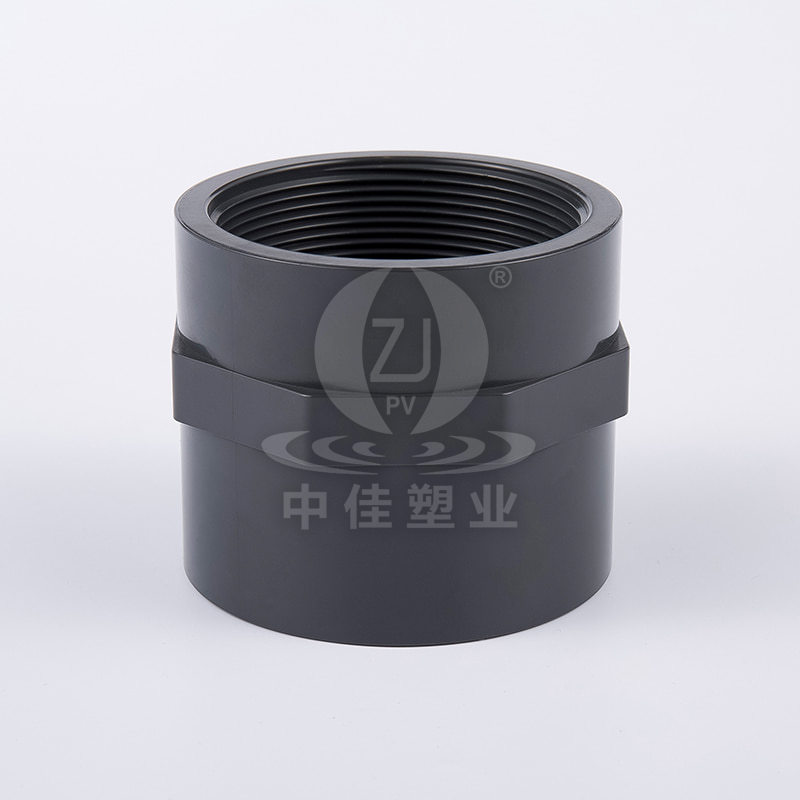
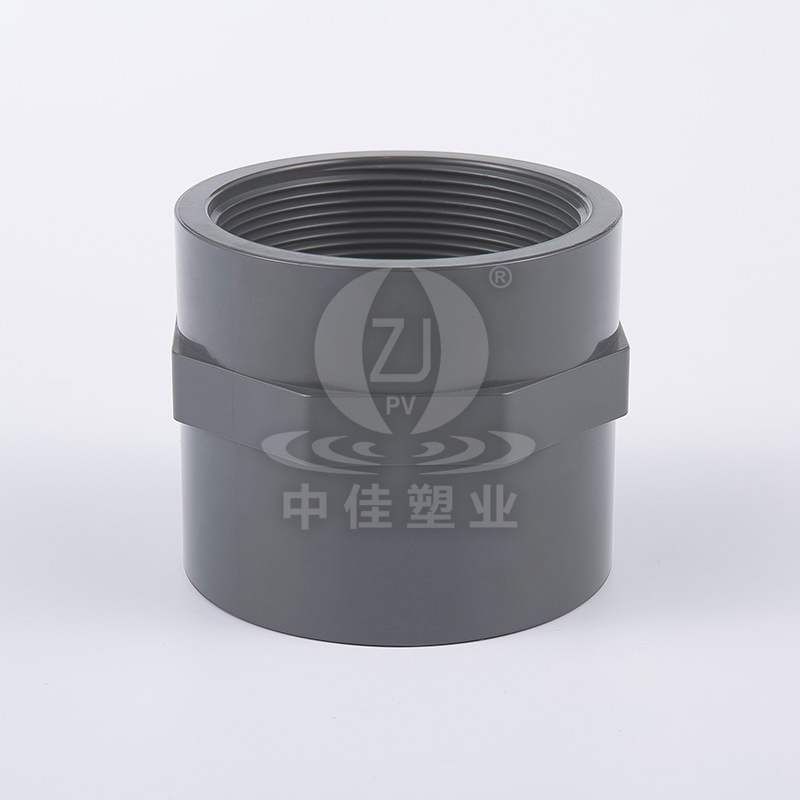
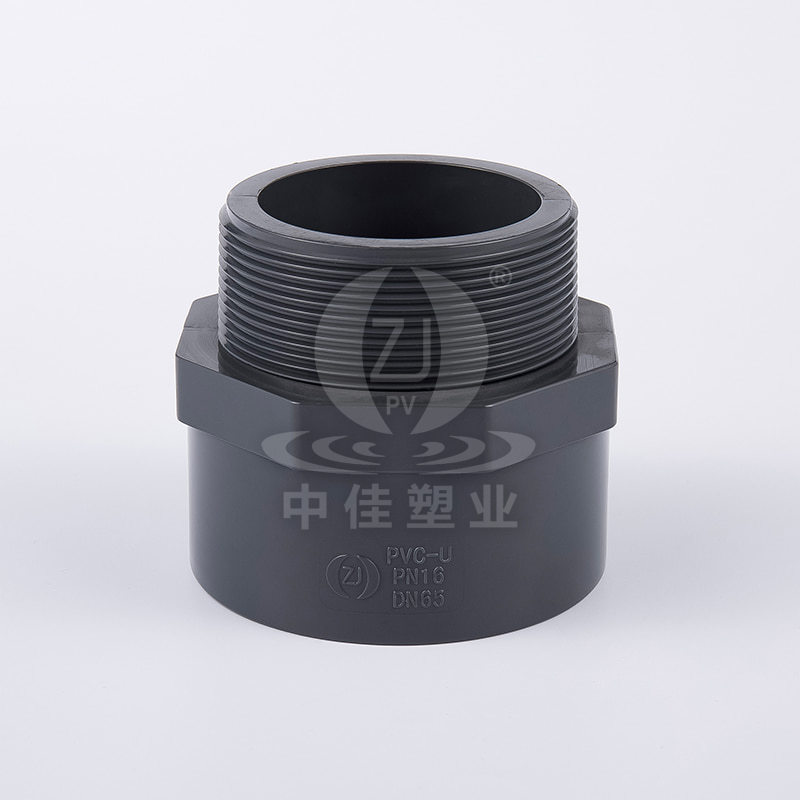
While solvent cement is the dominant joining method, threaded UPVC connectors are used where disassembly is required or where connecting to metal components. UPVC male and female threaded adapters conform to BSP (British Standard Pipe) or NPT (National Pipe Thread) standards and are sealed with PTFE thread tape rather than solvent cement. Threaded joints should never be over-tightened, as UPVC is more brittle than metal and susceptible to cracking at thread roots under excessive torque.
Rubber ring joint connectors, sometimes called push-fit or elastomeric seal fittings, use a pre-installed rubber O-ring within the fitting socket to create a watertight seal when the pipe is pushed in. These connectors allow thermal expansion movement and are particularly suited to drainage systems, sewage lines, and large-diameter mains where solvent cementing is impractical. The pipe end must be lubricated with the manufacturer-specified lubricant — never petroleum-based grease, which degrades the rubber seal — and must be properly chamfered and insertion-depth marked before assembly.
Selecting the correct UPVC pipe connector requires evaluating multiple factors beyond simply matching the pipe diameter. A systematic approach to specification prevents costly mismatches and premature failures:
Even experienced installers occasionally make errors with UPVC pipe connectors that compromise long-term system reliability. Awareness of the most common mistakes helps teams implement quality checks during installation rather than discovering problems after the system is commissioned.
Using the wrong solvent cement is a frequent and serious error. UPVC solvent cement is specifically formulated for unplasticized PVC and should never be substituted with CPVC cement, ABS cement, or generic adhesives — each is chemically matched to its material and interchanging them results in inadequate fusion and joint failure under pressure. Similarly, applying solvent cement to wet or contaminated surfaces prevents proper molecular bonding. Both the pipe end and fitting socket must be dry and clean immediately before cement application.
Failure to support the pipeline adequately near connectors is another overlooked issue. UPVC fittings should not bear the weight of unsupported pipe runs, as sustained bending stress at the socket joint can cause slow crack propagation over months or years. Pipe clips and hangers should be positioned within 150mm of each fitting on both sides, and spacing between mid-span supports should follow the manufacturer's guidelines based on pipe diameter and operating temperature. A correctly specified and carefully installed UPVC pipe connector system will deliver reliable, leak-free performance for 25 to 50 years under normal operating conditions.

Follow us
PVC-U
PVC-U Pipes PVC-U Fittings for Industry PVC-U Fittings for Water Supply PVC-U Pipes ASTM D1785 PVC-U Fittings ASTM SCH80
Copyright © Changzhou Zhongjia Plastic Industry Co., Ltd.All rights reserved.
 UPVC/CPVC Pipes Manufacturers


Copyright @ Changzhou Zhongjia Plastic Industry Co., Ltd.All Rights Reserved.



 عربى
عربى  中文简体
中文简体  Español