Content
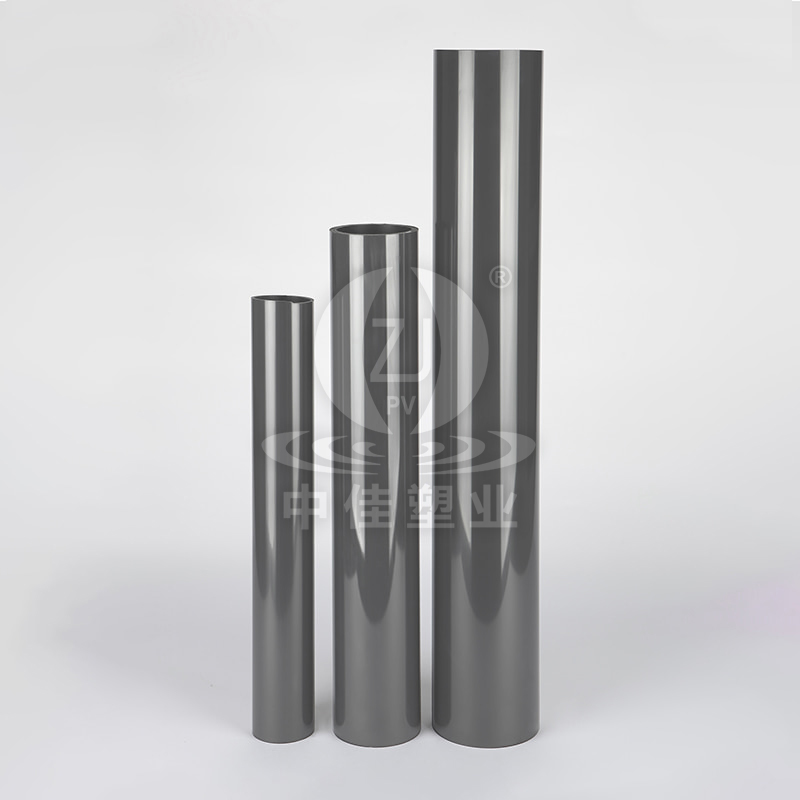
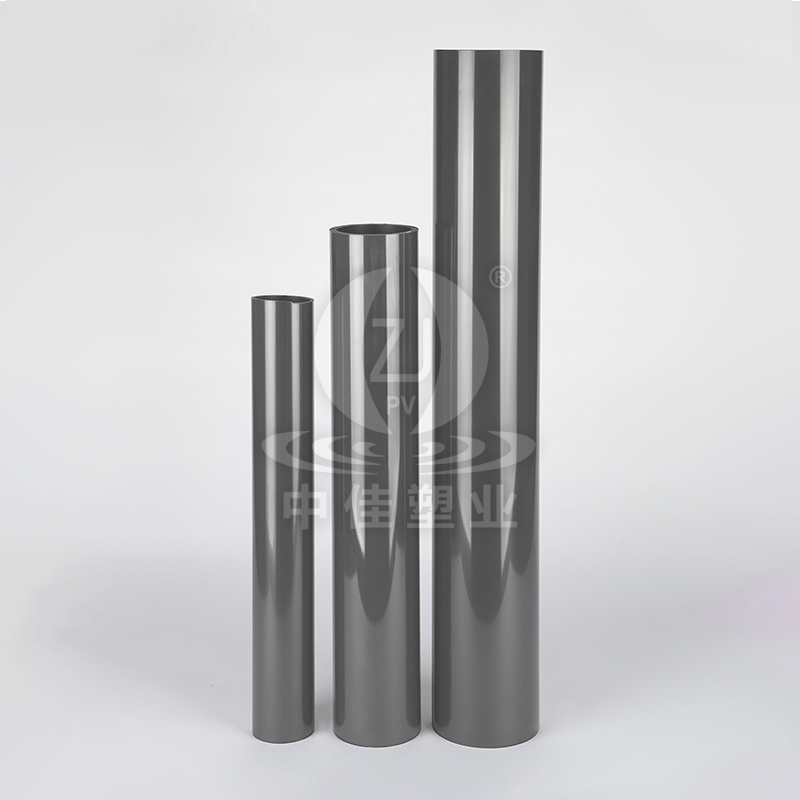
PVC-U S8 pipes are unplasticized polyvinyl chloride pressure pipes classified under the Series 8 (S8) dimensional standard, which defines the relationship between the pipe's outer diameter and its wall thickness. The "S" number in pipe classification is a dimensionless series number derived from the standard dimension ratio (SDR), where S = (SDR − 1) / 2. For S8 pipes, the SDR is 17, meaning the outer diameter of the pipe is 17 times the wall thickness. This relatively thin wall profile distinguishes S8 from heavier-walled grades such as S5 or S4, and it directly determines the pipe's pressure rating, weight, material cost, and appropriate range of applications.
PVC-U, or unplasticized PVC, is a rigid thermoplastic material produced without the addition of plasticizers that would make the material flexible. This rigidity gives PVC-U pipes excellent stiffness, dimensional stability, and resistance to internal pressure at ambient temperatures. Compared to plasticized PVC or other thermoplastics, PVC-U has superior chemical resistance, a smooth internal bore that minimizes hydraulic friction losses, and a long service life under the right operating conditions. The S8 series specifically occupies a practical niche in piping system design — offering adequate pressure performance for lower-pressure applications while reducing material use and cost compared to higher-pressure-rated series.
The series classification system used for PVC-U pressure pipes is standardized under ISO 4422 and adopted by regional standards including EN 1452 in Europe and various national equivalents worldwide. The system allows engineers and procurement specialists to specify pipe wall thickness relative to outer diameter in a consistent, scalable way across all pipe sizes within a given series.
For S8 pipes with an SDR of 17, the wall thickness at any given outer diameter is calculated by dividing the outer diameter by 17. This means that as the pipe diameter increases, the wall thickness scales proportionally, maintaining the same pressure rating regardless of size — a fundamental advantage of the SDR-based classification system over fixed wall thickness specifications. The nominal pressure rating of a PVC-U S8 pipe at 20°C is typically 10 bar (PN10), though this value is subject to derating at elevated temperatures, as the mechanical properties of PVC-U decrease with increasing temperature.
The table below illustrates the relationship between outer diameter, wall thickness, and approximate nominal pressure for PVC-U S8 pipes across common sizes:
| Outer Diameter (mm) | Wall Thickness (mm) | Nominal Pressure at 20°C | Internal Diameter (approx. mm) |
| 32 | 1.9 | PN10 | 28.2 |
| 50 | 3.0 | PN10 | 44.0 |
| 75 | 4.5 | PN10 | 66.0 |
| 110 | 6.6 | PN10 | 96.8 |
| 160 | 9.5 | PN10 | 141.0 |
| 200 | 11.9 | PN10 | 176.2 |
| 250 | 14.8 | PN10 | 220.4 |
It is important to note that wall thickness values in standards documents are minimum values, and actual production tolerances allow for slight variations above the minimum. Engineers should always verify the applicable standard and confirm wall thickness with the pipe supplier when designing systems where pressure performance is critical.
The physical and chemical properties of PVC-U as a base material are fundamental to understanding both the capabilities and the limitations of S8 pipes in service. These properties govern where the pipe performs excellently and where alternative materials should be considered.
PVC-U has a tensile strength of approximately 50–55 MPa and a high modulus of elasticity compared to flexible thermoplastics, giving it the stiffness needed to resist deformation under internal pressure and soil loading in buried installations. For S8 pipes specifically, the thinner wall means that ring stiffness is lower than heavier-walled grades, which must be accounted for in buried pipeline design. In applications where significant external soil loads or traffic loading are present, engineers may specify S5 or S4 pipes with greater ring stiffness, or specify appropriate bedding and backfill conditions to support S8 pipes adequately.
One of PVC-U's most commercially valuable properties is its broad resistance to a wide range of chemicals. It is resistant to most acids, alkalis, salts, and aqueous solutions at ambient temperatures, making it suitable for water supply, irrigation, and many industrial process piping applications. However, PVC-U is attacked by certain organic solvents — including ketones, esters, chlorinated hydrocarbons, and aromatic compounds — and should not be used to convey these substances. In chemical processing environments, the specific fluid must always be checked against a PVC-U chemical resistance chart before specifying S8 pipes.
PVC-U performs best at temperatures between 0°C and 60°C. The PN10 pressure rating of S8 pipes applies at 20°C, and the allowable operating pressure must be reduced at higher temperatures using derating factors specified in the relevant standard. At 40°C, the allowable pressure is typically reduced to approximately 74% of the 20°C value, and at 60°C it drops to around 40%. PVC-U should not be used for hot water distribution systems, steam lines, or any application where fluid temperatures consistently exceed 60°C. For such applications, CPVC (chlorinated PVC) or other higher-temperature thermoplastics are more appropriate.
Standard PVC-U compounds have limited resistance to prolonged ultraviolet radiation exposure, which can cause surface chalking, discoloration, and gradual embrittlement of the outer pipe wall over time. Pipes intended for above-ground outdoor installation should either be manufactured with UV-stabilized PVC-U compound or be protected with insulating cladding or opaque paint. Buried pipes are naturally protected from UV exposure and do not require additional UV stabilization.
The PN10 pressure rating and cost-efficient wall thickness of S8 pipes make them well-suited for a defined set of applications where operating pressures are moderate and fluid temperatures remain within PVC-U's service range.
PVC-U S8 pipes can be joined using several methods, each suited to different installation conditions and system requirements. Selecting the correct jointing method is important for achieving leak-free, pressure-rated connections that perform reliably throughout the system's service life.
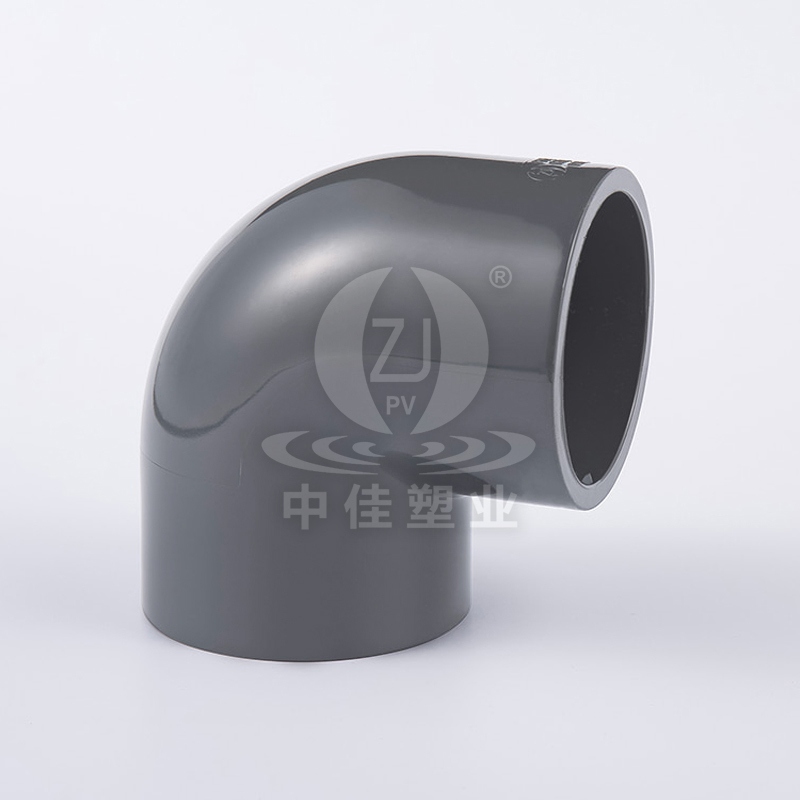
Solvent cement jointing is the most common method for smaller diameter PVC-U S8 pipes, typically up to 160 mm in diameter. A chemical solvent cement is applied to both the pipe end and the socket of the fitting, and when the joint is assembled, the solvent dissolves the PVC-U surfaces and fuses them together as it evaporates, creating a monolithic, homogeneous joint. Properly executed solvent cement joints are as strong as the pipe itself and are suitable for full pressure service. Correct surface preparation, solvent selection, and cure time are critical to joint integrity.
For larger diameter pipes and installations where thermal movement or slight angular deflection must be accommodated, rubber ring push-fit joints are preferred. The pipe spigot is chamfered and lubricated, then inserted into a socket containing a pre-fitted elastomeric sealing ring that compresses to form a watertight seal under pressure. This joint type allows a small degree of axial movement and angular deflection, making it particularly suitable for buried installations in areas of ground movement or where precise alignment is difficult to maintain.
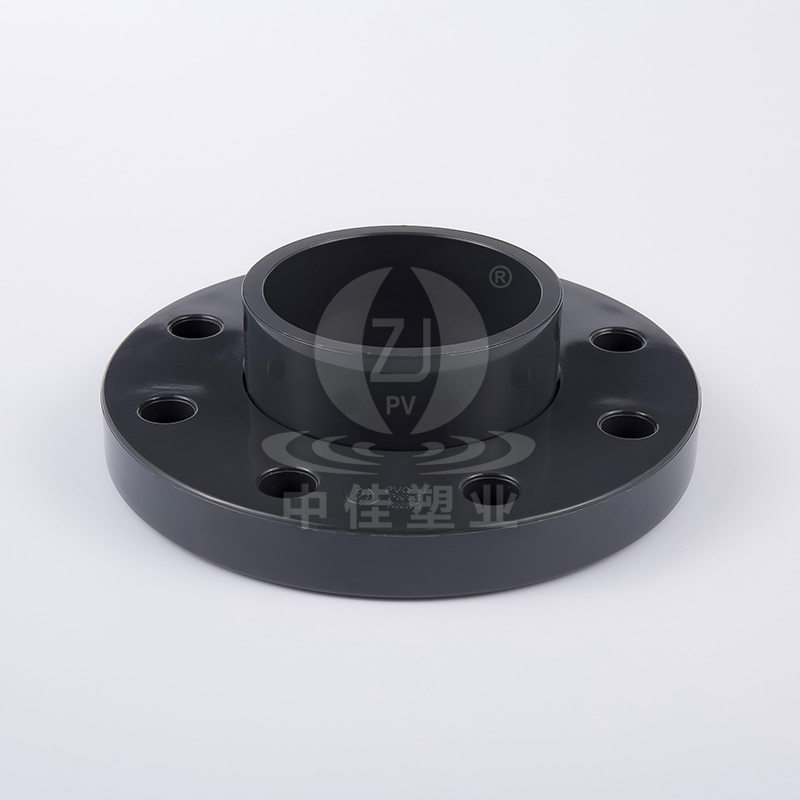
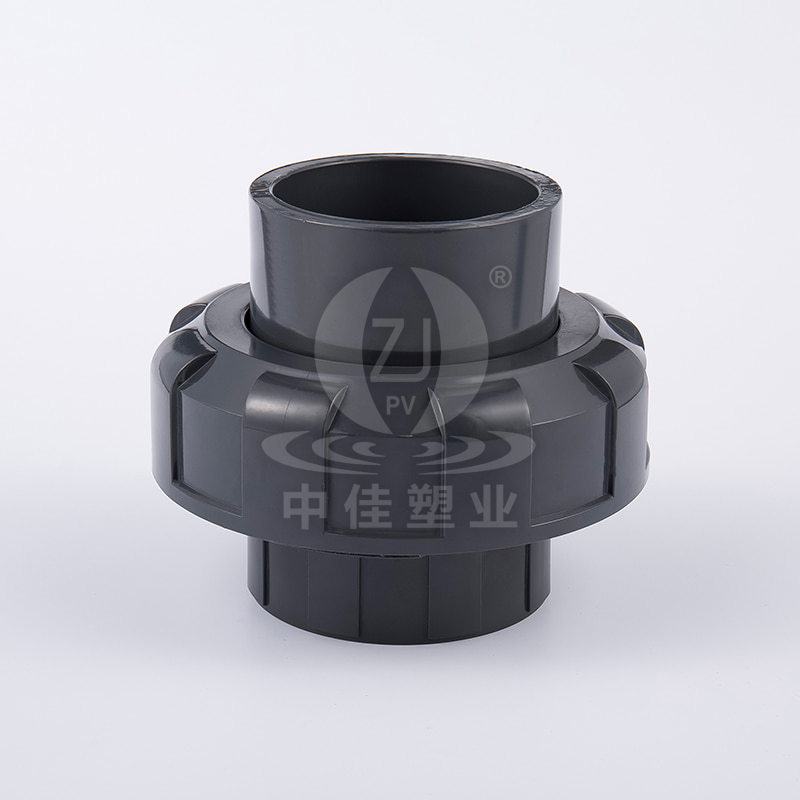
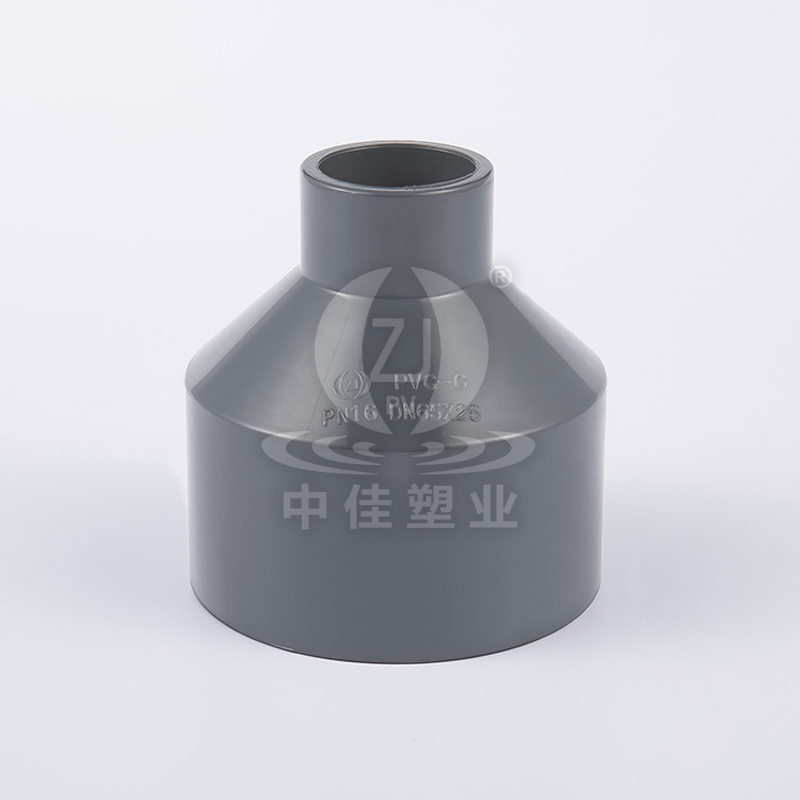
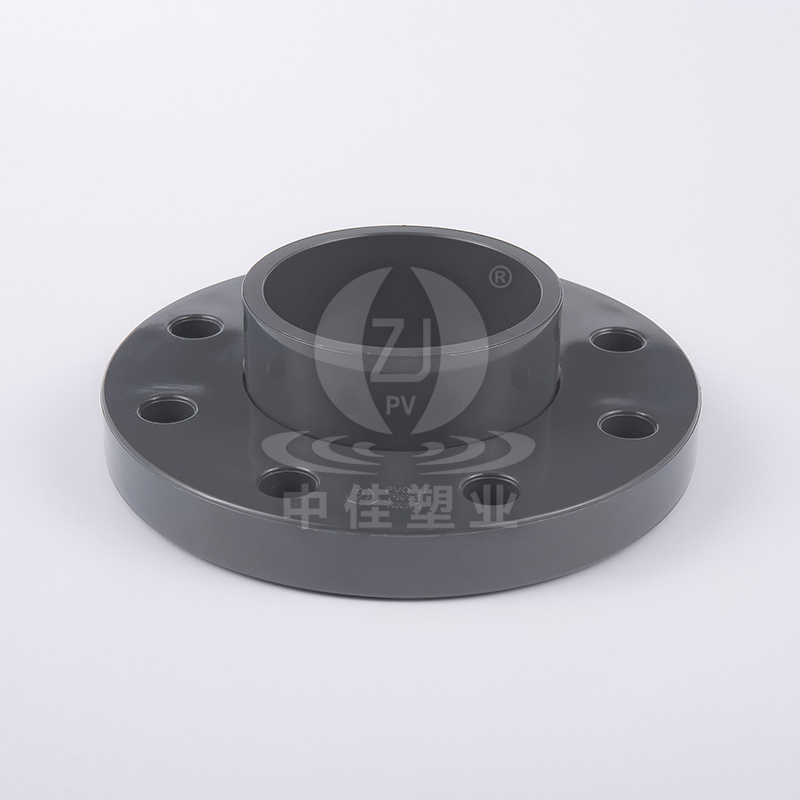
Where PVC-U S8 pipes must connect to metal valves, pumps, tanks, or equipment with flanged end connections, PVC-U stub flanges with backing rings or full-face PVC-U flanges are used. Flanged joints provide fully demountable connections that can be inspected, maintained, and reassembled without pipe cutting, making them the standard choice at equipment interfaces and valve stations in industrial piping systems.
Correct installation practice is essential to achieving the design service life of PVC-U S8 piping systems. The following guidelines address the most critical aspects of installation quality.
PVC-U S8 pipes offer a well-proven combination of moderate pressure capability, chemical resistance, hydraulic efficiency, and installation economy that has made them a staple of water supply, irrigation, and industrial piping infrastructure worldwide. By understanding the S8 dimensional standard, the material's performance boundaries, and the correct jointing and installation practices, engineers and contractors can deploy these pipes with confidence in applications where their characteristics are genuinely well matched to system demands.

Follow us
PVC-U
PVC-U Pipes PVC-U Fittings for Industry PVC-U Fittings for Water Supply PVC-U Pipes ASTM D1785 PVC-U Fittings ASTM SCH80
Copyright © Changzhou Zhongjia Plastic Industry Co., Ltd.All rights reserved.
 UPVC/CPVC Pipes Manufacturers


Copyright @ Changzhou Zhongjia Plastic Industry Co., Ltd.All Rights Reserved.



 عربى
عربى  中文简体
中文简体  Español