Content
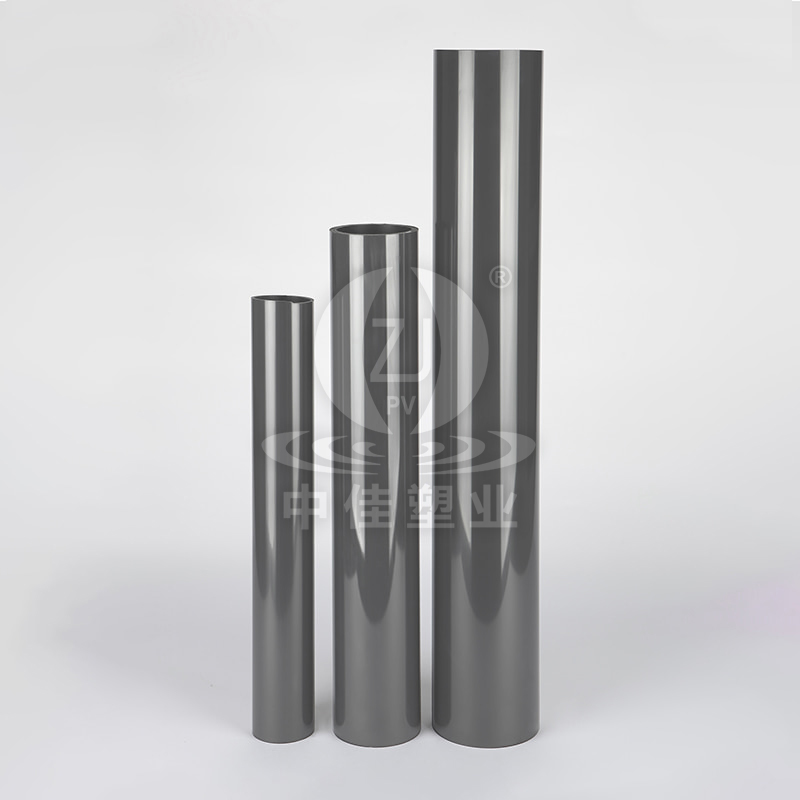
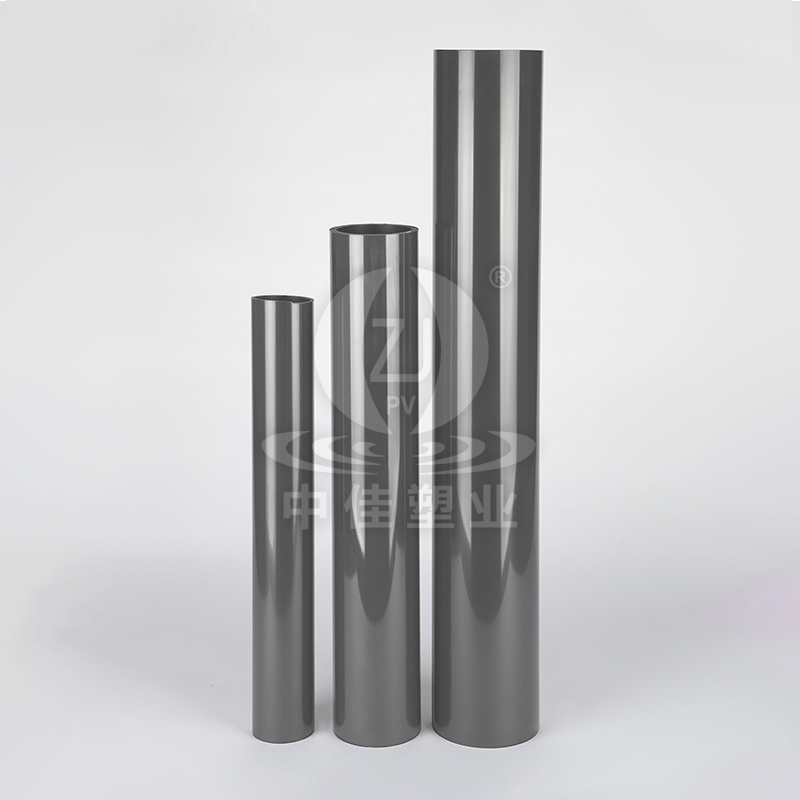
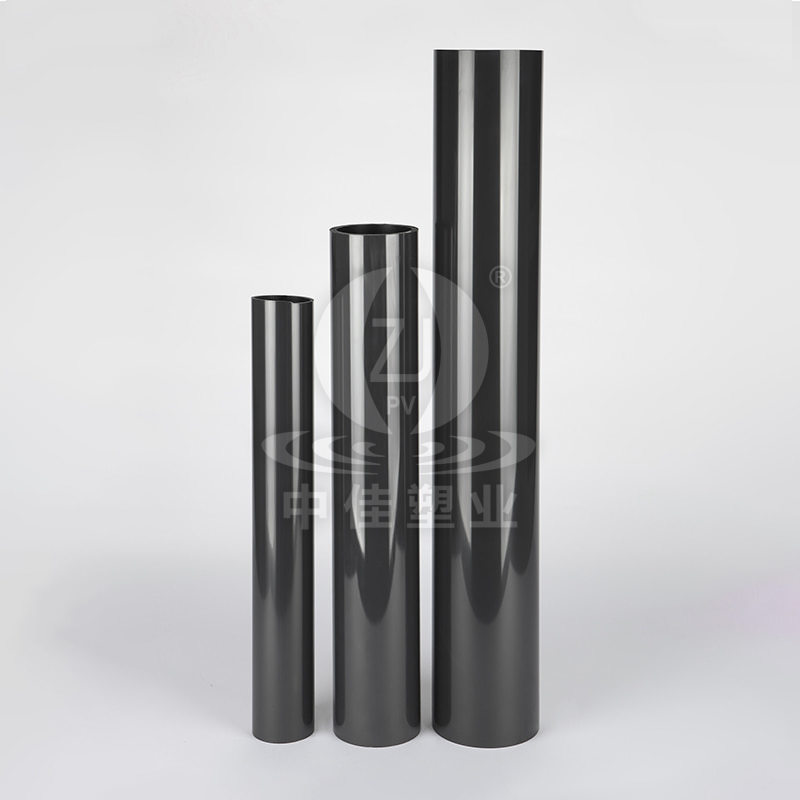
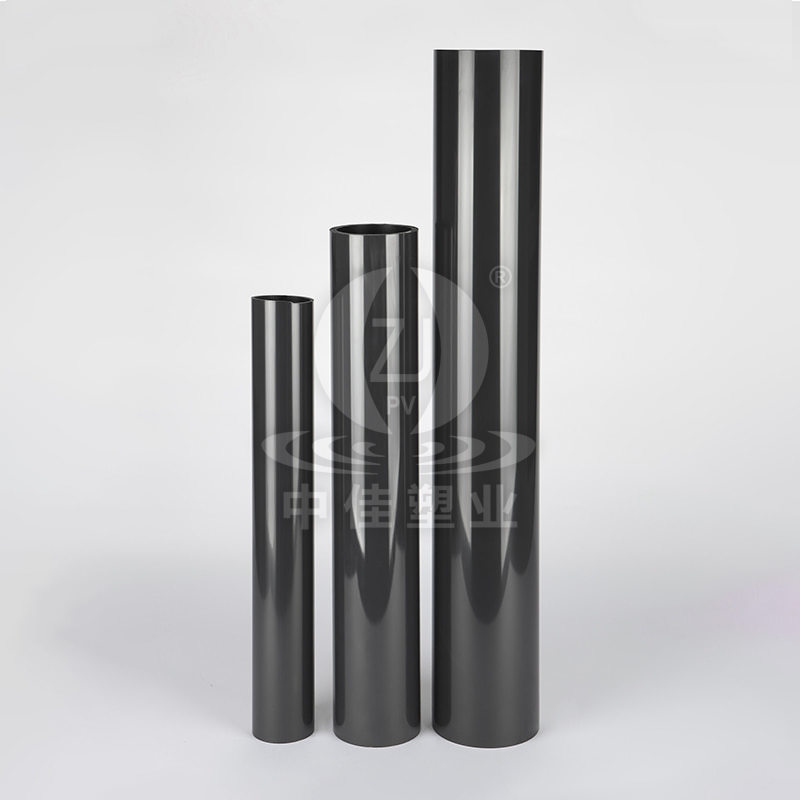
UPVC (Unplasticized Polyvinyl Chloride) pipes have become increasingly popular in industrial and commercial applications due to their durability, chemical resistance, and cost-effectiveness. Unlike traditional PVC, UPVC does not contain plasticizers, which makes it more rigid and stronger. This rigidity provides distinct advantages in pipelines that require long-term structural stability. In comparison to metal pipes, UPVC offers corrosion resistance and reduced maintenance costs, making it an attractive alternative in many industries.
One of the key advantages of UPVC pipes over metal pipes is their resistance to corrosion. While metals like steel or iron are prone to rust when exposed to water or certain chemicals, UPVC maintains structural integrity even in aggressive chemical environments. PVC pipes, while also resistant to corrosion, are less rigid than UPVC, making them more susceptible to deformation under pressure. This makes UPVC ideal for industrial pipelines where chemical resistance and durability are critical.
UPVC pipes exhibit excellent impact resistance due to their rigid polymer structure. They can withstand external pressures and impacts better than standard PVC pipes, which can crack under sudden force. Metal pipes, depending on the grade, can withstand high pressures but are prone to denting and deformation over time. In high-stress industrial applications, UPVC offers a balance between flexibility and structural integrity, reducing the risk of leaks and ruptures.
When it comes to long-term durability, UPVC pipes generally have a service life of 50 years or more under optimal conditions. Metal pipes require regular maintenance such as anti-corrosion coatings and inspections, which can increase operational costs. PVC pipes may last for decades as well but are not suitable for high-pressure or high-temperature applications. UPVC provides a maintenance-free solution in many industrial scenarios, which is a significant advantage.
The initial cost of UPVC pipes is generally lower than that of high-grade metal pipes like stainless steel or galvanized steel. While standard PVC may be slightly cheaper, the performance trade-offs—such as lower rigidity and pressure handling—make UPVC a more cost-effective option in the long term. The production of UPVC involves extrusion processes that are efficient, contributing to its competitive pricing.
UPVC pipes are lightweight and easy to handle, which reduces labor and installation costs compared to metal pipes. Welding or threading metal pipes requires specialized skills, heavy equipment, and more time, whereas UPVC pipes can be easily joined using solvent cement or mechanical fittings. Additionally, the reduced weight lowers transportation costs, particularly for large-scale industrial installations.
UPVC's resistance to corrosion and chemicals translates into lower maintenance costs over its lifecycle. Metal pipes often require anti-corrosion coatings, regular inspections, and potential repairs, adding to long-term expenses. PVC may have lower initial maintenance needs but is more prone to damage under pressure or temperature fluctuations. Overall, UPVC provides a lower total cost of ownership for industrial pipelines.
UPVC pipes are extensively used in water distribution systems and wastewater management due to their corrosion resistance and long lifespan. In municipal and industrial water supply, UPVC ensures safe, leak-free operation while minimizing maintenance interruptions.
In chemical industries, UPVC pipelines transport aggressive chemicals safely without the risk of corrosion seen in metal pipes. PVC pipes cannot handle certain high-pressure scenarios, making UPVC the preferred choice in many chemical processing applications.
Agricultural industries benefit from UPVC pipes for irrigation due to their durability and resistance to soil chemicals. Lightweight and easy-to-install pipelines reduce labor costs while maintaining reliable water flow for crops.
UPVC pipes are suitable for temperatures up to 60°C and moderate pressure conditions. For high-temperature or high-pressure scenarios, alternative materials or reinforced UPVC pipes may be necessary. Proper assessment ensures safe and efficient operation.
Choosing the correct diameter and wall thickness is essential for maintaining optimal flow rates and structural integrity. Manufacturers provide UPVC pipes in various sizes, allowing customization for specific industrial requirements.
Selecting UPVC pipes that comply with ISO, ASTM, or local industrial standards ensures reliable performance. Certified pipes have been tested for strength, durability, and chemical resistance, which guarantees quality in demanding applications.
In conclusion, UPVC pipes offer a unique combination of durability, chemical resistance, and cost-effectiveness compared to PVC and metal pipes. Their lower maintenance requirements, ease of installation, and long service life make them an excellent choice for industrial applications. While metal pipes may be necessary for high-temperature or extremely high-pressure systems, UPVC provides a versatile and economical solution for most industrial, agricultural, and municipal pipeline needs.

Follow us
PVC-U
PVC-U Pipes PVC-U Fittings for Industry PVC-U Fittings for Water Supply PVC-U Pipes ASTM D1785 PVC-U Fittings ASTM SCH80
Copyright © Changzhou Zhongjia Plastic Industry Co., Ltd.All rights reserved.
 UPVC/CPVC Pipes Manufacturers


Copyright @ Changzhou Zhongjia Plastic Industry Co., Ltd.All Rights Reserved.



 عربى
عربى  中文简体
中文简体  Español