Content
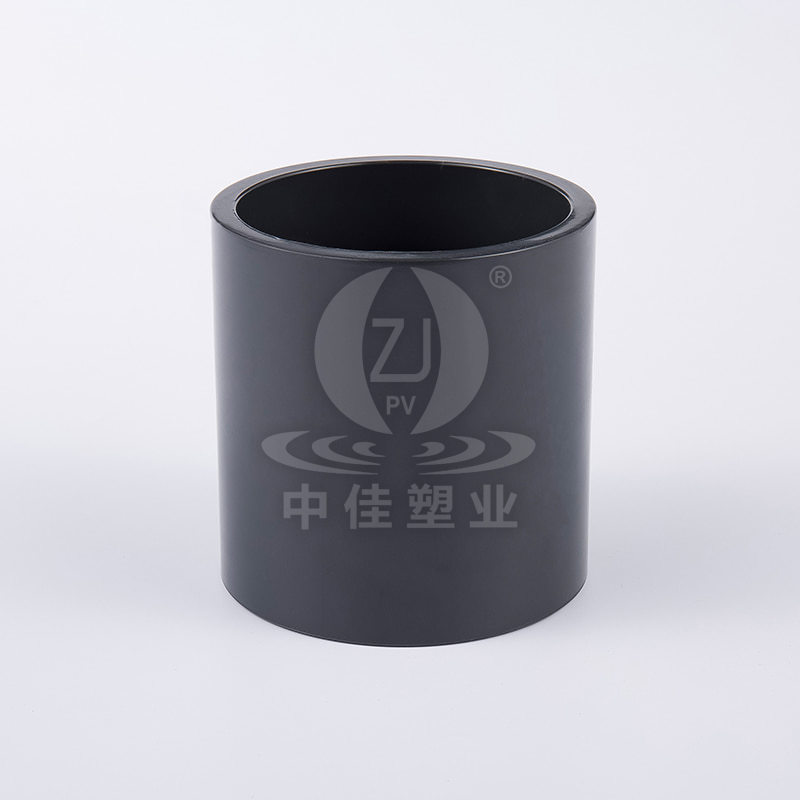
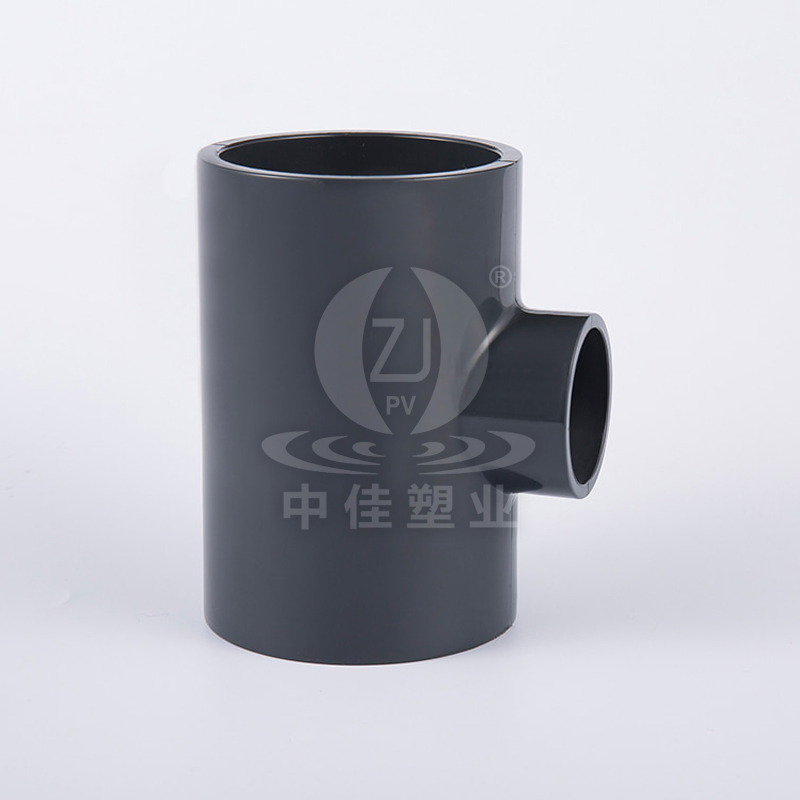
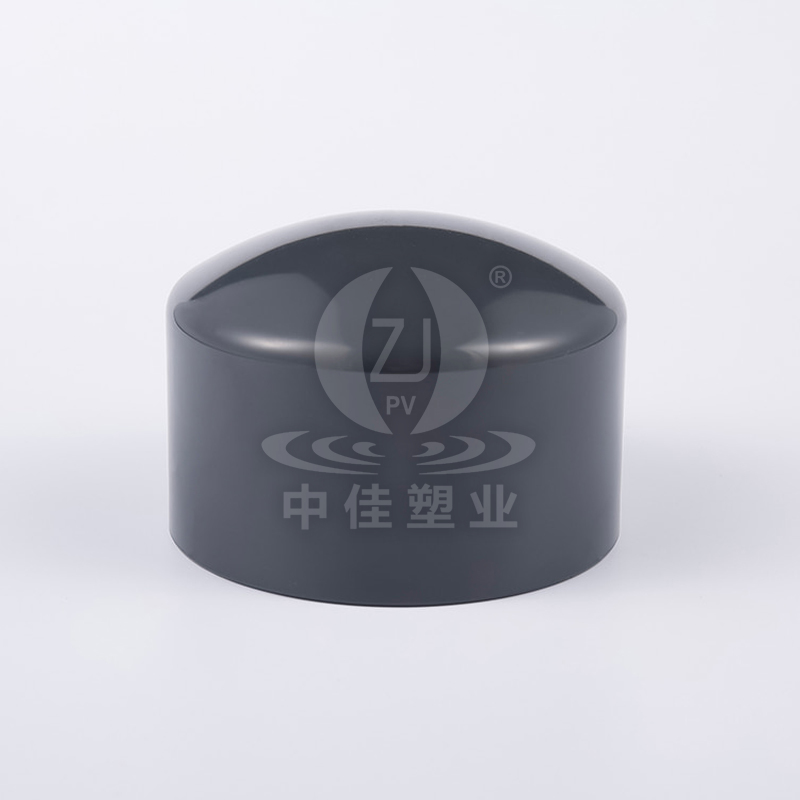
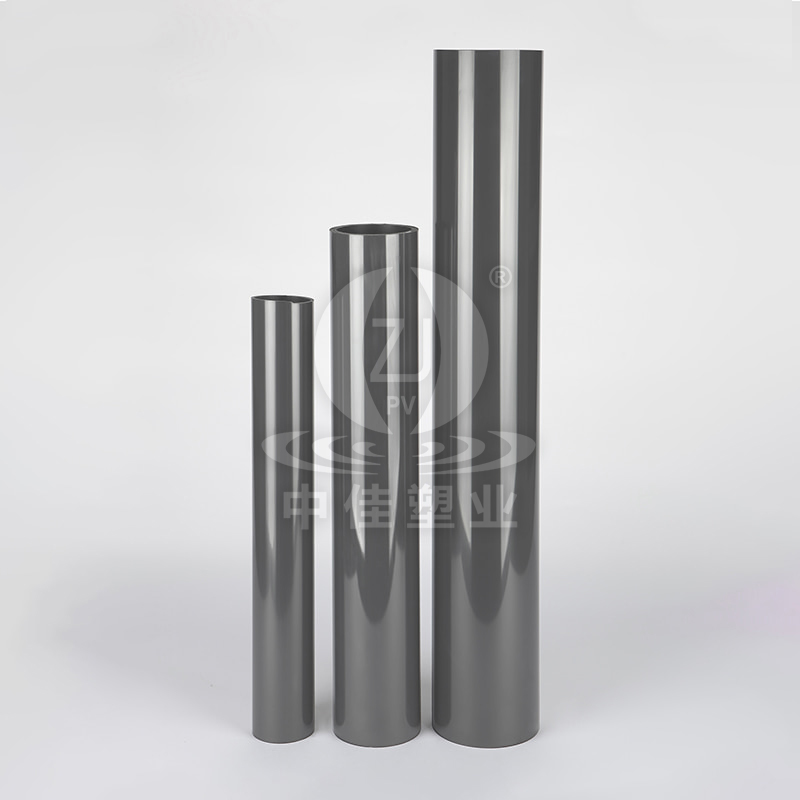
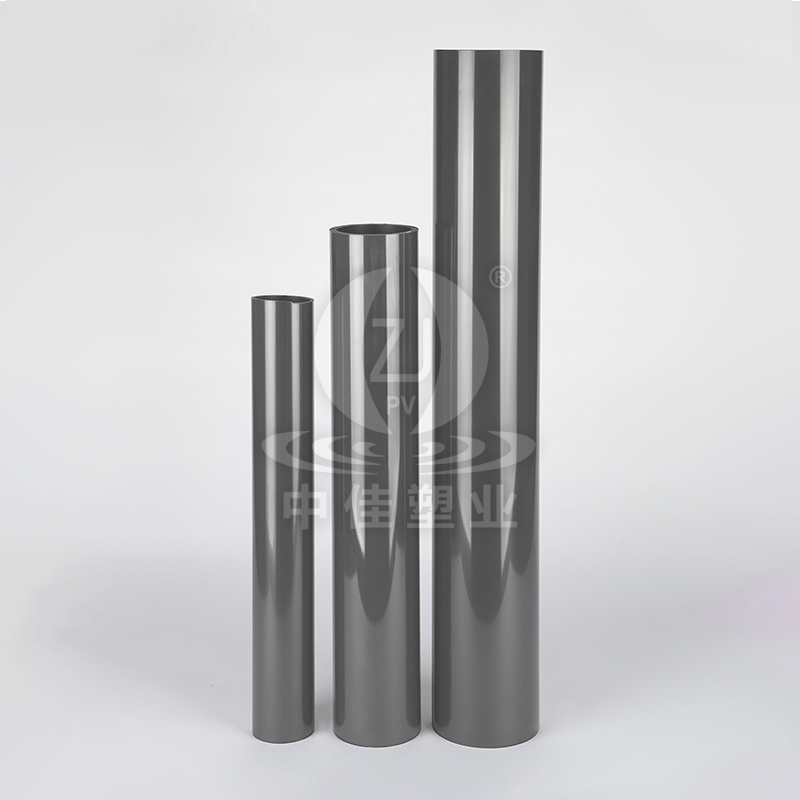
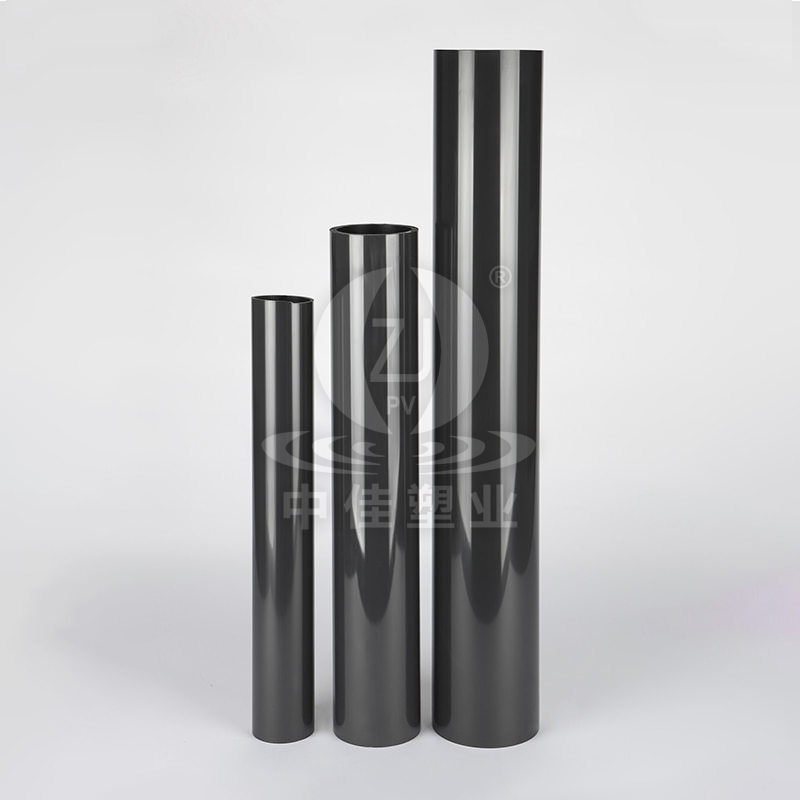
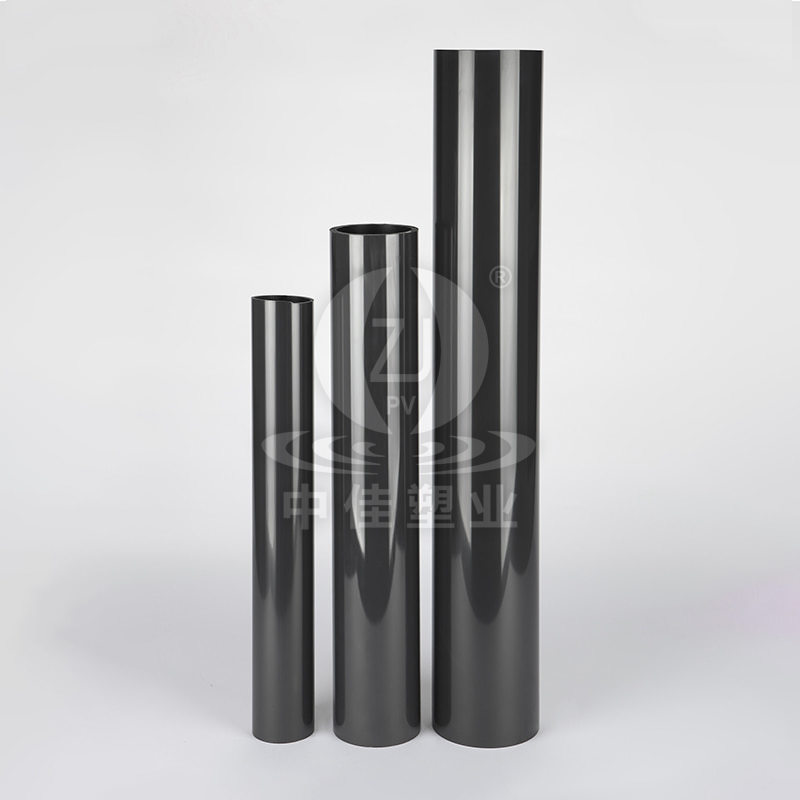
Industry PVC-U pipes are rigid, unplasticized polyvinyl chloride (PVC-U) pipes designed for industrial applications. Unlike flexible PVC, PVC-U is a hard material that offers excellent strength, chemical resistance, and long-term durability. These pipes are widely used in chemical processing, wastewater treatment, industrial water supply, ventilation systems, and other demanding environments where corrosion resistance and low maintenance are required.
PVC-U is made from polymerized vinyl chloride monomer without plasticizers, which gives it a stiff and stable structure. This rigidity makes PVC-U pipes resistant to deformation under pressure, and it maintains structural integrity even under harsh environmental conditions. Additionally, PVC-U pipes are lightweight, easy to transport, and have a smooth inner surface that reduces friction and prevents scaling.
One of the most important advantages of PVC-U pipes is their high resistance to a wide range of chemicals. This makes them suitable for transporting acids, alkalis, salts, and other corrosive media. The material’s chemical inertness helps prevent corrosion, scaling, and contamination of the transported fluid.
PVC-U pipes have strong mechanical properties and can withstand high internal pressure without cracking. Their high tensile strength and rigidity make them suitable for industrial water supply systems, compressed air systems, and vacuum applications.
Although PVC-U has a lower temperature tolerance compared to metal pipes, it performs well in most industrial environments where the operating temperature does not exceed 60°C. For higher temperature applications, other materials like PVC-C or CPVC may be preferred.
Industry PVC-U pipes are used in a wide range of industrial systems due to their corrosion resistance and long service life. They are especially popular in chemical plants, wastewater treatment facilities, food processing plants, and cooling water systems. Below are some of the most common applications:
Industrial PVC-U pipes must meet strict standards for quality, pressure rating, and chemical compatibility. Common standards include ISO, ASTM, DIN, and local national standards. These standards define pipe dimensions, wall thickness, pressure ratings, and testing procedures.
| Standard | Scope | Typical Use |
| ASTM D1785 | PVC pressure pipe | Water supply, industrial pipelines |
| ISO 1452 | PVC-U pressure piping | Industrial fluid transport |
| DIN 8061/8062 | PVC-U pipes for pressure applications | Chemical and water systems |
Selecting the correct PVC-U pipe requires considering pressure rating, temperature, and chemical compatibility. Pressure ratings are typically expressed as PN (nominal pressure) or PSI, and the pipe’s wall thickness must match the intended operating pressure. For industrial systems, it is important to choose pipes with a safety margin to accommodate pressure spikes and temperature changes.
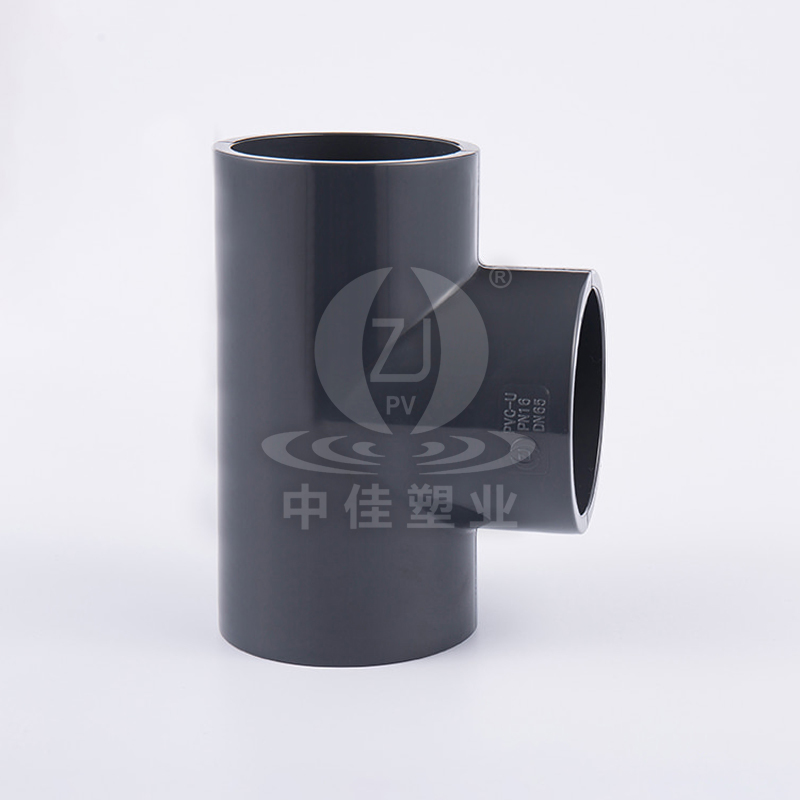
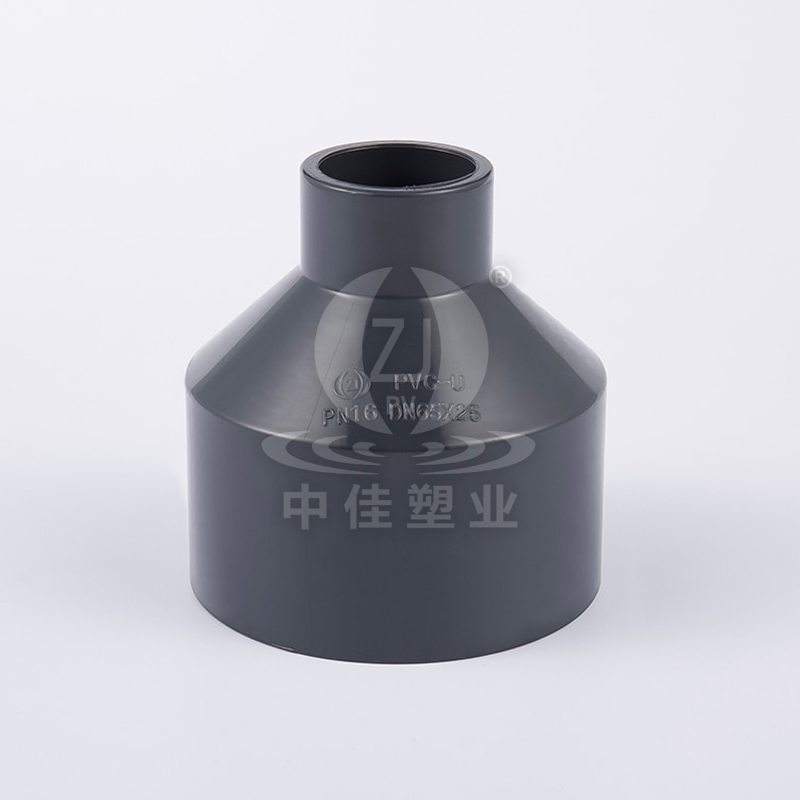
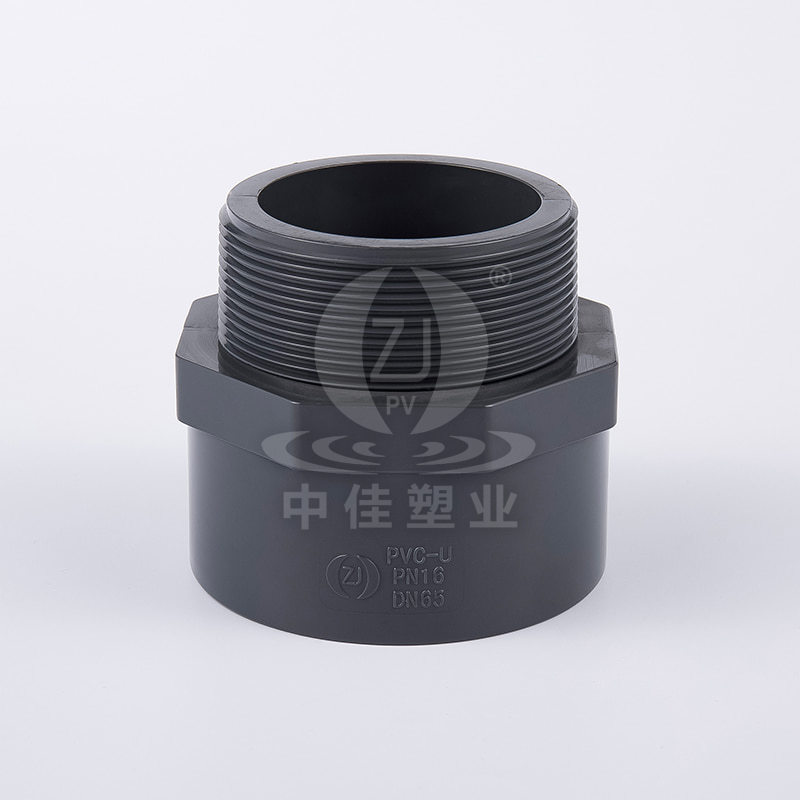
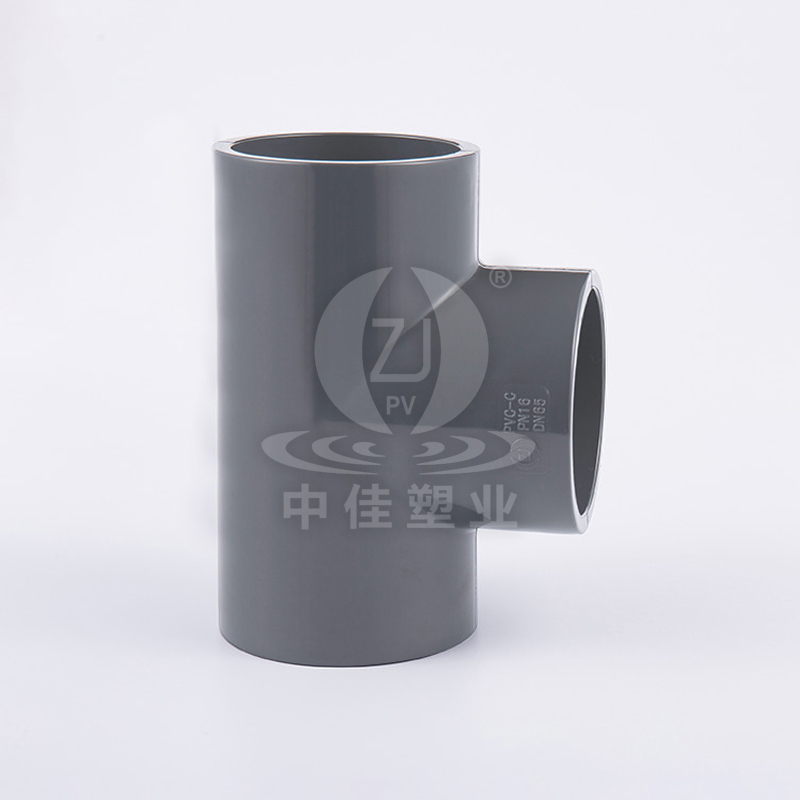
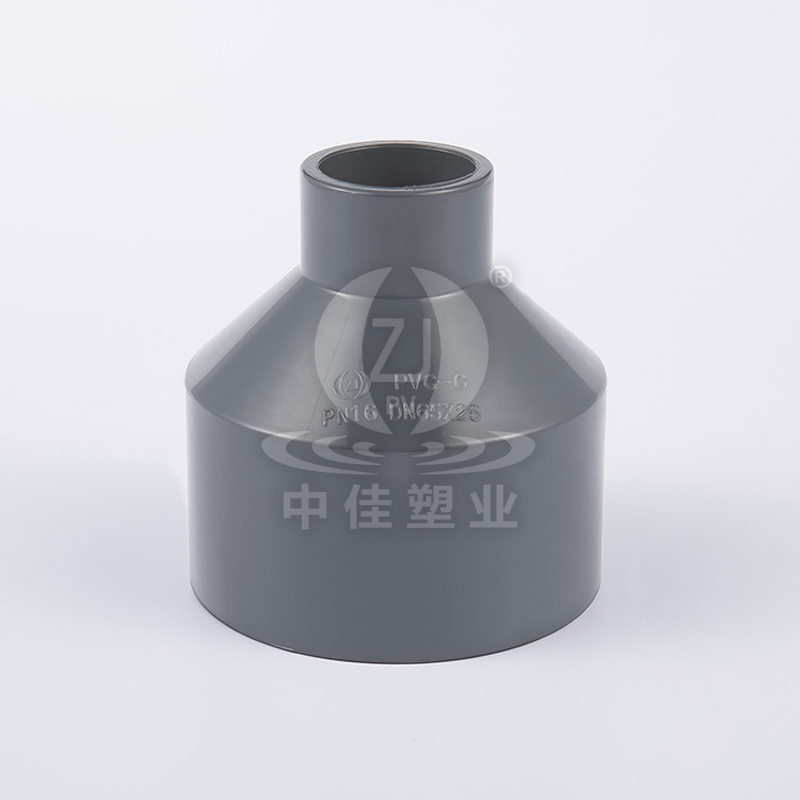
Pressure ratings are often marked on the pipe surface. For example, a pipe marked “PN16” indicates a nominal pressure rating of 16 bar at a standard temperature (usually 20°C). When operating temperatures rise, the pressure rating decreases, so engineers must apply correction factors based on the manufacturer’s guidelines.
The pressure capacity of PVC-U pipes is influenced by wall thickness, diameter, and the operating environment. Higher wall thickness and smaller diameters increase pressure resistance. However, long-term exposure to high temperatures or harsh chemicals can reduce the effective pressure rating over time.
Proper installation is essential for ensuring the long-term performance of PVC-U industrial pipelines. Because PVC-U is rigid, allowances must be made for thermal expansion and contraction. Jointing methods, supports, and alignment also affect system reliability.
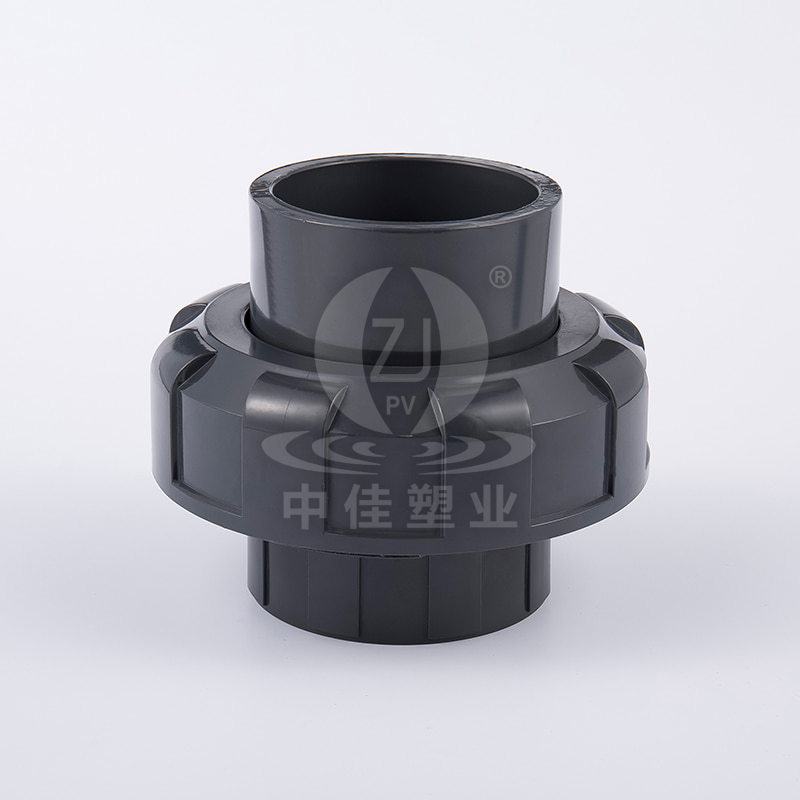
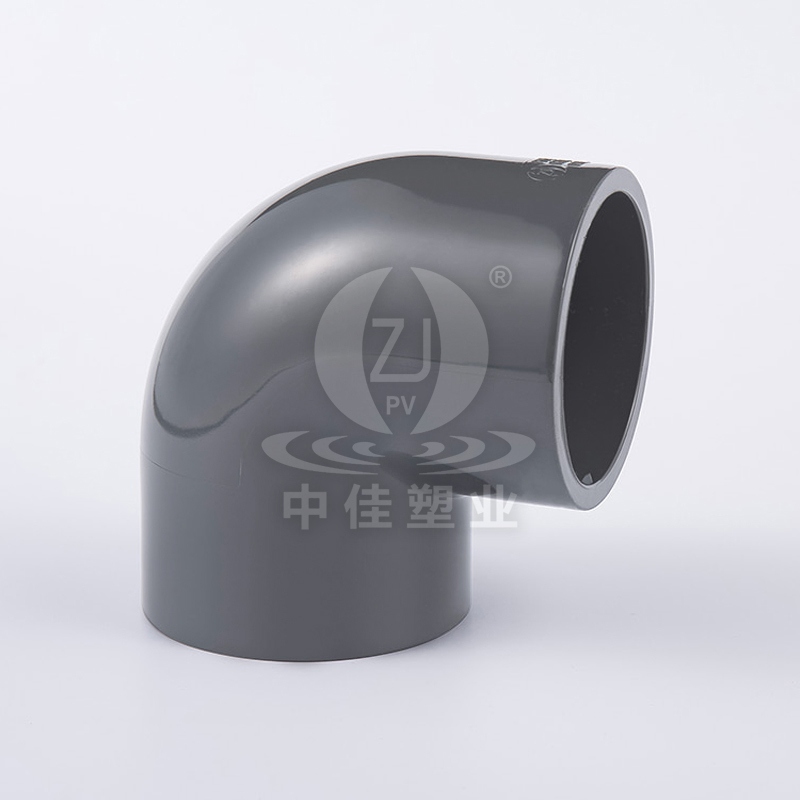
PVC-U pipes can be joined using solvent cement, mechanical couplings, or gasketed fittings. Solvent welding creates a strong, leak-free bond by chemically fusing the pipe and fitting. Mechanical couplings are useful for quick assembly and maintenance, while gasketed fittings provide flexibility and ease of disassembly.
PVC-U expands and contracts with temperature changes. For long runs, expansion loops or joints are recommended to prevent stress buildup. Supports should be spaced appropriately to prevent sagging, and pipe clamps should allow slight movement to accommodate expansion.
Maintenance of PVC-U industrial pipelines is generally low, but regular inspections help prevent issues such as leaks, cracking, and blockages. Common troubleshooting includes checking for chemical attack, UV degradation, and mechanical damage.
PVC-U pipes offer cost advantages over metal pipes due to lower material cost, easier installation, and reduced maintenance needs. Additionally, PVC-U has a long service life, which reduces replacement frequency. From an environmental perspective, PVC-U is recyclable, and its lightweight nature reduces transportation energy consumption.
Compared with steel or copper, PVC-U pipes are resistant to corrosion and do not require protective coatings. They are also non-conductive, which eliminates the need for grounding in electrical installations. However, metal pipes may still be preferred for very high-temperature or high-pressure systems where PVC-U’s limits are exceeded.
Industry PVC-U pipes are a practical and cost-effective solution for many industrial applications due to their chemical resistance, mechanical strength, and long service life. With proper selection, installation, and maintenance, PVC-U pipelines can deliver reliable performance in water supply, chemical transport, wastewater systems, and more. For engineers and project managers, understanding the key specifications and operating limits of PVC-U is essential for designing safe and efficient industrial piping systems.

Follow us
PVC-U
PVC-U Pipes PVC-U Fittings for Industry PVC-U Fittings for Water Supply PVC-U Pipes ASTM D1785 PVC-U Fittings ASTM SCH80
Copyright © Changzhou Zhongjia Plastic Industry Co., Ltd.All rights reserved.
 UPVC/CPVC Pipes Manufacturers


Copyright @ Changzhou Zhongjia Plastic Industry Co., Ltd.All Rights Reserved.



 عربى
عربى  中文简体
中文简体  Español