Content
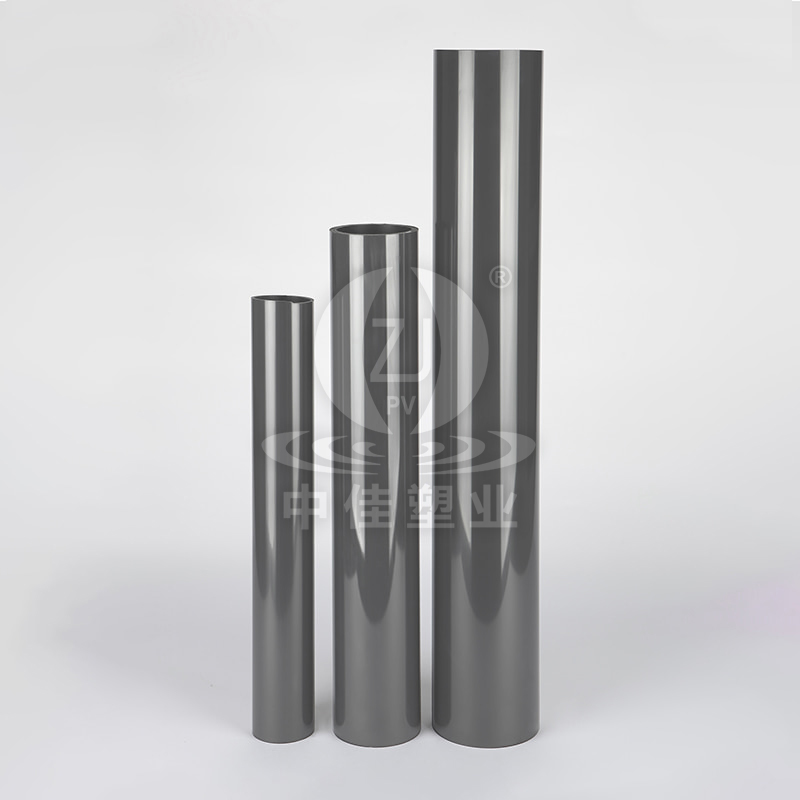
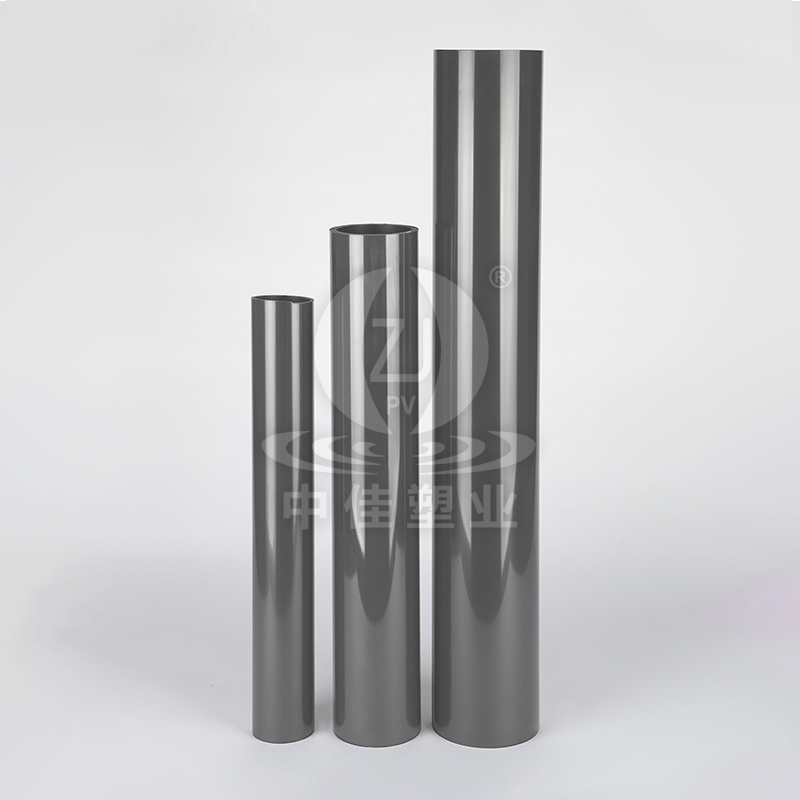
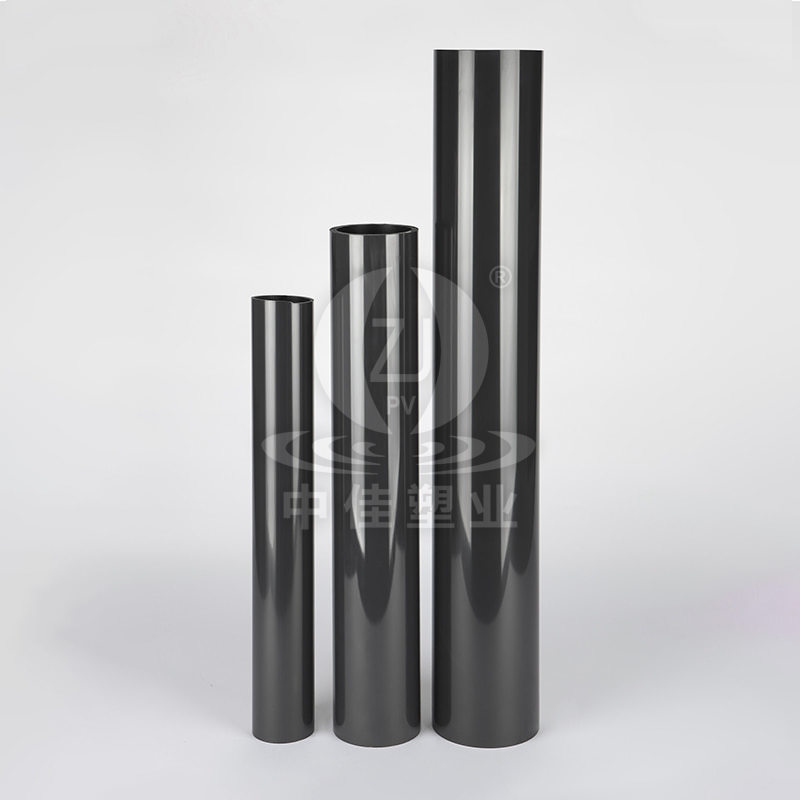
Unplasticized Polyvinyl Chloride (UPVC) pipes are one of the most widely used piping materials in water supply, drainage, agriculture, industrial systems, and residential infrastructure. Their chemical resistance, smooth internal surface, durability, and long service life make them a leading option for a variety of fluid transportation applications. This guide explores how UPVC pipes work, their structural and chemical advantages, relevant standards, installation methods, practical selection criteria, and performance comparisons with competing materials.
UPVC pipes are made from rigid PVC resin without added plasticizers. This composition gives them high strength, stiffness, and excellent resistance to chemical corrosion. Manufacturing typically involves extrusion, where molten UPVC resin is pushed through a die to form pipes of various diameters and pressure ratings. Quality control includes dimensional accuracy checks, pressure testing, and surface inspection to ensure compliance with standards such as ISO 1452, ASTM D1785, and BS EN 1452.
UPVC pipes are categorized based on pressure class (PN rating), schedule (SCH), wall thickness (SDR), and application type. Pressure rating helps determine suitability for potable water, pressurized systems, or low-pressure drainage. SDR (Standard Dimension Ratio) defines the relationship between pipe diameter and wall thickness—lower SDR means thicker walls and higher pressure capacity.
| Classification | Description | Typical Use |
| PN10 / PN16 | Rated for 10–16 bar pressure | Water supply & high-pressure lines |
| SCH 40 / SCH 80 | ANSI schedule thickness standards | Industrial & chemical pipelines |
| SDR 21 / SDR 26 | Thinner walls, lower pressure | Irrigation, low-pressure transport |
UPVC pipes are designed for long-term reliability with minimal maintenance. Their key advantages include corrosion resistance, leak-free jointing, smooth flow characteristics, and cost efficiency. The absence of plasticizers keeps the pipes rigid and prevents degradation due to chemical leaching.
Compared to metal pipes, UPVC is immune to rust, oxidation, galvanic corrosion, and chemical attack. This makes it ideal for industrial effluents, chemical processing, and saltwater distribution.
The internal surface of UPVC pipes is extremely smooth, reducing friction losses and preventing scaling or microbial growth. This ensures stable flow rates and reduces pumping energy costs.
A typical UPVC pipe can serve 50 years or more under normal operating conditions. Lower installation and maintenance costs make them an economical choice for both small and large systems.

UPVC pipes are used across residential, commercial, agricultural, and industrial sectors. Their range of pressure classes and diameters allows them to support diverse applications—from simple household plumbing to large-scale municipal water grids.
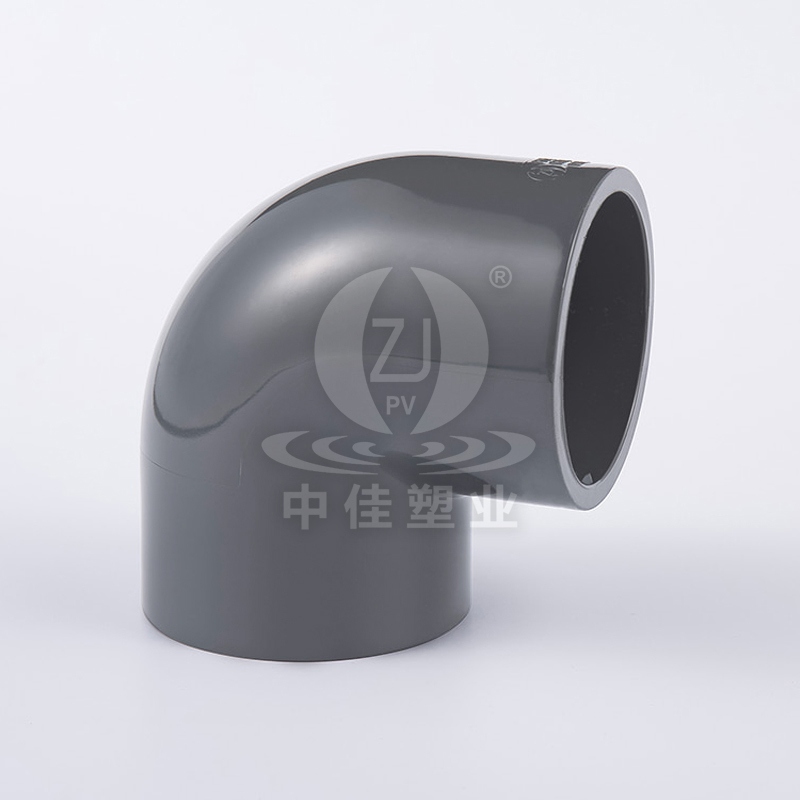
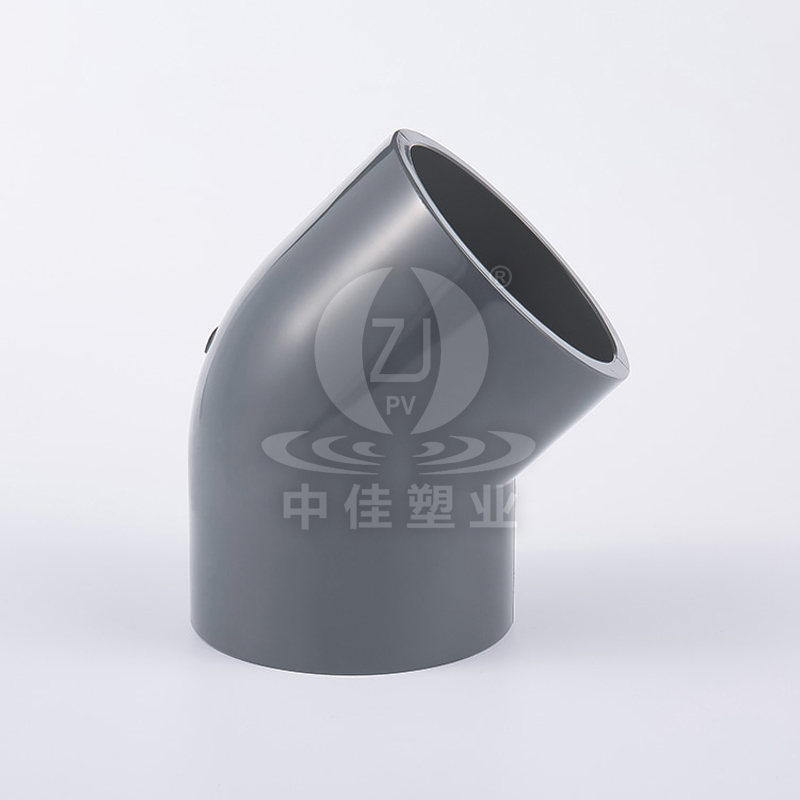
UPVC pipes are lightweight and easy to install. Common joining techniques include solvent welding, rubber ring joints, threaded connections, and mechanical couplings. Proper installation ensures leak-free performance and extends system longevity.
Most UPVC pipes for water supply use solvent cement joints. The solvent temporarily softens pipe surfaces, allowing them to fuse into a permanent, monolithic connection. Steps include cutting, chamfering, cleaning, applying solvent cement, and curing for the recommended time.
Used widely in large-diameter drainage or sewer lines, rubber gasket joints allow quick assembly, angular deflection, and ease of maintenance. They accommodate minor ground movement without leakage.
UPVC pipes installed underground need proper trench width, bedding material (preferably sand or soft soil), and uniform compaction. Avoid excessive surface load without adequate cover to prevent deformation.
UPVC systems require minimal maintenance. Periodic inspection helps identify signs of stress, improper installation, or environmental factors affecting performance. Most failures arise from incorrect solvent welding, UV exposure, or mechanical impact rather than material defects.
UPVC has a lower carbon footprint compared to many traditional piping materials. Its long life cycle reduces replacement frequency, and the material is recyclable. UPVC production also consumes less energy than metal pipe manufacturing, contributing to sustainability goals in water infrastructure projects.
UPVC pipes offer a combination of strength, chemical resistance, ease of installation, and cost effectiveness, making them a preferred choice for water supply, drainage, irrigation, and industrial fluid systems. By understanding material classifications, proper installation techniques, performance characteristics, and maintenance practices, engineers and users can maximize the lifespan and efficiency of UPVC piping networks.

Follow us
PVC-U
PVC-U Pipes PVC-U Fittings for Industry PVC-U Fittings for Water Supply PVC-U Pipes ASTM D1785 PVC-U Fittings ASTM SCH80
Copyright © Changzhou Zhongjia Plastic Industry Co., Ltd.All rights reserved.
 UPVC/CPVC Pipes Manufacturers


Copyright @ Changzhou Zhongjia Plastic Industry Co., Ltd.All Rights Reserved.



 عربى
عربى  中文简体
中文简体  Español