Content
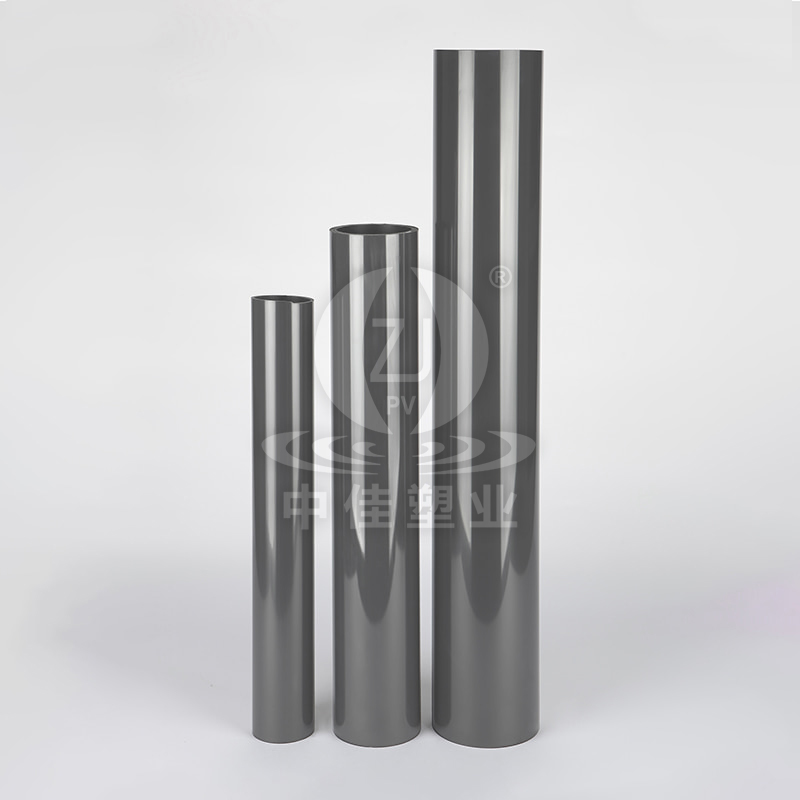
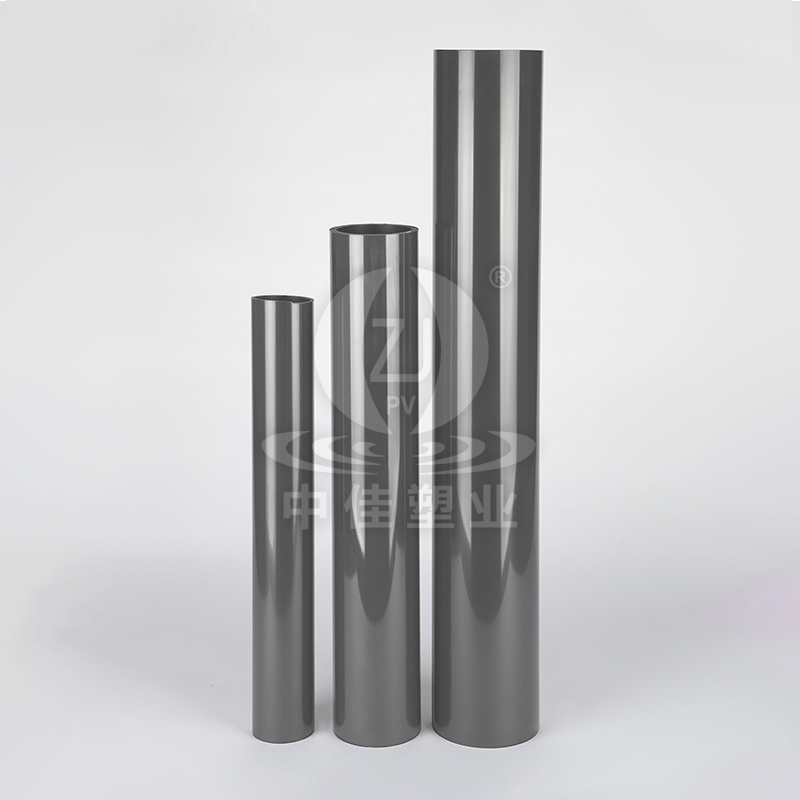
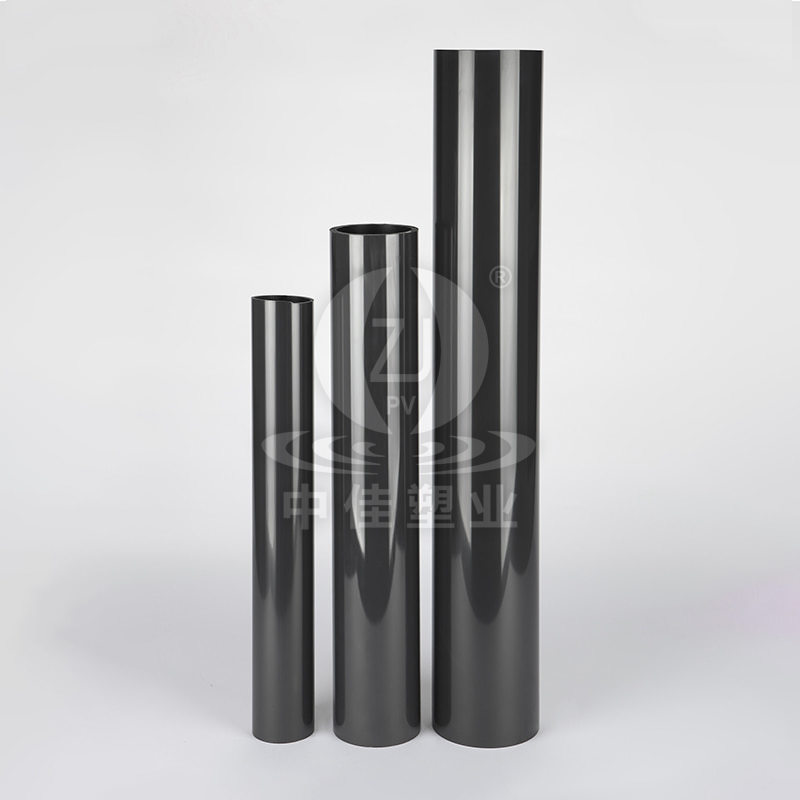
UPVC pipe, which stands for Unplasticized Polyvinyl Chloride pipe, represents a rigid piping material manufactured from polyvinyl chloride resin without the addition of plasticizers. This absence of plasticizers distinguishes UPVC from regular PVC, resulting in a harder, more rigid material with superior strength characteristics and enhanced resistance to chemical attack. The molecular structure of UPVC consists of long polymer chains of vinyl chloride monomers that remain unmodified by softening agents, creating a crystalline structure that provides exceptional dimensional stability and mechanical strength even under sustained pressure and varying temperature conditions.
The manufacturing process for UPVC pipes involves compounding PVC resin with stabilizers, impact modifiers, processing aids, and pigments to achieve desired performance characteristics. Heat stabilizers, typically based on calcium-zinc or tin compounds, prevent degradation during the high-temperature extrusion process and provide long-term thermal stability during service. Impact modifiers improve the material's resistance to sudden loads and environmental stress cracking, while processing aids facilitate smooth flow through extrusion dies and ensure uniform wall thickness. The compounded material is then fed into extruders where it is melted, formed into tubular shapes, cooled in calibrated sizing sleeves, and cut to specified lengths, resulting in pipes with precise dimensions and consistent wall thickness throughout their length.
UPVC pipes exhibit impressive mechanical properties that make them suitable for demanding industrial applications. The material possesses a tensile strength typically ranging from forty-five to fifty-five megapascals, providing adequate resistance to internal pressure and external loads. This strength allows UPVC pipes to withstand working pressures from four bar for drainage applications up to sixteen bar or higher for pressure piping systems, depending on pipe diameter and wall thickness classification. The modulus of elasticity, measuring approximately 2800 to 3200 megapascals, indicates the material's stiffness and resistance to deflection under load, which is particularly important for buried installations where soil loads must be supported.
Impact resistance represents another critical mechanical property, especially for installations in areas subject to physical damage or in cold climates where materials become more brittle. Modern UPVC formulations incorporate impact modifiers that significantly enhance resistance to sudden loads, though the material does exhibit reduced impact strength at temperatures below freezing. The pipes maintain their structural integrity across a service temperature range from zero to sixty degrees Celsius for continuous operation, with brief excursions to higher temperatures tolerated depending on pressure conditions and duration of exposure.
One of the most valuable attributes of UPVC piping is its exceptional resistance to chemical attack from a wide range of substances commonly encountered in industrial and municipal applications. The material demonstrates excellent resistance to acids, alkalis, salt solutions, and most organic solvents within normal concentration and temperature ranges. Unlike metallic piping that suffers from electrochemical corrosion, UPVC remains completely immune to this degradation mechanism, eliminating concerns about galvanic corrosion, pitting, tuberculation, or rust formation that plague steel, iron, and even copper systems. This corrosion immunity ensures that UPVC pipes maintain their flow capacity and structural integrity throughout their service life without the progressive deterioration that necessitates premature replacement of metal pipes.

However, UPVC does have limitations in chemical compatibility that users must understand and respect. The material is not suitable for conveying aromatic hydrocarbons such as benzene or toluene, chlorinated solvents like trichloroethylene, or ketones including acetone, as these substances can cause swelling, stress cracking, or complete dissolution of the polymer matrix. Strong oxidizing agents at elevated concentrations and temperatures may also attack UPVC, necessitating careful review of chemical compatibility charts and consultation with manufacturers when selecting materials for applications involving aggressive chemicals or unusual operating conditions.
UPVC pipes are manufactured according to various international standards that specify dimensions, materials, performance requirements, and testing protocols to ensure consistent quality and interchangeability. Common standards include ISO 1452 for thermoplastics piping systems, ASTM D1785 and ASTM D2665 for North American applications, BS 3505 and BS 4346 for British specifications, and DIN 8061/8062 for German standards. These standards define nominal sizes, pressure ratings, wall thickness series, and material specifications that manufacturers must meet to certify their products as compliant. Understanding these standards is essential for proper system design, as pipes from different standards may have incompatible dimensions or pressure ratings even when bearing the same nominal size designation.
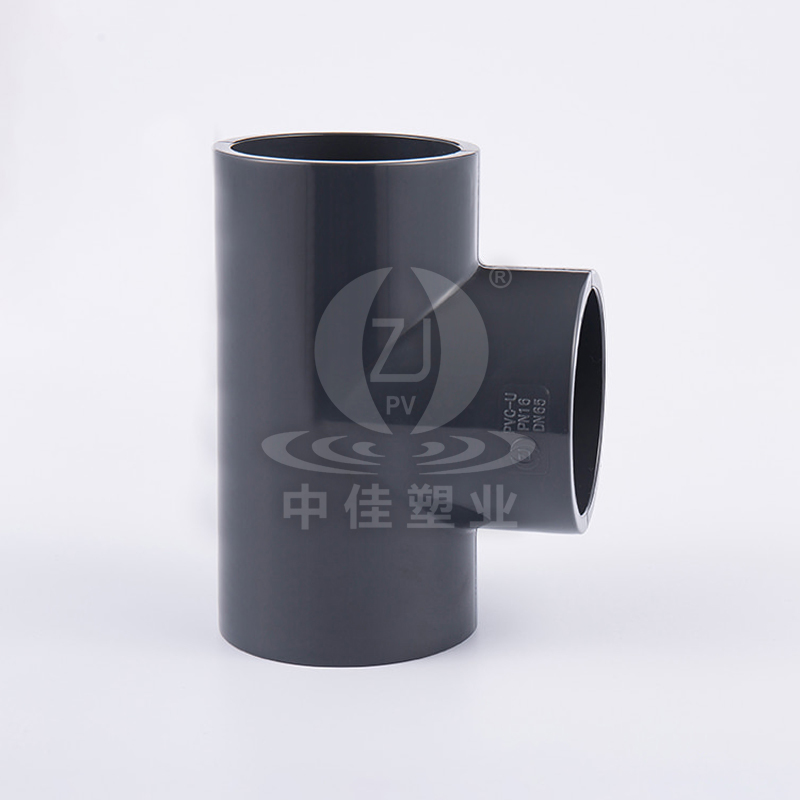
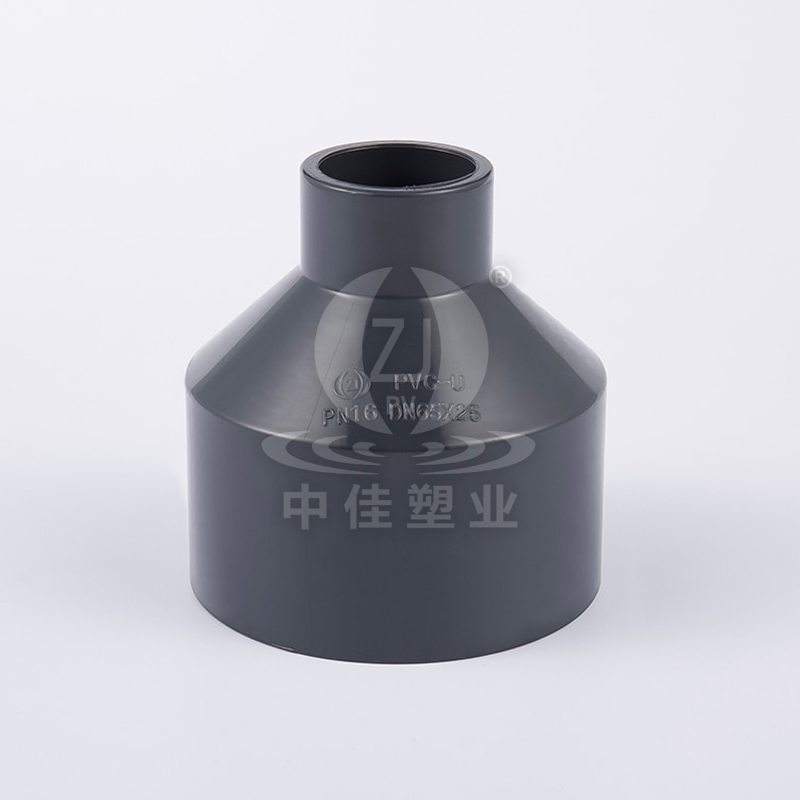
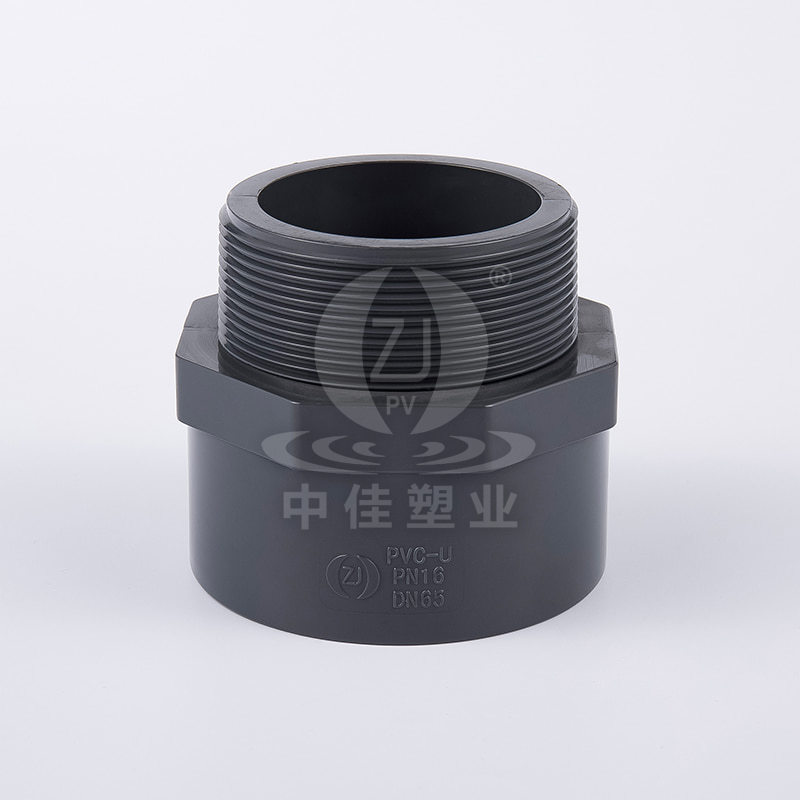
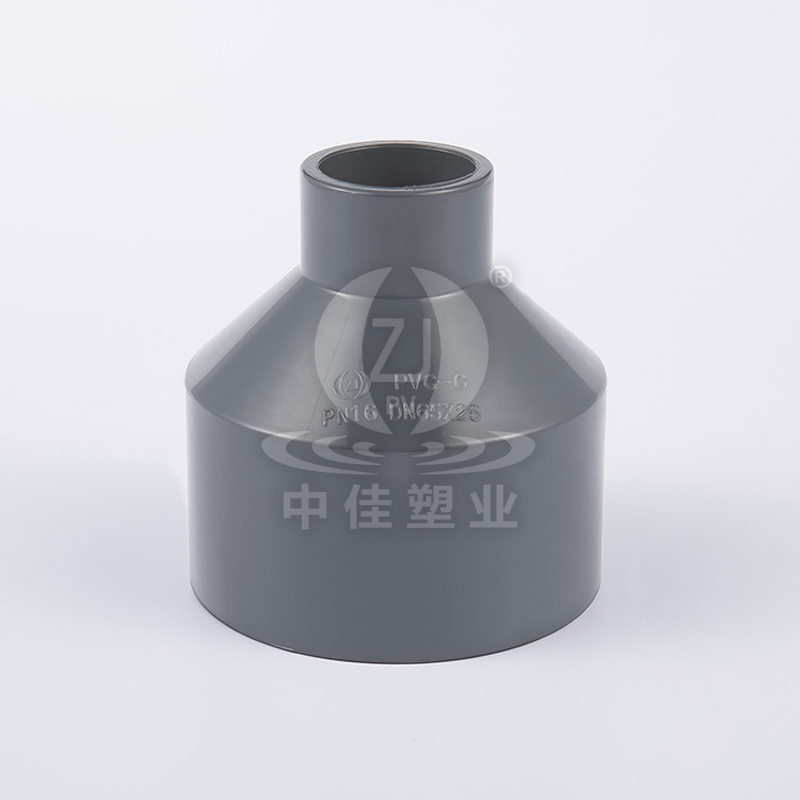
Pressure rating classifications represent a critical aspect of UPVC pipe specifications, typically expressed as pressure classes or schedules that indicate the maximum sustained internal pressure the pipe can withstand. Common pressure classes include PN6, PN10, PN12.5, and PN16 in metric systems, where the number indicates maximum working pressure in bar at twenty degrees Celsius. North American schedules such as Schedule 40, Schedule 80, and Schedule 120 define wall thickness relative to nominal pipe size, with higher schedule numbers indicating thicker walls and greater pressure capacity. Quality UPVC pipes also carry markings indicating manufacturer, standard compliance, nominal size, pressure rating, production date, and sometimes batch numbers for traceability, allowing users to verify that installed materials meet project specifications and performance requirements.
| Industry Sector | Typical Applications | Key Benefits | Common Sizes |
| Chemical Processing | Acid/alkali transfer, process water | Corrosion resistance, long life | 25mm to 315mm |
| Water Treatment | Distribution, chemical dosing | No scaling, maintains flow | 50mm to 630mm |
| Agriculture | Irrigation, drainage systems | UV resistance, low cost | 50mm to 200mm |
| Food & Beverage | Process water, CIP systems | Hygienic, easy cleaning | 20mm to 160mm |
| Mining | Slurry transport, dewatering | Abrasion resistance, chemical tolerance | 75mm to 400mm |
| Building Services | Cold water, drainage, vent | Easy installation, lightweight | 32mm to 160mm |
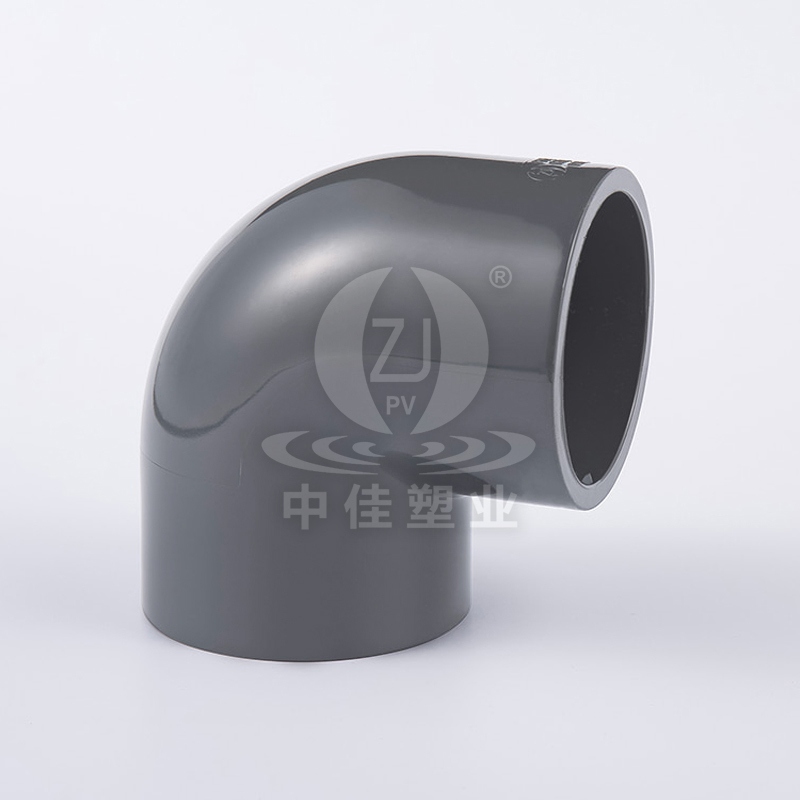
Solvent cement welding represents the most common joining method for UPVC pipes, creating permanent, leak-tight connections that approach the strength of the parent pipe material. This process involves applying a specially formulated solvent cement to both the pipe exterior and fitting socket interior, which temporarily softens the UPVC surface. When the components are pushed together, the softened layers intermingle and molecular diffusion occurs across the joint interface. As the solvent evaporates, the joint solidifies into a homogeneous bond that cannot be disassembled without cutting. Proper surface preparation is critical for successful solvent welding, requiring that mating surfaces be clean, dry, and lightly abraded to remove the glossy oxidized layer and improve cement penetration.
The solvent cement application technique significantly affects joint quality and reliability. Best practices include using the correct cement formulation for the specific UPVC compound and pipe size, applying an even coat to both surfaces with proper coverage extending slightly beyond the socket depth, assembling the joint with a quarter-turn motion to ensure uniform cement distribution, and maintaining the joint in alignment without disturbance for the manufacturer-specified cure time. Ambient temperature affects cure rates, with cold conditions requiring extended cure times before pressurization while hot weather accelerates solvent evaporation and may necessitate faster assembly to prevent premature surface drying that compromises bond strength.
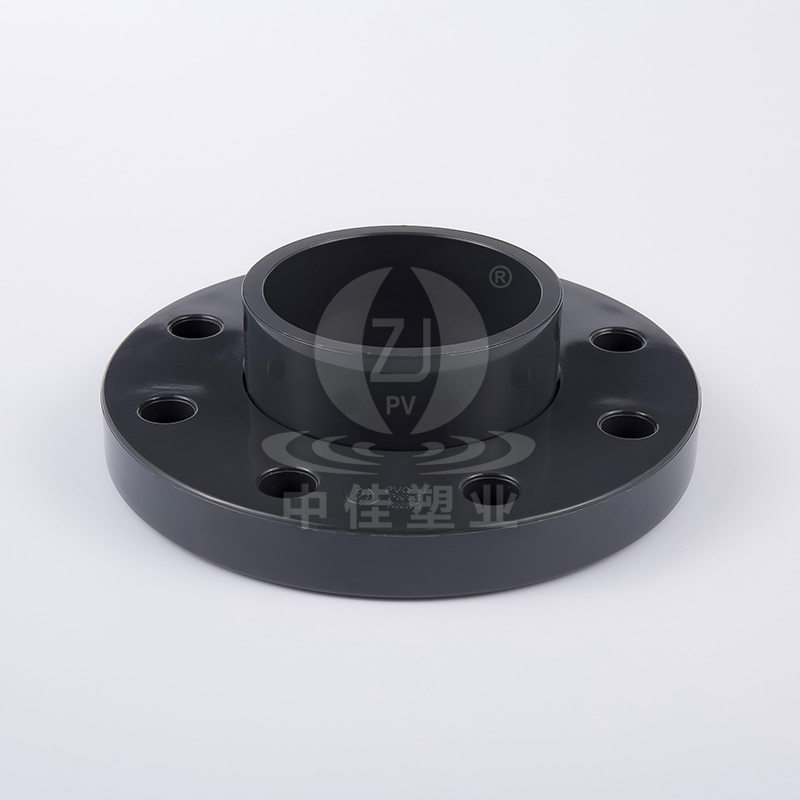
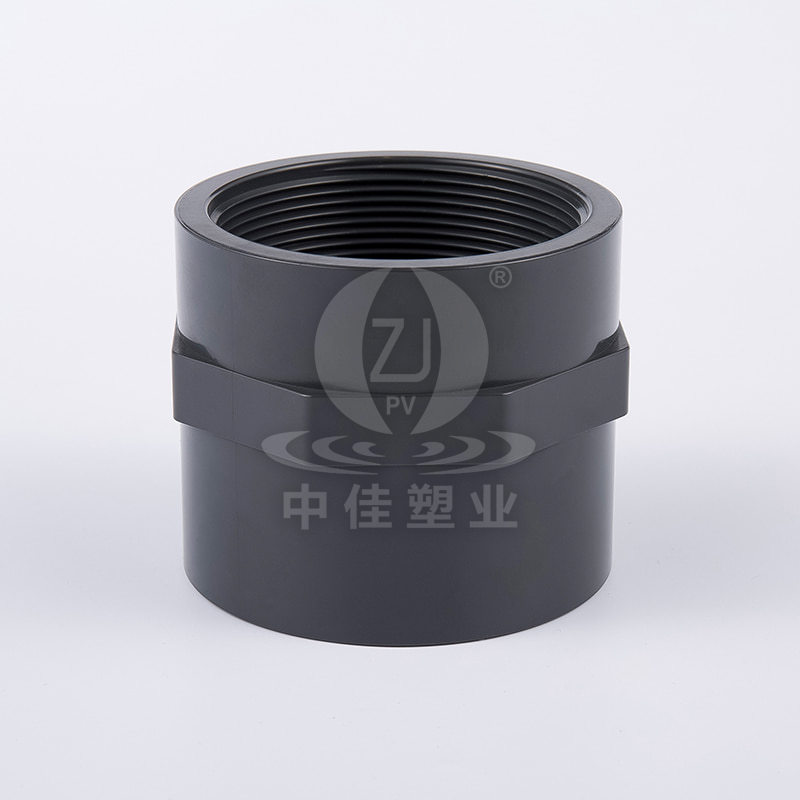
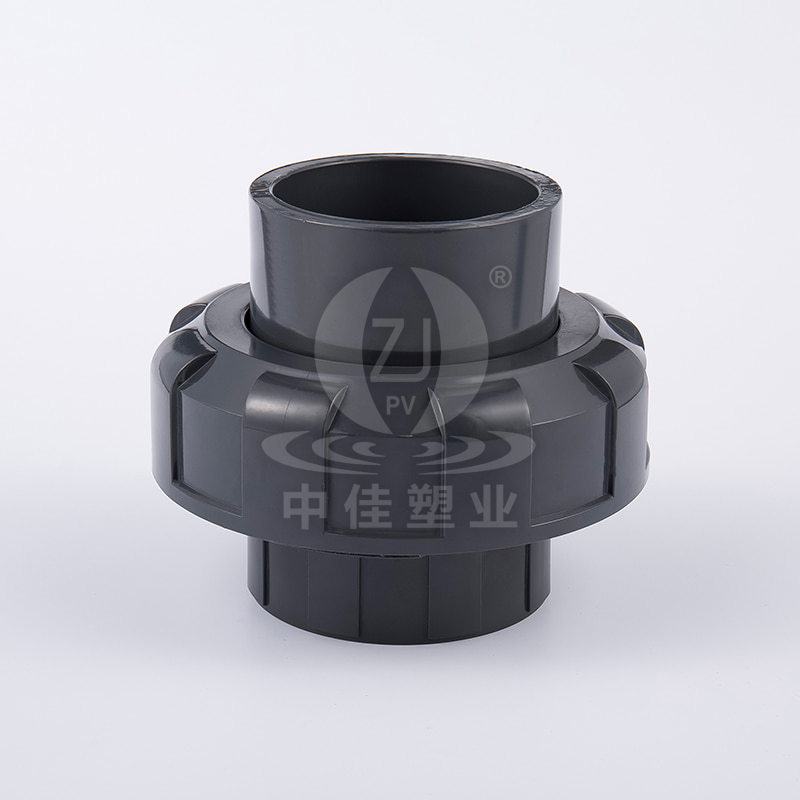
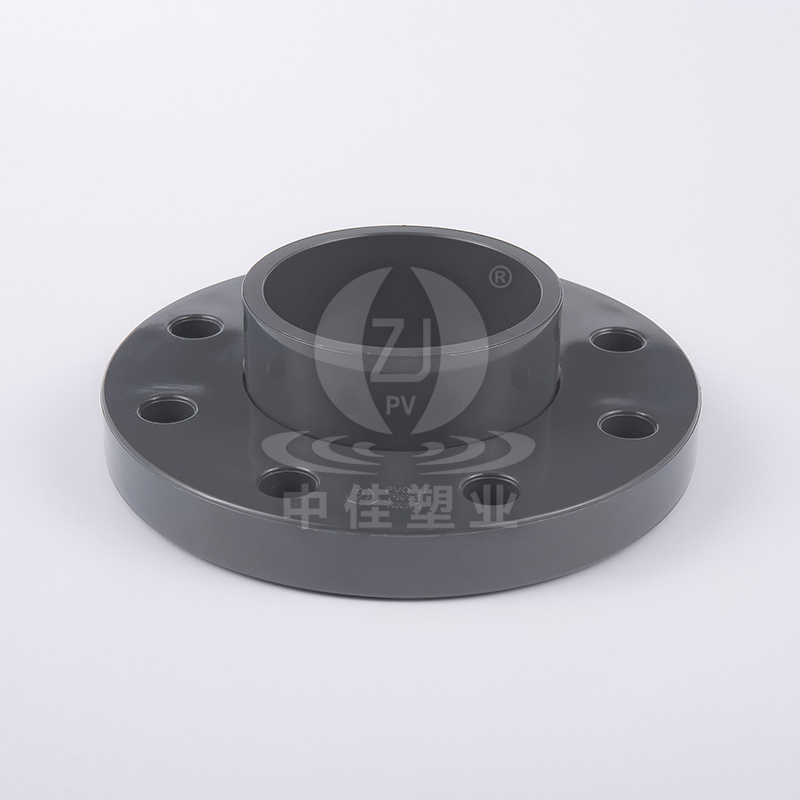
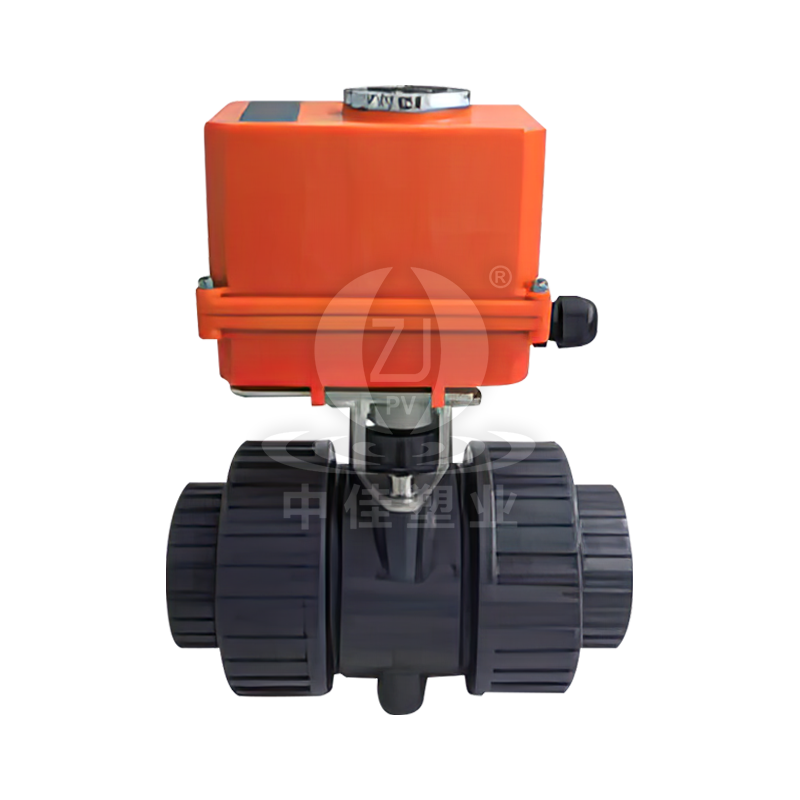
Mechanical joints provide alternatives to solvent welding in applications requiring disassembly capability, joining to dissimilar materials, or where hot work or solvent use is restricted. Threaded connections can be made to UPVC pipes with molded or machined threads, though care must be taken to avoid over-tightening that can crack the brittle material. Thread sealants rather than PTFE tape are generally preferred to prevent splitting, and threaded joints should not be relied upon for primary pressure containment in critical applications. Flanged connections using loose backing flanges and elastomeric gaskets allow UPVC pipes to connect to valves, equipment, or metal piping, with proper bolt torquing essential to achieve uniform gasket compression without inducing excessive stress in the UPVC flange face.
Push-fit or compression fittings incorporating elastomeric seals provide convenient joining methods for certain applications, particularly in building services where installation speed and future modification capability are valued. These mechanical joints typically use O-rings or lip seals compressed between the pipe exterior and fitting body to achieve water-tightness, with mechanical grips or threads providing retention force to prevent joint separation under pressure. While convenient, mechanical joints generally provide lower pressure ratings than solvent-welded joints and may exhibit greater susceptibility to leakage if subjected to vibration, thermal cycling, or aging of elastomeric seals.
Despite its many advantages, UPVC piping has inherent limitations that must be understood and accommodated in system design. Temperature restrictions represent the most significant constraint, as UPVC cannot be used for hot water distribution or steam service where temperatures regularly exceed sixty degrees Celsius. At elevated temperatures, the material softens and loses mechanical strength, while pressure ratings decrease substantially. This temperature sensitivity necessitates careful consideration of both operating and ambient temperatures, as pipes installed in hot environments or exposed to direct sunlight may experience reduced service life or require derating of allowable working pressures.
Ultraviolet radiation degradation presents another concern for outdoor installations, as prolonged UV exposure causes surface chalking, discoloration, and eventual embrittlement that can lead to premature failure. While UPVC formulations typically include UV stabilizers that provide protection for several years of direct sun exposure, best practice involves either burying pipes, installing them in protected locations, or painting exposed piping with light-colored, UV-resistant coatings to maximize service life. The material's rigidity and brittleness compared to thermoplastic alternatives like HDPE mean that UPVC systems require proper support spacing, careful bedding for buried installations, and protection from impact damage that could cause cracking. Thermal expansion and contraction, though less than metal piping, still requires accommodation through proper anchoring, expansion loops, or flexible connections to prevent joint separation or pipe buckling when temperature variations occur.
Ensuring UPVC pipe quality begins with manufacturer testing during production, including dimensional verification, pressure testing, and material property confirmation. Reputable manufacturers conduct routine tests on production samples including hydrostatic strength testing where pipes are subjected to internal pressure at elevated temperature for extended periods to verify long-term pressure capability. Impact resistance testing evaluates the material's ability to withstand sudden loads, while tensile and flexural testing confirm mechanical properties meet standard specifications. Chemical analysis ensures proper formulation and verifies that no prohibited substances exceed allowable limits, particularly important for pipes intended for potable water service where health and safety considerations are paramount.
Field quality assurance for UPVC installations typically involves visual inspection to verify proper pipe and fitting selection, correct installation practices, and adequate support and protection. Pressure testing of completed systems before commissioning is standard practice, usually conducted at one point five times the design working pressure for a specified duration to verify joint integrity and confirm absence of leaks. For critical applications, more extensive testing protocols may include extended duration pressure holds, pressure cycling to simulate service conditions, or non-destructive examination of selected joints. Documentation of material certifications, installation records, and test results provides valuable information for future maintenance and troubleshooting while demonstrating compliance with project specifications and applicable codes.
The environmental profile of UPVC piping involves both positive attributes and areas of concern that continue to drive industry development toward more sustainable practices. On the positive side, UPVC's exceptional durability and resistance to degradation result in service lives often exceeding fifty years, reducing the frequency of replacement and associated resource consumption. The material's light weight reduces transportation energy compared to metal alternatives, while its corrosion immunity eliminates release of metallic ions into conveyed fluids and surrounding soil. Energy consumption during UPVC production is substantially lower than for metal pipe manufacturing, with estimates suggesting sixty to seventy percent less embodied energy compared to steel pipe of equivalent function.
However, UPVC production does involve chlorine chemistry and fossil fuel feedstocks, raising concerns about resource depletion and potential environmental releases during manufacturing. End-of-life disposal represents another challenge, as UPVC is technically recyclable but collection and reprocessing infrastructure remains limited in many regions. Incineration without proper emission controls can generate hydrochloric acid and potentially toxic organic compounds, though modern waste-to-energy facilities with appropriate scrubbing systems can safely process UPVC while recovering energy value. The industry continues developing more sustainable formulations using bio-based plasticizers for flexible PVC products, improving recycling technologies to enable closed-loop material recovery, and optimizing manufacturing processes to reduce energy consumption and emissions, working toward a more favorable environmental footprint across the complete product lifecycle.
Ongoing research and development efforts continue advancing UPVC pipe technology through improvements in material formulations, manufacturing processes, and application capabilities. Enhanced impact modifiers derived from nanotechnology offer potential for substantially improved low-temperature performance, allowing UPVC to maintain ductility at temperatures where current formulations become brittle. Advanced stabilizer systems using more environmentally benign chemistries are replacing traditional heavy metal stabilizers, improving the material's sustainability profile while maintaining or enhancing thermal stability and weathering resistance. Development of hybrid polymer blends combining UPVC with other thermoplastics aims to create materials offering improved impact strength, extended temperature capability, or enhanced chemical resistance while preserving the cost advantages and processability that make UPVC attractive for commodity applications.

Follow us
PVC-U
PVC-U Pipes PVC-U Fittings for Industry PVC-U Fittings for Water Supply PVC-U Pipes ASTM D1785 PVC-U Fittings ASTM SCH80
Copyright © Changzhou Zhongjia Plastic Industry Co., Ltd.All rights reserved.
 UPVC/CPVC Pipes Manufacturers


Copyright @ Changzhou Zhongjia Plastic Industry Co., Ltd.All Rights Reserved.



 عربى
عربى  中文简体
中文简体  Español