Content
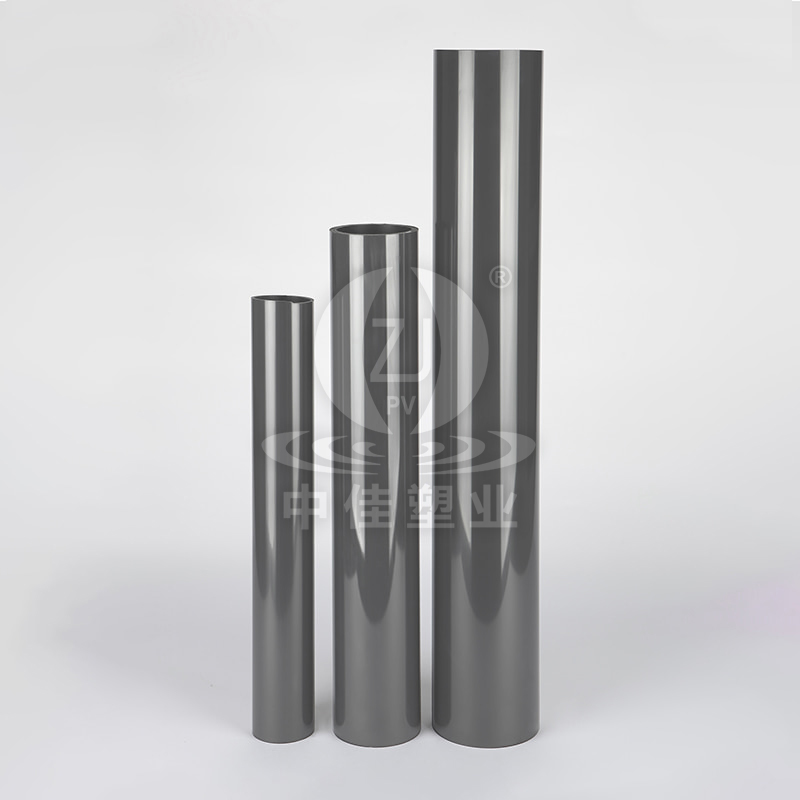
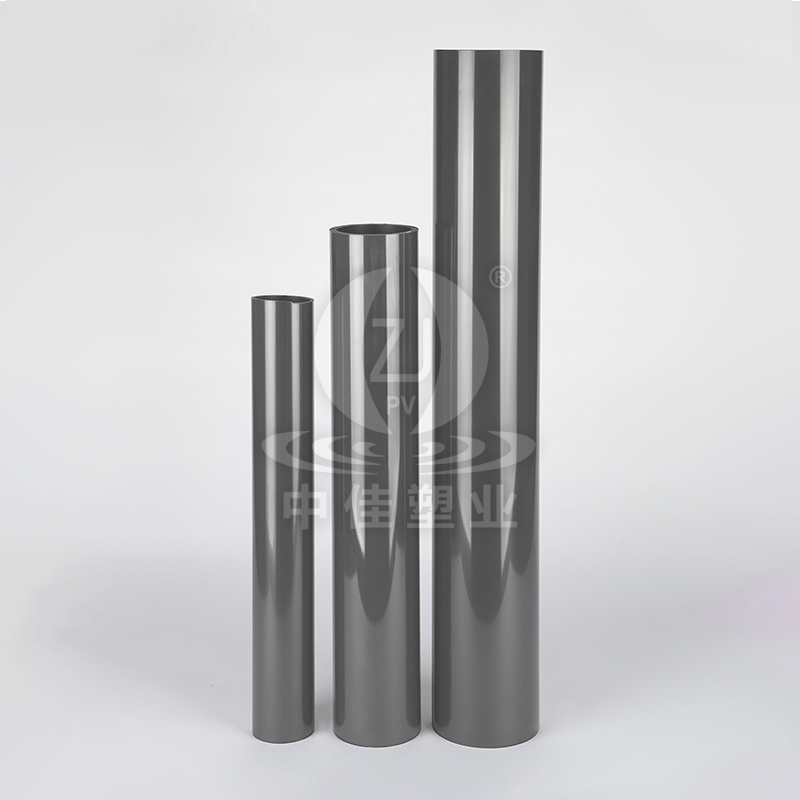
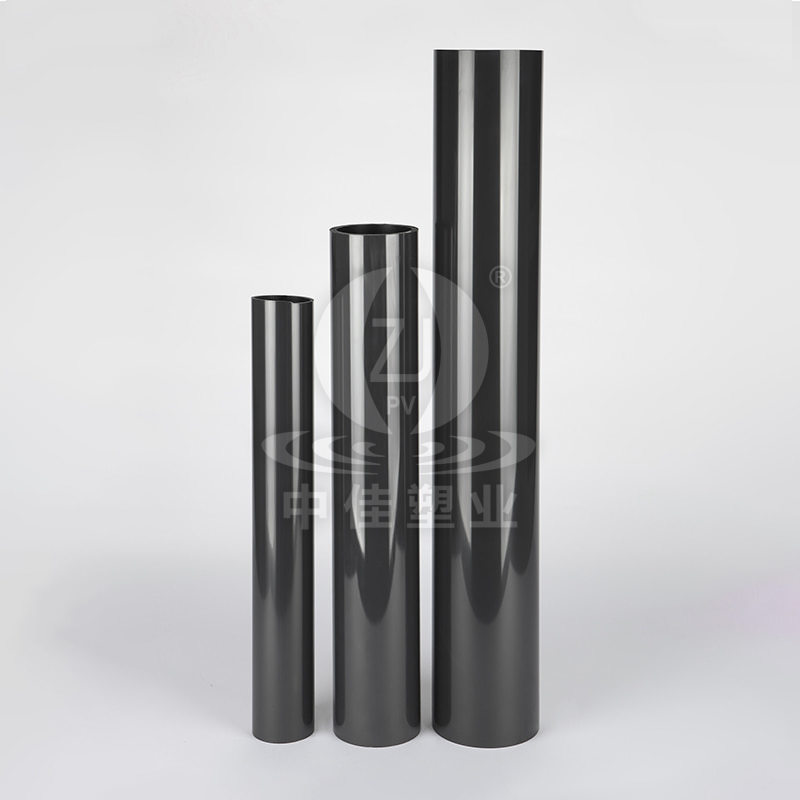
UPVC S10 pipes are unplasticized polyvinyl chloride pipes manufactured according to a specific pipe series classification, commonly used in water supply and irrigation systems. The "S" designation refers to the pipe series, a rating system that relates the pipe's outer diameter to its wall thickness, which in turn determines the pressure the pipe can safely handle. S10 pipes fall into a moderate pressure class, making them a common choice for general-purpose water distribution rather than high-pressure industrial applications.
Unlike plasticized PVC, UPVC contains no added plasticizers, which gives it greater rigidity, chemical resistance, and long-term structural stability. This rigidity makes UPVC well suited to underground and above-ground piping systems where dimensional stability and resistance to deformation under load are important, particularly in agricultural and municipal water networks.
The S series rating is derived from a standardized formula that relates pipe dimensions to allowable working pressure, with lower S numbers indicating thicker walls and higher pressure ratings, while higher S numbers indicate thinner walls suited to lower pressure applications. S10 sits in the middle of this range, offering a practical balance between material cost and pressure capacity for many common uses.

Selecting the correct pipe series for a project depends heavily on understanding how pressure rating changes with pipe class. The table below compares S10 to adjacent series commonly available in UPVC pipe systems.
| Pipe Series | Relative Wall Thickness | Typical Use Case |
| S4 | Thickest | High-pressure water mains |
| S8 | Moderately thick | Municipal supply lines |
| S10 | Moderate | General water supply, agricultural use |
| S16 | Thinner | Low-pressure irrigation, gravity flow |
| S20 | Thinnest | Casing pipes, non-pressure drainage |
S10 pipes offer sufficient pressure capacity for most residential and agricultural water supply needs without the added material cost of thicker-walled options like S4 or S8. This makes S10 a cost-effective choice for projects that do not involve extreme pressure demands, such as farm irrigation networks or standard household plumbing feeds.
UPVC S10 pipes are widely used across residential, agricultural, and light commercial settings where moderate pressure handling is sufficient. Their corrosion resistance and long service life make them a practical alternative to metal piping in many of these applications.
UPVC pipes offer several practical advantages compared to traditional galvanized iron or concrete piping. Because UPVC does not corrode, it avoids the rust buildup and scaling that can reduce flow capacity and contaminate water over time in metal pipe systems.
UPVC pipes are also significantly lighter than metal alternatives, which reduces transportation costs and makes installation faster and less labor-intensive. Additionally, the smooth interior surface of UPVC pipes minimizes friction loss, allowing for more efficient water flow compared to rougher-surfaced materials like concrete or older cast iron piping.
UPVC pipes resist a wide range of chemicals commonly found in soil and groundwater, making them suitable for burial without special coatings. However, prolonged direct sun exposure can cause UV degradation over time, so pipes intended for long-term above-ground use should ideally be shielded or painted with UV-resistant coatings to extend their service life.
Before purchasing UPVC S10 pipes, calculating the expected operating pressure of the system is essential to confirm that S10 provides adequate safety margin for the application. Projects involving pumps or elevated water pressure may require a lower S number with thicker walls to avoid pipe failure under stress.
During installation, using solvent cement specifically designed for UPVC ensures proper joint bonding and prevents leaks at connection points. It is also important to allow adequate space for thermal expansion in above-ground installations, since UPVC pipes can expand and contract slightly with temperature changes, and rigid, unaccommodated installation can lead to stress cracking over time.

Follow us
PVC-U
PVC-U Pipes PVC-U Fittings for Industry PVC-U Fittings for Water Supply PVC-U Pipes ASTM D1785 PVC-U Fittings ASTM SCH80
Copyright © Changzhou Zhongjia Plastic Industry Co., Ltd.All rights reserved.
 UPVC/CPVC Pipes Manufacturers


Copyright @ Changzhou Zhongjia Plastic Industry Co., Ltd.All Rights Reserved.



 عربى
عربى  中文简体
中文简体  Español