Content
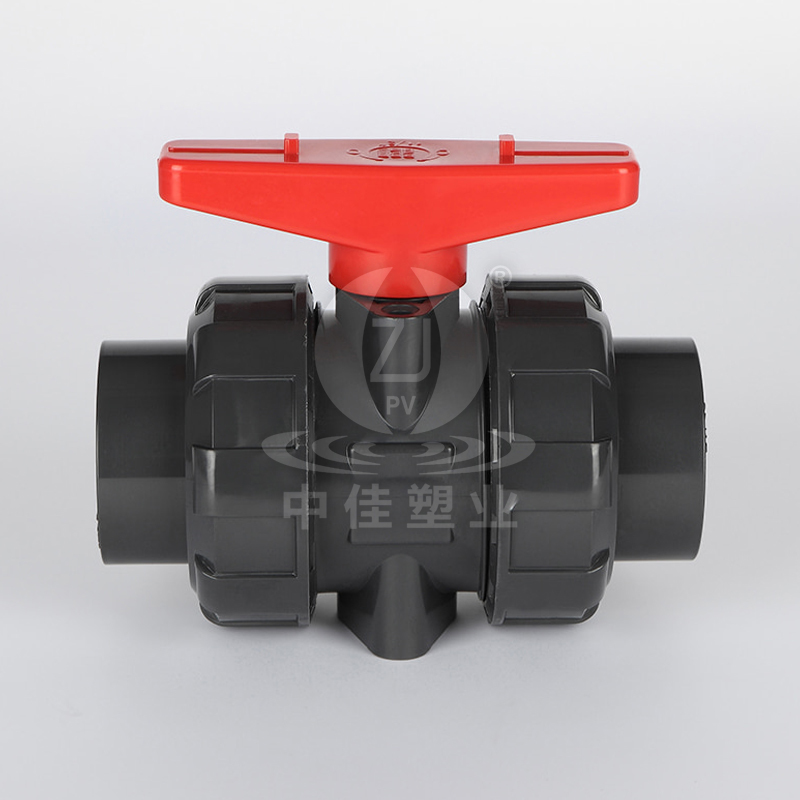
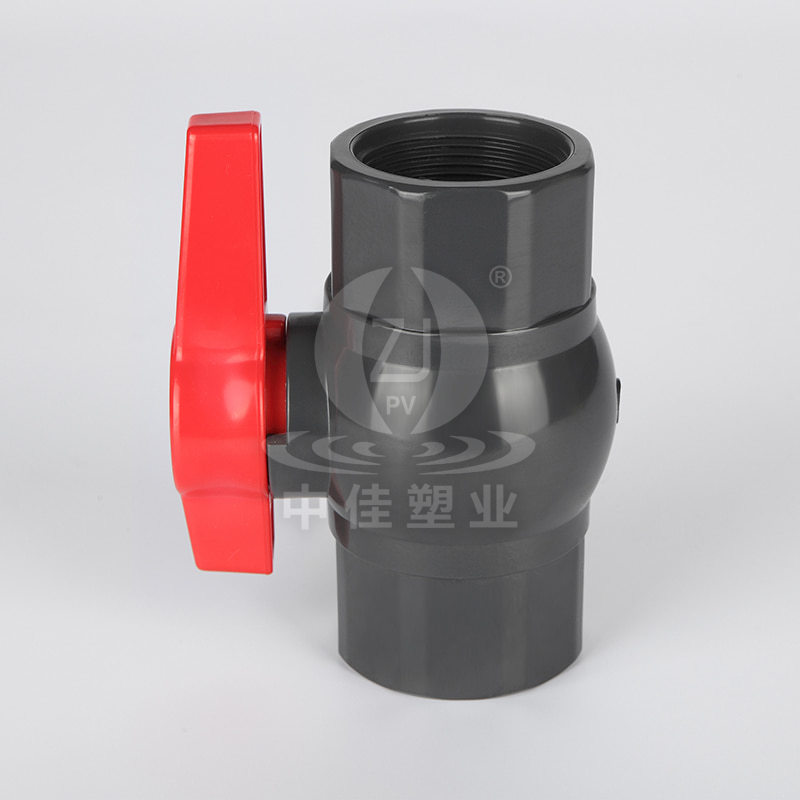
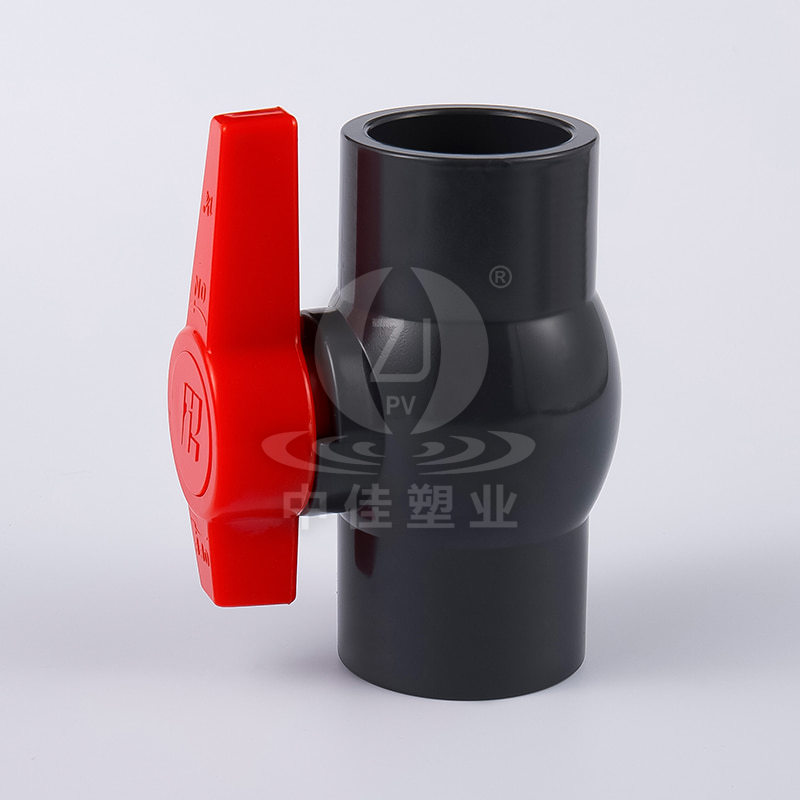
A UPVC socket ball valve is a type of quarter-turn valve made from unplasticized polyvinyl chloride, designed specifically for fluid control in water systems. It uses a socket connection method, allowing pipes to be bonded directly into the valve using solvent cement. This design ensures a secure, leak-resistant joint that is especially suitable for low- to medium-pressure water applications. Due to its chemical stability, lightweight structure, and cost efficiency, the UPVC socket ball valve has become a preferred choice in municipal water supply, irrigation networks, and industrial water distribution systems.
One of the most significant advantages of using a UPVC socket ball valve in water systems is its excellent resistance to corrosion and chemical attack. Unlike metal valves, UPVC does not rust, pit, or scale when exposed to water, moisture, or dissolved minerals. This makes it particularly suitable for long-term use in potable water systems, wastewater pipelines, and chemically treated water circuits.
Water systems often contain chlorine, salts, or other treatment chemicals that can degrade traditional metal valves over time. UPVC socket ball valves maintain their structural integrity and sealing performance under these conditions, reducing the risk of leaks and system failure.
Compared to brass or stainless steel valves, UPVC socket ball valves are significantly lighter. This lightweight nature simplifies transportation, storage, and on-site handling, especially in large-scale water distribution projects where hundreds or thousands of valves may be installed.
Because UPVC socket ball valves are easy to position and align, installers can complete connections faster. The socket joint method eliminates the need for threading or welding, resulting in lower labor requirements and fewer specialized tools during installation.
Leak prevention is critical in water systems, where even small losses can lead to efficiency issues and increased operating costs. UPVC socket ball valves are designed with precision-molded ball and seat components that provide tight shut-off and minimal pressure loss.
When properly solvent-cemented, the socket connection forms a permanent bond between the valve and the pipe. This reduces the risk of joint loosening over time and enhances the overall reliability of the water system.

From initial purchase to long-term operation, UPVC socket ball valves offer strong economic advantages. Their lower material cost compared to metal alternatives makes them attractive for budget-conscious projects, while their durability minimizes replacement and maintenance expenses.
The internal design of a UPVC socket ball valve allows for a full-bore flow path, meaning the internal diameter closely matches that of the connected pipe. This design minimizes turbulence and pressure drop, which is particularly important in water distribution systems that rely on consistent flow rates.
The quarter-turn operation enables quick opening and closing, allowing operators to control water flow rapidly during maintenance, emergencies, or system adjustments.
UPVC socket ball valves are highly versatile and suitable for various water-related applications. Their compatibility with different pipe sizes and pressure ratings makes them a flexible solution across multiple sectors.
| Application | Benefit of UPVC Socket Ball Valve |
| Potable Water Supply | Corrosion-free and hygienic |
| Agricultural Irrigation | Lightweight and easy to install |
| Industrial Water Lines | Chemical resistance and durability |
UPVC socket ball valves require minimal routine maintenance due to their non-corrosive material and simple internal structure. The smooth surface of UPVC resists scale buildup, helping maintain consistent performance over extended periods.
With fewer failures and less frequent servicing, water systems using UPVC socket ball valves experience fewer disruptions, improving reliability and user satisfaction.
UPVC is a non-toxic material suitable for potable water applications, meeting relevant safety standards in many regions. Its long service life also reduces waste generation and resource consumption associated with frequent valve replacements.
The advantages of using a UPVC socket ball valve in water systems extend far beyond simple flow control. With outstanding corrosion resistance, easy installation, reliable sealing, and long-term cost savings, these valves provide a practical and efficient solution for modern water infrastructure. For engineers, contractors, and system operators seeking dependable performance with minimal maintenance, UPVC socket ball valves represent a well-balanced and future-ready choice.

Follow us
PVC-U
PVC-U Pipes PVC-U Fittings for Industry PVC-U Fittings for Water Supply PVC-U Pipes ASTM D1785 PVC-U Fittings ASTM SCH80
Copyright © Changzhou Zhongjia Plastic Industry Co., Ltd.All rights reserved.
 UPVC/CPVC Pipes Manufacturers


Copyright @ Changzhou Zhongjia Plastic Industry Co., Ltd.All Rights Reserved.



 عربى
عربى  中文简体
中文简体  Español