Content
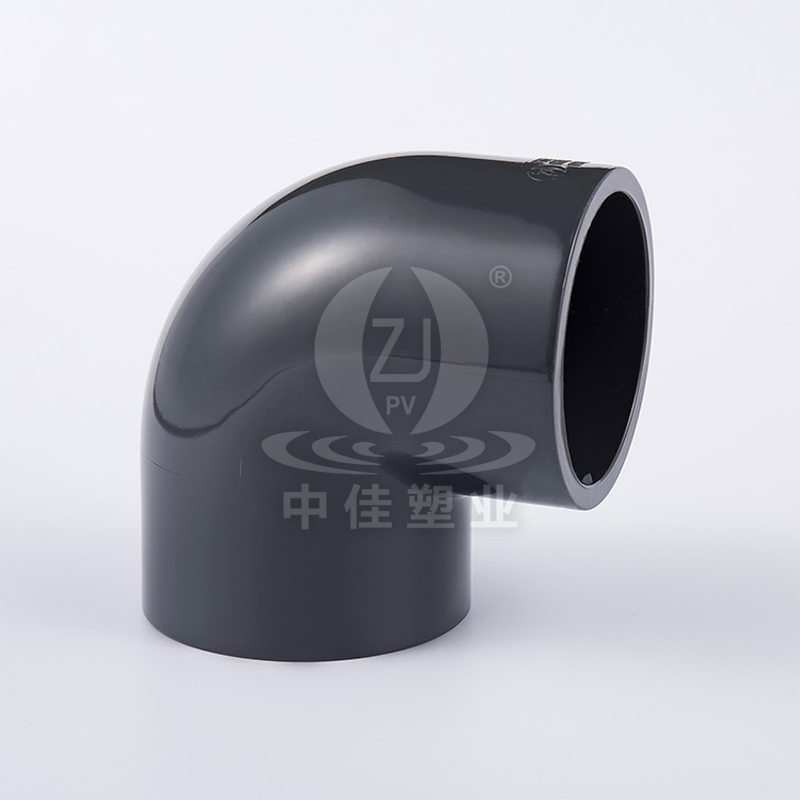
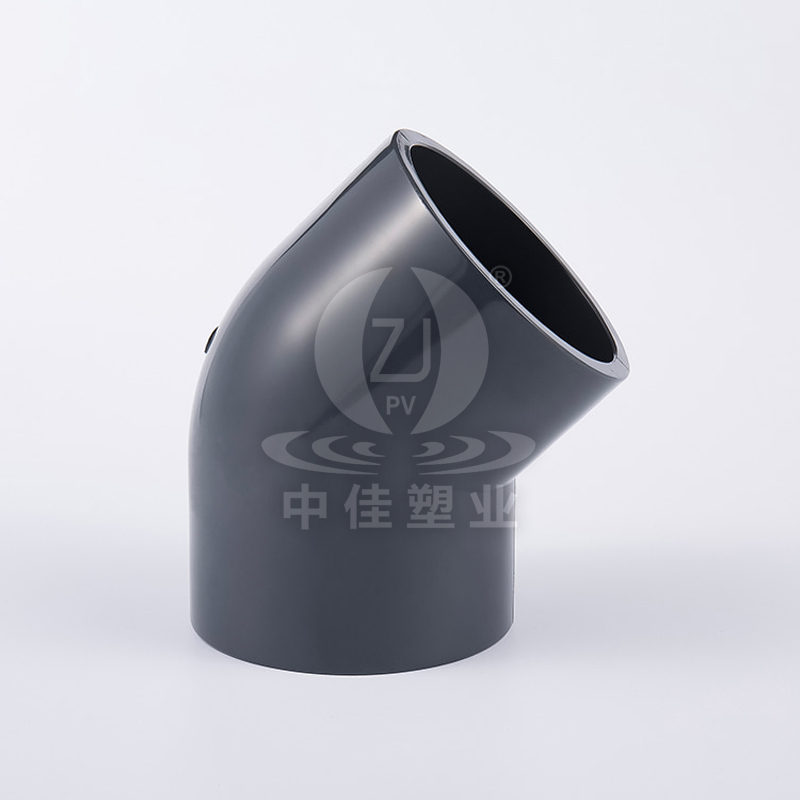
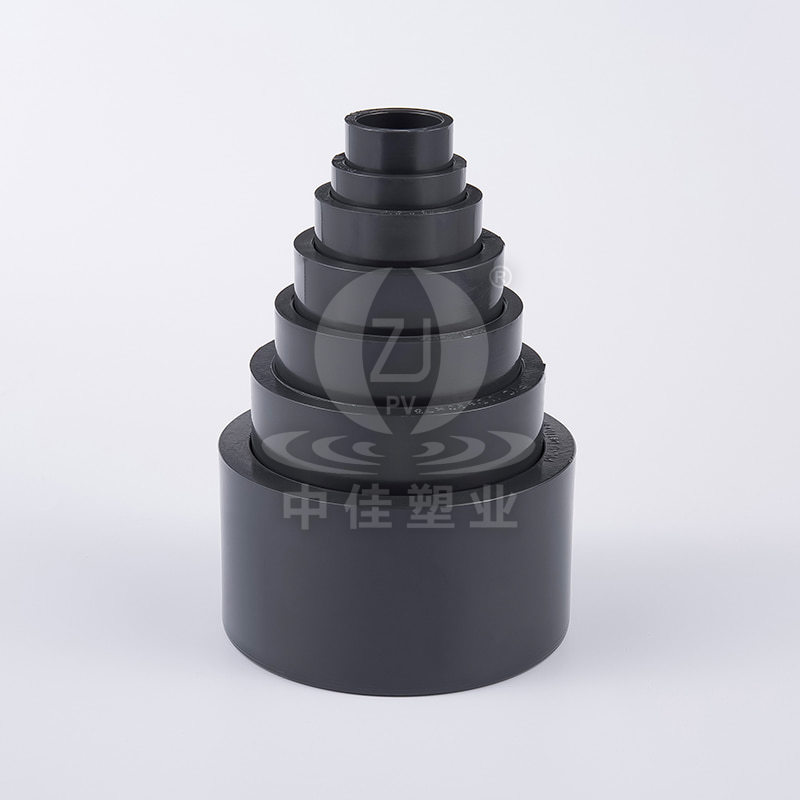
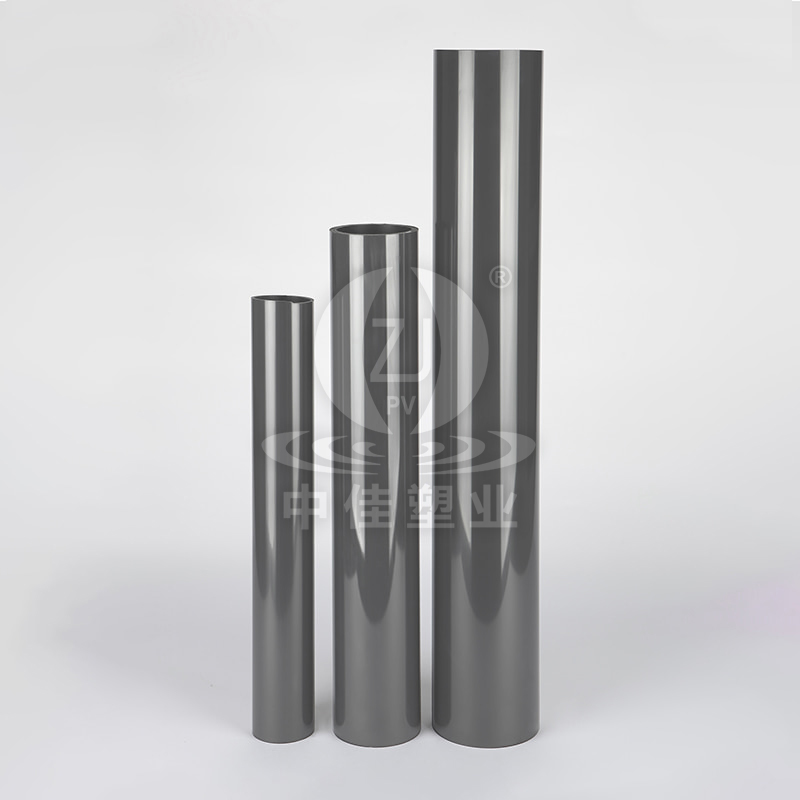
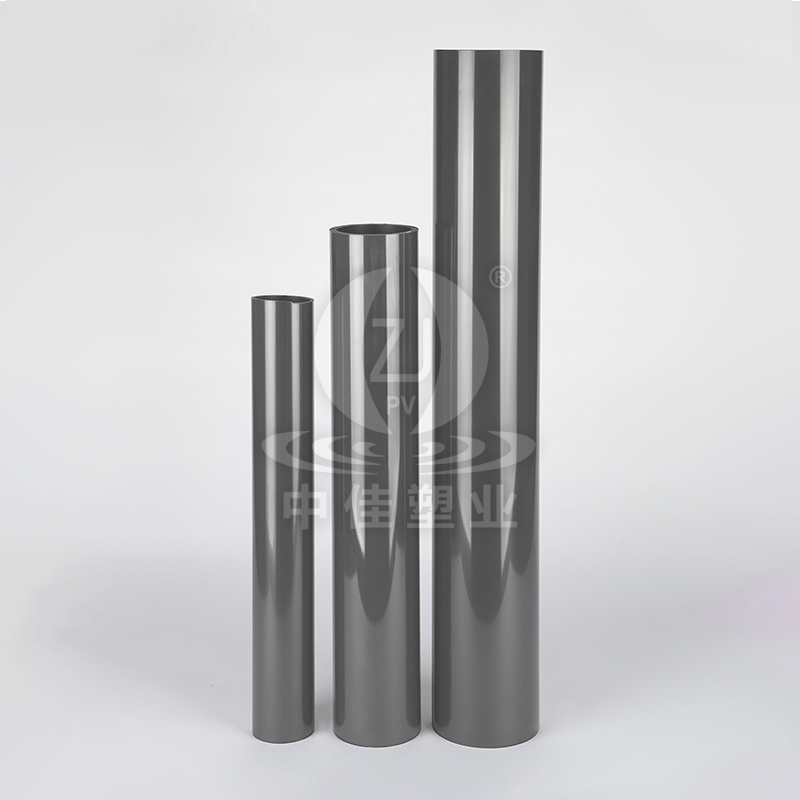
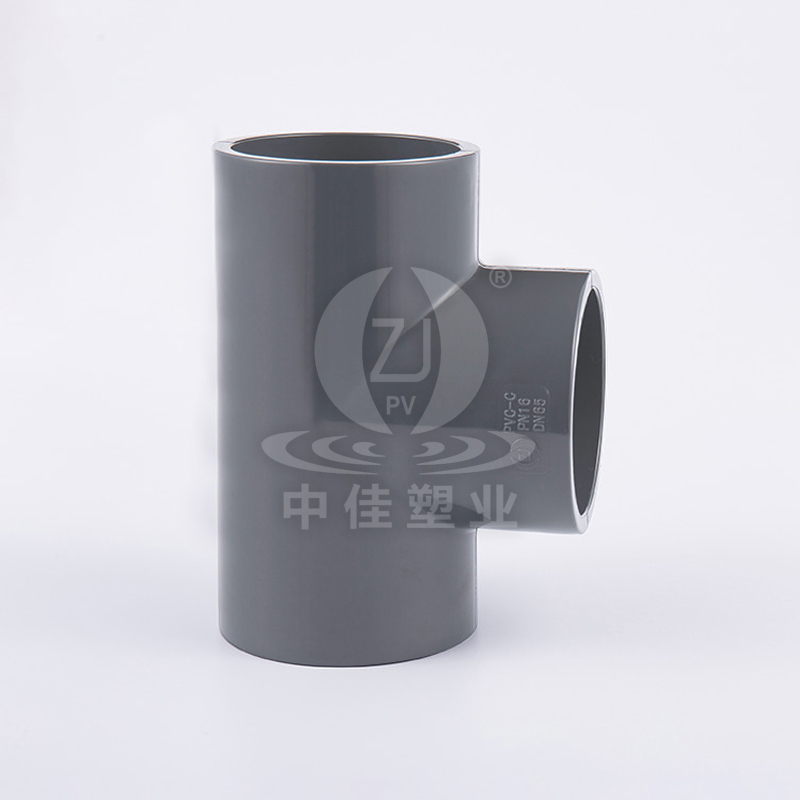
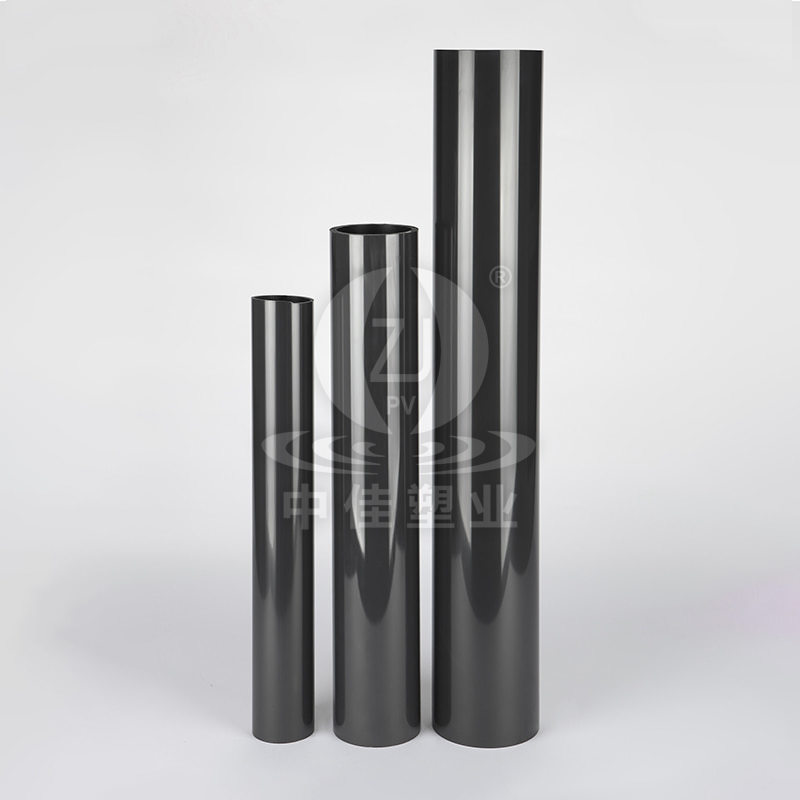
Industrial UPVC pipes are rigid plastic pipes made from unplasticized polyvinyl chloride, a thermoplastic material that excludes the flexible additives found in standard PVC, resulting in a stiffer, more chemically resistant pipe suited to demanding industrial conditions. Unlike plasticized PVC used in flexible hoses or cable insulation, UPVC retains a hard, rigid structure that holds its shape under pressure and resists deformation even when exposed to a wide range of chemicals and temperatures encountered in industrial settings.
These pipes are manufactured through an extrusion process that produces consistent wall thickness and diameter, allowing them to meet standardized pressure ratings required for applications ranging from chemical processing to water distribution. Because UPVC does not corrode, rust, or scale the way metal piping can, it has become a preferred material across many industries seeking long term reliability with reduced maintenance demands.
Several inherent material properties explain why UPVC has become so widely adopted across industrial piping applications. Chemical resistance is among the most significant, since UPVC withstands exposure to many acids, alkalis, salts, and other corrosive substances that would degrade metal pipes over time. This resistance makes UPVC particularly valuable in chemical processing plants, wastewater treatment facilities, and manufacturing environments where aggressive fluids are routinely transported.
UPVC also offers a favorable strength to weight ratio, making it significantly lighter than equivalent metal piping while still providing sufficient mechanical strength for most industrial pressure requirements. This lighter weight reduces installation labor, simplifies handling on job sites, and lowers structural support requirements compared to heavier pipe materials. Additionally, UPVC's smooth internal bore reduces friction losses during fluid flow, which can improve overall system efficiency and reduce pumping energy costs over the life of the installation.
Choosing the right pipe material requires weighing UPVC's strengths against alternatives commonly used in industrial settings. The comparison below highlights key differences.
| Material | Chemical Resistance | Weight | Temperature Tolerance |
| UPVC | Excellent for most acids and alkalis | Lightweight | Suitable up to approximately 60°C |
| Galvanized Steel | Moderate, prone to corrosion over time | Heavy | High temperature tolerance |
| Stainless Steel | Very good, especially higher alloy grades | Heavy | High temperature tolerance |
| CPVC | Excellent, similar to UPVC | Lightweight | Suitable up to approximately 95°C |
For applications operating within moderate temperature ranges and requiring strong chemical resistance at a lower cost than metal alternatives, UPVC often presents the most practical choice, while applications with higher temperature demands may need to consider CPVC or metal piping instead.
UPVC pipes serve a broad range of industrial functions across multiple sectors. Frequent applications include the following.
UPVC pipes are manufactured in different pressure classes and wall thickness schedules, each designed for specific operating pressure ranges. Selecting a pipe rated below the system's actual operating pressure can lead to bursting or premature failure, while significantly overspecifying pressure class adds unnecessary cost, so matching the rated class closely to actual system requirements is important for both safety and budget efficiency.
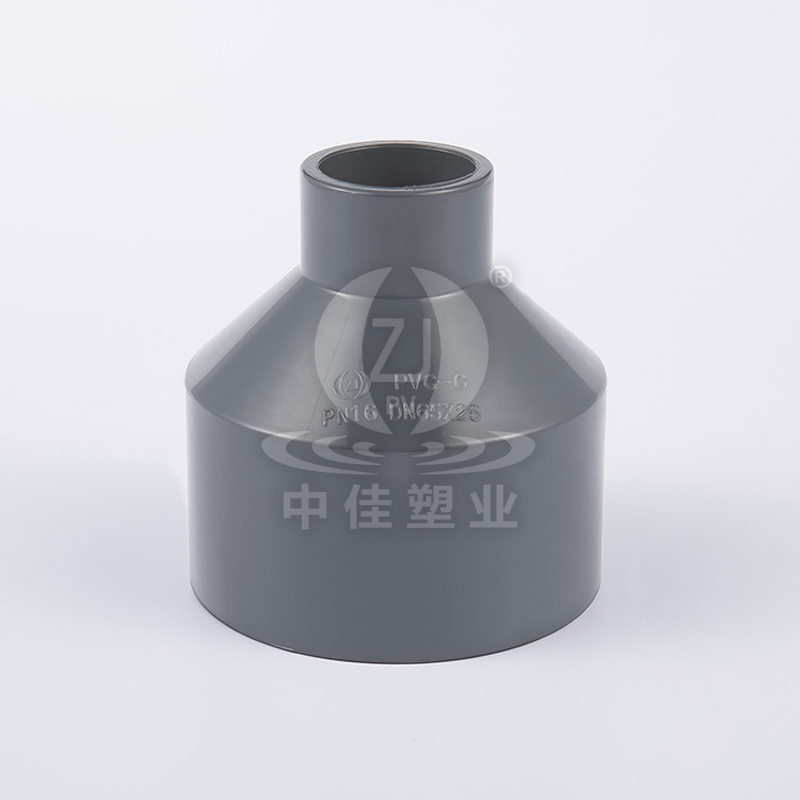
Pipe diameter directly affects flow rate and pressure drop across a system, so calculating expected flow volumes before selecting pipe size helps avoid undersized piping that creates excessive pressure loss or oversized piping that increases material costs unnecessarily. Consulting flow charts specific to UPVC pipe dimensions can help confirm the appropriate size for a given application.
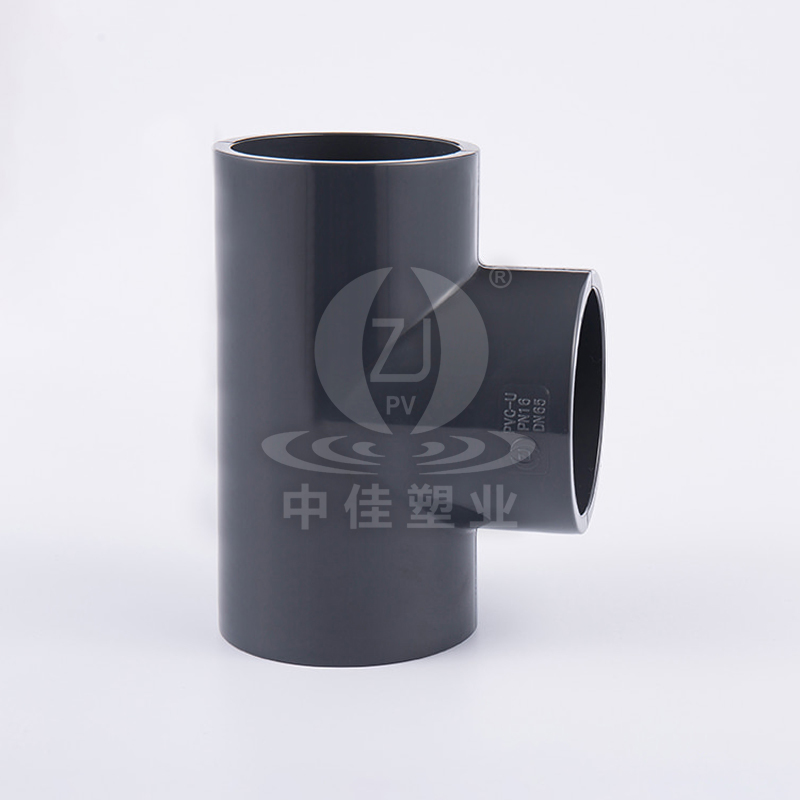
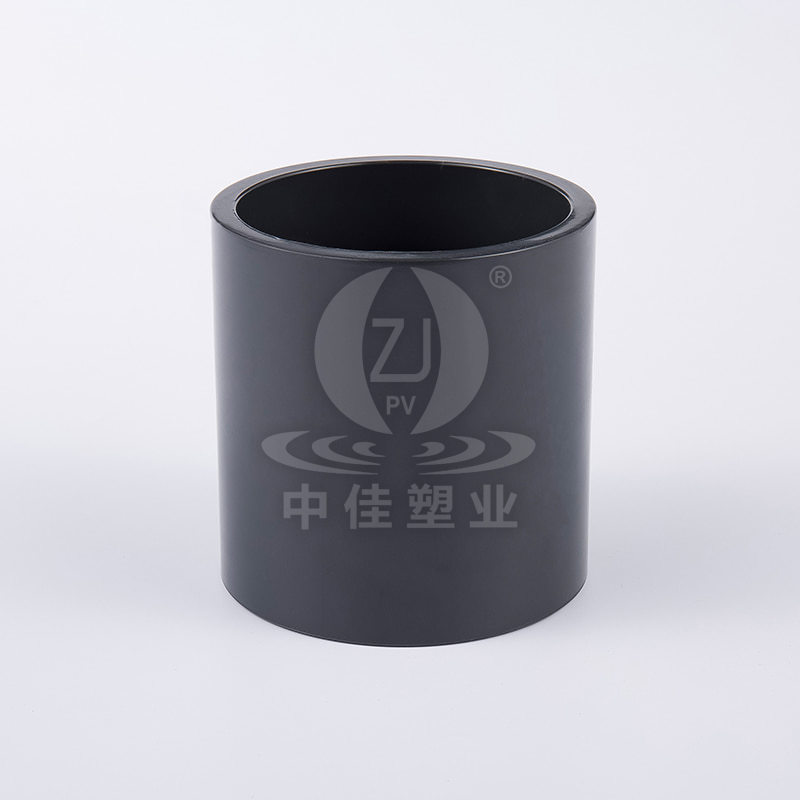
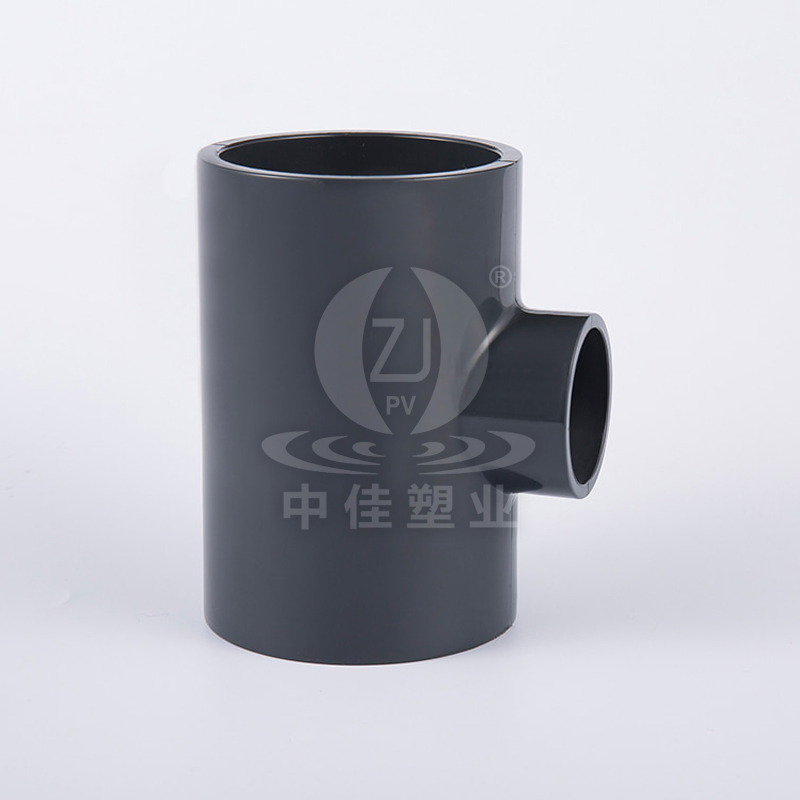
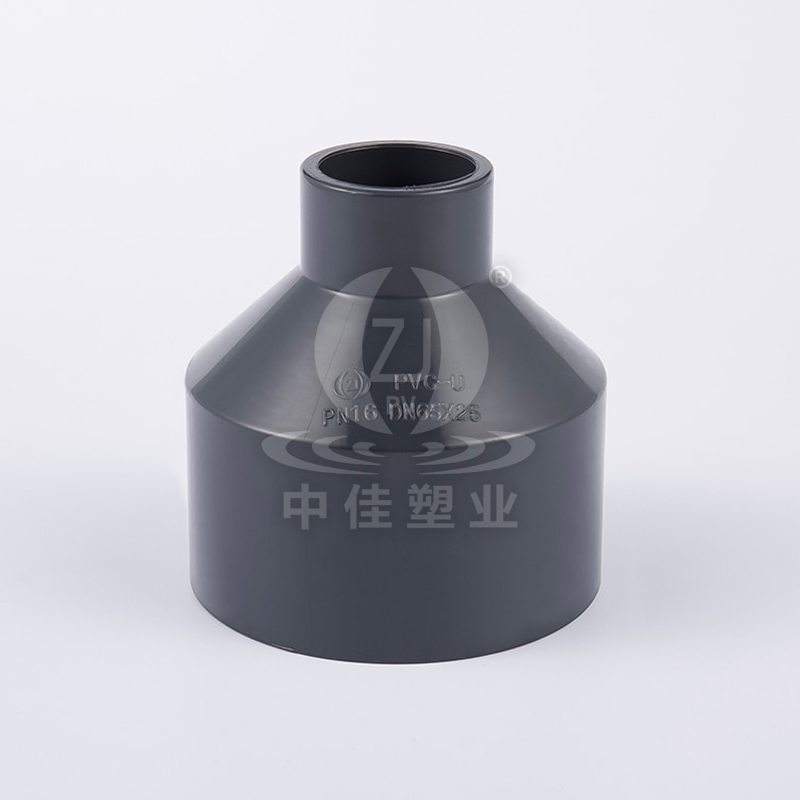
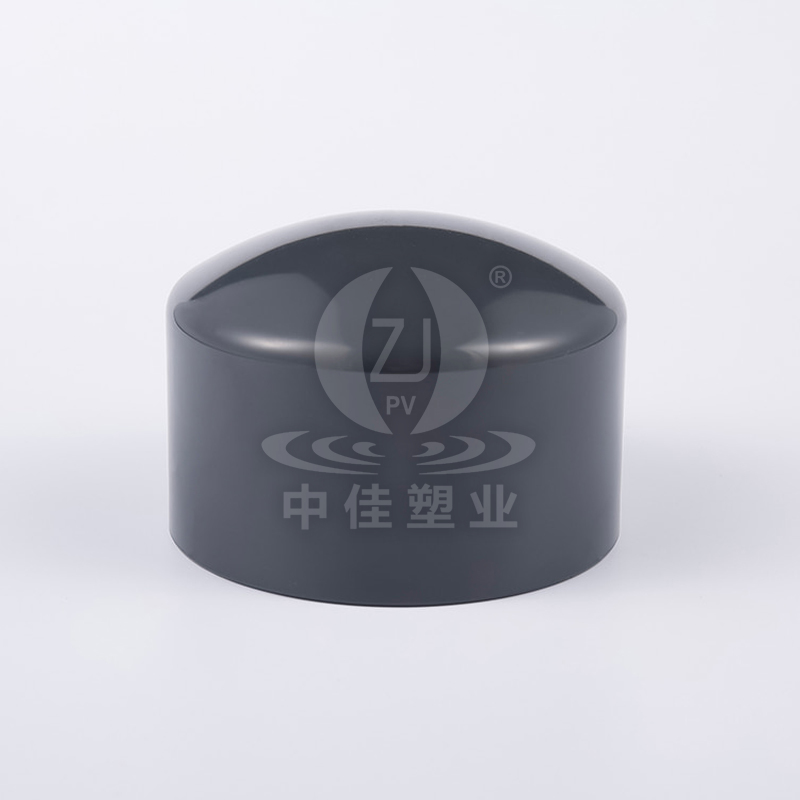
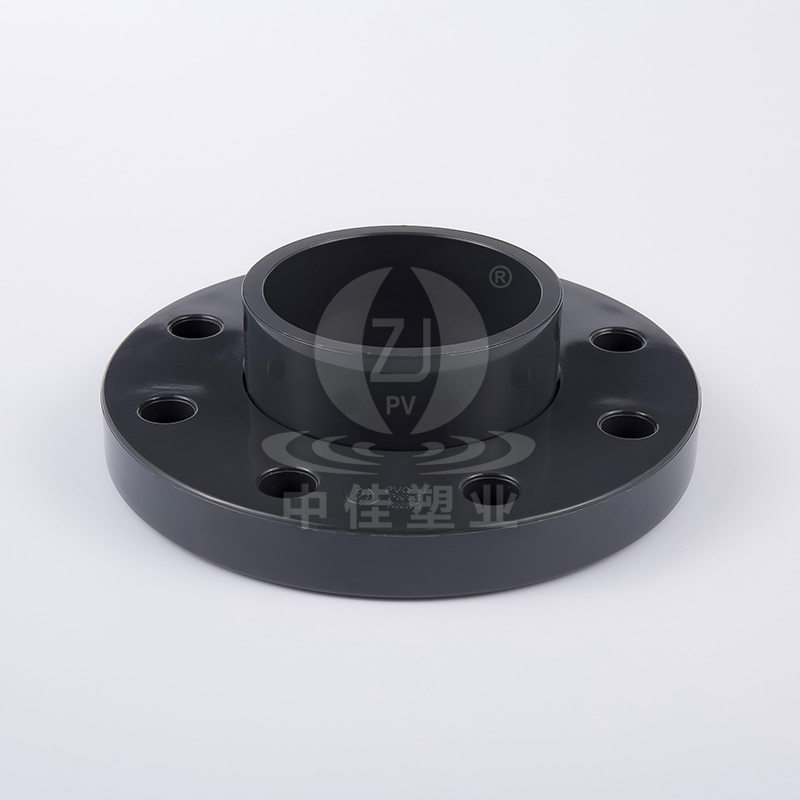
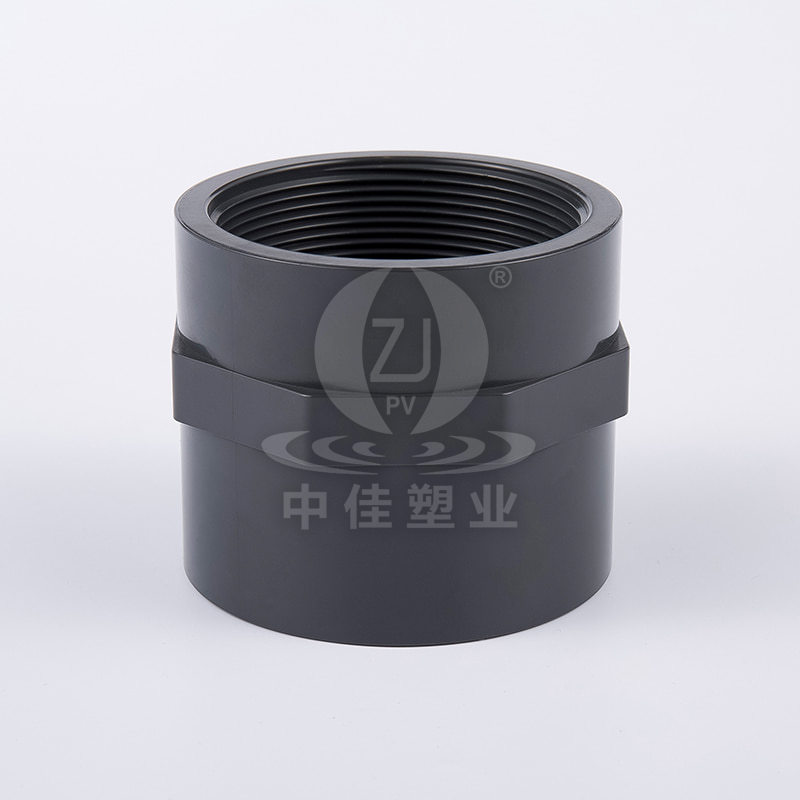
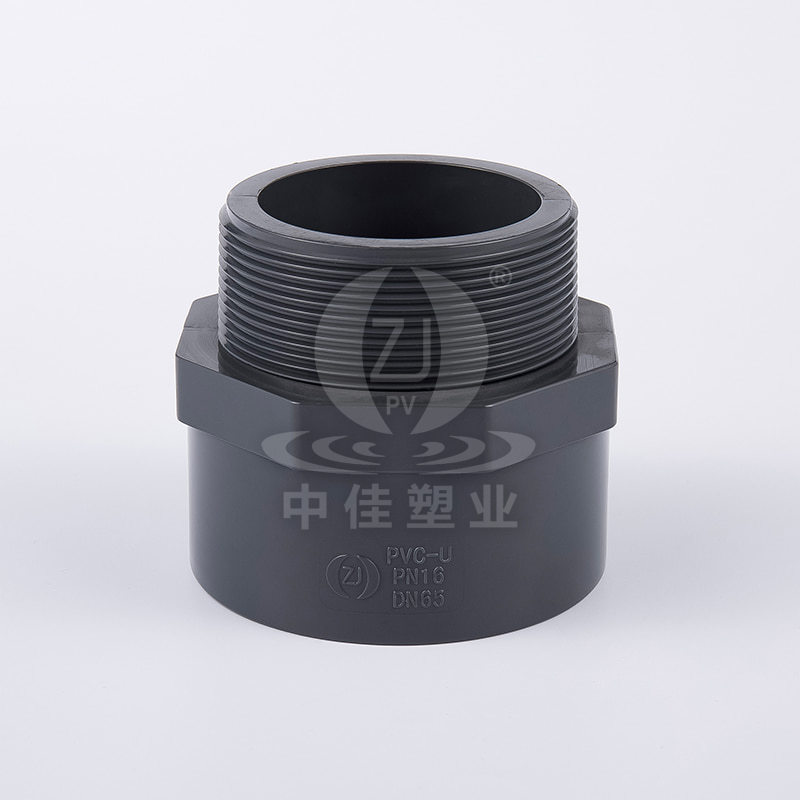
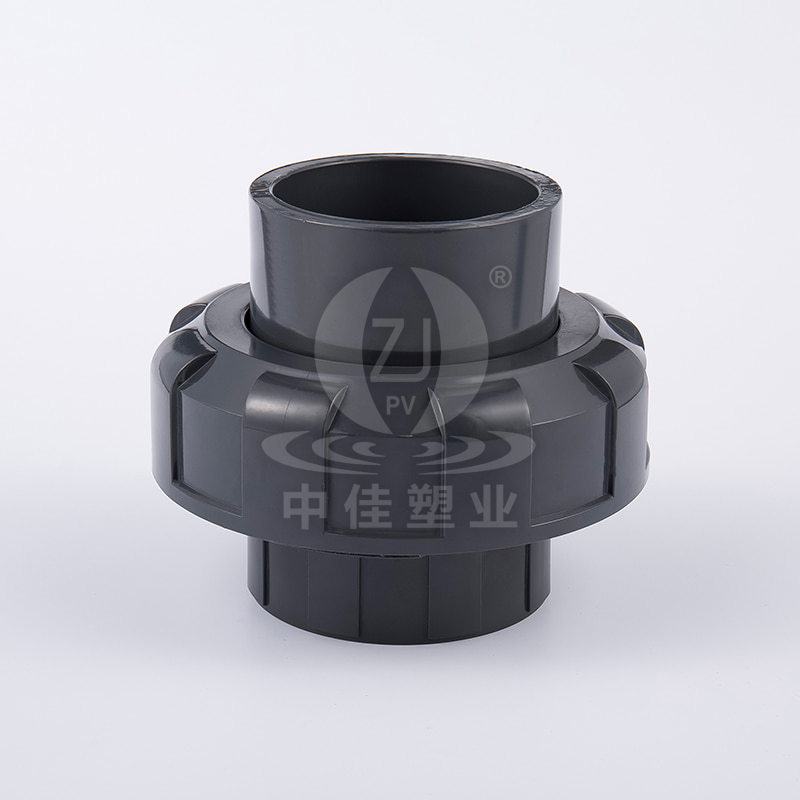
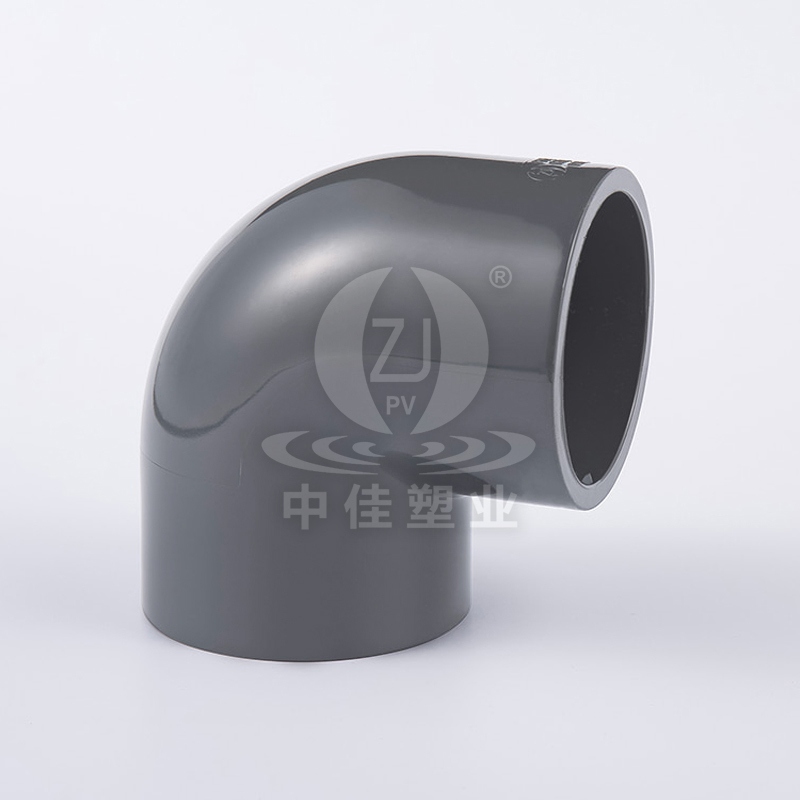
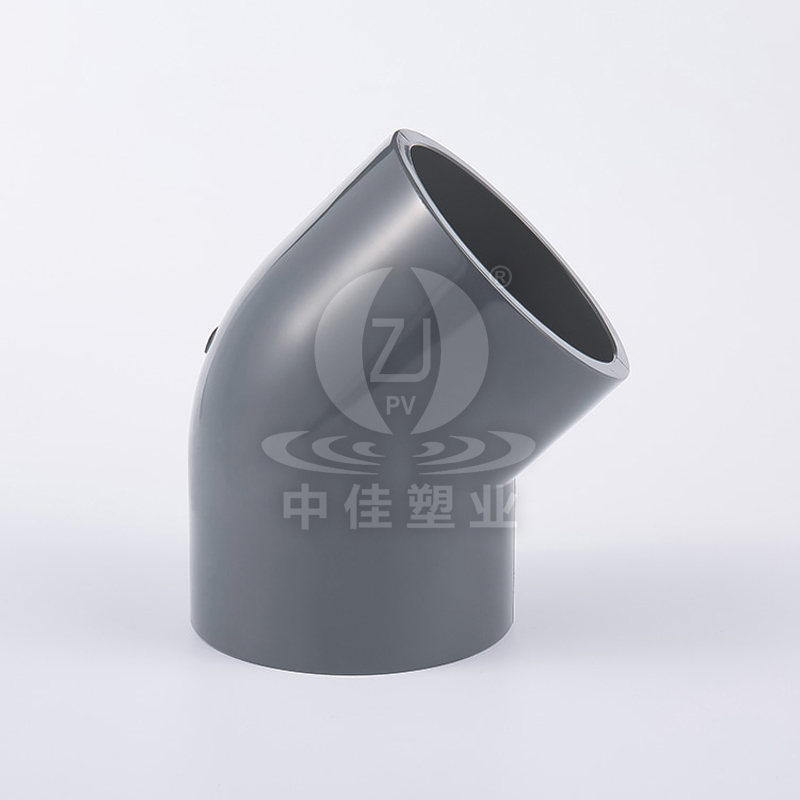
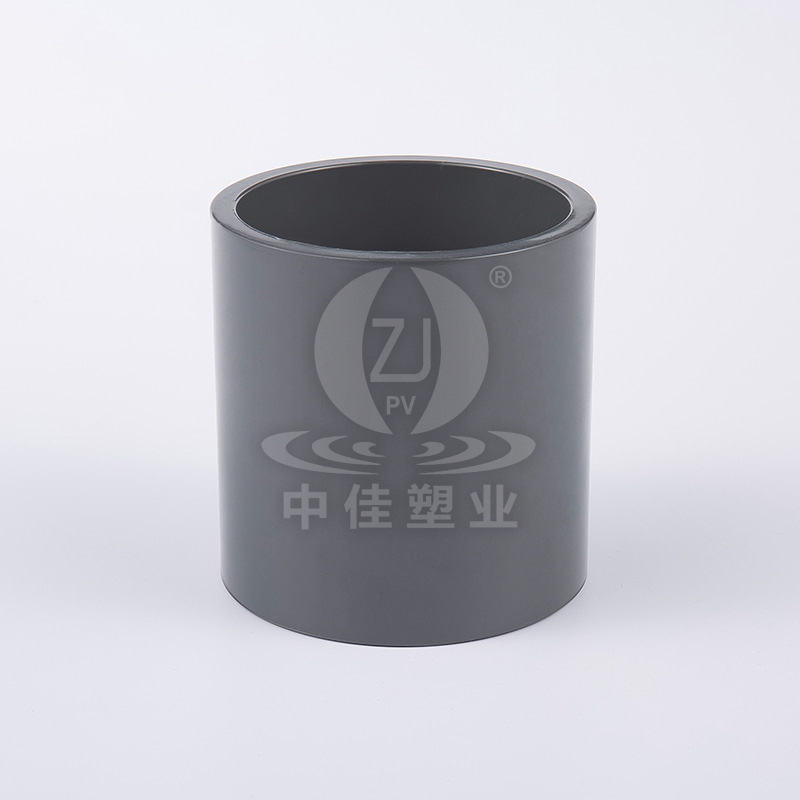
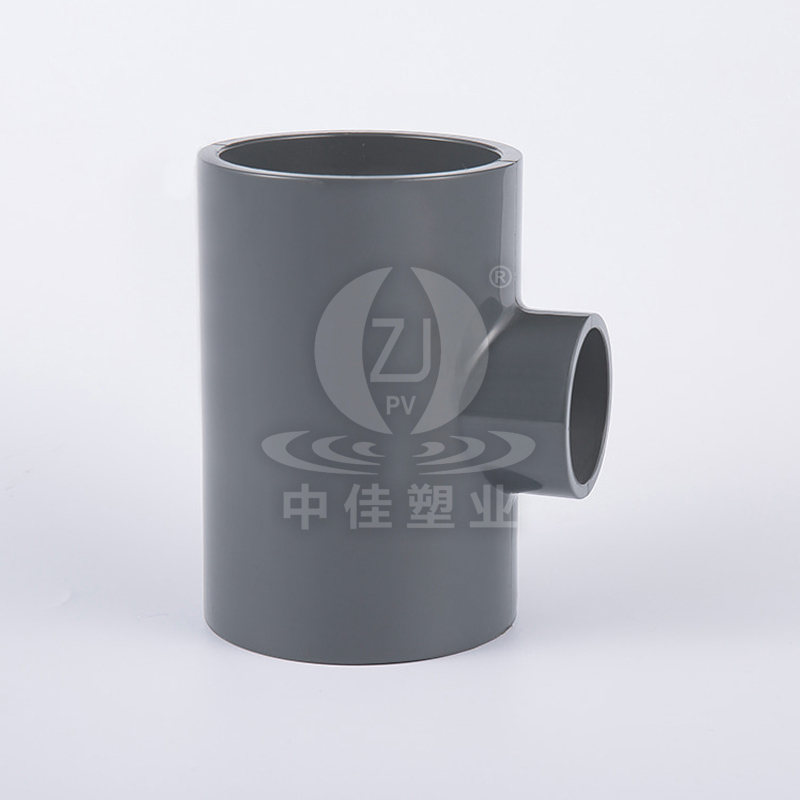
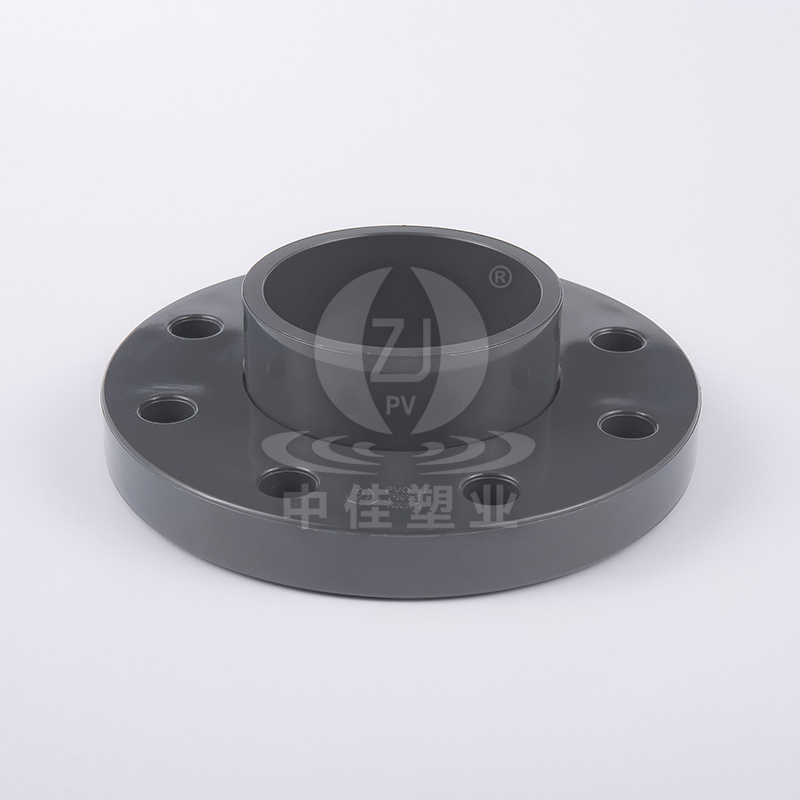
UPVC pipes can be joined using solvent welding, threaded connections, or flanged fittings, depending on the application and required serviceability. Solvent welded joints provide a strong, permanent bond suitable for most pressure applications, while flanged connections allow for easier disassembly during maintenance, making the choice of jointing method an important consideration based on how frequently the system may need servicing.
Proper installation practices help UPVC piping systems achieve their expected service life. Pipes should be supported at intervals appropriate to their diameter and the fluid being transported, since inadequate support can lead to sagging or stress concentration at joints over time. Expansion joints or loops should also be incorporated into long pipe runs to accommodate thermal expansion and contraction, which can otherwise place undue stress on fittings and joints.
By understanding UPVC's material properties, selecting the correct pressure class and diameter, and following sound installation practices, industrial operators can rely on UPVC piping systems to deliver durable, low maintenance performance across a wide variety of demanding industrial applications.

Follow us
PVC-U
PVC-U Pipes PVC-U Fittings for Industry PVC-U Fittings for Water Supply PVC-U Pipes ASTM D1785 PVC-U Fittings ASTM SCH80
Copyright © Changzhou Zhongjia Plastic Industry Co., Ltd.All rights reserved.
 UPVC/CPVC Pipes Manufacturers


Copyright @ Changzhou Zhongjia Plastic Industry Co., Ltd.All Rights Reserved.



 عربى
عربى  中文简体
中文简体  Español