Content
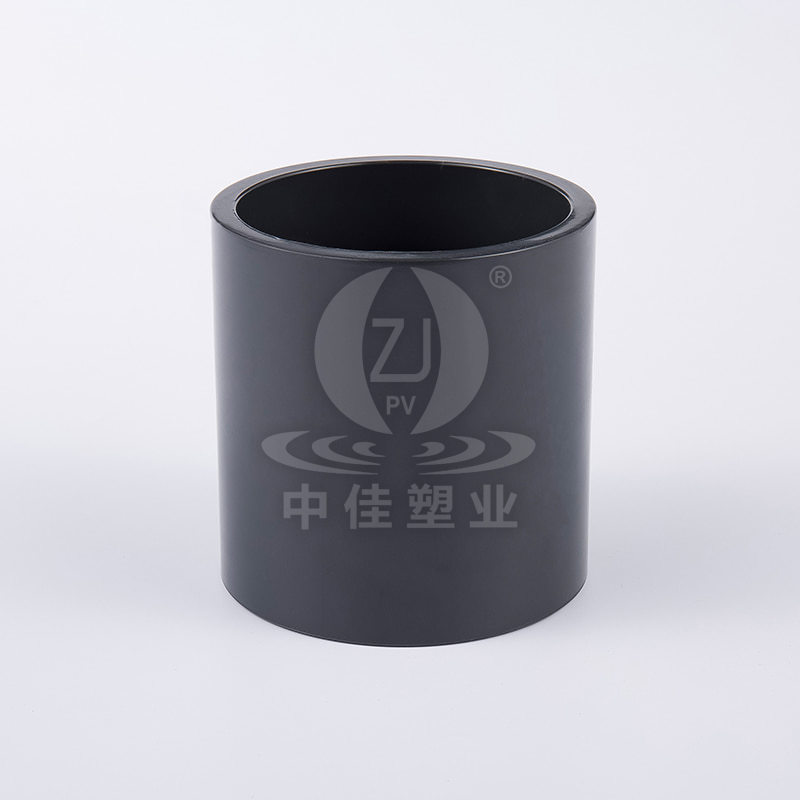
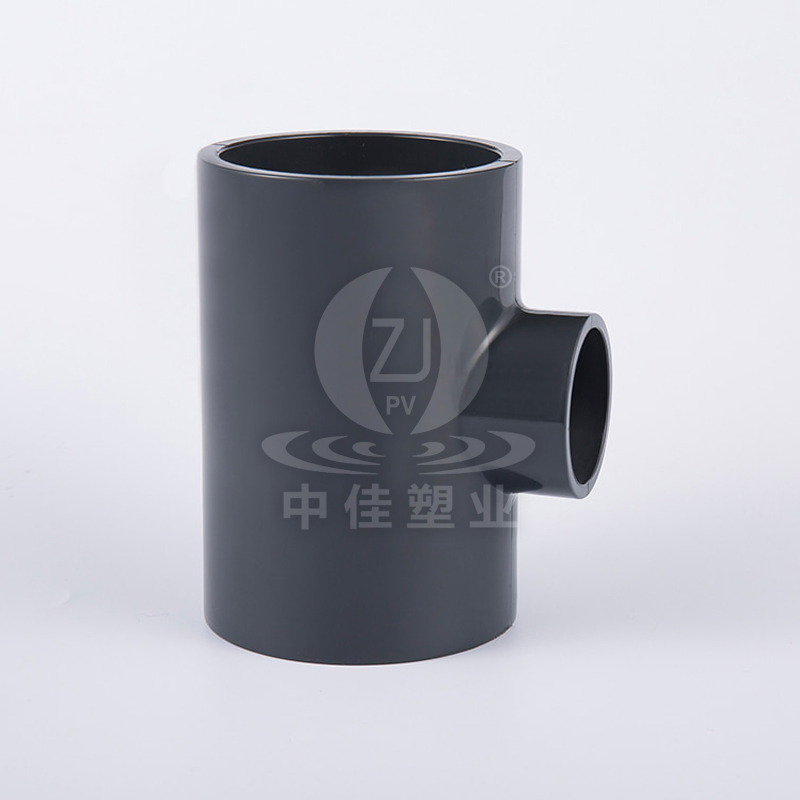
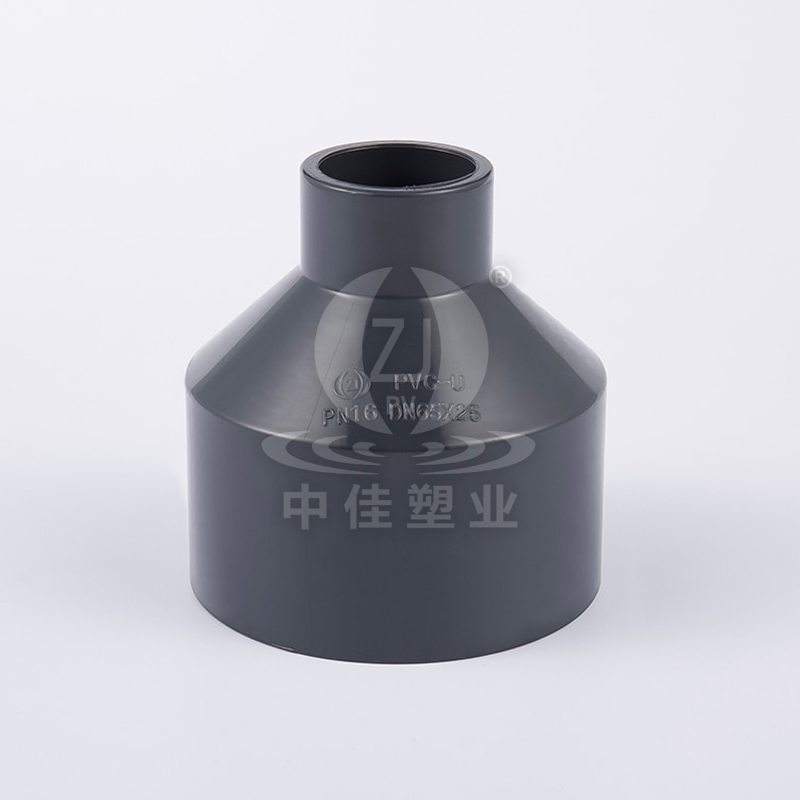
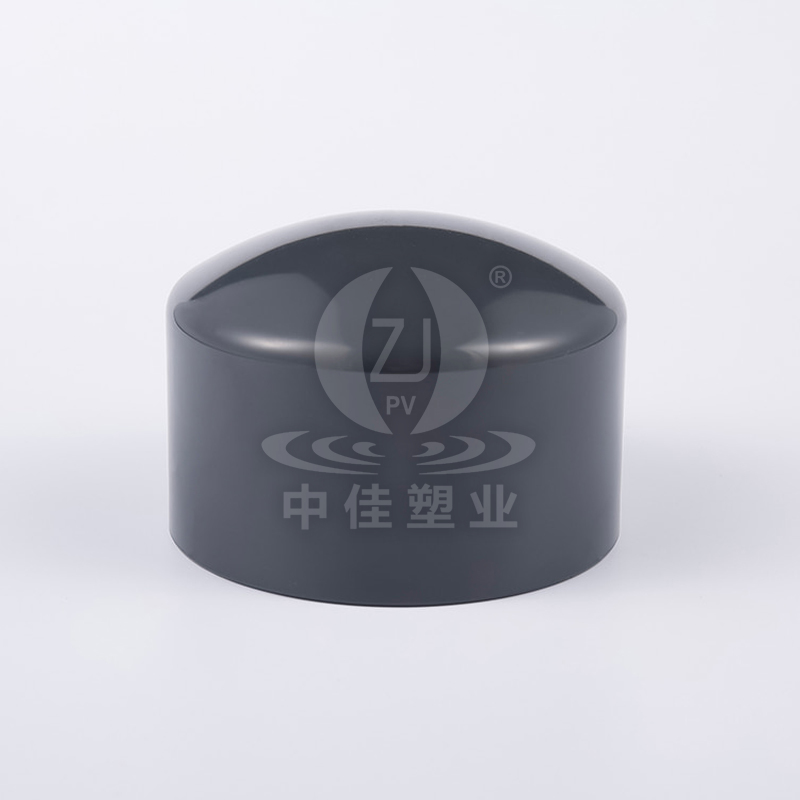
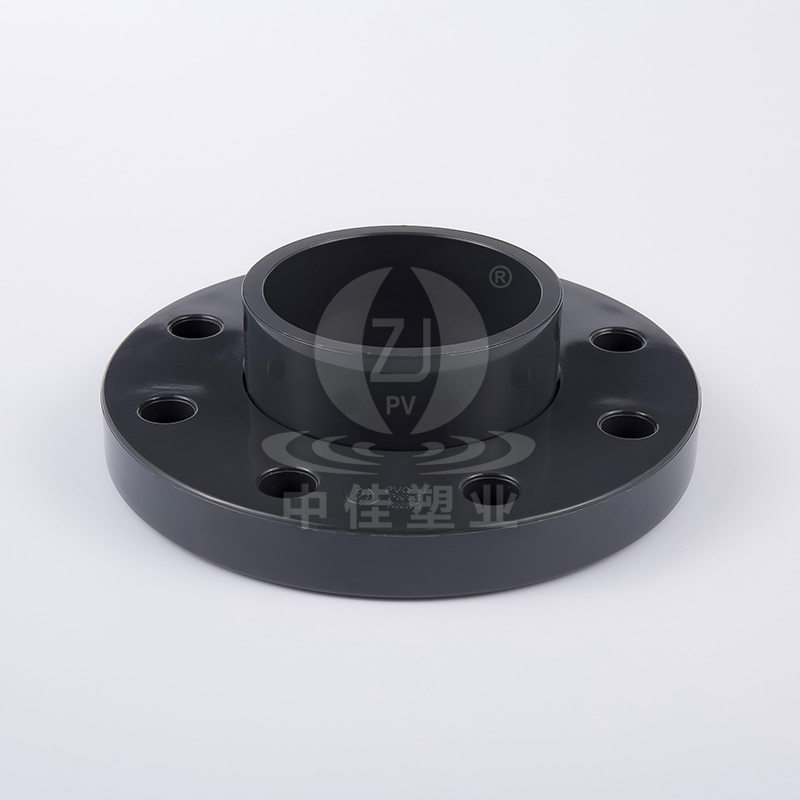
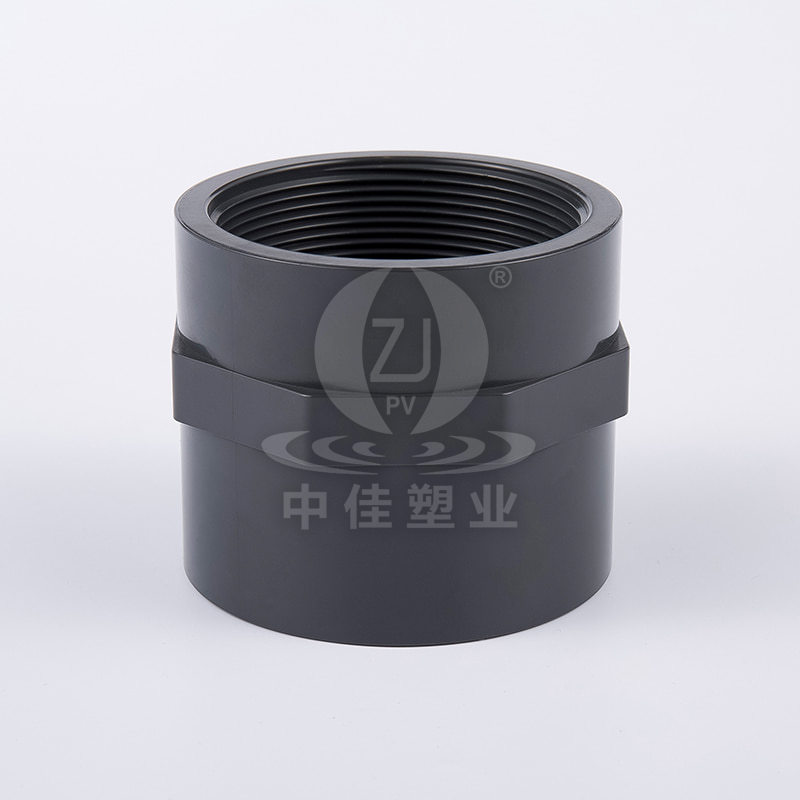
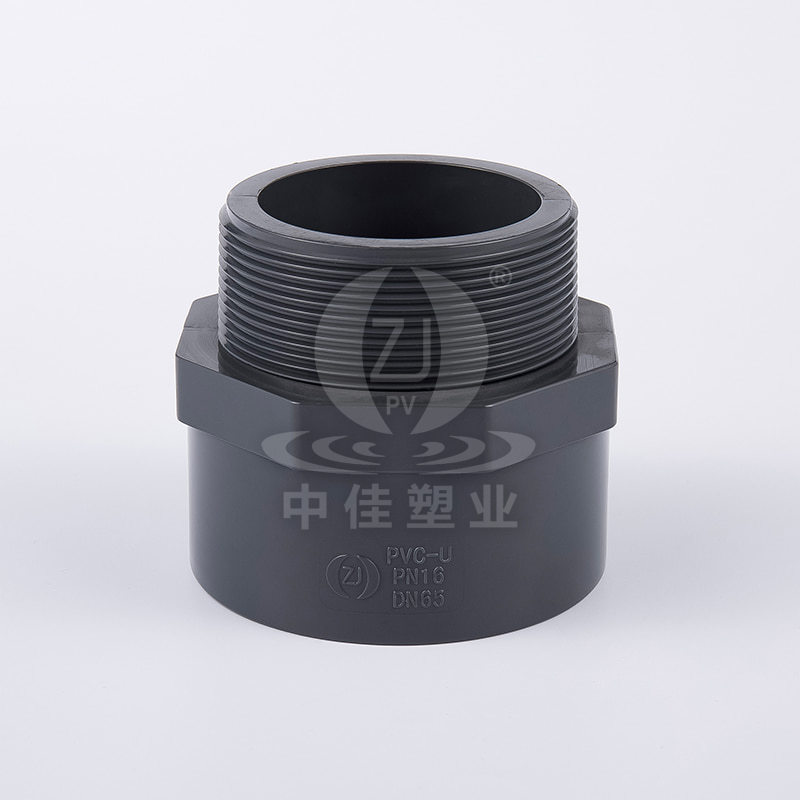
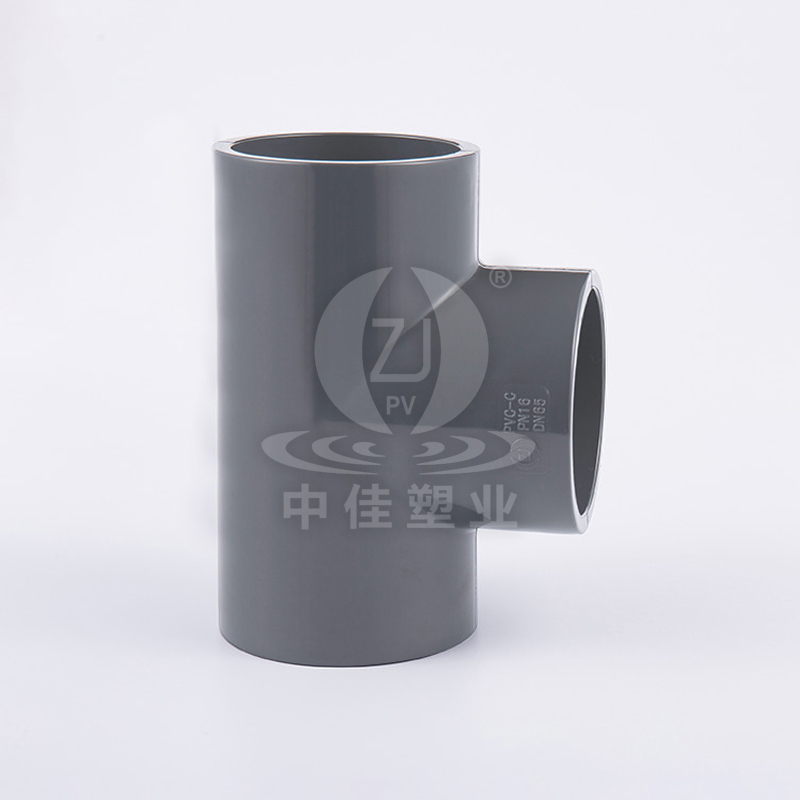
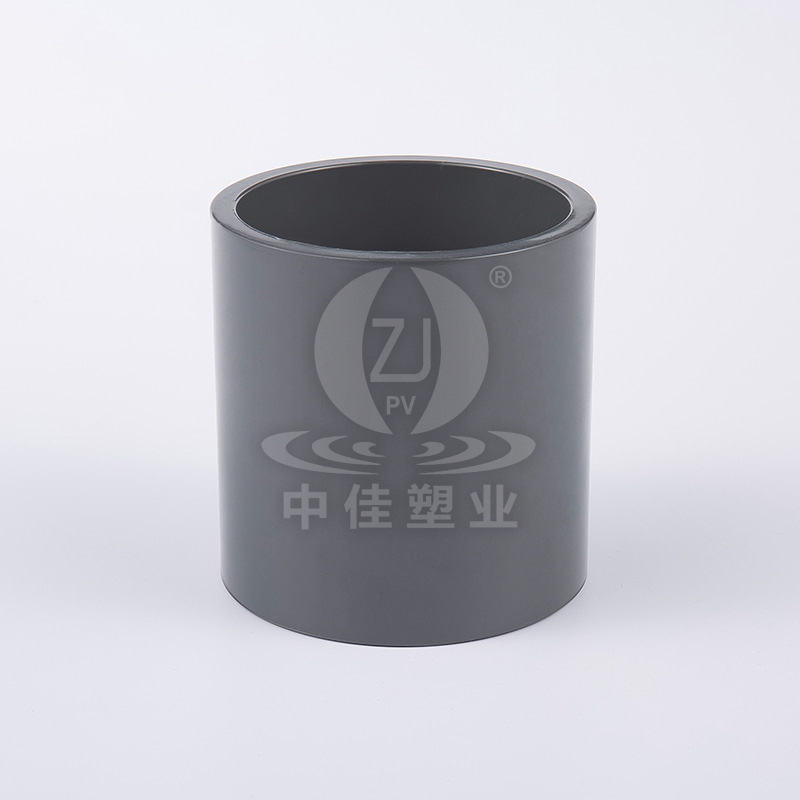
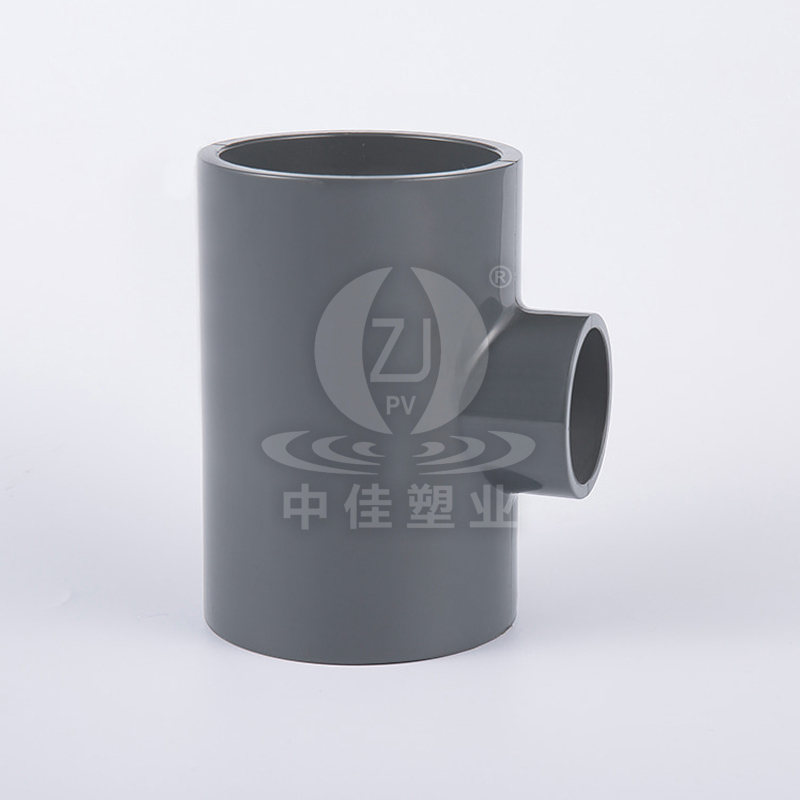
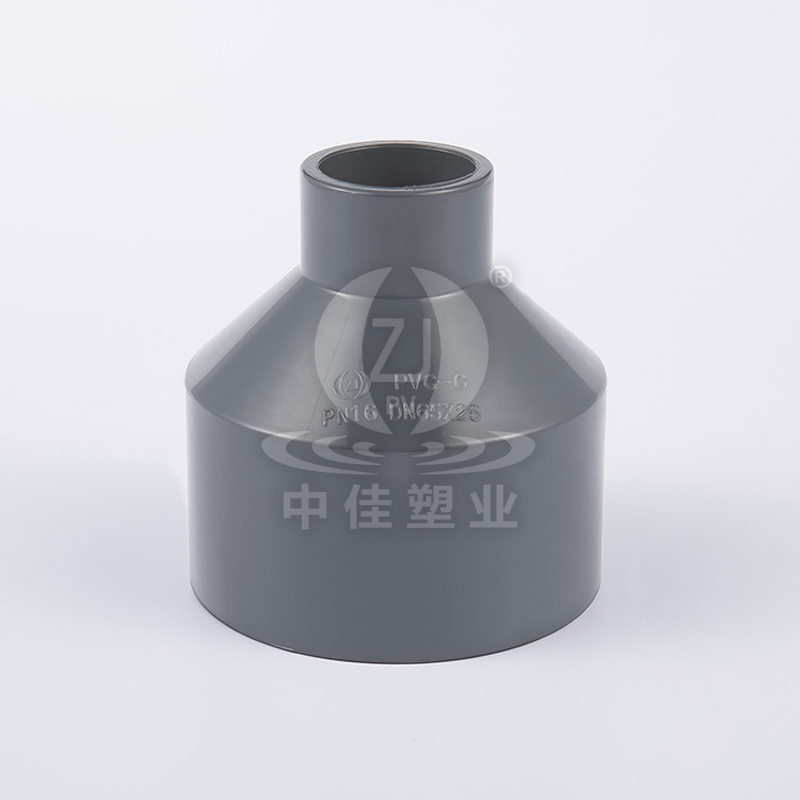
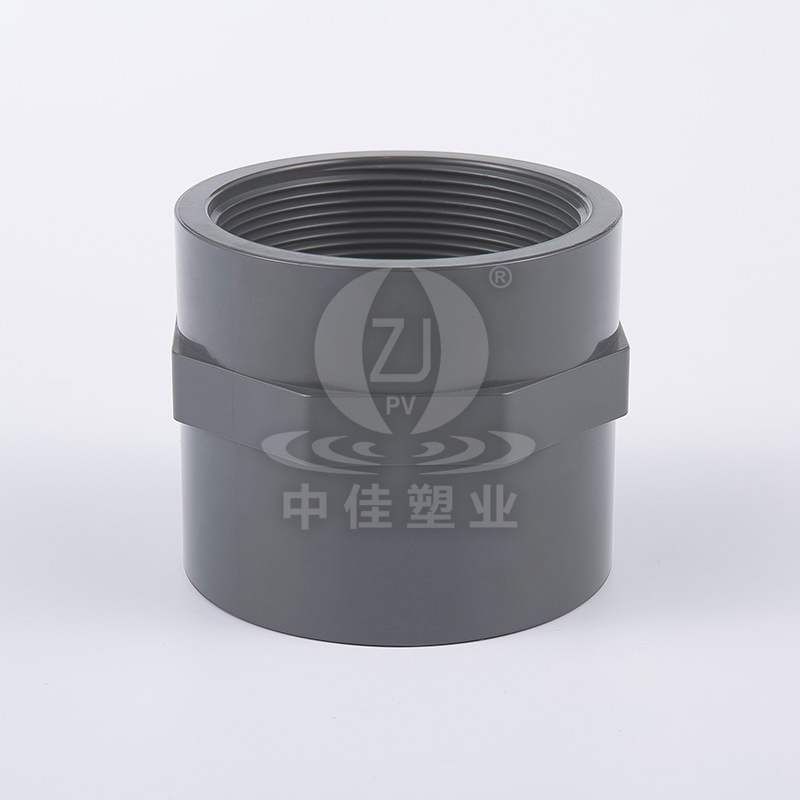
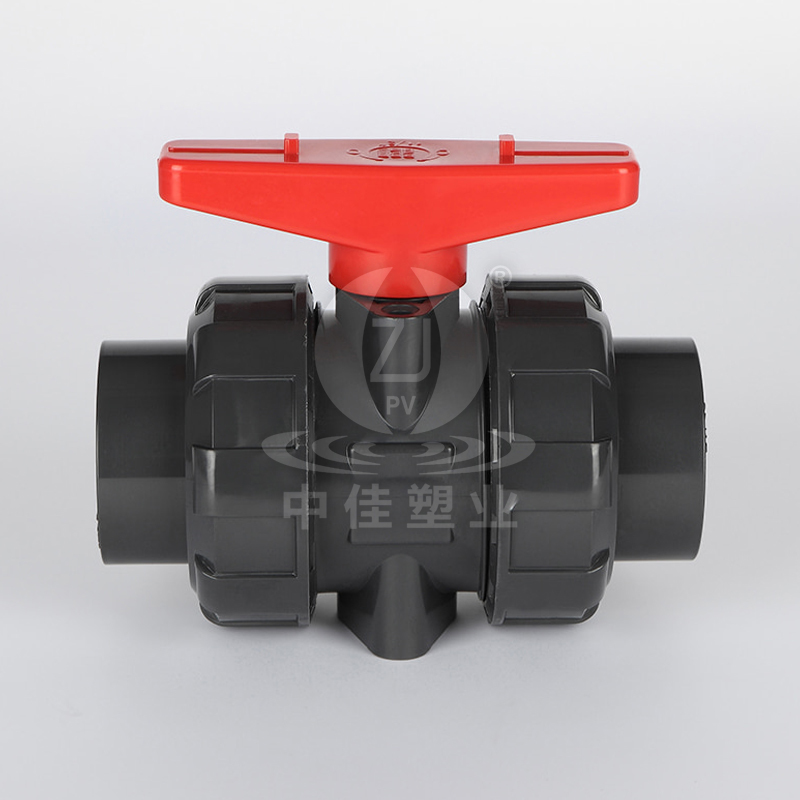
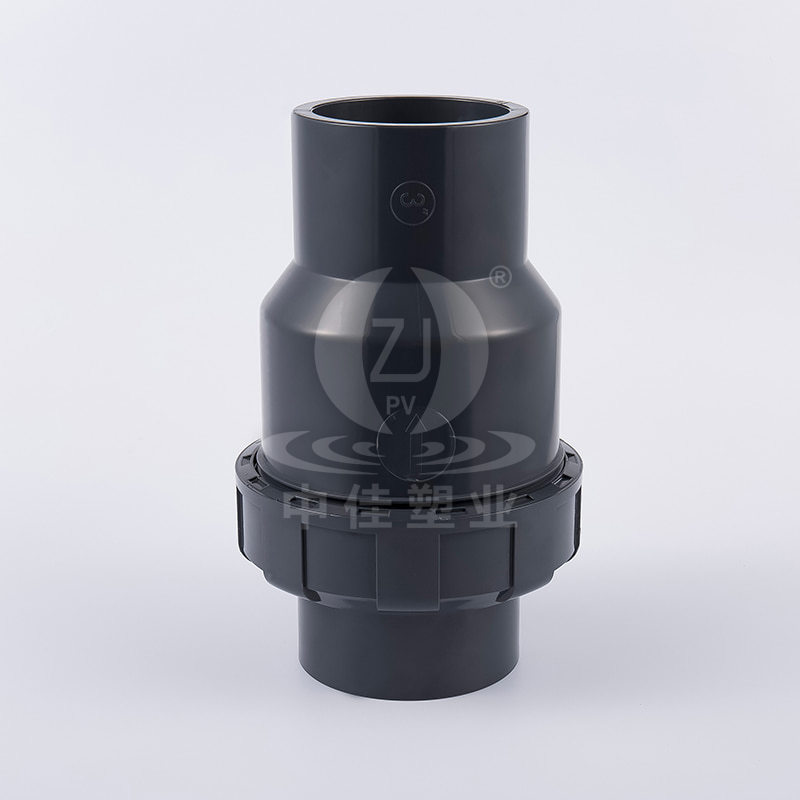
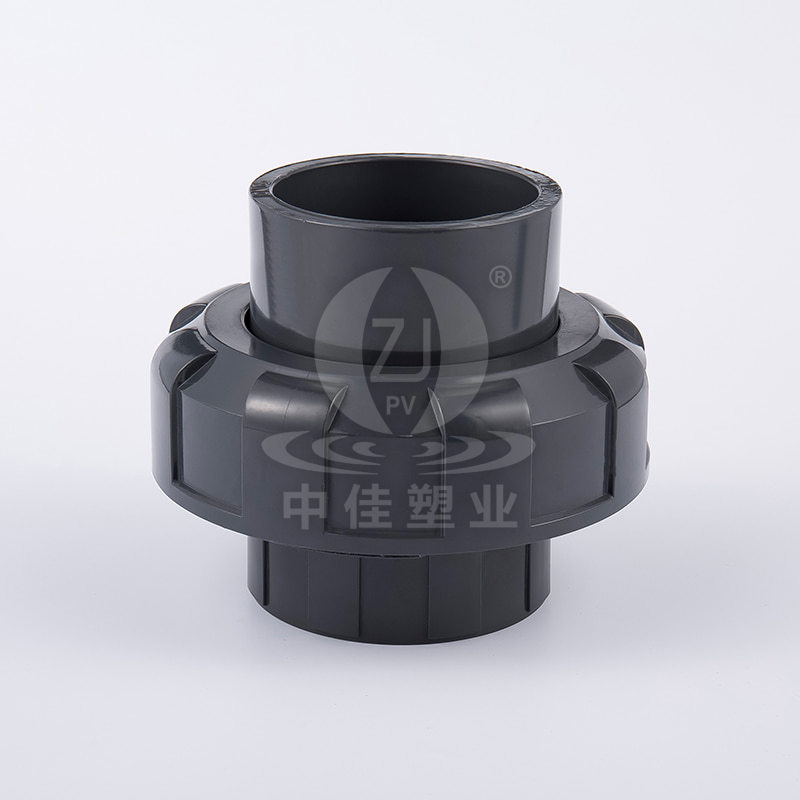
UPVC socket unions are essential components in modern plumbing systems. Designed to connect pipes securely while allowing easy disassembly, these fittings offer a combination of strength, reliability, and convenience. In residential, commercial, and industrial applications, UPVC socket unions simplify maintenance, repairs, and modifications of piping systems without compromising performance.
One of the primary advantages of UPVC socket unions is their straightforward installation process. Unlike threaded or flanged connections, which require precise alignment and additional tools, socket unions allow pipes to be connected quickly using solvent cement or gasketed unions. This reduces labor time, minimizes errors, and lowers overall installation costs.
Installation typically involves cleaning the pipe ends, applying a suitable solvent cement to the inside of the socket and the outside of the pipe, and inserting the pipe fully into the union. Once the cement cures, a leak-proof connection is formed. For gasketed unions, tightening the union nut ensures a secure fit without any solvent, making future disassembly simple.
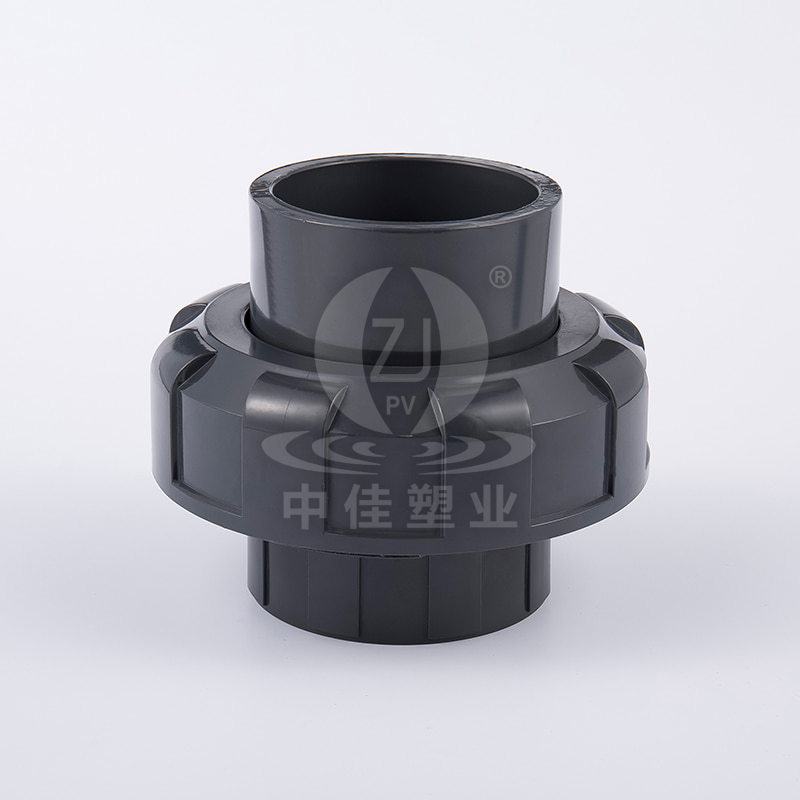
UPVC socket unions are made from unplasticized polyvinyl chloride, a material known for its high tensile strength and impact resistance. Unlike metal fittings, UPVC does not corrode, rust, or degrade over time, ensuring long-lasting reliability in both water and chemical piping systems.
These fittings maintain structural integrity under a wide range of temperatures and pressures, making them suitable for indoor and outdoor installations. They are also resistant to UV exposure, ensuring longevity even in areas with high sunlight.
UPVC socket unions excel in environments where chemical exposure is a concern. The material is resistant to acids, alkalis, salts, and other corrosive substances commonly found in industrial and wastewater systems. This resistance reduces the likelihood of leaks or failures caused by corrosion, ensuring safe and reliable operation.
Chemical resistance makes UPVC socket unions ideal for industrial piping, water treatment plants, and chemical processing facilities. They can handle aggressive chemicals without requiring special coatings or maintenance routines.
Another key benefit of UPVC socket unions is their ease of maintenance. Unlike permanently glued joints or complex flanged systems, socket unions can be easily disconnected for inspection, cleaning, or replacement of sections of pipe. This simplifies routine maintenance and reduces downtime in plumbing systems.
Gasketed UPVC socket unions allow operators to unscrew the union nut, separate the connected pipes, and perform necessary maintenance without damaging the fittings. After servicing, the union can be reassembled quickly, restoring the system to full operation.
UPVC socket unions provide a cost-effective solution compared to metal fittings. They offer similar performance benefits at a lower material and labor cost. Reduced installation time, minimal maintenance, and long service life contribute to overall savings in plumbing projects.
| Fitting Type | Cost | Installation Ease | Maintenance | Durability |
| UPVC Socket Union | Low | High | Easy | High |
| Metal Flanged | High | Medium | Moderate | High |
| Threaded PVC | Medium | Medium | Moderate | Medium |
UPVC socket unions are versatile and can be used in potable water systems, irrigation networks, chemical pipelines, and industrial fluid transfer applications. Their compatibility with standard UPVC pipes and fittings ensures seamless integration across different systems.
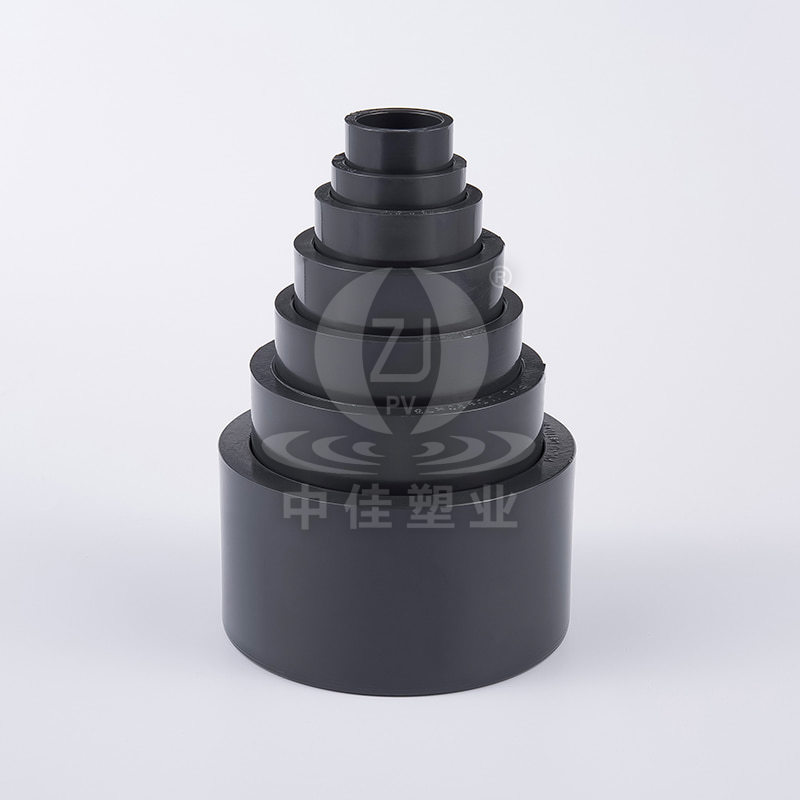
Available in a range of diameters and pressure ratings, UPVC socket unions accommodate different flow requirements. They conform to international standards such as ASTM, DIN, and ISO, providing reliability and interchangeability in global plumbing projects.
UPVC socket unions offer multiple advantages, including ease of installation, durability, chemical resistance, low maintenance, and cost-effectiveness. Their versatility and reliability make them an excellent choice for a wide range of plumbing applications. By using UPVC socket unions, engineers and plumbers can ensure secure, long-lasting, and maintainable piping systems, reducing operational challenges and improving overall efficiency.

Follow us
PVC-U
PVC-U Pipes PVC-U Fittings for Industry PVC-U Fittings for Water Supply PVC-U Pipes ASTM D1785 PVC-U Fittings ASTM SCH80
Copyright © Changzhou Zhongjia Plastic Industry Co., Ltd.All rights reserved.
 UPVC/CPVC Pipes Manufacturers


Copyright @ Changzhou Zhongjia Plastic Industry Co., Ltd.All Rights Reserved.



 عربى
عربى  中文简体
中文简体  Español